

Choose a gravity reservoir for low-maintenance indoor use, an electric fountain to encourage dogs who prefer flowing water, a plumbed stainless steel unit for outdoor or kennel needs, and a smart hybrid when you want remote monitoring from your phone. Those four types cover nearly every household situation.
-
Gravity reservoir — no power needed, simple to refill; best for single indoor dogs. Main downside: standing water stagnates faster without circulation.
-
Electric fountain — flowing water encourages drinking, supports kidney health; best for picky drinkers. Downside: pump requires regular cleaning.
-
Plumbed stainless steel — hands-off continuous supply using a float-actuated valve; best for kennels and outdoor runs. Downside: one-time installation required.
-
Smart hybrid — app alerts, motion modes, and low-power pumps around 1.5 W; best for busy multi-pet homes. Downside: higher upfront cost.
Capacity guidance: A single medium dog typically needs a 3–5 L reservoir refilled every 2–3 days. Multi-dog households or large breeds do better with 7–10 L, which can last 1–2 days depending on activity level.
Material quick rule: 304-grade stainless steel resists scratches and biofilm better than most plastics. Food-safe BPA-free plastic is acceptable for indoor fountains but needs more frequent scrubbing.
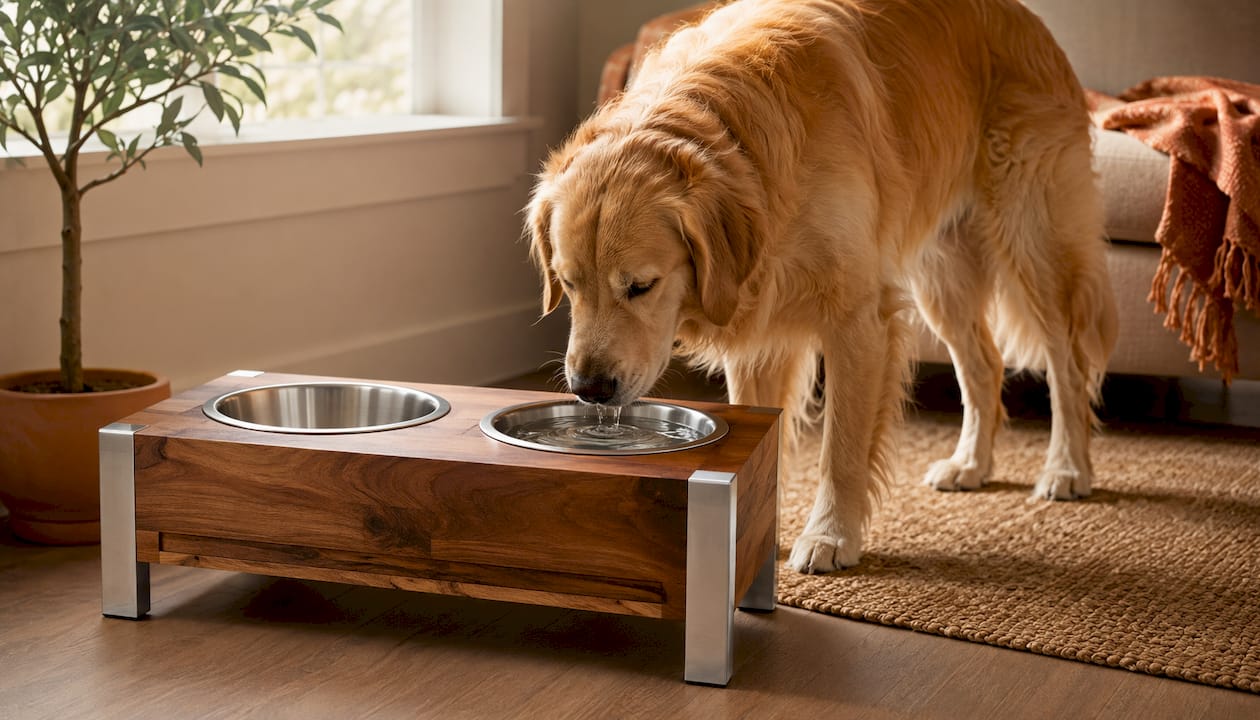
Pro Tip: Pair your auto waterer with a raised feeder set at the same height. Matching the water and food station heights reduces neck strain, especially for large breeds. Check the correct bowl height guide for exact measurements.
| Product | Best For | Capacity | Power | Materials | Filtration | Ease of Cleaning | Price Range | Noise | Multi-Dog | Installation |
|---|---|---|---|---|---|---|---|---|---|---|
| Bearwood Essentials — Modern Style Metal Elevated Stand | Ergonomic pairing with any waterer | Bowl-sized | None (feeder stand) | Handcrafted metal | N/A | Easy swap bowls | $$ | Silent | Yes | None |
| Vacqueen Smart Dog Water Dispenser 10L | Multi-pet, remote monitoring | 10 L | Plug-in (~1.5 W) | Food-safe plastic | Multi-stage + app alerts | Moderate | $$$ | ~25 dB | Excellent | Minimal |
| 7L Stainless Steel Dispenser — Pet Clever | Indoor large dogs, stainless preference | 7 L | Plug-in | 304 stainless tray | Multi-stage | Easy | $$ | Low | Good | Minimal |
| AquaLick™ Stainless Fountain — Moiasun | Picky drinkers, urinary health | Not listed | Plug-in | Stainless steel | Circulation-based | Moderate | $$ | Low | Moderate | Minimal |
| Nelson Model 1200 Automatic Dog Waterer | Kennels, farms, outdoor runs | Continuous | Plumbed | 304 stainless | Float valve | Easy (quick-release bowl) | $$$ | Silent | Excellent | Yes |
| Wooftrainer Heated Automatic Water Bowl | Cold climates, outdoor/rescue | Continuous | Plumbed + 50 W heater | Stainless + chew-proof hose | Auto-refill | Moderate | $$$$ | Low | Good | Yes |
Table of Contents
-
What do auto waterers typically cost, and what warranty should you expect?
-
Does your dog’s breed or drinking style affect which waterer works best?
-
What are the most common auto waterer problems, and how do you fix them?
-
Bearwoodessentials elevated feeders pair perfectly with any auto waterer
How do you install a plumbed auto waterer?
Plumbed units like the Nelson Model 1200 connect directly to a standard household water line, typically using a 1/2-inch faucet or hose connection. Before you start, confirm whether your unit needs a garden-hose adapter or a direct faucet fitting — the two are not interchangeable.
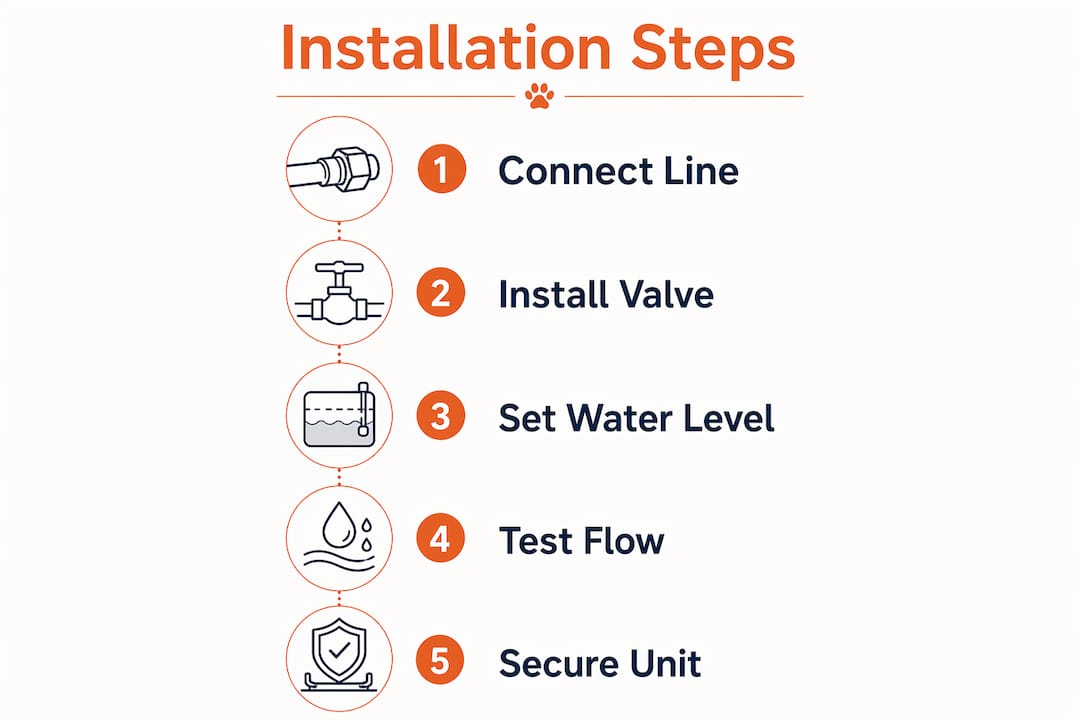
The float valve is the heart of the system. It works exactly like a toilet tank: water rises to a set level, the float shuts the valve, and the bowl refills automatically as your dog drinks. Most homeowners can handle the connection themselves, but if you are tapping into a dedicated water line inside a wall or under a floor, a licensed plumber is worth the cost. The Wooftrainer Heated Bowl adds a 24 V safety system and a stainless steel chew-proof hose to the same basic plumbed setup, which matters in outdoor runs where dogs may chew exposed tubing.
How often should you clean an automatic dog waterer?
Rinse the tray or bowl daily if possible, and do a full wash with warm soapy water at least once a week. Filtration does not replace cleaning — saliva, debris, and mineral deposits collect on the contact surface regardless of how many filter stages the unit has.
Replace the main activated-carbon filter every 3–4 weeks under normal use, or sooner if you have multiple dogs or hard tap water. The mesh pre-filter on units like the Pet Clever 7L dispenser should be rinsed under running water every few days. Dishwasher-safe bowls make this much easier; check the easy-clean feeder design guide for what to look for in removable parts.
Which type of auto waterer fits your home situation?
Indoor family dog: An electric fountain in the 3–7 L range is the right call. It keeps water circulating, which reduces stagnation and tends to encourage more drinking. The main trade-off is weekly pump cleaning.
Multi-dog household: Go with 7–10 L capacity and 360-degree bowl access so dogs are not competing at one spot. The Vacqueen 10L smart dispenser handles this well, with app-based low-water alerts so you are never caught off guard.
Kennel or outdoor run: A plumbed unit is the only practical choice at scale. The Nelson Model 1200 uses a patented quick-release bowl for fast sanitizing and a float-guard to prevent overflow — both genuinely useful in a working kennel environment.
Cold-climate outdoor: The Wooftrainer Heated Bowl is purpose-built for this. Its 50 W heating element and thermostat keep water thawed without requiring you to check it manually every morning.
What do auto waterers typically cost, and what warranty should you expect?
Electric fountain-style dispensers generally run $30–$80 for plastic models and $60–$150 for stainless steel units in the 7–10 L range. Plumbed commercial units like the Nelson Model 1200 sit higher, reflecting their materials and continuous-supply design. Heated plumbed bowls like the Wooftrainer are at the top of the range given the added heating system.
Warranty terms vary widely. Many consumer fountains offer 30–90 day return windows and 1-year limited warranties. The Perpetual Well plumbed system, for example, carries a one-year limited warranty with all parts listed as replaceable. Before buying, confirm whether the warranty covers the pump separately from the housing — pumps are the most common failure point and are sometimes excluded from base coverage.
How do you winterize an outdoor auto waterer?
For unheated plumbed units, shut off the water supply line before the first hard freeze and drain the bowl and connecting hose completely. Standing water in a metal bowl or hose will expand when frozen and can crack fittings or split hoses. If your setup is in an uninsulated kennel, insulating the supply line with foam pipe wrap adds meaningful protection.
The Wooftrainer Heated Bowl reduces freezing risk by using a thermostat-activated heating element and a stainless steel chew-proof hose designed for cold conditions. For gravity-fed or electric fountain units kept outdoors in mild winters, bring them inside when overnight lows drop below freezing — most consumer-grade pumps and plastic reservoirs are not rated for sustained sub-freezing exposure.
Does your dog’s breed or drinking style affect which waterer works best?
Large breeds like Labradors, Great Danes, and German Shepherds drink more volume per session and benefit from wider, deeper trays that do not force them to crane their necks down. Veterinary guidance favors designs that reduce neck strain, and an elevated feeder for large breeds paired with a waterer at a matching height addresses this directly.
Dogs with urinary or kidney concerns often drink more readily from a flowing source. The AquaLick fountain is designed specifically to mimic a stream, which can increase daily intake for reluctant drinkers. Flat-faced breeds like Bulldogs and Pugs do better with shallow, wide bowls rather than deep narrow fountains that force their faces into the water. For outdoor working breeds or farm dogs, a plumbed stainless unit that never runs dry is the safest choice regardless of breed.
What safety features prevent leaks and flooding?
Float valves on plumbed units are the primary safeguard: they cut water flow the moment the bowl reaches its set level, so a distracted owner does not return to a flooded kennel. The Nelson Model 1200 includes a float-guard specifically to prevent overflow in high-use environments.
For electric fountains, look for a low-water shutoff that stops the pump before it runs dry — a dry-running pump burns out quickly and is a common warranty claim. Stable, weighted bases matter too: a fountain that tips easily creates both a mess and a slip hazard. Some smart units like the Vacqueen 10L send app alerts when water drops below a safe threshold, giving you a heads-up before the pump is at risk.
What are the most common auto waterer problems, and how do you fix them?
Pump noise or vibration: Usually caused by air trapped in the pump or debris caught in the impeller. Disassemble, rinse the impeller, and re-prime by submerging the pump fully before restarting.
Algae or slime buildup: Happens when the unit sits in direct sunlight or goes too long between cleanings. Move it to a shaded spot and increase cleaning frequency to twice weekly.
Float valve not shutting off: Mineral scale can prevent the float from seating properly. Soak the valve assembly in white vinegar for 30 minutes, then rinse and reinstall.
Filter clogging faster than expected: Hard water accelerates carbon filter saturation. Switch to filtered tap water or add a pre-filter sediment screen upstream of the unit.
How do popular auto waterer models hold up over time?
The Nelson Model 1200 has a long track record in commercial kennel and farm settings, where continuous-use reliability matters more than aesthetics. Its 304-grade stainless construction and patented quick-release bowl are the features owners in those environments cite most.
The Vacqueen 10L smart dispenser is newer but draws attention for its app integration and quiet pump operation. The Pet Clever 7L stainless dispenser is well-regarded for its stainless tray design, which resists odors and cleans more thoroughly than comparable plastic units. The AquaLick fountain’s flowing-water design is noted for encouraging intake in dogs that otherwise drink reluctantly. The Wooftrainer Heated Bowl has a specific, loyal following among owners in cold-climate states where winter water access is a genuine daily concern.
Does an auto waterer actually fit your home setup?
Start with two questions: Where is your nearest water source, and how much floor space can you dedicate? Plumbed units need to be within reach of a water line or outdoor spigot. Electric fountains need a nearby outlet and enough clearance that the cord is not a trip hazard.
Measure the space before you buy. A 10 L fountain has a meaningful footprint, and in a small apartment kitchen, that matters. If your dog drinks near their feeding station, the waterer and feeder should sit at compatible heights — a mismatch forces awkward posture at one or the other. For travel or short outings away from a fixed station, a portable water bottle bridges the gap between home setup and on-the-go hydration.
Bearwoodessentials elevated feeders pair perfectly with any auto waterer
An automatic water dispenser handles hydration. What it does not handle is posture. Large breeds that drink from a bowl on the floor often gulp air along with water, and the neck strain compounds over years of meals and drinks at ground level.
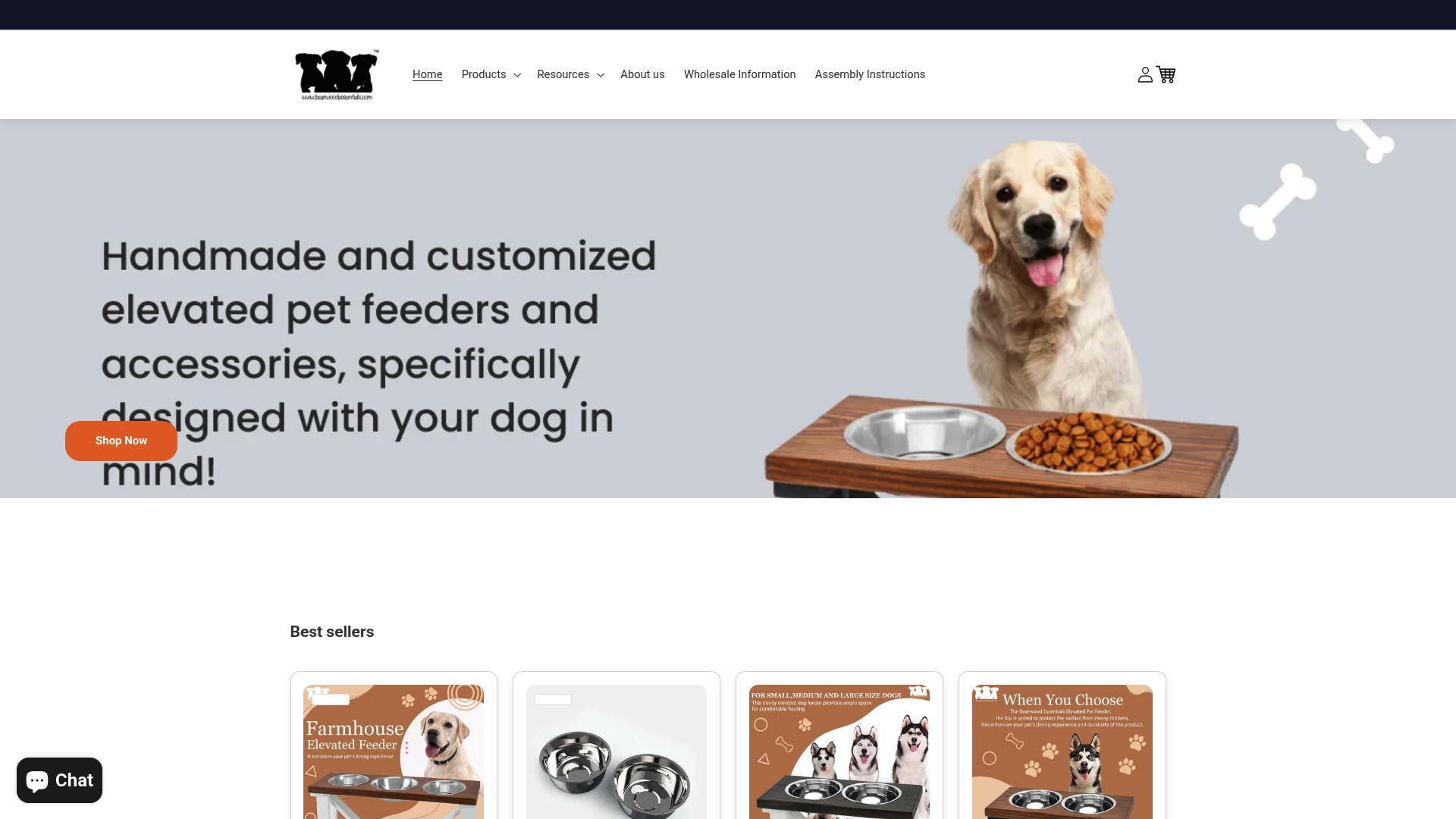
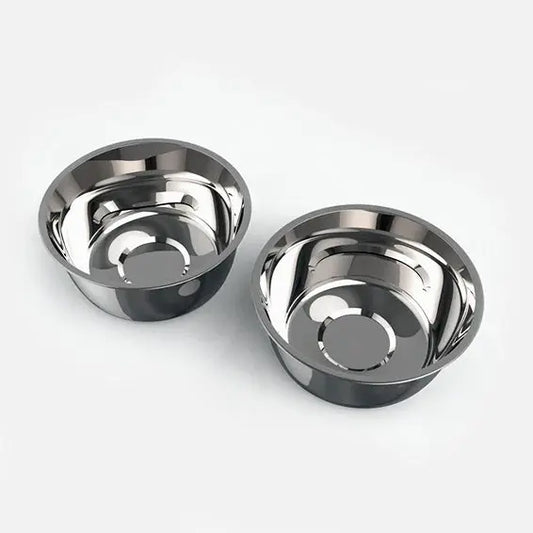
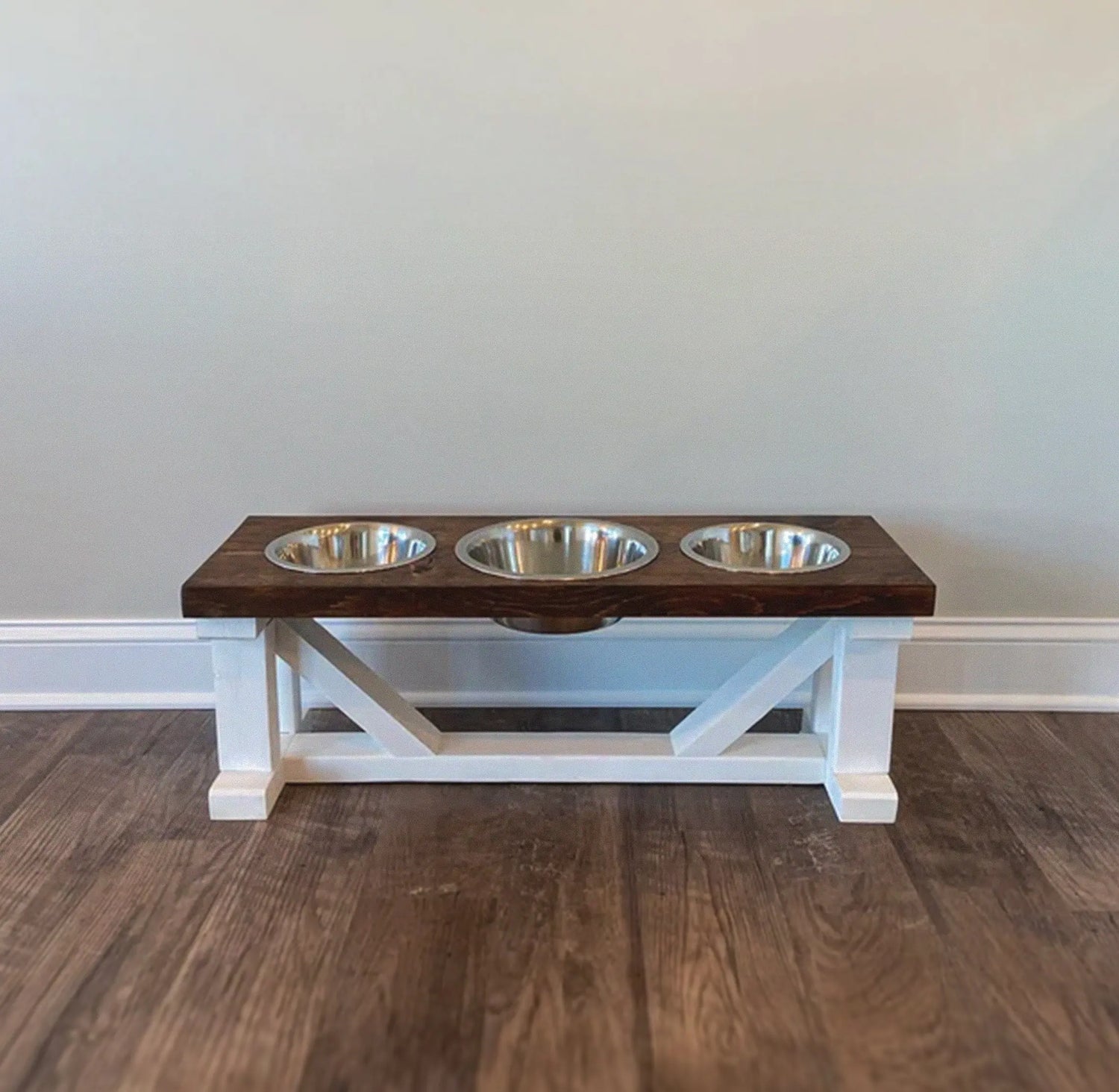
Bearwoodessentials handcrafted metal elevated feeders are built to sit at the right height for your dog’s size, with easy-swap bowl compatibility so you can match the material to your waterer setup. The Modern Style Metal Elevated Stand pairs naturally with any of the fountains or dispensers above, and the replacement bowl sets make keeping the feeding station clean as simple as swapping a bowl. For large breeds, the Large Single Feeder P899 gives you the height and stability that big dogs need. Browse the full range at Bearwoodessentials and find the feeder that completes your dog’s hydration and feeding setup.
Key Takeaways
The right auto waterer for dogs comes down to use case, capacity, and material — match those three factors and the choice becomes straightforward.
| Point | Details |
|---|---|
| Match type to use case | Gravity for simple indoor use; electric fountain for picky drinkers; plumbed stainless for kennels and outdoor runs. |
| Capacity by household size | Single dogs need 3–5 L; multi-dog or large breeds need 7–10 L for reliable daily supply. |
| Stainless steel for hygiene | 304-grade stainless resists biofilm and scratches better than most plastics, especially for outdoor or plumbed units. |
| Clean regardless of filtration | Rinse the tray daily and do a full wash weekly; replace carbon filters every 3–4 weeks under normal use. |
| Bearwoodessentials for ergonomics | Pair any auto waterer with a Bearwoodessentials raised feeder to match drinking height and reduce neck strain for large breeds. |