
You set down your dog’s food bowl, walk away for ten minutes, and come back to a trail of ants marching straight through the kibble. It’s a frustrating sight, and if you’ve been reaching for the ant spray or laying down chemical barriers near your pet’s feeding station, you’re not alone. But here’s what most owners don’t realize: the bowl itself, and where it sits, can be a far more effective and far safer line of defense. Smart feeder design is one of the most overlooked solutions to ant invasions, and it works around the clock without any chemicals at all.
Table of Contents
- Why ants target pet food — and what most owners miss
- Anatomy of ant-proof pet feeders: key design features
- Aesthetic and health benefits: why design matters beyond ant control
- Choosing the right ant-resistant feeder for your dog
- What most guides get wrong about ant-proof feeders
- Elevate your dog’s meals — and keep ants out for good
- Frequently asked questions
Key Takeaways
| Point | Details |
|---|---|
| Elevation blocks ants | Raising the feeding bowl makes it difficult for ants to access pet food. |
| Smart feature design matters | Elements like water moats and smooth materials add another layer of ant resistance. |
| Health and style combined | Well-designed feeders not only deter pests but also aid your dog’s comfort and fit home aesthetics. |
| Choose with confidence | Look for key design features and materials for lasting ant protection and easy cleaning. |
Why ants target pet food — and what most owners miss
Pet food is one of the most attractive targets for ants in any home. The combination of protein, fat, and carbohydrates in both dry and wet food sends a powerful signal to foraging ants, especially during warmer months when colonies are actively expanding. Even a small amount of leftover food or residue on the bowl’s rim is enough to bring them in.
Most owners respond the way you’d expect. They try ant traps near the feeding area, apply chemical sprays along baseboards, or sprinkle diatomaceous earth around the bowl. These approaches can work temporarily, but they come with real drawbacks.
Chemical ant treatments used near pet feeding areas can pose health risks to dogs and cats through contact, inhalation, or accidental ingestion. The safest approach is to prevent ant access through physical design rather than chemical deterrents.
Here’s what most guides skip entirely: design is a passive, permanent defense. A well-designed feeder doesn’t rely on you remembering to reapply a barrier or replace a trap. It works by making the bowl physically inaccessible to ants in the first place. That’s a fundamentally different strategy, and it’s one that protects your pet every single meal.
The key reasons owners overlook design as a solution:
- They assume feeders are all functionally the same
- They don’t realize that elevation and material choice directly impact pest access
- They’ve been conditioned to think of ant control as a chemical problem
- They haven’t seen modern feeders that combine protection with genuine style
Shifting your thinking from “how do I kill the ants” to “how do I stop them from reaching the bowl” changes everything.
Anatomy of ant-proof pet feeders: key design features
Understanding why ants target bowls makes it easier to appreciate how thoughtful feeder design stops them. Modern elevated feeders incorporate several specific features that work together to block ant access passively and reliably.
Here are the key design elements to look for, in order of importance:
- Elevation off the ground. Ants scout along floor surfaces. A feeder that raises the bowl several inches off the ground forces ants to climb the legs of the stand, which is a much harder path than walking directly to a floor-level bowl. The higher the elevation, the more exposed and difficult that climb becomes.
- Smooth, non-porous leg surfaces. Ants grip rough surfaces easily. Feeders with smooth wooden or metal legs give ants far less traction, making the climb to the bowl much harder. Elevated wooden feeders with sealed, lacquered finishes are particularly effective because the smooth surface reduces grip points.
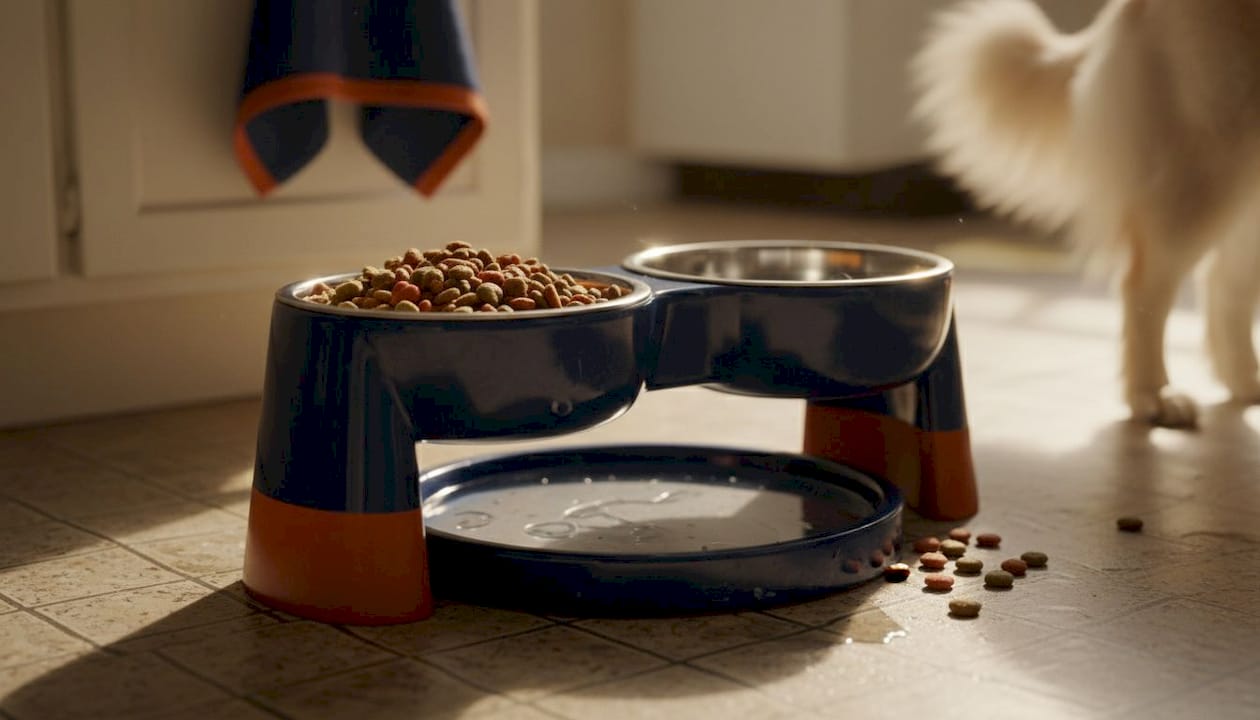
- Water moat channels. Some feeders include a shallow trough or moat around the base that can be filled with water. Ants cannot swim across standing water, so this creates a physical barrier they simply cannot cross. This is one of the most reliable design solutions available.
- Stable, weighted bases. A feeder that tips easily can break any moat barrier and spill food onto the floor, creating an instant ant invitation. A solid, weighted base keeps everything in place even with an enthusiastic eater.
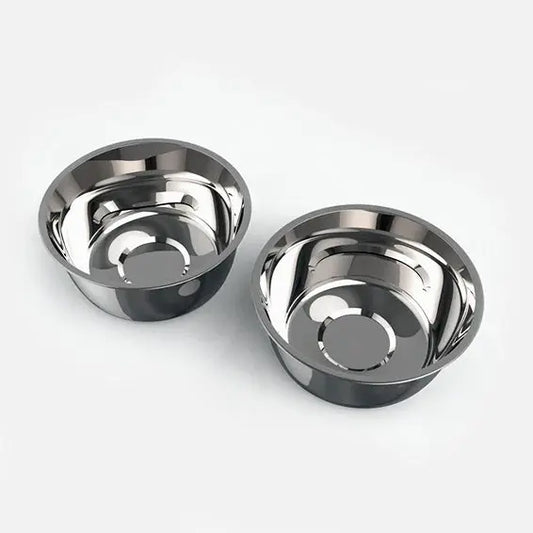
- Smooth bowl materials. Ceramic feeding bowls and stainless steel bowls have surfaces that ants struggle to grip. Compared to plastic, which can develop micro-scratches over time that give ants better footing, smooth ceramics and metals are far less hospitable.
Pro Tip: If you’re setting up a feeder in a warm climate or during summer months, consider placing the feeder legs inside small dishes of soapy water as a temporary moat while you source a feeder with an integrated barrier. It’s not pretty, but it works in a pinch.
Here’s a quick comparison of common feeder types and their ant-resistance:
| Feeder type | Elevation | Smooth surface | Moat option | Ant resistance |
|---|---|---|---|---|
| Plastic floor bowl | None | Low | No | Poor |
| Basic raised stand | Moderate | Varies | No | Fair |
| Sealed wood elevated feeder | High | High | Possible | Good |
| Ceramic bowl on sealed stand | High | Very high | Possible | Very good |
| Integrated moat feeder | High | High | Yes | Excellent |
The table makes it clear that combining elevation with smooth materials and an optional moat gives you the strongest protection without a single drop of chemical.
Aesthetic and health benefits: why design matters beyond ant control
A well-designed feeder does more than keep pests away. It actively supports your dog’s health and fits naturally into your home. These two benefits are worth understanding in detail because they make the investment in a quality feeder genuinely worthwhile on multiple levels.
Health benefits for your dog:
- Improved digestion. Elevated feeders reduce the amount of air dogs swallow while eating, which can help minimize bloating and discomfort, particularly in medium to large breeds.
- Reduced joint and neck strain. Dogs with arthritis, hip dysplasia, or general joint stiffness benefit significantly from eating at a raised height. Bending all the way to the floor repeatedly puts stress on the neck, shoulders, and front legs.
- Cleaner eating environment. Raised bowls are harder for dogs to push around the floor, which means less food scatter and fewer crumbs attracting ants in the first place.
- Better posture during meals. A natural, comfortable eating posture encourages slower, more relaxed eating, which supports better digestion overall.
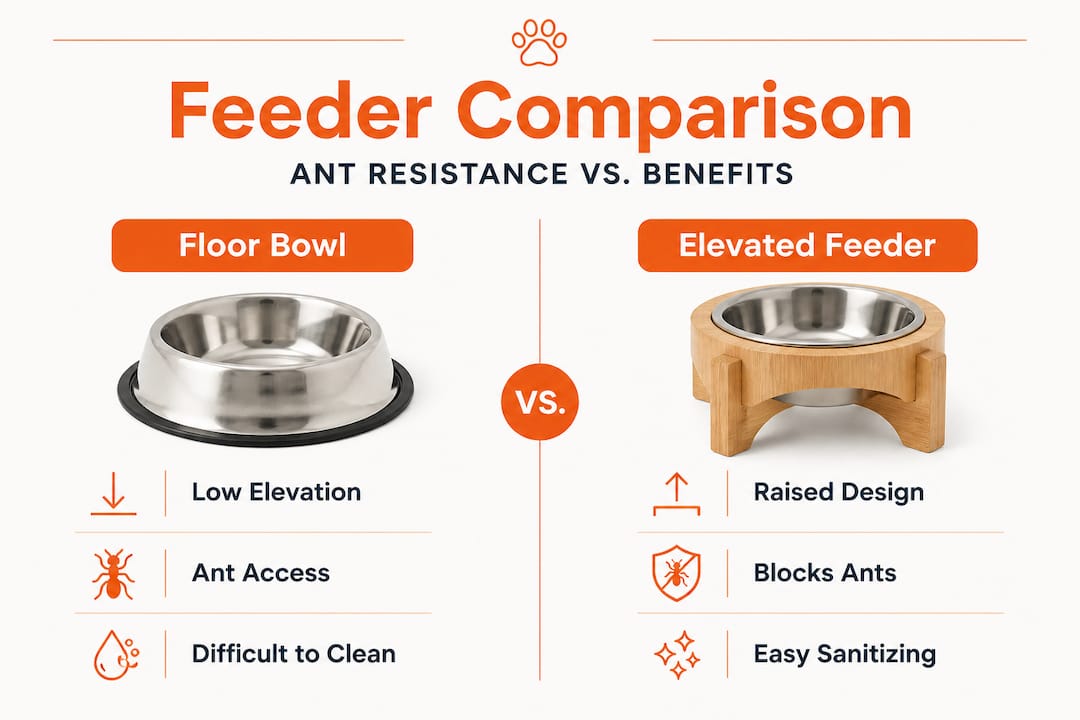
Here’s a look at how elevated feeders compare to floor bowls across key health and hygiene factors:
| Factor | Floor bowl | Elevated feeder |
|---|---|---|
| Neck and joint strain | High | Low |
| Air swallowing while eating | More common | Reduced |
| Food scatter on floor | Frequent | Minimal |
| Ease of cleaning | Moderate | High |
| Ant access risk | Very high | Low to very low |
| Hygiene maintenance | Harder | Easier |
Aesthetic benefits for your home:
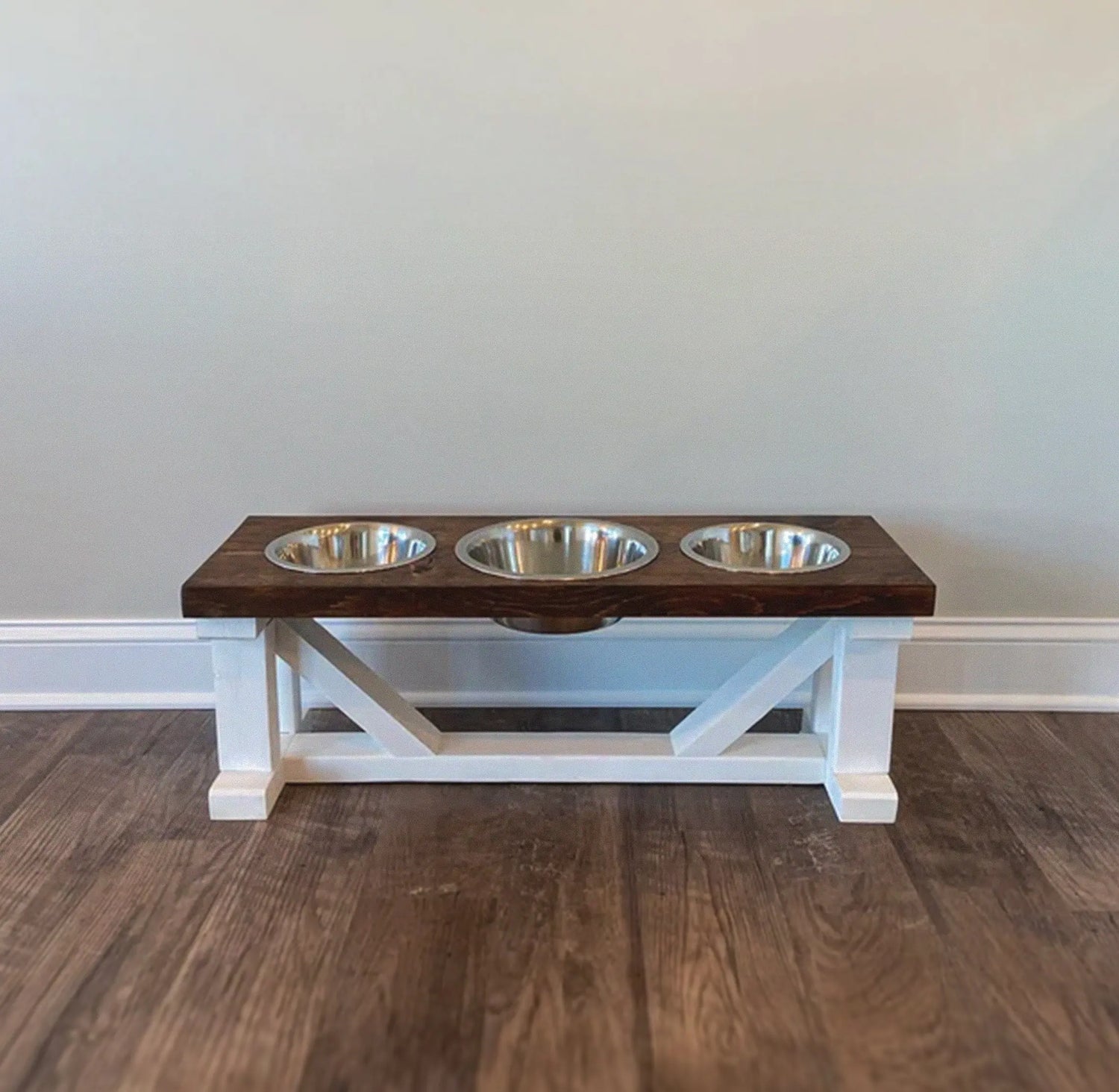
Modern feeders are designed to look good. Gone are the days when a pet bowl meant an eyesore on your kitchen floor. Today’s stainless steel bowls paired with handcrafted wooden or metal stands complement a wide range of interior styles, from farmhouse to minimalist modern.
Quality materials are also far easier to sanitize. Stainless steel and sealed ceramics don’t absorb odors or bacteria the way plastic does. A quick daily wipe-down keeps the feeder clean and unattractive to pests.
Pro Tip: Match your feeder’s finish to existing wood tones or metal accents in your kitchen or dining area. A feeder that blends with your decor is one you’ll actually keep in a consistent spot, which makes your dog’s routine more stable too.
Choosing the right ant-resistant feeder for your dog
With the benefits clear, here’s a straightforward framework for picking the right feeder. You don’t need to overthink it, but a few specific considerations will help you land on the best option for your dog and your home.
Step-by-step selection process:
- Measure your dog’s shoulder height. The ideal bowl height is roughly level with your dog’s lower chest, not the floor and not chin height. Most elevated feeder product pages include size guides based on dog weight and breed.
- Choose your bowl material first. Stainless steel is the most durable and hygienic. Ceramic is beautiful and smooth. Both resist ant grip far better than plastic.
- Look for a sealed or smooth stand finish. Raw, unfinished wood is porous and gives ants better grip. A lacquered or sealed finish on the stand legs is an important detail.
- Check base stability. Pick up the feeder and check that it feels solid. A wood and metal feeder with a wide, weighted base is far more stable than a narrow-legged stand.
- Consider integrated ant barriers. If you live in a region with heavy ant activity, prioritize feeders with moat channels or look for designs where the bowl sits flush within a sealed frame with no gap for ants to crawl through.
Quick checklist before you buy:
- Does it elevate the bowl at least 4 to 6 inches for small dogs, or 8 to 12 inches for larger breeds?
- Is the bowl material non-porous and easy to wipe clean?
- Is the stand surface smooth and sealed?
- Is the base wide and stable enough for your dog’s eating style?
- Does the design fit your kitchen or dining space visually?
- Is it easy to remove the bowls for daily washing?
Balancing function and style isn’t a compromise. The best feeders deliver both, and they’re built to last long enough to make the investment genuinely worthwhile.
What most guides get wrong about ant-proof feeders
Here’s an honest take that you won’t find in most generic pet care articles: the ant problem at your dog’s bowl is almost never a pest control problem. It’s a design problem.
We’ve worked with hundreds of dog owners who came to us frustrated after cycling through ant sprays, traps, and chemical barriers for months. Almost every single one of them found that switching to a well-designed elevated feeder solved the problem more reliably than any product they’d sprayed or scattered around the bowl. The ants didn’t disappear from their homes. They just stopped reaching the food.
That’s an important distinction. You don’t need to eliminate every ant in your house to protect your dog’s meals. You just need to make the bowl inaccessible. A thoughtfully designed feeder does exactly that, every day, without any effort from you.
The other thing most guides get wrong is treating aesthetics as optional. We hear this from customers regularly: they assumed a “functional” feeder would look industrial or out of place in their home, so they put off upgrading. Then they saw a double diner design that matched their kitchen perfectly, and suddenly the upgrade felt easy. When a feeder looks good, you place it in a consistent, visible spot. That consistency actually supports your dog’s routine and makes it easier to keep the feeding area clean.
The real lesson is this: invest in design once, and you solve the ant problem, the health problem, and the decor problem at the same time. That’s a far better outcome than a can of ant spray that needs replacing every few weeks.
Elevate your dog’s meals — and keep ants out for good
You now have a clear picture of why ants target pet food, how smart design blocks their access, and what to look for in a feeder that protects your dog while complementing your home.
At Bearwood Essentials, every feeder we craft is built with exactly these principles in mind. Our handmade feeders combine elevated designs, smooth sealed finishes, and quality bowl materials that ants can’t grip. Whether you’re looking for a sleek metal raised feeder for a single dog or a spacious two-bowl elevated feeder for a multi-pet household, we have options that look beautiful and work hard. Browse our full collection and find the right fit for your dog and your home at Bearwood Essentials.
Frequently asked questions
Do elevated feeders really stop ants completely?
Elevated feeders dramatically reduce ant access when combined with smooth materials and stable bases, but no single solution guarantees 100% prevention in every environment. Pairing a well-designed feeder with daily cleaning gives you the strongest defense.
Is it safe to use water moat feeders around dogs?
Yes, moat designs are completely chemical-free and safe for pets. Just check the moat regularly for spills and clean it out every few days to prevent any buildup.
What material is best for an ant-resistant dog bowl?
Stainless steel and smooth ceramics are the top choices because ants struggle to grip these surfaces, and both materials are simple to sanitize with a quick daily wipe.
How often should I clean my dog’s feeder to deter ants?
Wipe down and rinse your dog’s feeder daily to remove food residue and oils that attract ants. A thorough wash with dish soap every two to three days keeps the entire stand clean.
Are ant-proof feeders harder to style with my home decor?
Not at all. Modern elevated feeders come in a wide range of wood tones, metal finishes, and bowl styles that blend naturally with most kitchen and dining room interiors.