

If you’ve been shopping for a pet feeder lately, you’ve probably noticed that not all feeders are created equal. The concept of modular pet feeder design takes the standard bowl-and-stand setup and replaces it with something far more purposeful: an expandable, customizable system where each component serves a specific role. Whether your dog is a senior with dietary restrictions or an energetic puppy who eats too fast, understanding how modular feeders work helps you make a smarter, longer-lasting investment in your pet’s daily health.
Table of Contents
- Key takeaways
- What is modular pet feeder design, exactly?
- Benefits of modular pet feeders worth knowing
- How modular pet feeders work in practice
- Comparing materials and maintenance options
- Choosing and using a modular feeder the right way
- My honest take on modular pet feeders
- Upgrade your pet’s feeding setup with Bearwoodessentials
- FAQ
Key takeaways
| Point | Details |
|---|---|
| Modular design is expandable | Independent plug-and-play modules let you add features like sensors and cameras as your pet’s needs change. |
| Health monitoring is built in | Sensor and AI modules track weight, eating speed, and food intake for proactive pet care. |
| Materials matter for hygiene | Stainless steel and food-grade ABS plastic resist bacteria better than standard plastic components. |
| Modularity reduces long-term cost | Replacing a single failing part costs far less than discarding an entire integrated feeder unit. |
| App control adds real convenience | Scheduling, portion control, and remote alerts are managed through a connected smartphone app. |
What is modular pet feeder design, exactly?
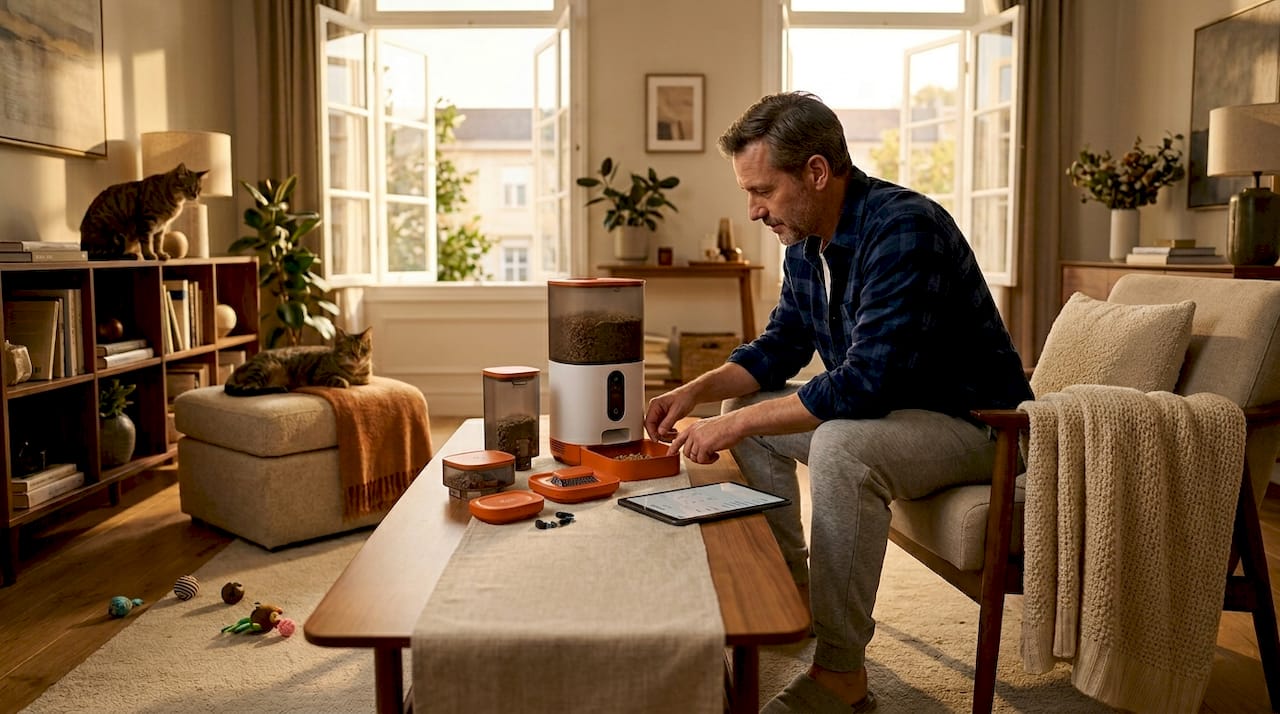
At its core, a modular pet feeder is an expandable system with independent modules that you can mix, match, and swap based on your pet’s specific needs. Think of it like building blocks for your pet’s mealtime. Each block does one job well, and together they create a feeding station that’s far more capable than any single-piece unit.
The typical modular feeder starts with a base unit. From there, you add modules based on what you need. Common modules include:
- Dispensing modules that control portion size and meal timing
- Health sensor modules that monitor weight, eating speed, and food quantity
- AI camera modules that identify which pet is at the feeder, useful in multi-pet households
- Entertainment modules that keep anxious pets calm during feeding
- App connectivity modules that link all functions to your smartphone
The way these modules connect is what makes the system practical. Most modern modular feeders use a central chassis with standardized mounting points, so adding or removing a module doesn’t require tools or technical knowledge. OEM tiered product lines often share one internal chassis while offering different external modules at different price points, which is why two feeders from the same brand can look similar but perform very differently.
Pro Tip: When buying your first modular feeder, prioritize the base unit quality above all else. The modules you add later are only as reliable as the platform they connect to.
Materials are a significant part of the design. Stainless steel bowls resist bacteria and are dishwasher safe. Food-grade ABS plastic is lightweight and moldable, making it popular for housing components. Powder-coated aluminum handles impact and moisture well for exterior frames. Each material plays a role in keeping the feeder hygienic, durable, and visually appealing on your kitchen floor.
Benefits of modular pet feeders worth knowing
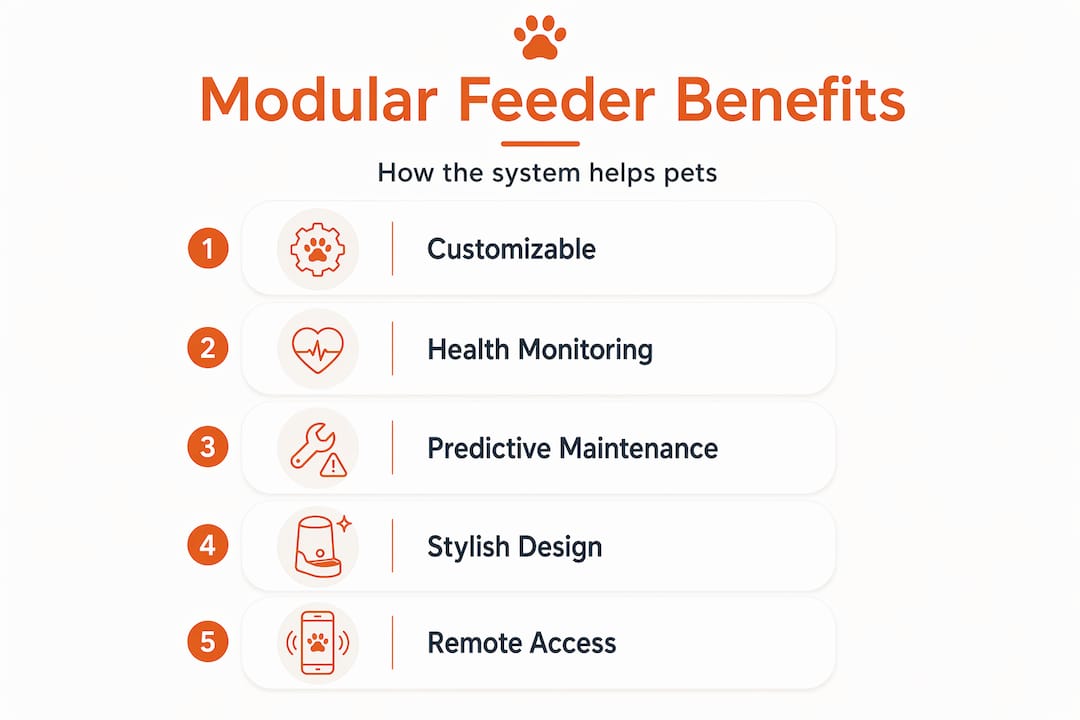
The modular pet feeder advantages go well beyond aesthetics. The real value is in how the system grows alongside your pet’s changing needs.
1. Customization that actually keeps up with your pet. A puppy has different portion requirements than an adult dog with joint issues. Modularity lets feeders evolve from basic dispensing to complex health monitoring as pets age. You don’t replace the entire feeder. You just add the module that fits the new need.
2. Health monitoring you can act on. Sensor modules track how much your dog eats per meal, flag changes in appetite, and some even estimate body weight over time. This data goes directly to your app, where you can spot trends before they become vet visits.
3. Predictive maintenance that prevents feeding failures. Anti-jam technology and remote app alerts notify you when a dispenser is clogged or a module is underperforming. Your pet doesn’t go hungry because you were at work and didn’t notice.
4. Stylish design that fits your home. The customizable pet feeder design trend has pushed manufacturers to offer modular units in wood tones, matte black, brushed metal, and minimalist white. Your feeder doesn’t have to look like a piece of lab equipment.
5. Remote access and scheduling. Apps allow control of multiple hoppers and feeding functions, making it realistic to manage a precise feeding schedule from your phone, even when you’re traveling.
Studies consistently show that pet owners who use automated, monitored feeders report higher confidence in their pet’s nutritional consistency. The combination of app control, health data, and smart alerts is what separates a modular feeder from a basic timed dispenser.
How modular pet feeders work in practice
Understanding how a modular pet feeder works starts with the dispensing mechanism. Most use a rotating auger or wheel that measures a set volume of food and releases it into the bowl at programmed intervals. The motor that drives this sits inside the base unit and communicates with other modules through short-range protocols.
Here’s what happens behind the scenes during a typical feeding cycle:
- The app sends a scheduled feeding command via Wi-Fi to the base unit
- The base unit activates the dispensing motor and releases the programmed portion
- The weight sensor module records how much food was delivered and how much the pet ate
- The camera module (if present) logs which pet fed and for how long
- All data syncs back to the app and is stored for review
The communication between modules relies on standardized electronic protocols. DIY modular feeders using Arduino often use I2C protocols that allow different hardware components to exchange data on the same two-wire bus. This is the same principle commercial manufacturers use, just packaged in a more polished enclosure.
One of the most practical features of modular pet feeders is the upgrade path. You start with a basic dispenser. Six months later, your vet recommends weight monitoring. You buy the sensor module, clip it on, and activate it in the app. No new feeder required.
Pro Tip: Before purchasing add-on modules, check that your base unit’s firmware supports them. Some older base units require a software update before they can communicate with newer sensor modules.
The IoT integration in modern modular feeders also extends to alerts. If a food blockage occurs, detachable hoppers and independent sensor housings make it easy to identify and fix the problem without disassembling the whole unit. You pull out the affected module, clear the jam, and reattach. The system logs the event automatically.
Comparing materials and maintenance options
Choosing the right modular feeder means weighing design options against long-term maintenance. Here’s a practical comparison of the most common materials used in modular pet feeder components:
| Material | Pros | Cons | Best For |
|---|---|---|---|
| Stainless steel | Bacteria-resistant, dishwasher safe, durable | Heavier, higher cost | Bowls and food-contact surfaces |
| Food-grade ABS plastic | Lightweight, moldable, affordable | Can harbor bacteria if scratched | Module housings and exterior panels |
| Powder-coated aluminum | Impact-resistant, moisture-resistant | Can chip with heavy use | Frame and structural components |
| Bamboo or wood | Aesthetically warm, eco-friendly | Absorbs moisture, needs sealing | Decorative stands and base covers |
Plastic non-modular feeders often harbor bacteria in hard-to-reach cavities that standard cleaning can’t address. Modular feeders solve this by design. Because each component detaches, you can clean the food path completely, not just the parts you can see.
Maintenance with a modular feeder is also far more cost-effective over time. Replacing a single failing module costs far less than discarding an entire integrated unit. If the dispenser motor wears out after three years, you replace the dispensing module. The base unit, camera module, and sensor keep working.
Sleek, minimalist modular aesthetics are popular right now, but functionality like easy cleaning should carry significant weight in your buying decision. A beautiful feeder that’s difficult to disassemble is a hygiene problem waiting to happen.
Choosing and using a modular feeder the right way
Making the most of a modular feeding system starts with an honest assessment of your pet’s actual needs. Here’s a practical approach to selecting the right setup:
- Assess your pet’s current needs. A healthy adult dog with no dietary issues doesn’t need the full suite of health sensors on day one. Start with a quality base and dispensing module.
- Plan for the future. If your dog is aging or has a condition your vet monitors, choose a base unit that supports health sensor and camera modules so you can add them later without switching platforms.
- Prioritize cleanability. Check that all food-contact modules detach fully and are labeled dishwasher safe or easy-rinse compatible before you buy.
- Test the app before committing. A modular feeder’s value depends on its software. Download the companion app and review its scheduling and alert features. A confusing interface undermines the whole system.
- Run a weekly module check. Inspect each module for wear, food residue, or error messages in the app. Catching issues early prevents the kind of jam that leaves your pet without a meal.
Pro Tip: Set a monthly calendar reminder to deep-clean every detachable module. Even feeders with anti-bacterial coatings benefit from a thorough rinse and dry cycle to prevent moisture buildup inside sensor housings.
Integrating your feeder into a broader pet care routine means treating it like any other health tool. Log vet visits alongside feeder data so you can spot correlations between eating patterns and health changes. Some owners share feeder reports directly with their vet, which makes appointment conversations far more productive.
My honest take on modular pet feeders
I’ve spent years looking at how people care for their pets, and the shift toward modular feeding systems feels genuinely meaningful to me. Not because the technology is exciting for its own sake, but because it addresses something real. Pets change. They get older, develop conditions, move through different life stages. And for a long time, the feeding options available to owners didn’t reflect that reality at all.
What I find most compelling is the sustainability angle. These are not disposable products. The design philosophy behind modular feeders treats the feeder as a long-term platform rather than a product you swap out every couple of years. That philosophy aligns with how I think about responsible pet ownership: investing in tools that serve your pet’s whole life, not just their current moment.
That said, I’d caution anyone against assuming that more modules always means better care. I’ve seen owners pile on features they never use, and the result is a cluttered, over-complicated feeding station that the pet ignores or the owner stops maintaining. My recommendation is always to start simple and add intentionally. Let your pet’s actual needs drive the upgrades, not the feature list on the box.
The future of this space points toward tighter integration with veterinary telehealth platforms. Feeder data feeding directly into a vet’s monitoring system isn’t far off. When that happens, the modular feeder stops being a convenience tool and becomes a genuine health management device. That’s a shift worth paying attention to.
— Kim
Upgrade your pet’s feeding setup with Bearwoodessentials
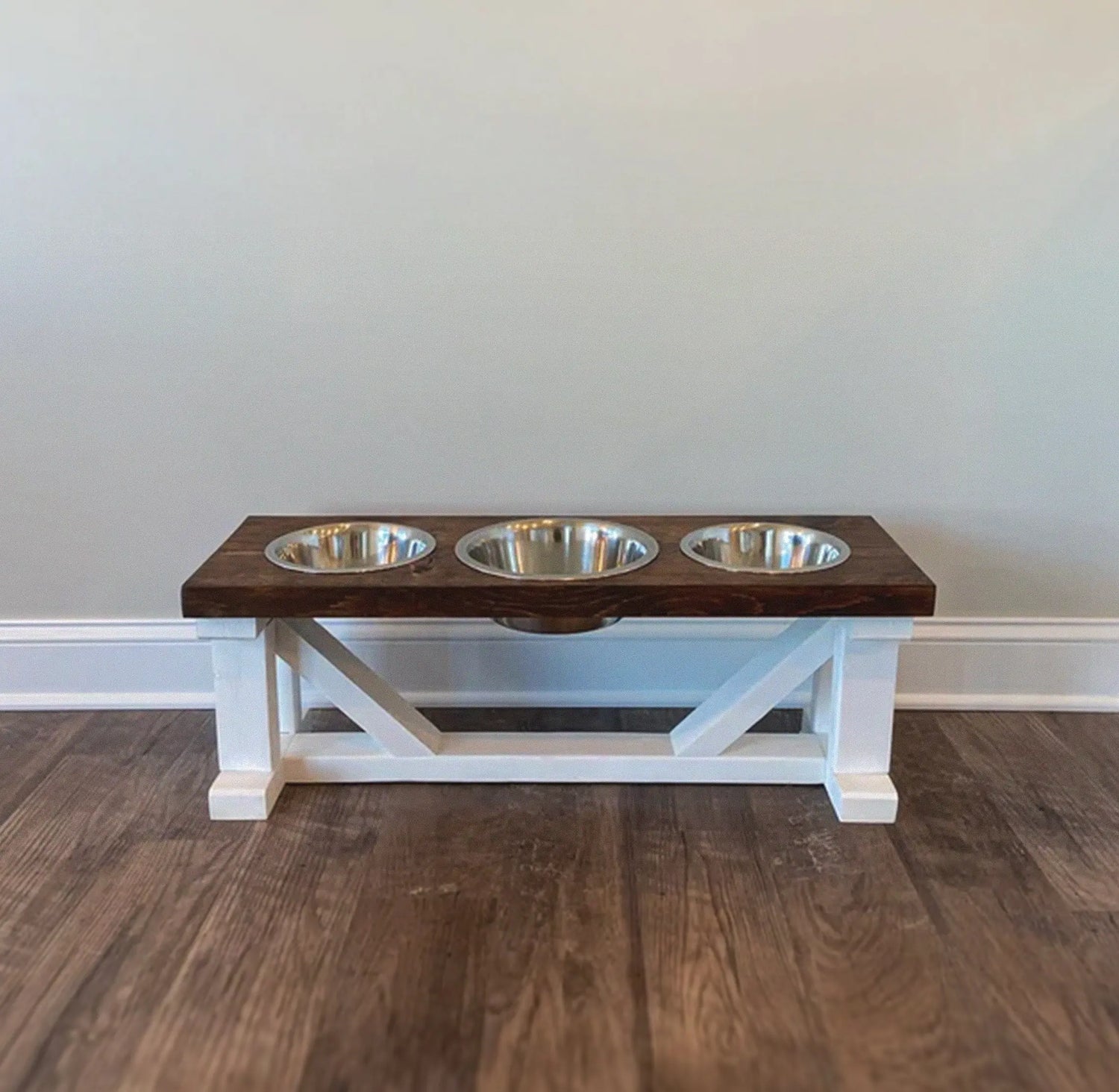
If the modular approach to pet feeding resonates with you, Bearwoodessentials offers a range of handcrafted elevated feeders built with exactly this philosophy in mind: quality materials, accessible components, and designs that work as well as they look.
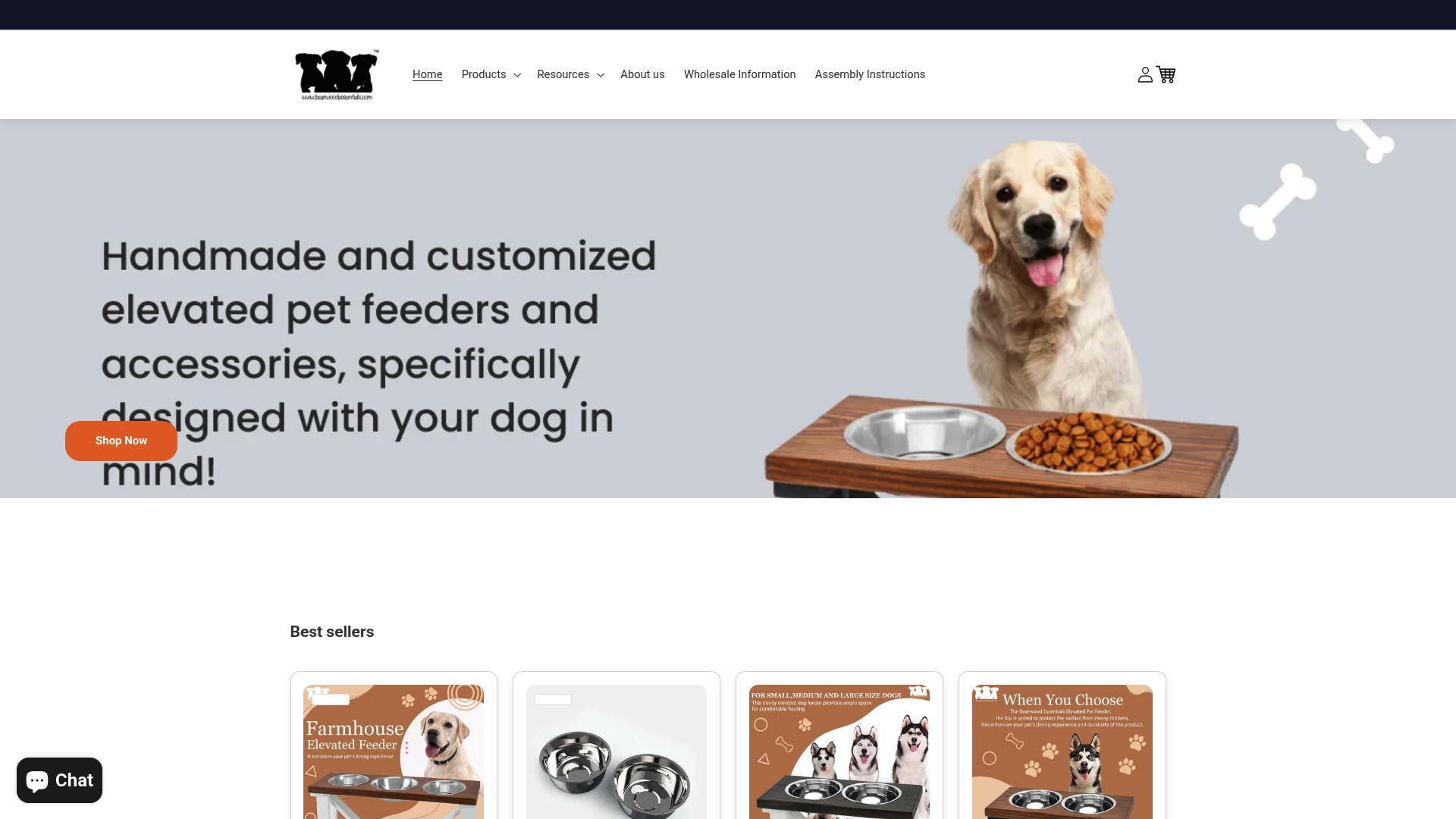
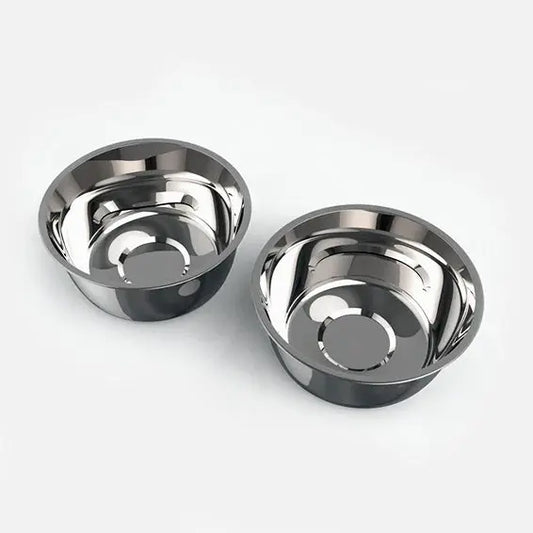
Their two bowl elevated feeder makes a strong starting point for owners who want ergonomic design with easy-clean access. For those focused on hygiene and long-term use, their replacement bowls let you refresh your setup without replacing the whole stand. Browse the full collection at Bearwoodessentials to find the right elevated feeder for your pet’s size and feeding style.
FAQ
What is modular pet feeder design?
Modular pet feeder design is an expandable feeding system made of independent, swappable components such as dispensing units, health sensors, and camera modules that connect to a shared base unit. Each module can be added, removed, or replaced without changing the entire feeder.
What are the main modular pet feeder advantages?
The main advantages include customization for your pet’s evolving needs, built-in health monitoring, predictive maintenance alerts, and the ability to replace individual failing parts rather than the whole unit. Long-term cost savings and better hygiene access are also significant benefits.
How does a modular pet feeder work?
A modular pet feeder uses a base unit with a dispensing mechanism that releases pre-set food portions on a schedule. Connected modules, including sensors and cameras, communicate data back to a smartphone app where owners manage feeding times, portion sizes, and health alerts in real time.
What are the best materials for pet feeders?
Stainless steel is the top choice for food-contact surfaces because it resists bacteria and is dishwasher safe. Food-grade ABS plastic works well for module housings, while powder-coated aluminum provides durability for structural frames.
Can modular pet feeders be upgraded over time?
Yes. The core benefit of a modular system is its upgrade path. You can add health sensor modules, camera modules, or additional hoppers as your pet’s needs change, provided your base unit’s firmware supports the new components.