
Why wooden pet feeders are worth choosing for your pet
Wooden pet feeders deliver ergonomic, hygienic, and sustainable feeding that plastic and metal simply cannot match. They reduce joint strain, resist bacteria naturally, and look genuinely good in your home. If you’re weighing your options on the best materials for pet feeders, wood stands out on nearly every measure that matters for your pet’s daily health and comfort.
Here’s a quick look at what makes wooden feeders worth the investment:
-
Ergonomic support: Elevated designs reduce neck and joint strain, especially for senior dogs
-
Natural antimicrobial properties: Wood fibers trap and kill bacteria, lowering contamination risk
-
Non-toxic materials: No BPA, no chemical leaching, no harmful finishes when properly sealed
-
Durability: Resists scratches and daily wear better than plastic
-
Aesthetic appeal: Warm, natural look that blends with home decor
-
Eco-friendly: Sustainably sourced wood is biodegradable and renewable
-
Easy maintenance: Simple to wipe clean; pairs well with removable stainless steel bowls
Table of Contents
-
How wooden feeders can be customized for your pet’s breed and habits
-
Material safety, hygiene, and maintenance of wooden pet feeders
-
Bearwoodessentials handcrafted feeders built for your pet’s health
How wooden feeders can be customized for your pet’s breed and habits
One of the strongest wooden pet feeder advantages is how well they adapt to individual pets. A Great Dane and a Chihuahua have very different feeding needs, and a well-crafted wooden stand can be built to suit either.
-
Adjustable or breed-specific heights: Stands are available in short, medium, and tall configurations to match your dog’s shoulder height, keeping the neck in a neutral position during meals
-
Single vs. double bowl setups: Single feeders work well for cats and small dogs; double configurations suit larger breeds that need separate food and water stations
-
Custom finishes and stains: Natural oak, walnut stain, or painted finishes let the feeder complement your kitchen or living space
-
Personalized engravings: Many makers, including Bearwoodessentials, offer name engravings or decorative details that make the feeder uniquely yours
-
Functional add-ons: Drip trays catch spills before they reach your floor; non-slip rubber feet keep the stand steady even with enthusiastic eaters
-
Bowl material compatibility: Wooden stands pair cleanly with stainless steel or porcelain bowls, giving you hygiene and aesthetics in one setup
This level of flexibility is something flat plastic mats and basic metal stands rarely offer. When the feeder fits your pet’s size and your home’s style, it actually gets used consistently, which matters more than most owners expect.
Health and ergonomic benefits of elevated wooden feeders
Elevated wooden feeders do more than look good. They position your pet’s food and water at a height that reduces the physical effort of eating, which adds up over thousands of meals across a lifetime.
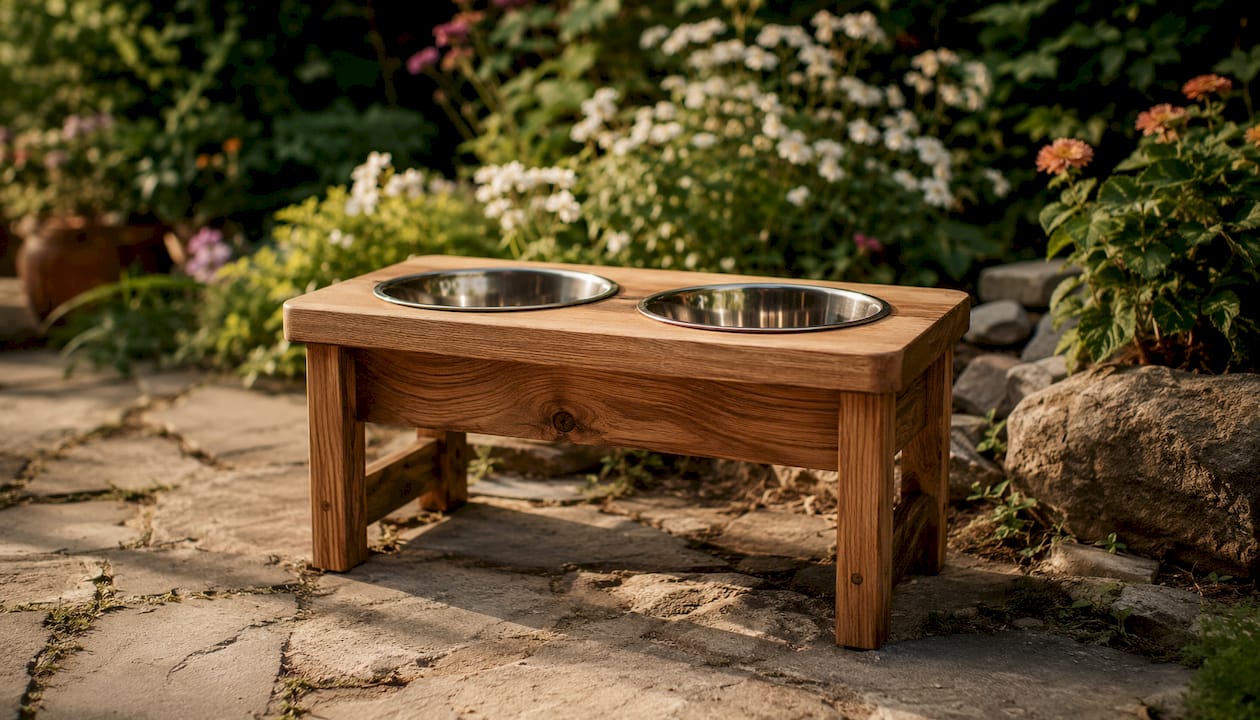
For senior dogs or pets with arthritis, the difference is especially clear. Bending low to floor-level bowls puts sustained pressure on the neck, shoulders, and front joints. A raised feeder removes that strain entirely. Veterinarians recommend assessing each pet’s individual needs when selecting feeder height and bowl shape, particularly for flat-faced breeds like Bulldogs or Pugs, where bowl depth and angle matter as much as height.
Elevated feeding also aligns the digestive tract more naturally, which reduces the amount of air a dog swallows during meals. Swallowing excess air is one of the contributing factors to bloat, a serious and potentially life-threatening condition in deep-chested breeds like Great Danes and German Shepherds. Pairing a wooden stand with food-grade 304 stainless steel bowls adds a hygiene layer that wood alone cannot provide, since steel resists corrosion and cleans thoroughly in a dishwasher cycle.
For pets with mobility challenges, Bearwoodessentials has a dedicated guide on elevated feeder benefits for arthritic dogs that walks through height selection and positioning in detail.
Statistic callout: Elevated feeders reduce the physical strain of eating for senior and arthritic pets by removing the need to bend to floor level, a benefit veterinary experts consistently highlight for larger and deep-chested breeds.
Pro Tip: Before buying, measure from your dog’s front paws to the bottom of their chest. The ideal bowl rim sits roughly at that height, keeping the neck level rather than angled down.
Material safety, hygiene, and maintenance of wooden pet feeders
Wood’s safety profile is one of the most underappreciated wooden feeder health benefits. Unlike plastic, which develops micro-scratches over time that harbor bacteria even after washing, wood fibers actively trap and kill bacteria, reducing contamination at the surface level.
Here’s what to look for when evaluating a wooden feeder’s safety and longevity:
-
Non-toxic finishes: Look for pet-safe sealants and stains. Properly finished wood resists bites and scratches far better than plastic and does not leach chemicals into food
-
Removable bowls: A wooden stand with removable stainless steel or ceramic inserts is the safest configuration. The wood never contacts food directly; the bowl handles that job
-
Cleaning routine: Wipe the wooden stand with a damp cloth and mild soap. Avoid soaking or submerging wood, which can cause warping over time
-
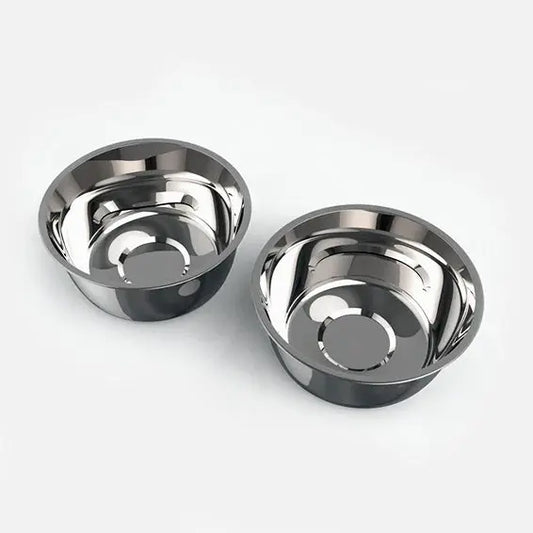
Bowl hygiene: Stainless steel bowls are dishwasher-safe, making full sanitization straightforward after every meal
-
Sustainably sourced wood: Look for feeders made from FSC-certified or responsibly harvested timber. Sustainably sourced wooden feeders are biodegradable and carry a far smaller environmental footprint than plastic alternatives
Wood also has a practical thermal advantage. Its natural insulation helps maintain food temperature longer than metal, which can get cold quickly in air-conditioned rooms or during winter months. That temperature stability can matter for pets with sensitive digestion who do better with food served at a consistent temperature.
Elevated designs add another hygiene win: keeping bowls off the floor reduces contact with dust, floor debris, and spills. Many raised feeders also include drip trays that catch water and food mess before it reaches your floor, making cleanup faster.
How wood type affects feeder quality and your pet’s comfort
Not all wood performs the same way in a pet feeder. The species, grain density, and finishing method all influence how long the feeder lasts and how safe it stays over time.
Hardwoods like oak, maple, and walnut are the strongest choices. Their tight grain structure makes them naturally more resistant to moisture absorption and surface damage. Oak, in particular, has been used in food-contact applications for centuries precisely because of its density and durability. A well-finished oak feeder can last years of daily use without warping or cracking.
Softer woods like pine are more affordable but absorb moisture more readily, which can lead to swelling or surface degradation if the sealant wears down. They work fine with proper maintenance and regular resealing, but they require more attention than hardwood options.
Finish quality matters as much as wood species. A hardwood feeder with a poor-quality or worn sealant will degrade faster than a pine feeder with a well-maintained, pet-safe coating. When shopping, ask specifically whether the finish is water-resistant and non-toxic. Bearwoodessentials uses pet-safe finishes across its elevated wooden dog feeder range, which is worth checking if you want a ready-made option that meets that standard.
The combination of a dense hardwood stand with a removable stainless steel bowl insert gives you the best of both materials: the warmth and durability of wood for the structure, and the hygienic, dishwasher-safe performance of steel for food contact.
Bearwoodessentials handcrafted feeders built for your pet’s health
Bearwoodessentials makes handcrafted elevated pet feeders that bring together everything covered in this article: ergonomic height, pet-safe finishes, sustainably sourced wood, and compatibility with food-grade stainless steel bowls. Each feeder is built for real daily use, not just shelf appeal.
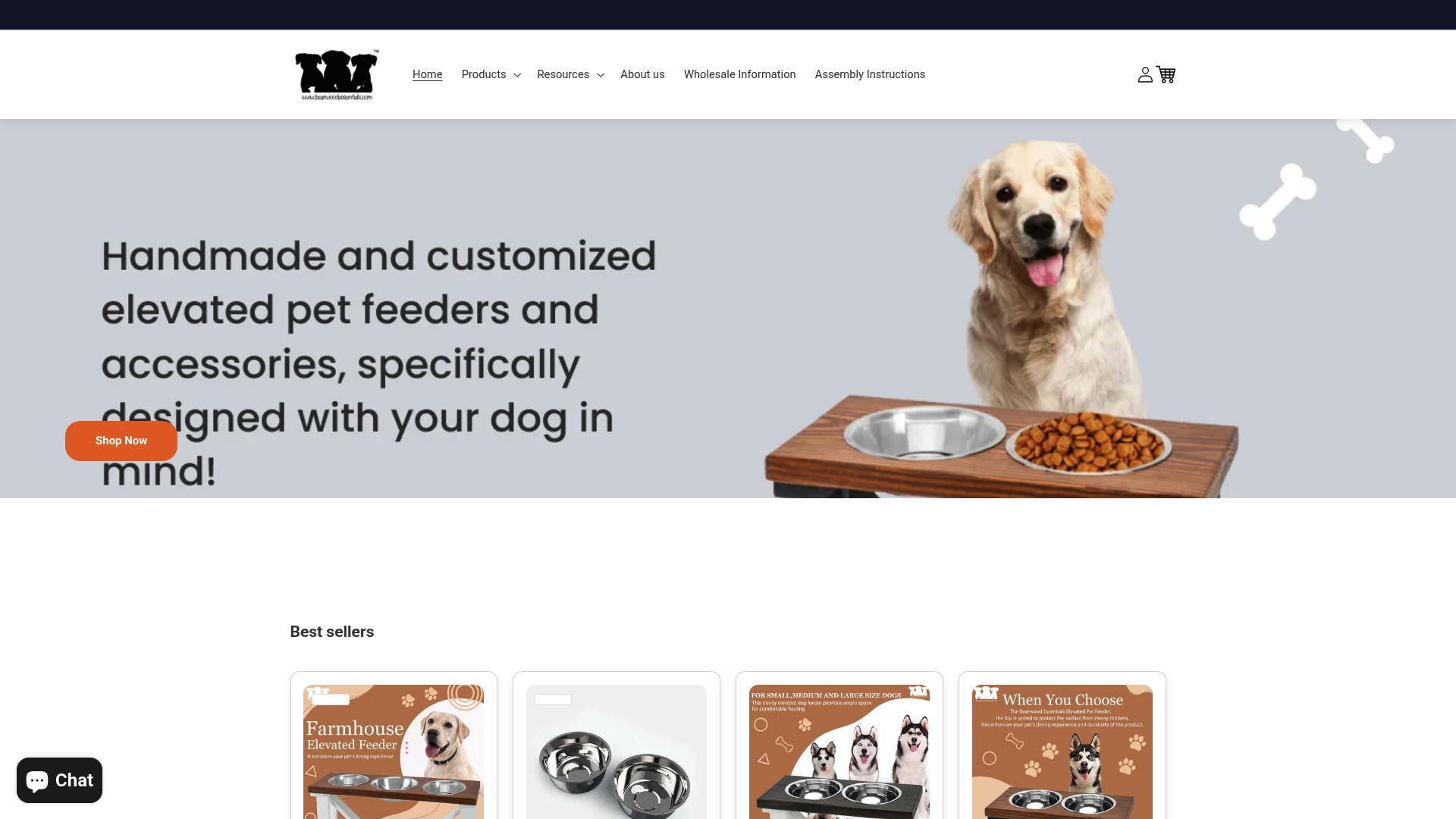
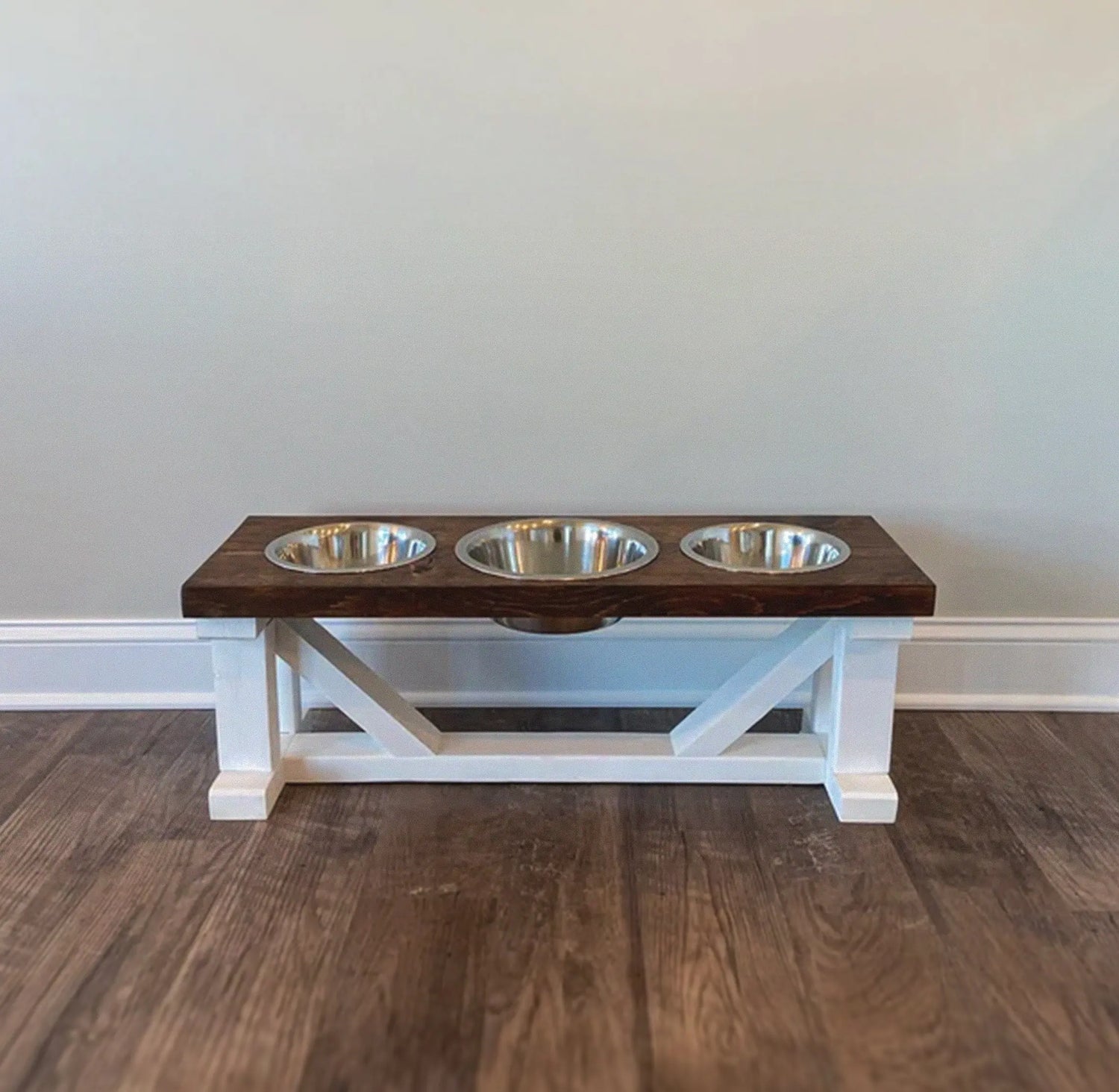
Whether your dog is a senior who needs joint relief, a large breed prone to digestive strain, or simply a pet whose owner wants a feeding station that looks as good as the rest of the home, Bearwoodessentials has a configuration that fits. The 2 Bowl Elevated Dog Stand is a strong starting point for most households, and the replacement bowl sets make it easy to keep the setup hygienic long-term. Browse the full range at Bearwoodessentials and find the feeder your pet deserves.
Key Takeaways
Wooden pet feeders combine natural antimicrobial properties, ergonomic elevation, and sustainable materials to deliver a safer, healthier, and more durable feeding solution than plastic or metal alternatives.
| Point | Details |
|---|---|
| Antimicrobial advantage | Wood fibers trap and kill bacteria, reducing contamination risk at the feeding surface. |
| Ergonomic health support | Elevated designs reduce neck and joint strain, benefiting senior dogs and arthritic pets most. |
| Material safety | Non-toxic, pet-safe finishes and removable stainless steel bowls make wooden feeders safe for daily food contact. |
| Wood species matters | Hardwoods like oak and maple resist moisture and wear longer than softer woods like pine. |
| Bearwoodessentials | Offers handcrafted elevated wooden feeders with pet-safe finishes and compatible stainless steel bowl sets. |