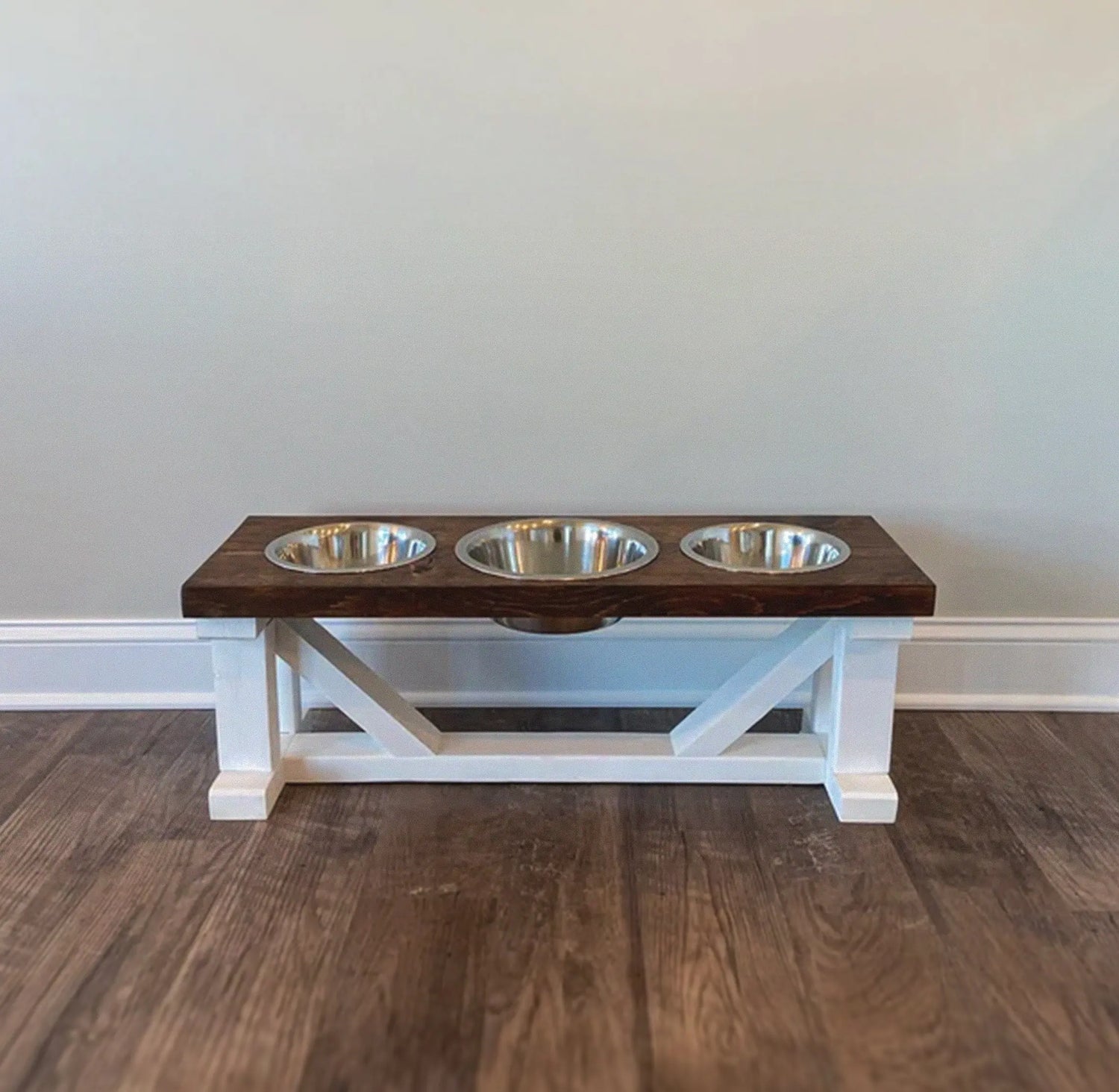


A one of a kind dog feeder is defined as a feeding solution that combines purposeful design, premium materials, and functional features to improve a dog’s health and mealtime experience. Standard plastic bowls placed on the floor address none of the real challenges dogs face: neck strain, fast eating, boredom, and poor posture. The pet wellness industry has shifted toward feeders that treat mealtime as part of a dog’s overall care routine. This article profiles the most creative dog feeding stations available today, explains what separates them from ordinary bowls, and helps you choose the right fit for your dog.
What sets one of a kind dog feeder examples apart from standard bowls?
The defining features of a truly unique dog feeder go well beyond appearance. The best designs address ergonomics, material safety, mental engagement, and adaptability in one product.
Key features that separate standout feeders from ordinary bowls:
-
Elevated height: Elevated feeders benefit large dogs by reducing neck and joint strain. Designs suited for dogs 23.5 to 29.5 inches tall at the shoulder support healthier posture during every meal.
-
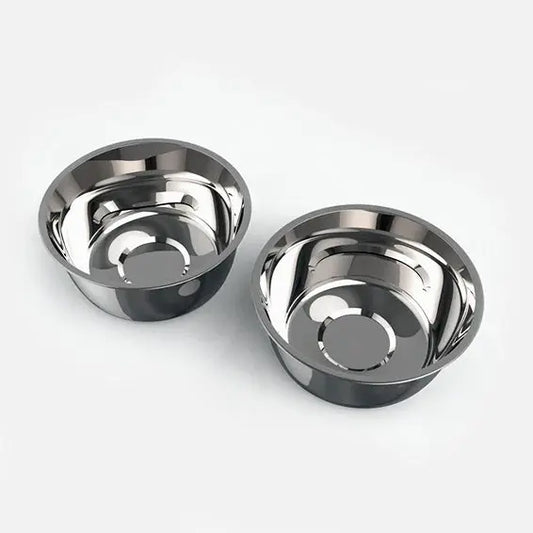
Non-toxic materials: Stainless steel, BPA-free silicone, and ceramic are the preferred choices. Non-porous surfaces prevent bacterial growth and suit dogs on raw food diets.
-
Interactive components: Puzzle inserts, maze channels, and lick mat surfaces slow eating and provide mental stimulation. These features turn a routine meal into an engaging activity.
-
Multi-functionality: The best feeders combine storage, adjustable height, and IoT scheduling in one unit. A feeder that grows with your dog saves money and reduces waste over time.
-
Adjustability: Modular height stands and interchangeable puzzle inserts accommodate puppies, adult dogs, and seniors without requiring a new purchase.
Pro Tip: Measure your dog’s shoulder height before buying an elevated feeder. The bowl rim should sit roughly at chest level to promote a natural, comfortable eating posture.
The most forward-thinking feeders treat adaptability as a core design requirement, not an optional upgrade. A feeder that works for your dog at age two should still work at age ten.
1. Elevated feeding stations with built-in storage
An elevated feeding station with a built-in cabinet is one of the most practical creative dog feeding station designs available. Storage capacities up to 37 liters hide food bags, treats, and accessories inside the base, keeping your feeding area clean and organized. The raised bowl height reduces the distance your dog must lower its head, which directly benefits posture and digestion. These stations often come in wood finishes that match home furniture, making them a natural fit in kitchens and living rooms. For large breed owners, this design is the most complete single-purchase solution available.
2. Ceramic slow feeders with silicone maze inserts
Ceramic slow feeders pair the weight and stability of ceramic with flexible silicone inserts that create a maze your dog must navigate to reach food. Interactive slow feeders extend mealtime by up to 4 times, which reduces the risk of bloat and aids digestion by forcing dogs to eat at a healthier pace. The silicone inserts are removable, making cleaning straightforward. Ceramic resists scratching and does not absorb odors, which keeps the bowl hygienic between washes. This design works especially well for medium and large breeds that eat too quickly.
3. Three-in-one interactive puzzle feeders
Some of the most thoughtful personalized dog feeders combine a puzzle feeder, a lick mat, and a slow bowl into a single spinning unit. Three-layer spinning feeders measuring approximately 300x300x80 mm pack three feeding modes into a compact footprint. Dogs can work through kibble in the puzzle layer, lick wet food or peanut butter from the mat layer, and drink water from the bowl layer. Made from BPA-free materials, these feeders are safe for daily use and dishwasher-friendly. The spinning mechanism adds an extra layer of difficulty that keeps dogs mentally engaged throughout the meal.
4. Smart IoT feeders with scheduling and remote control
Tech-integrated feeders represent the most advanced category of unique feeding solutions for dogs. DIY IoT pet feeders use components like Raspberry Pi boards and stepper motors to dispense precise portions on a set schedule, controlled through a web dashboard. Commercial versions offer smartphone apps, visual pre-feed alerts, and up to four scheduled daily feedings. These feeders suit owners with irregular schedules or multiple dogs requiring different portion sizes. The ability to monitor and adjust feeding remotely gives owners real peace of mind.
5. Adjustable height feeders for growing and senior dogs
A feeder that adjusts as your dog ages is one of the most practical investments you can make. Modular height adjustments and interchangeable puzzle inserts prevent feeder obsolescence by accommodating a dog’s changing physical needs over its lifetime. For senior dogs with arthritis or joint pain, raising the bowl even a few inches reduces the effort required to eat. For puppies, starting at a lower height and raising it as they grow means you never need to replace the stand. This adaptability makes height-adjustable feeders a smart long-term choice for any dog owner.
Pro Tip: For arthritic dogs, check out guidance on elevated feeder benefits to find the ideal bowl height and stand material for your dog’s specific condition.
6. Handcrafted wood and metal elevated feeders
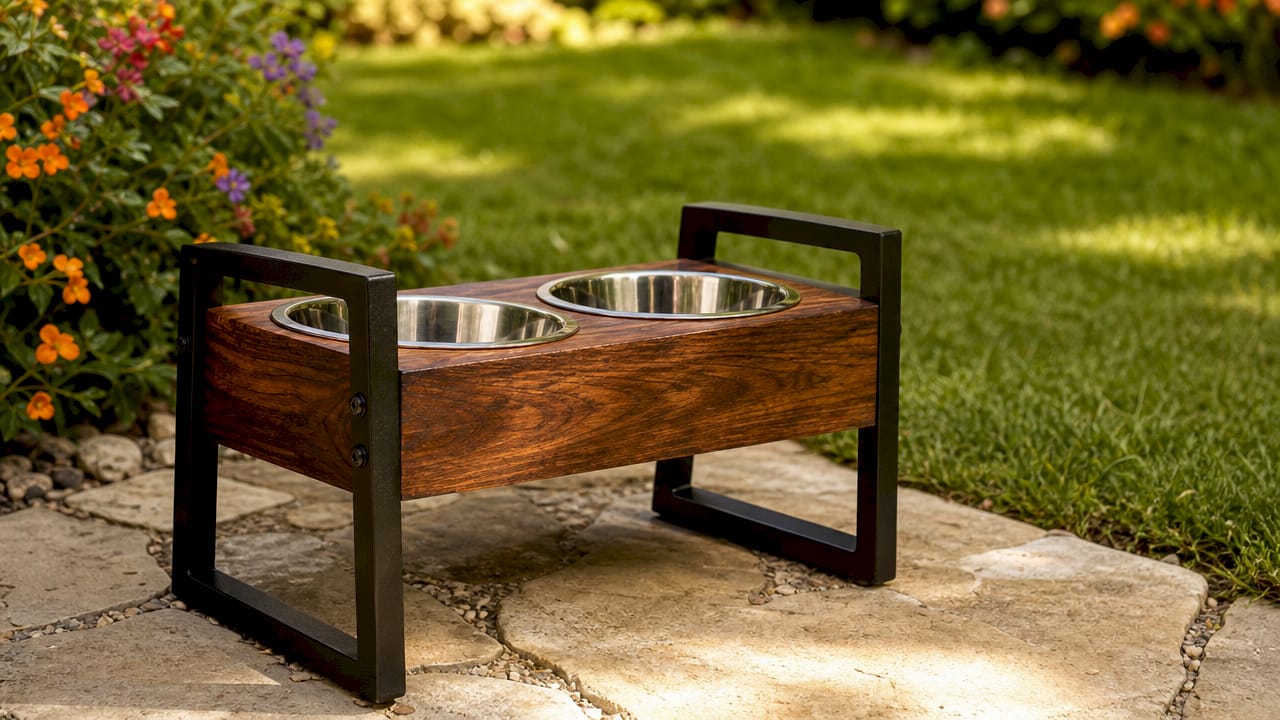
Handcrafted feeders made from natural wood or powder-coated metal bring a level of craftsmanship that mass-produced plastic stands cannot match. Bearwoodessentials specializes in this category, offering raised wooden and metal feeders that combine durability with a clean, modern aesthetic. The stained wood finishes complement home decor, while the metal frames provide stability on hardwood and tile floors. These feeders are built to last years, not months. For dog owners who care about both their pet’s health and their home’s appearance, handcrafted feeders are the clear choice.
7. Puzzle feeders with multiple difficulty levels
Designer Kyung-seo Yoo’s research on puzzle feeder design highlights a critical problem: dogs learn puzzle patterns quickly, and a feeder that was challenging in week one becomes boring by week four. The solution is a feeder with interchangeable inserts at multiple difficulty levels. Entry-level inserts use wide channels that slow eating modestly. Advanced inserts use narrow, overlapping mazes that require sustained problem-solving. Rotating inserts every few weeks maintains the mental challenge and preserves the health benefits of slow feeding. This approach treats the feeder as a long-term wellness tool rather than a one-time purchase.
8. Stability-focused wellness feeders
Stability, durability, and quiet interaction are the three pillars of wellness-focused elevated feeders, according to Funky Flies. A feeder that slides across the floor or rattles during use creates anxiety in sensitive dogs. Rubber-footed bases, weighted frames, and non-slip bowl inserts address this directly. Quiet materials like powder-coated metal and solid wood produce less noise than plastic when dogs eat enthusiastically. For nervous or reactive dogs, a stable, quiet feeder can meaningfully reduce mealtime stress.
How to choose or customize a unique dog feeding station
Choosing the right feeder starts with your dog’s physical measurements and health history. A feeder that looks beautiful but sits at the wrong height creates the same posture problems as a floor bowl.
What to assess before buying:
-
Shoulder height: Measure from the floor to your dog’s shoulder. The bowl rim should sit at or just below chest level.
-
Health conditions: Dogs with arthritis, megaesophagus, or bloat risk each benefit from specific feeder types. Review a functional feeding station checklist to match features to your dog’s needs.
-
Material preference: Stainless steel resists bacteria and suits raw feeders. Ceramic is heavy and stable. Wood frames add warmth but require sealed finishes to stay hygienic.
-
Space and decor: Measure your feeding area before ordering. A large cabinet-style station needs floor space; a simple two-bowl stand fits almost anywhere.
-
Budget: Handcrafted and smart feeders cost more upfront but last significantly longer than entry-level plastic options. DIY builds using open-source IoT designs can reduce cost while adding tech features.
Pro Tip: If you are buying for a puppy, choose a height-adjustable stand from the start. You will save the cost of a second feeder within the first year.
Comparison of unique feeder types by key characteristics
| Feeder type | Best for | Material | Height adjustable | Cleaning ease |
|---|---|---|---|---|
| Elevated station with storage | Large breeds, organized owners | Wood, metal | Sometimes | Moderate |
| Ceramic slow feeder with silicone inserts | Fast eaters, medium to large breeds | Ceramic, silicone | No | Easy |
| Three-in-one interactive puzzle feeder | High-energy, mentally active dogs | BPA-free plastic | No | Easy |
| Smart IoT auto-dispenser | Busy owners, multi-dog households | Plastic, metal | No | Moderate |
| Handcrafted wood or metal elevated feeder | Decor-conscious owners, large breeds | Wood or metal | Some models | Easy |
| Height-adjustable modular feeder | Growing puppies, senior dogs | Mixed | Yes | Moderate |
Each feeder type solves a different problem. Matching the feeder to your dog’s size, behavior, and health needs produces better results than choosing based on appearance alone.
Key takeaways
The most effective dog feeders combine ergonomic design, safe materials, and adaptable features to support a dog’s health across every life stage.
| Point | Details |
|---|---|
| Elevated height reduces strain | Bowl rims at chest level improve posture and digestion for dogs of all sizes. |
| Material choice affects hygiene | Non-porous surfaces like stainless steel and ceramic minimize bacterial growth between cleanings. |
| Slow feeders cut bloat risk | Extending mealtime by up to 4 times reduces the speed-eating behaviors linked to bloat. |
| Adaptability extends feeder life | Adjustable heights and interchangeable puzzle inserts keep feeders useful as dogs age. |
| Design and function belong together | Feeders that match home decor encourage consistent use and reduce owner frustration. |
Why I think most dog owners underestimate their feeder
Most dog owners spend more time choosing a collar than choosing a feeder. That is a mistake. The feeder is the one product your dog interacts with multiple times every single day, for its entire life.
What I have seen repeatedly is that owners buy the cheapest option, watch their dog eat too fast, and then spend money on vet visits for digestive issues that a better feeder would have prevented. A slow feeder or an elevated stand is not a luxury. For a fast-eating large breed, it is a health tool.
The detail that most articles miss is the learning curve problem. Dogs are smart. A puzzle feeder that challenges your dog in week one will bore it by week six. The feeders worth investing in are the ones with interchangeable inserts or multiple difficulty settings. That design thinking, championed by designers like Kyung-seo Yoo, is what separates a genuinely useful feeder from a novelty that collects dust.
My honest recommendation: treat your dog’s feeder the way you treat your own dining setup. Choose materials you trust, a height that fits, and a design that will last. You will spend less over time, and your dog will eat better every day.
— Kim
Bearwoodessentials’ handcrafted feeders for dogs who deserve better
If you are ready to move beyond the standard plastic bowl, Bearwoodessentials builds feeders that hold up to daily use and look good doing it. The handmade metal dog bowl feeder is a standout example: powder-coated metal frame, raised bowl height, and a rustic finish that works in any home. For owners who want a two-bowl setup, the modern metal elevated stand delivers the same craftsmanship with a wider footprint suited to large breeds.
Bearwoodessentials also carries replacement feeder bowls compatible with its stands, so you can refresh your setup without replacing the whole unit. Free U.S. shipping applies to qualifying orders. Every piece is handcrafted, which means no two feeders are exactly alike.
FAQ
What makes a dog feeder truly one of a kind?
A one of a kind dog feeder combines unique materials, purposeful ergonomic design, and features tailored to a specific dog’s size, age, and health needs. Handcrafted construction, adjustable height, and interactive components are the most common differentiators.
Are elevated dog feeders better for large breeds?
Elevated feeders are particularly beneficial for large breeds, supporting dogs 23.5 to 29.5 inches tall at the shoulder by reducing neck strain and promoting healthier digestion during meals.
How do slow feeders reduce bloat risk?
Slow feeders extend mealtime by up to 4 times by forcing dogs to work around maze channels or puzzle inserts, which reduces the rapid air ingestion linked to bloat in fast-eating breeds.
What materials are safest for dog feeders?
Stainless steel and ceramic are the safest choices because their non-porous surfaces resist bacterial growth and do not absorb food odors, making them easier to keep hygienic between washes.
Can one feeder work for both puppies and senior dogs?
Yes, if the feeder has adjustable height and interchangeable components. Modular designs accommodate a dog’s changing physical needs across its entire life, eliminating the need to buy a new feeder at each life stage.