
Elevated feeders reduce joint strain, neck pressure, and mealtime discomfort for arthritic dogs by promoting a neutral spine posture during eating. Veterinarians frequently recommend raised feeding stations for senior dogs and those with arthritis or hip dysplasia. The elevated feeder benefits for arthritic dogs go beyond comfort. Proper ergonomic feeding posture can encourage better meal completion, reduce long-term orthopedic pain, and improve your dog’s overall quality of life. This guide covers everything you need to know, from selecting the right height to avoiding common mistakes.
1. how elevated feeders improve ergonomic feeding posture for arthritic dogs
Ergonomic feeding posture, the term veterinary professionals use for a neutral spine position during meals, is the core reason raised feeders help arthritic dogs. When a dog eats from a bowl on the floor, it bends its neck sharply downward and shifts its body weight forward onto already stressed front joints. That repeated motion adds up over every meal, every day.
Raised feeders reduce orthopedic pain by allowing dogs with arthritis or dysplasia to eat and drink without kneeling or bending excessively. This matters because front-leg joints, including the elbows, wrists, and shoulders, absorb the most pressure during floor-level feeding. Lifting the bowl removes that forced weight shift.
Elevation also keeps the spine in a straighter, more natural line. A dog eating at the correct feeder height holds its head level with its shoulders rather than cranking its neck down at a steep angle. That single change reduces muscle tension across the neck, upper back, and shoulders simultaneously.
-
Neutral spine positioning prevents the neck from bending at painful angles during meals.
-
Reduced front-joint loading means less pressure on elbows and wrists with every bite.
-
Relaxed shoulder muscles allow dogs to eat longer without fatigue or discomfort.
-
Better swallowing mechanics come naturally when the head and throat align properly.
Pro Tip: Watch your dog’s posture during the first few meals with a raised feeder. A relaxed neck and level head are signs the height is correct. If your dog still cranes downward, raise the feeder slightly.
2. choosing the right height and design for arthritic dogs
Getting the height right is the single most important decision when selecting a feeder for an arthritic dog. The wrong height creates new strain instead of relieving existing pain.
How to measure feeder height
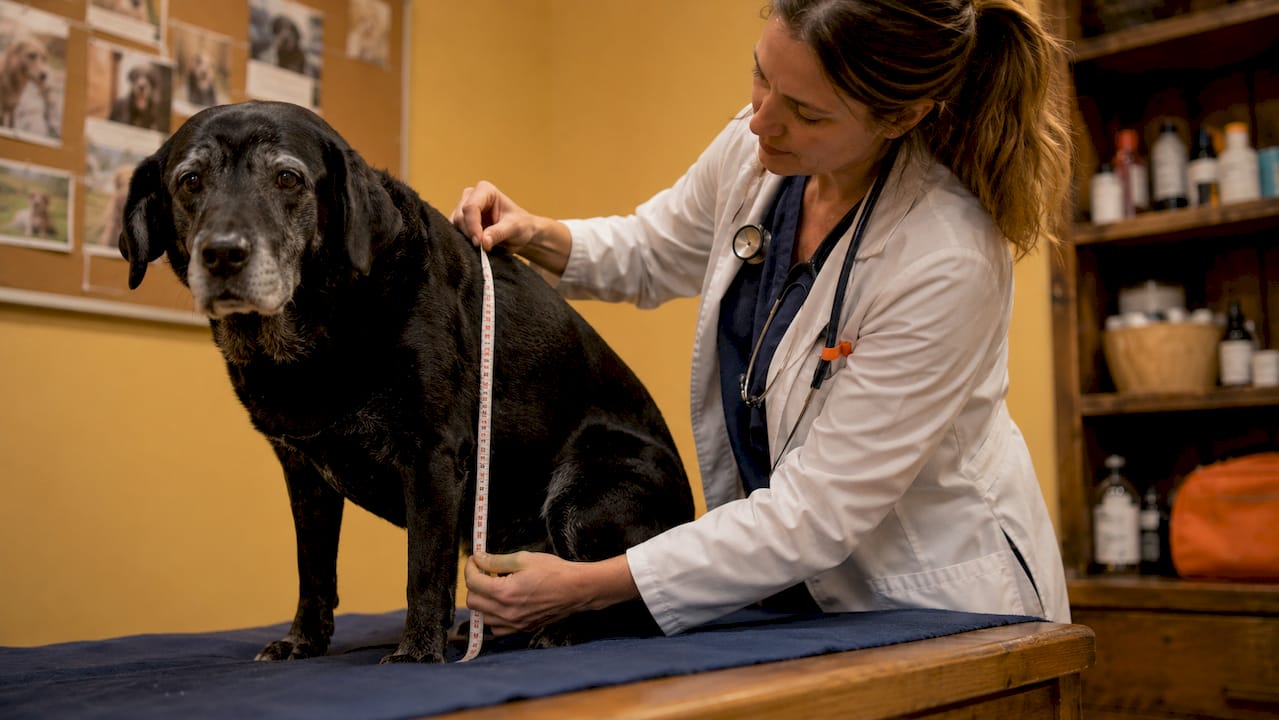
Set the bowl rim 3–6 inches below your dog’s shoulder height, measured at the withers, to maintain a neutral spine. For a dog with a 20-inch shoulder height, that means a bowl rim sitting at roughly 14–17 inches off the ground. This range keeps the neck level without forcing an upward stretch.
Adjustable height feeders are the most practical choice for arthritic dogs because you can fine-tune the position as your dog’s condition changes. A fixed-height feeder that works today may need to be replaced as arthritis progresses.
Bowl shape and material
-
Choose wide, shallow bowls. Wide, shallow bowls reduce neck and jaw strain compared to deep, narrow ones. Your dog does not have to push its snout into a tight basin, which reduces stress on the jaw and neck muscles.
-
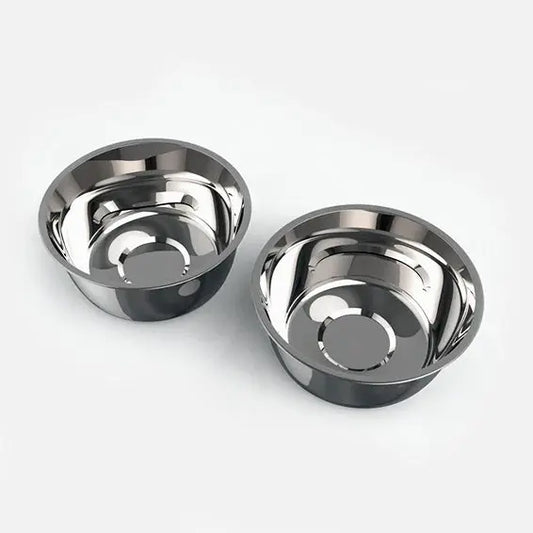
Use stainless steel. Stainless steel bowls are the easiest to clean and the most hygienic. Bacteria accumulate quickly in scratched plastic, which is a real concern for senior dogs with compromised immune systems.
-
Look for non-slip bases. Slippery surfaces increase joint strain during feeding. A feeder that slides or wobbles forces your dog to constantly readjust its stance, adding stress to already painful joints.
-
Consider slow-feeder inserts. Slow-feed inserts reduce gulping, which is linked to bloat risk and digestive discomfort. They are especially useful for dogs that eat quickly despite mobility challenges.
| Feature | Best Choice | Why It Matters |
|---|---|---|
| Bowl shape | Wide and shallow | Reduces neck and jaw strain |
| Material | Stainless steel | Hygienic, easy to clean |
| Base stability | Non-slip rubber feet | Prevents wobbling and joint stress |
| Height | Adjustable | Adapts as arthritis progresses |
| Insert option | Slow-feeder compatible | Reduces gulping and bloat risk |
Pro Tip: If your dog has a long snout, like a Greyhound or Collie, go slightly shallower on the bowl depth. Shorter-snouted breeds like Bulldogs may need a wider, flatter bowl to eat comfortably.
3. top 7 benefits of elevated feeders for arthritic dogs
The advantages of raising your dog’s food bowl go well beyond simple convenience. Here are the seven most meaningful benefits, each backed by veterinary guidance and owner observations.
-
Reduced neck and front-joint strain. Every floor-level meal forces your dog’s neck down and its weight forward. Raising the bowl removes that repeated stress from the neck, shoulders, elbows, and wrists.
-
Improved eating posture and digestion. A level head and relaxed throat allow food to move more naturally through the esophagus. Dogs with arthritis often eat faster and more comfortably when posture improves.
-
Less pain and stiffness during meals. Dogs that previously hesitated or abandoned meals mid-way show more enthusiasm and relaxed posture once their feeding station is properly adjusted. That behavioral shift reflects genuine pain relief.
-
Better feeding area hygiene. Elevated bowls reduce mess and ground contamination during meals. Arthritic dogs are less able to reposition a sliding bowl, so a stable, raised station keeps food where it belongs.
-
Supports weight management in seniors. Senior dogs with arthritis often eat less because meals are painful. When eating becomes more comfortable, they are more likely to finish their food and maintain a healthy weight.
-
Reduced digestive issues. Proper posture during eating supports smoother swallowing and reduces the chance of food coming back up. This is particularly relevant for older dogs with slower digestive systems.
-
Increased meal enthusiasm. Dogs that associate mealtime with pain begin to avoid their bowls. A properly fitted raised feeder breaks that association and restores positive meal behavior.
“Raised feeders reduce orthopedic pain by allowing dogs with arthritis or dysplasia to eat and drink without kneeling or bending excessively.” — Elevated Dog Feeder Stations Pro or Con
You can learn more about signs your dog needs a raised feeder if you are unsure whether your dog is showing discomfort at mealtime.
4. potential drawbacks and special considerations
Elevated feeders are not the right solution for every dog. Knowing the risks helps you make a smarter choice for your specific pet.
-
Too-high feeders cause new strain. A bowl set too high forces your dog to stretch its neck upward, creating tension in the upper spine and throat. Always measure before purchasing.
-
Deep-chested breeds face bloat risk. Deep-chested breeds like Great Danes may face an increased risk of gastric dilatation-volvulus, commonly called bloat, with elevated feeders. Veterinary consultation is strongly advised for these breeds before switching.
-
Cervical or spine conditions may require floor feeding. Some arthritic dogs prefer floor bowls, especially if they have cervical spine conditions where a neutral or slightly downward head position is more comfortable. Individualized assessment is key.
-
Unstable feeders increase anxiety. A wobbling or sliding feeder causes arthritic dogs to tense up and shift their weight repeatedly. Non-slip mats and sturdy frames are not optional accessories. They are necessary for the feeder to work as intended.
-
Gradual adjustment matters. Jumping straight to the ideal height can confuse or stress your dog. Start lower and raise incrementally over several days.
Always consult your veterinarian before switching an arthritic dog to a raised feeder, especially if your dog has a diagnosed spinal condition or belongs to a deep-chested breed. The reasons vets recommend elevated feeders are well documented, but individual health history always takes priority.
5. how to safely transition your arthritic dog to an elevated feeder
Switching feeding setups requires patience. A careful, step-by-step approach gives your dog the best chance of adapting comfortably.
-
Start at elbow height. Begin with the feeder at your dog’s elbow level and adjust incrementally upward to find the neutral spine position. Starting too high is the most common mistake owners make.
-
Place the feeder on a non-slip mat. Non-slip mats prevent feeder sliding and reduce anxiety during feeding. This is especially important on hardwood or tile floors where arthritic dogs already struggle for traction.
-
Observe posture and behavior at each meal. Watch for a relaxed neck, level head, and steady stance. Increased meal enthusiasm and a calmer eating pace are positive signs the height is working.
-
Switch to a wide, shallow bowl. If you are currently using a deep, narrow bowl, replace it at the same time you introduce the raised feeder. The combination of correct height and the right bowl shape delivers the most relief.
-
Consult your vet if you see hesitation or new discomfort. Some dogs need a different height or may not be candidates for elevated feeding at all. A quick vet check rules out contraindications and confirms your setup is safe.
For a more detailed walkthrough, Bearwoodessentials has a practical guide on switching to a raised feeder safely that covers common adjustment challenges.
Key takeaways
Elevated feeders improve mealtime comfort for arthritic dogs by reducing neck strain, supporting neutral spine posture, and encouraging consistent, pain-free eating habits.
| Point | Details |
|---|---|
| Correct height is critical | Set the bowl rim 3–6 inches below your dog’s shoulder height for a neutral spine. |
| Bowl shape affects comfort | Wide, shallow stainless steel bowls reduce neck and jaw strain most effectively. |
| Non-slip setup is non-negotiable | Unstable feeders add joint stress and anxiety, defeating the purpose of elevation. |
| Deep-chested breeds need vet guidance | Breeds like Great Danes face bloat risk with elevated feeders and require individual assessment. |
| Transition gradually | Start at elbow height and adjust upward incrementally while watching for behavioral cues. |
What i’ve learned watching dogs eat at the right height
The first time I saw a senior dog eat from a properly fitted raised feeder, the change was immediate. She had been picking at her food for weeks, stopping mid-meal and walking away. Within two days of switching to a feeder set at the correct height, she was finishing every meal without hesitation. Her neck stayed level. Her stance was relaxed. It was a clear, visible difference.
What surprised me most was how long it took to find the right height. The 3–6 inches below the withers guideline is a solid starting point, but every dog is different. One dog I worked with needed to go slightly lower because of a neck condition. Another needed the bowl raised higher than the standard range before she stopped craning downward.
The lesson I keep coming back to is this: one size does not fit all. A generic feeder from a big-box store may help, but a feeder with adjustable height and the right bowl dimensions makes a real difference. If your arthritic dog is eating less, finishing meals slowly, or showing reluctance at the bowl, the feeding setup is worth examining before assuming the problem is appetite or medication. The fix is often simpler than you think.
— Kim
Find the right elevated feeder for your arthritic dog
If your dog is showing signs of mealtime discomfort, the right feeder can make a genuine difference in their daily comfort and health.
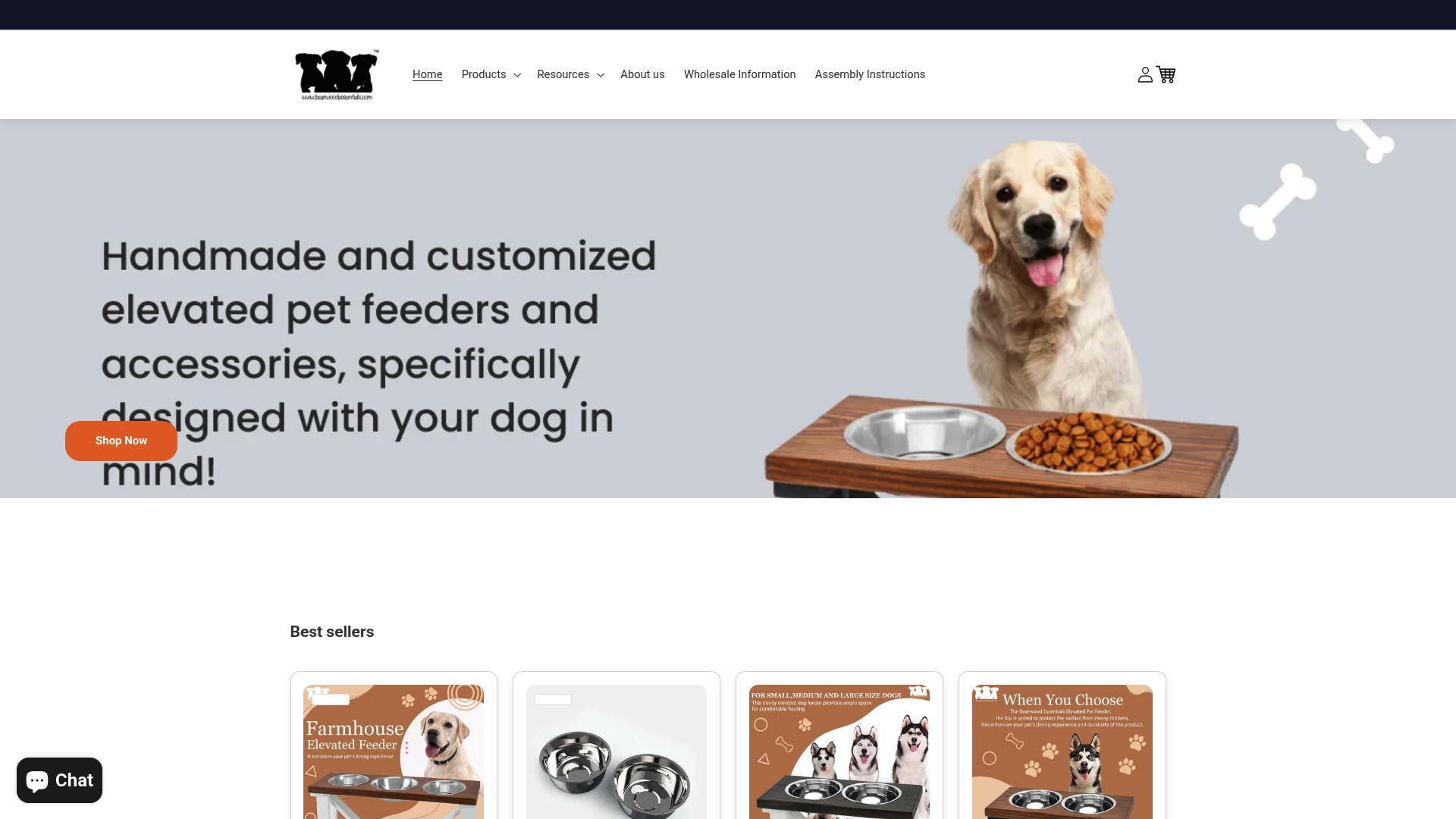
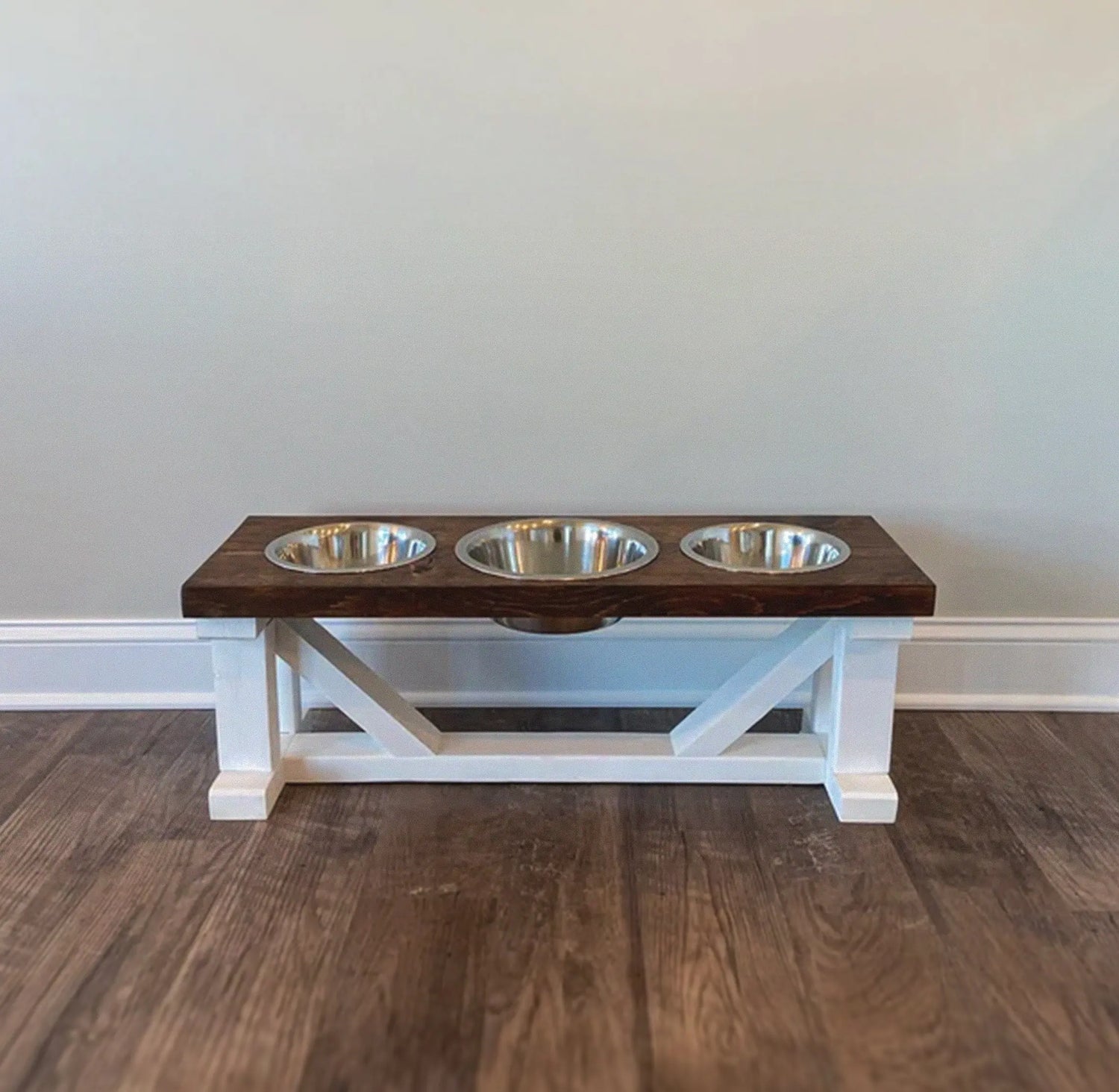
Bearwoodessentials crafts handmade metal and wooden elevated feeders built for dogs that need real ergonomic support. Each feeder is designed with sturdy frames, stable bases, and stainless steel bowl options that are easy to clean and sized for comfort. The handmade metal elevated feeder is a top choice for arthritic dogs, combining durable construction with a functional raised design. For a two-bowl option with a classic wooden frame, the 2 bowl elevated dog stand offers stability and style in one piece. Browse the full collection at Bearwoodessentials and find the fit your dog deserves.
FAQ
What height should an elevated feeder be for an arthritic dog?
Set the bowl rim 3–6 inches below your dog’s shoulder height, measured at the withers. This keeps the spine neutral and reduces neck and joint strain during meals.
Are elevated feeders safe for all arthritic dogs?
Most arthritic dogs benefit from raised feeders, but dogs with cervical spine conditions may do better with floor-level bowls. Deep-chested breeds like Great Danes also require veterinary guidance due to bloat risk.
What bowl material is best for arthritic dogs?
Stainless steel wide, shallow bowls are the best choice. They are easy to clean, hygienic, and reduce the neck and jaw strain that comes with deep, narrow bowls.
How do i know if the elevated feeder is working?
Watch for a relaxed neck posture, a level head during eating, and increased meal enthusiasm. Dogs that previously abandoned meals mid-way often show clear improvement once the feeder height is correctly set.
Can i use a regular bowl inside an elevated feeder stand?
Yes, as long as the bowl is wide and shallow enough to reduce snout strain. Stainless steel replacement feeder bowls designed for elevated stands are the most practical and hygienic option.