

Your dog deserves a feeding setup that works as hard as you do to keep them healthy, and your home deserves better than a plastic bowl shoved in the corner. Most standard feeders are an afterthought — wobbly, unattractive, and completely out of place in a well-designed living space. The good news is that luxury dog bowl and stand sets have evolved into genuinely impressive products that combine furniture-quality craftsmanship with real health benefits. This guide walks you through what to look for, which sets stand out, and how to match the right option to your specific dog and home.
Table of Contents
- What makes a dog bowl and stand set truly luxury?
- Health benefits: Why elevation and quality matter
- Top-rated luxury dog bowl and stand sets
- Comparing premium sets: Choosing by feature and fit
- Situational picks: The right set for your unique dog
- Why settling for ordinary sets is a missed opportunity
- Elevate your dog’s dining experience with Bearwood Essentials
- Frequently asked questions
Key Takeaways
| Point | Details |
|---|---|
| Premium materials matter | Luxury dog bowl sets use high-end materials like walnut and ceramic for hygiene and style. |
| Elevation supports health | Elevated stands can relieve strain and aid digestion, especially for large, senior, or multi-dog households. |
| Top sets elevate décor | Designer feeders turn feeding stations into elegant furniture pieces that match modern homes. |
| Choose features wisely | Consider anti-slip bases, slow-feeder bowls, and adjustability for your dog’s breed and habits. |
| Tailor to your dog | Pick sets with bowl depth and spacing suited for flat-faced breeds, puppies, or multiple dogs for optimal comfort. |
What makes a dog bowl and stand set truly luxury?
With the challenge of balancing style, health, and practicality defined, let’s first understand what separates luxury sets from ordinary ones.
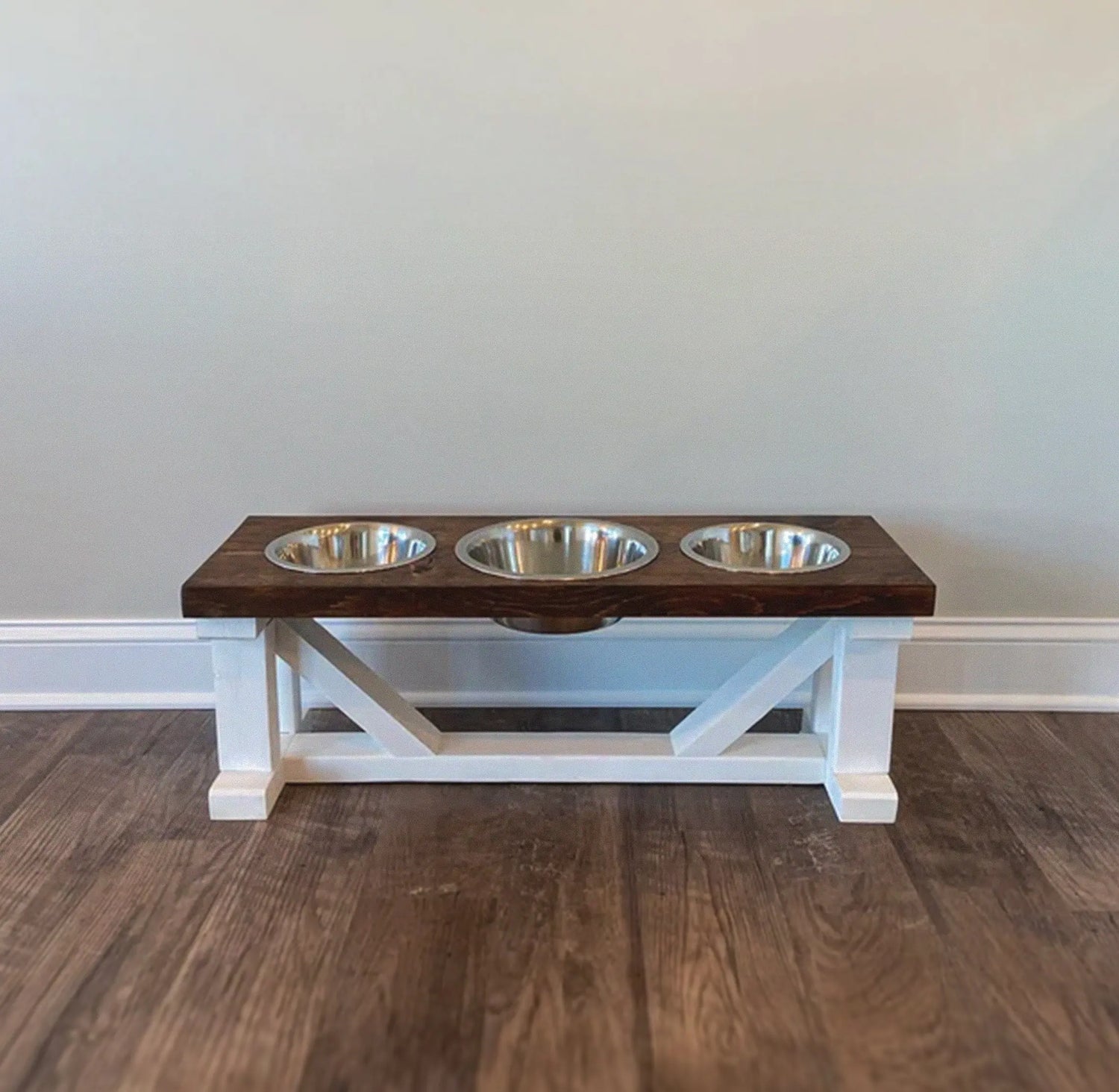
The difference starts with materials. Budget feeders rely on cheap plastic that scratches easily, harbors bacteria, and looks out of place in a modern home. Luxury sets, by contrast, use materials that belong in well-designed interiors. Luxury elevated sets typically feature premium walnut wood, white oak, porcelain or ceramic bowls, and stainless steel, all designed to blend with modern home decor while providing stable, hygienic feeding solutions. These aren’t just aesthetic choices. Each material serves a practical purpose.
Here’s what distinguishes a genuinely premium set:
- Solid hardwood frames (walnut, white oak, or bamboo) that are sealed and finished to furniture standards
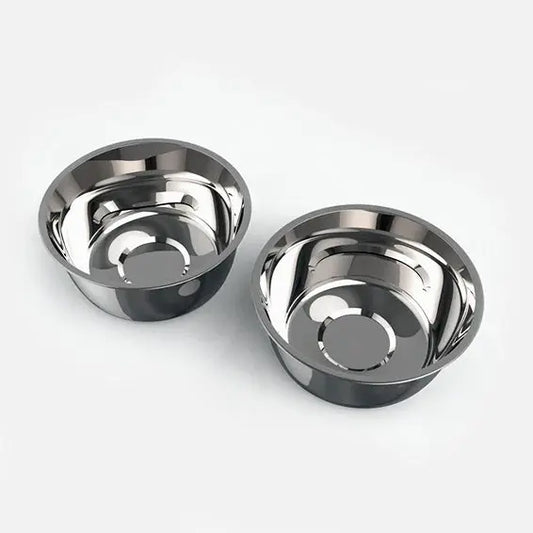
- Non-porous bowl materials such as porcelain, ceramic, or food-grade stainless steel that resist bacteria and odors
- Precision joinery with tight tolerances so the stand doesn’t wobble or creak under an enthusiastic eater
- Minimalist, intentional design that complements rather than clashes with your kitchen or living room
- Consistent finishes with no rough edges, visible hardware, or cheap-looking components
Design matters just as much as material. Minimalist designs using walnut and oak turn feeding stations into furniture pieces that look intentional rather than incidental. The best luxury sets follow the same design principles as high-end furniture: clean lines, natural textures, and proportions that feel balanced in a room.
“A feeding station should look like it belongs in your home, not like it was left there by accident. When the design is right, guests notice the craftsmanship before they notice it’s a pet product.”
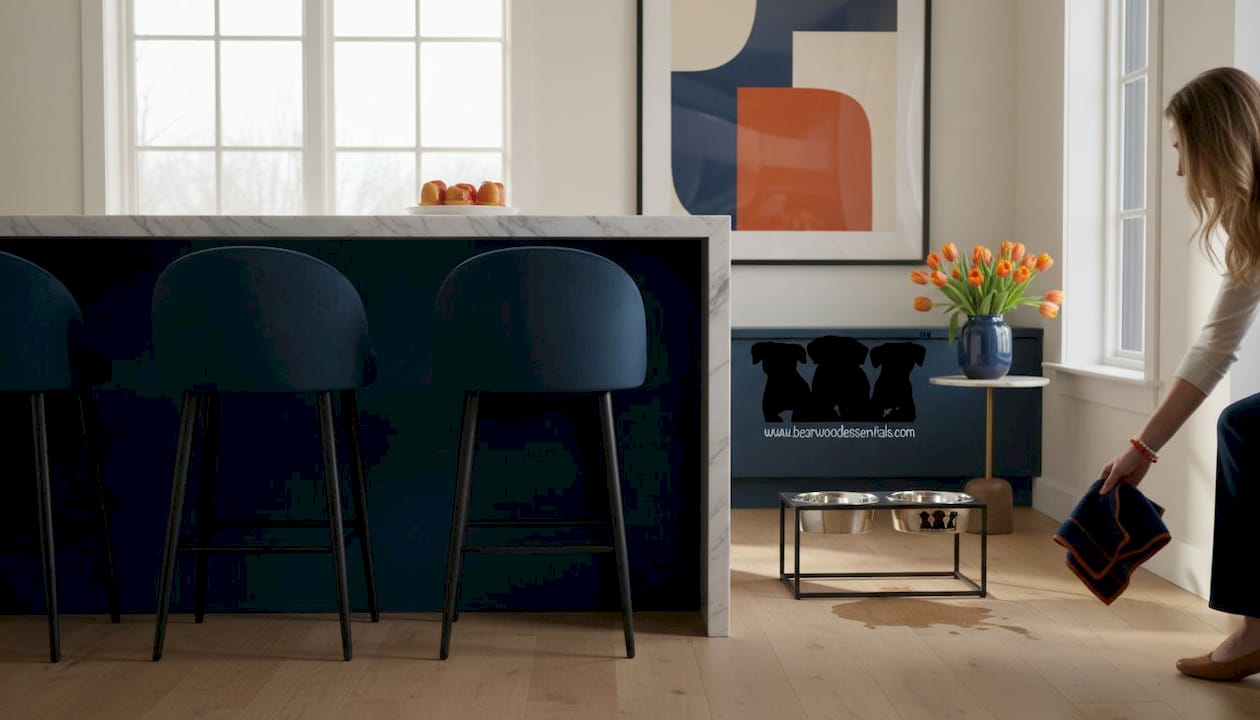
You can explore luxury aesthetic dog feeders that demonstrate exactly this principle, where the feeder becomes part of the room’s visual story rather than an eyesore to hide.
Health benefits: Why elevation and quality matter
Once you know what a luxury set offers in looks and quality, consider the measurable health benefits and any breed-specific cautions.
Elevation is the feature most often discussed, and for good reason. Elevated positioning reduces neck and joint strain and improves posture and digestion for large, senior, or arthritic dogs. When a dog eats from a bowl on the floor, they have to crane their neck downward repeatedly throughout the meal. Over months and years, that posture contributes to muscle fatigue and joint discomfort, particularly in larger breeds.
The benefits of elevation are most pronounced in these situations:
- Large and giant breeds (Labs, Golden Retrievers, German Shepherds) that have a significant distance between their head and the floor
- Senior dogs with arthritis, stiffness, or reduced mobility in the neck and shoulders
- Dogs recovering from surgery or managing orthopedic conditions
- Multi-dog households where elevated stations help define individual feeding spaces
- Growing puppies in adjustable-height sets that adapt as they grow
However, elevation isn’t universally recommended. Deep-chested breeds like Great Danes carry a potential risk of GDV (gastric dilatation-volvulus, commonly called bloat) with elevated feeding, and small or medium healthy dogs may not see significant benefit. Fast eaters in any breed should pair their elevated set with a slow-feeder bowl insert to reduce gulping and gas intake.
Pro Tip: Measure your dog’s shoulder height from the floor before purchasing. The ideal bowl height sits roughly at chest level, which means the bowl rim lands about 2 to 4 inches below the shoulder. This keeps the neck in a neutral, relaxed position during meals.
When you shop elevated dog feeders, look for sets that specify bowl height clearly, and prioritize adjustable options if your dog is still growing or if you have multiple dogs of different sizes. Products designed to improve posture and digestion often include height guidance in their product descriptions to help you make the right call.
Top-rated luxury dog bowl and stand sets
Armed with an understanding of luxury traits and health impacts, explore these leading options to find sets that fit your style and dog’s needs.
The market for premium feeders has grown significantly, and several standout options consistently earn high marks from both design-focused and health-focused pet owners. Top luxury examples include the Pawlette Walnut and Ceramic set, the Bowsers Moderno Double Wood Feeder, MiaCara Desco (porcelain and wood, made in Germany), and Houndsy’s mid-century modern elevated options.
| Brand/Model | Material | Price Range | Best For |
|---|---|---|---|
| Pawlette Walnut/Ceramic | Walnut wood, ceramic | Mid-high | Modern decor, medium dogs |
| Bowsers Moderno | Wood, ceramic | $100+ | Dual-bowl households |
| MiaCara Desco | Porcelain, oak | Premium | Design-forward homes |
| Houndsy | Mid-century wood | Mid-range | Style-conscious owners |
| Bearwood Essentials | Solid wood, steel | Artisan | Custom, handcrafted needs |
What sets artisan options apart from mass-produced alternatives is the attention to detail in construction. An elevated wood and stainless set built by hand uses joinery techniques that hold up under daily use for years, while factory-made versions often rely on glue and staples that loosen over time.
Key features to look for in any top-rated set:
- Dual bowl capacity for water and food in one stable station
- Removable, dishwasher-safe bowls for effortless daily cleaning
- Natural wood tones that work with neutral, Scandinavian, or mid-century modern interiors
- Rubber or silicone feet to prevent sliding on hardwood or tile floors
Comparing premium sets: Choosing by feature and fit
With standout models in mind, compare key features directly to choose the set that best fits your pet and home.
Not every luxury set is right for every dog or every home. The comparison below focuses on the practical details that matter most in daily use.
| Feature | Pawlette | Bowsers Moderno | MiaCara Desco | Bearwood Essentials |
|---|---|---|---|---|
| Anti-slip feet | Yes | Yes | Yes | Yes |
| Dishwasher-safe bowls | Yes (ceramic) | Yes (ceramic) | Yes (porcelain) | Yes (stainless/ceramic) |
| Adjustable height | No | No | No | Select models |
| Slow-feeder option | No | No | No | Available |
| Mortise-and-tenon joinery | No | No | No | Yes |
| Custom sizing | No | No | No | Yes |
Anti-slip feet, dishwasher-safe bowls, and mortise-and-tenon joinery are the construction details that define premium quality over budget alternatives. Mortise-and-tenon is a traditional woodworking joint where one piece fits into a cavity cut in another, creating a mechanical lock that doesn’t rely on adhesive alone. It’s the same technique used in fine furniture, and it dramatically extends the lifespan of a wooden feeder.
Stability, dishwasher safety, and material durability consistently define premium quality over budget options in independent reviews. A feeder that tips when your dog nudges it enthusiastically is not just annoying; it creates a stressful mealtime experience that can affect your dog’s eating habits over time.
Pro Tip: If you have a larger or more energetic dog, prioritize a metal stand with stability features over a lighter wood-only option. Metal bases offer a lower center of gravity and greater resistance to lateral movement. For a beautiful combination of both, a stability-tested wood stand with reinforced joinery gives you the warmth of natural wood without sacrificing durability.
Situational picks: The right set for your unique dog
If your dog has special needs or your home has multiple pets, tailor your selection with these expert tips.
Not all dogs eat the same way, and the best feeder for a Great Dane is very different from the best feeder for a French Bulldog or a household with three dogs. Flat-faced breeds need shallow bowls, multi-dog homes require spaced bowls to avoid guarding behavior, and growing puppies benefit from adjustable heights ranging from 3.2 to 12.2 inches.
Here’s how to match your situation to the right set:
- Flat-faced breeds (Bulldogs, Pugs, Shih Tzus): Choose wide, shallow bowls that let them eat without pushing their face into a deep cavity. Elevated height is less critical here; bowl shape is the priority.
- Large breeds (Labs, Retrievers, Shepherds): Elevation is highly beneficial. Look for stands that position the bowl at chest height and use heavy-gauge materials that won’t tip.
- Senior dogs: Prioritize comfort and stability. An adjustable or fixed-height stand at the correct level reduces daily strain during what may be their longest activity of the day.
- Growing puppies: An adjustable-height feeder is the smartest investment here. You won’t need to replace it as they grow.
- Multi-dog households: Space matters. A triple feeder for multi-dog homes keeps feeding zones clearly defined and reduces the tension that comes from dogs eating too close together.
“Food guarding is one of the most common mealtime issues in multi-dog homes, and it often starts with bowls placed too close together. Physical separation at feeding time is one of the simplest and most effective ways to reduce that stress.”
If your dog’s needs change, or if you switch from ceramic to stainless for easier cleaning, you don’t necessarily need a new stand. Replacement bowls designed to fit existing stands are a practical and cost-effective solution. For dogs with specialty needs or unique sizing requirements, a metal feeder for specialty needs offers the durability and customization that standard sets can’t match.
Why settling for ordinary sets is a missed opportunity
Finally, let’s challenge the status quo and see why premium sets aren’t just a luxury — they’re a quality-of-life upgrade for you and your dog.
The most common objection to investing in a luxury feeder is cost. It’s a fair concern, but it misses the full picture. A cheap plastic feeder that cracks, stains, or harbors bacteria after six months isn’t actually saving you money. A well-built hardwood and ceramic set, maintained properly, can last the entire life of your dog. When you calculate cost per year of use, premium often wins.
There’s also the hygiene argument. Scratched plastic is notoriously difficult to fully sanitize. Bacteria settle into micro-abrasions that a dishwasher can’t always reach. Non-porous materials like porcelain and stainless steel don’t have this problem. Every meal your dog eats from a clean, bacteria-resistant bowl is a small but real contribution to their long-term health.
The design argument is equally undervalued. Your home is a reflection of how you live, and the spaces you share with your pets are part of that. A feeding station that looks intentional and well-made signals care and attention. It also removes the low-grade visual friction of an ugly bowl in an otherwise beautiful kitchen.
The misconception that elevated feeders are only for “serious” dog owners or large breeds is worth addressing directly. The benefits of premium elevating feeders extend to any dog whose owner values a cleaner feeding area, reduced floor mess, and a more comfortable mealtime posture. You don’t need a Great Dane to justify a quality feeder. You just need to care about your dog’s daily experience.
Elevate your dog’s dining experience with Bearwood Essentials
Now that you’re ready to upgrade your feeding station, here’s where you can find thoughtfully designed luxury sets for every need.
At Bearwood Essentials, every feeder is handcrafted with the same care you bring to choosing what goes in your dog’s bowl. Whether you’re drawn to the warmth of natural wood or the clean lines of metal, there’s a set designed for your home and your dog’s specific needs.
Explore the metal luxury dog bowl feeder for a sleek, industrial-modern look, or choose a wooden luxury dog bowl stand for warmth and natural character. Every product ships free across the U.S. on qualifying orders. When you’re ready to see the full range of handcrafted options, shop all luxury feeders and find the set that fits your dog and your home perfectly.
Frequently asked questions
Are elevated dog bowls really better for my pet’s health?
Elevated bowls reduce neck and joint strain and improve posture and digestion, especially for large or senior dogs, though deep-chested breeds should consult a vet before switching.
Which materials are most hygienic for dog bowls?
Porcelain, ceramic, and stainless steel are the most hygienic choices because they’re non-porous and easy to sanitize. Premium luxury sets consistently feature these materials for exactly that reason.
Can I use luxury sets for flat-faced or small breed dogs?
Yes, but bowl shape matters more than height for flat-faced breeds. Flat-faced breeds need shallow bowls to eat comfortably, so prioritize wide, low-profile designs over deep bowls.
Are slow feeder bowls worth the investment?
Absolutely, especially for fast eaters. Slow feeders extend eating time from under a minute to 5 to 7 minutes, which meaningfully reduces bloat risk and improves digestion.
How do I measure the right height for an elevated bowl?
Measure your dog’s shoulder height from the floor and subtract 2 to 4 inches. Chest-level bowl height is the standard recommendation from vets, particularly for dogs managing mobility issues.