
Many dog owners invest in beautiful, well-crafted feeders believing a single product will keep their dog safe from digestive problems. It’s a natural assumption. You see a stylish raised bowl, read about the benefits, and feel confident your dog is protected. But the relationship between feeding equipment and your dog’s health is more layered than most product descriptions let on. Slow feeding is a genuine, veterinarian-recommended strategy for reducing serious health risks, and understanding exactly what it does and does not do will help you make smarter choices for your pet.
Table of Contents
- Why slow feeding matters for your dog’s health
- How slow feeding works: Mechanisms and solutions
- Slow feeding and GDV: Risk reduction, not full prevention
- Choosing ergonomic and stylish slow feeders for your dog
- The truth most brands won’t tell you about slow feeding
- Discover ergonomic and stylish feeders for better dog health
- Frequently asked questions
Key Takeaways
| Point | Details |
|---|---|
| Slow feeding reduces health risks | Eating slowly lowers the chance of digestive problems and bloat, especially in large breeds. |
| No single feeder prevents GDV | Risk reduction methods like slow feeding help, but owners must also manage exercise, stress, and consult vets. |
| Mechanics matter | The best slow feeders use ridges, mazes, and portioning to restrict fast eating. |
| Ergonomic and stylish choices exist | You can choose feeders that enhance safety and comfort without sacrificing style. |
| Holistic approach is best | Combining feeder choice, meal routine, and veterinary advice yields the most benefits for your dog’s health. |
Why slow feeding matters for your dog’s health
Fast eating is far more dangerous for dogs than most people realize. When a dog bolts down food in seconds, they swallow large amounts of air along with their kibble. That trapped air, combined with a stomach full of unprocessed food, creates pressure that can trigger gastric dilation-volvulus, commonly called GDV or bloat. This condition is life-threatening and can escalate within hours.
“GDV is one of the most serious emergencies in veterinary medicine. A dog’s stomach can twist on itself, cutting off blood supply. Without immediate treatment, it is fatal.”
The GDV risk factors include rapid food consumption and air swallowing, though it’s important to understand that slowing your dog’s eating reduces these risk factors without fully eliminating the threat. The Merck Veterinary Manual is clear on this point: slow feeding is a risk reduction tool, not a guarantee.
Certain dogs carry higher baseline risk. Deep-chested, large, and giant breeds like Great Danes, German Shepherds, Weimaraners, and Standard Poodles are particularly vulnerable. For these dogs, veterinary guidance recommends slow feeding approaches as a key part of a broader prevention strategy. Puzzle feeders, maze-style bowls, and other physical barriers that force dogs to work for their food are among the most commonly suggested tools.
Key health risks linked to fast eating:
- Gastric dilation-volvulus (GDV) from air swallowing and rapid intake
- Chronic bloating and gas discomfort
- Regurgitation and vomiting shortly after meals
- Poor nutrient absorption due to inadequate chewing
- Increased stress on the esophagus and stomach lining
It is also worth noting that feeding senior dogs presents its own set of challenges. Older dogs with reduced mobility or dental sensitivity may benefit from ergonomic feeders that reduce neck strain while also incorporating slow-feeding features. You can explore more about this in the senior dog feeding resources available on our blog.
Understanding these risks is the foundation. Choosing the right slow-feeder bowls and raised bowl options becomes much easier when you know what you’re actually trying to accomplish. And to build a more complete picture, vet tips for dog nutrition offer useful complementary guidance on what goes into the bowl, not just how fast it disappears.
How slow feeding works: Mechanisms and solutions
Slow feeding is not magic. It works through specific physical and environmental mechanisms that interrupt your dog’s natural impulse to eat as fast as possible. When you understand these mechanisms, you can choose the most effective tools.
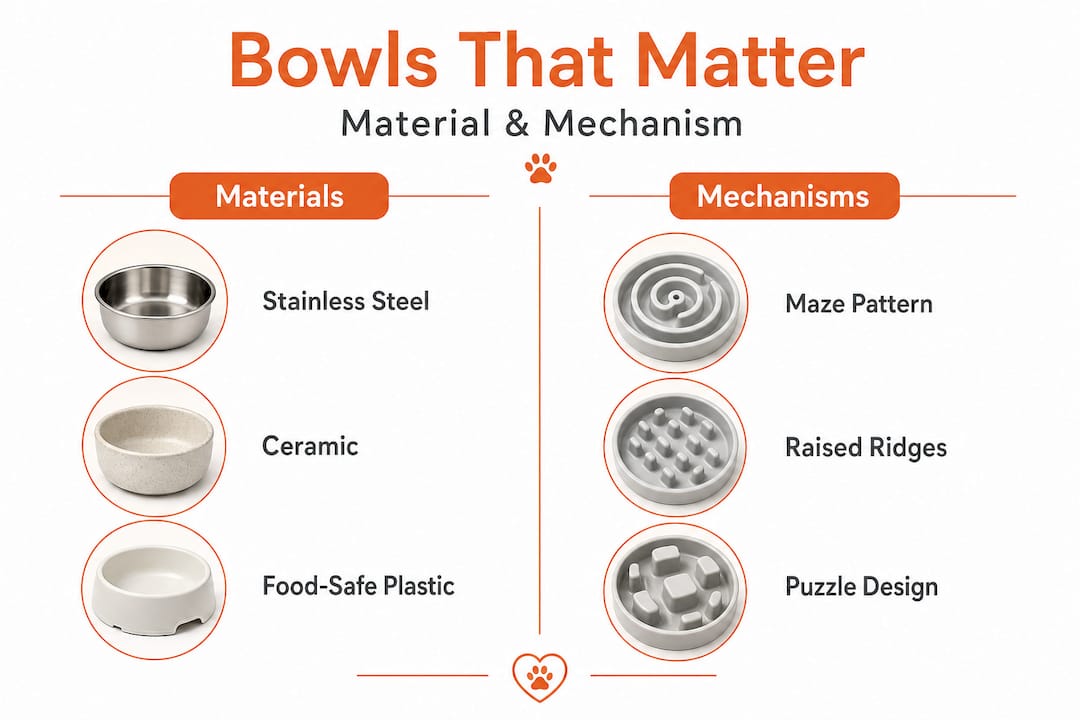
The three main slow feeding mechanisms are:
-
Physical food access barriers. Ridges, maze patterns, and divots built into feeder bowls force your dog to navigate around obstacles to reach food. This slows bite size, encourages chewing, and reduces the amount of air swallowed per mouthful. According to veterinary feeding research, these physical barriers are among the most reliable methods for reducing gulping behavior.
-
Meal splitting and portion scheduling. Instead of one large meal, splitting daily food intake into two or three smaller feedings reduces the total volume consumed at once. A smaller portion means less distension and lower pressure in the stomach, which reduces GDV triggers directly.
-
Environment management. Competitive feeding situations, where multiple dogs eat from nearby bowls, are a significant trigger for gulping. A calm, low-stimulation feeding environment helps dogs slow down naturally. Separate feeding spaces for multi-dog households are a simple but powerful adjustment.
| Slow feeding method | How it works | Best for |
|---|---|---|
| Maze/ridge bowl | Physical barriers slow each bite | All breeds, especially fast eaters |
| Puzzle feeder | Mental engagement slows intake | Active, intelligent breeds |
| Meal splitting | Smaller volumes reduce stomach load | Large and deep-chested breeds |
| Separate feeding spaces | Removes competition pressure | Multi-dog households |
| Raised ergonomic bowl | Reduces neck strain, improves posture | Senior dogs, large breeds |
Pro Tip: If your dog is a deep-chested breed, combining a puzzle feeder design with twice-daily meal splits is one of the most vet-recommended approaches for reducing GDV risk. It addresses both eating speed and meal volume at the same time.
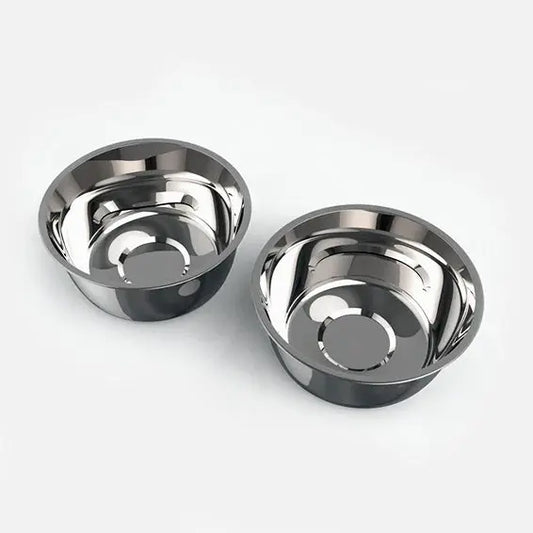
The materials your feeder is made from also matter more than people expect. Stainless steel and food-safe metal bowl options are durable, easy to sanitize, and less likely to develop bacteria-harboring scratches compared to lower-quality plastics. Material safety is a practical concern that intersects directly with your dog’s digestive health. For a broader view of how right nutrition tips connect feeding methods to overall wellness, that resource provides a helpful perspective.
Slow feeding and GDV: Risk reduction, not full prevention
Here is something the packaging on most feeders does not tell you: no single bowl, feeder, or feeding method can fully prevent GDV. This is not a criticism of quality feeders. It is just the honest science. GDV has multiple contributing factors, and slow feeding addresses only some of them.
The Merck Veterinary Manual is explicit: GDV risk reduction requires attention to exercise timing, stress levels, meal frequency, and feeding setup together. Veterinarians working with high-risk breeds may even discuss prophylactic gastropexy, a surgical procedure that tacks the stomach to prevent rotation, as an additional protective measure.
A complete GDV risk reduction checklist:
- Feed two to three smaller meals per day instead of one large meal
- Wait at least one hour after meals before exercise
- Avoid vigorous exercise for one hour before meals as well
- Use a slow feeder or puzzle bowl to reduce gulping
- Minimize feeding stress by separating dogs during mealtimes
- Keep mealtimes calm and consistent
- Discuss your dog’s individual risk level with your veterinarian
- Consider prophylactic gastropexy for very high-risk breeds
| Risk factor | Risk level impact | Action to take |
|---|---|---|
| Once-daily large meals | High | Split into 2 to 3 meals |
| Rapid food consumption | High | Use slow feeder or puzzle bowl |
| Exercise immediately after meals | High | Wait at least 60 minutes |
| Stressful feeding environment | Moderate | Feed in separate, calm spaces |
| Deep-chested breed genetics | High (fixed) | Discuss gastropexy with vet |
| Elevated bowls (for high-risk dogs) | Moderate | Consult vet before use |
Pro Tip: Never rely on any single feeding product as total protection. Slow feeders are genuinely valuable, but they work best as part of a consistent, multi-factor routine. Pair your multi-bowl feeding setup with scheduled meal times, post-meal rest periods, and regular vet checkups for the most complete approach.
This is also important context when considering feeding risks in seniors. Older dogs may have slower digestion and reduced physical resilience, making consistent slow feeding habits even more critical as they age. The step-by-step approach in this feeding guide walks through how to structure a full feeding routine with these variables in mind.
Choosing ergonomic and stylish slow feeders for your dog
Knowing the science is one thing. Choosing the right feeder for your specific dog is another. The good news is that ergonomic design and slow feeding functionality are not mutually exclusive. Modern feeders can look stunning in your home while actively supporting your dog’s digestive health.
Features to look for in a slow feeder:
- Maze patterns or ridges that create genuine physical barriers, not just shallow decorative grooves
- Non-slip bases to prevent the bowl from sliding during feeding, which reduces frustration and mess
- Appropriate bowl depth matched to your dog’s muzzle length and breed shape
- Adjustable height options for dogs with neck or joint issues
- Food-safe materials including stainless steel, food-grade silicone, or sealed natural wood
- Easy-clean design with no deep crevices that trap bacteria
Ergonomic feeder designs that incorporate physical food barriers are the gold standard for veterinary recommendations on slowing intake. When you combine that with an elevated stand at the right height, you reduce neck strain at the same time, which is particularly meaningful for senior dogs and large breeds.
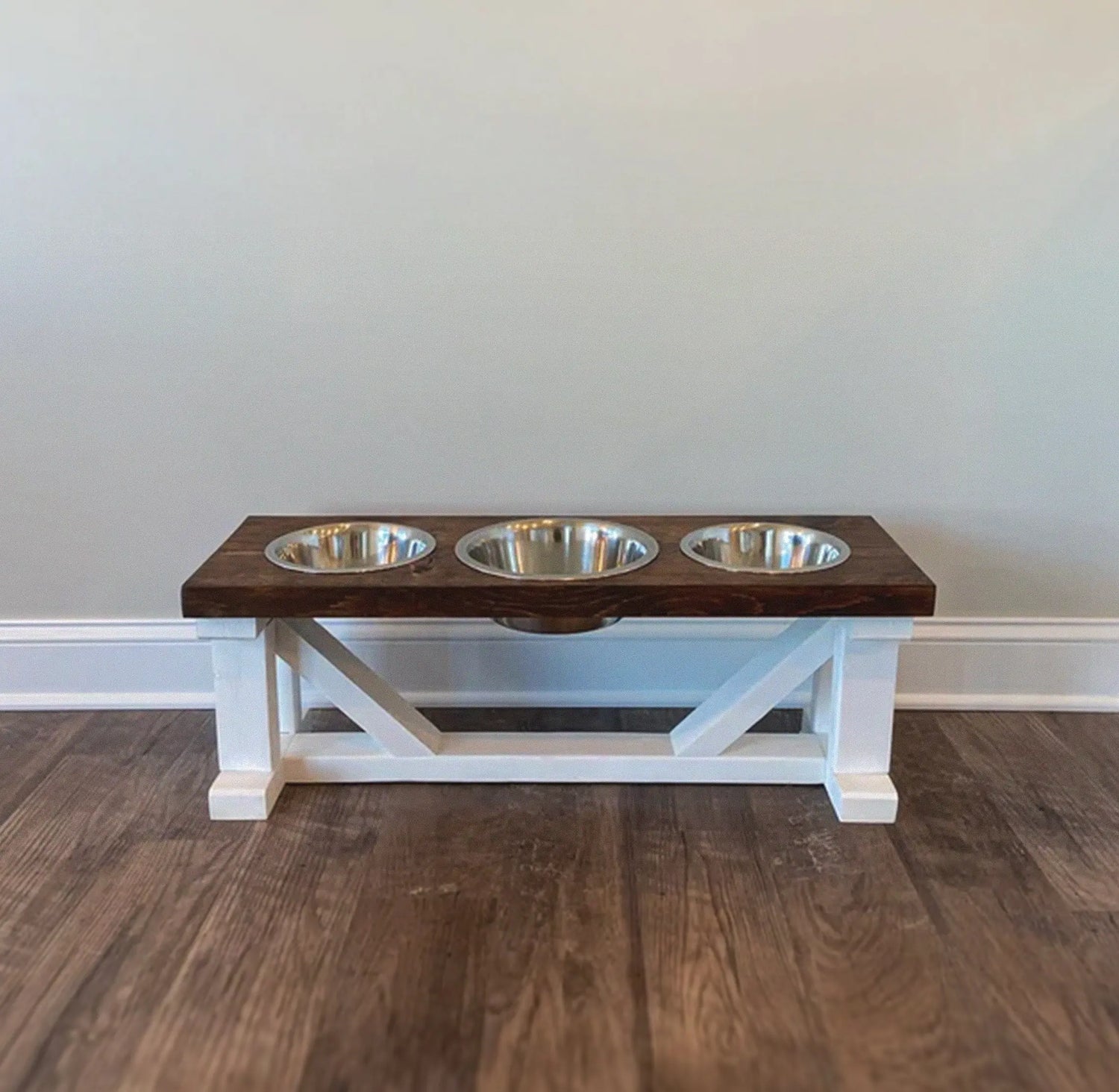
Style is a real consideration, too. Your dog’s feeding station is part of your home. Rustic wooden stands with metal bowl inserts, for example, offer a warm aesthetic that fits naturally into modern or farmhouse-style interiors. Handcrafted metal feeder designs bring durability and a clean, contemporary look. Single elevated feeders work well for single-dog households where you want something visually simple but functionally effective.
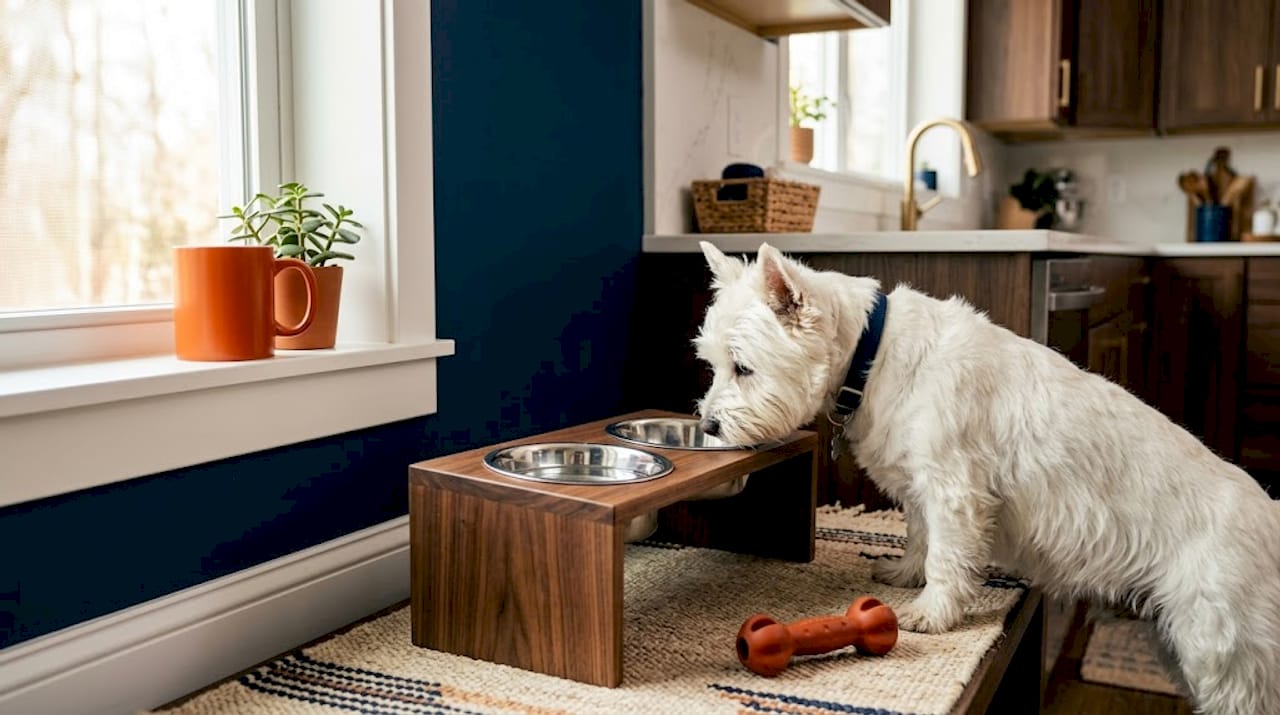
Pro Tip: Match feeder design to your dog’s breed and age. A young, high-energy Labrador needs a sturdy, deep-maze bowl with a secure base. An aging Greyhound needs a gentler maze at an elevated height to minimize neck extension. One size does not fit every dog.
The broader category of tips for well-being reinforces this idea: small, consistent adjustments to feeding setup, material quality, and routine structure accumulate into meaningful health outcomes over your dog’s lifetime.
The truth most brands won’t tell you about slow feeding
Most product marketing around slow feeding implies something close to prevention. “Reduce bloat.” “Stop gulping.” “Protect your dog.” These claims are not wrong, but they stop short of the full picture, and that omission matters.
The honest truth, backed by veterinary medicine, is that slow feeding reduces risk factors, but GDV has multiple contributing causes. No bowl prevents it entirely. Brands that imply otherwise are oversimplifying because simplicity sells. But oversimplification can create a false sense of security that leaves dog owners underprepared.
What actually works is a living system, not a one-time purchase. Your dog’s feeding needs change as they age, gain or lose weight, develop health conditions, or move through different life stages. A slow feeder that was perfect at age three may need adjustment at age nine. A feeding routine that worked for one dog in your household may be completely wrong for a second dog with different breed traits.
We’ve seen this pattern clearly: the owners whose dogs stay healthiest are not necessarily the ones who bought the most expensive feeder. They’re the ones who stayed curious, consulted their vets regularly, and adapted their approach over time. The right feeder is part of that. But it’s one part of complete feeding strategies that also include meal timing, portion sizing, environment, exercise management, and routine veterinary care.
The bowl matters. The habits matter more.
Discover ergonomic and stylish feeders for better dog health
Putting all of this into practice starts with choosing feeders that are built to actually support your dog’s health, not just look good on Instagram.
At Bearwood Essentials, we design handcrafted feeders that bring together slow feeding functionality, ergonomic comfort, and genuine style. Whether you’re looking for metal dog feeders with durable, food-safe construction, or wooden elevated dog feeders that reduce neck strain while supporting better mealtime habits, every product is built with your dog’s well-being in mind. Our feeders suit a range of breeds, ages, and home styles, so you can find the right fit without compromising on quality. Browse our full collection and take the next step toward a healthier, more comfortable feeding routine for your dog.
Frequently asked questions
How does slow feeding specifically help prevent bloat in dogs?
Slow feeding reduces key risk factors for bloat, including gulping and air swallowing, but cannot fully prevent GDV because the condition has multiple contributing causes beyond eating speed alone.
What types of dogs benefit most from slow feeding methods?
Large, deep-chested, and giant breeds carry the highest GDV risk, and veterinary guidance specifically recommends puzzle feeders and slow feeding approaches for these breeds as a primary risk reduction strategy.
Are elevated feeders safe for dogs concerned about bloat?
Elevated feeders work well ergonomically for many dogs, but the Merck Veterinary Manual notes that elevated bowls may increase GDV risk in high-risk breeds, so consulting your veterinarian before use is strongly recommended.
Is slow feeding alone enough to keep my dog safe from bloat?
No. Multi-factor GDV risk reduction requires attention to exercise timing, meal frequency, stress management, and feeding setup, with some high-risk dogs also needing veterinary discussion of prophylactic gastropexy.
Can stylish dog feeders be both ergonomic and effective at slow feeding?
Yes, many modern feeders successfully combine maze or ridge-style slow feeding features with ergonomic height adjustability and attractive designs, giving both pets and owners what they need from a single well-built product.