
Most pet owners assume personalized pet products are just items with a name stitched on them. That assumption undersells an entire category that now spans tailored nutrition, handcrafted accessories, AI-generated art, and memorial keepsakes. So what is a personalized pet product, exactly? It is any item specifically designed, formulated, or created to reflect your individual pet’s traits, needs, or your emotional connection to them. This guide breaks down every major type, the real benefits behind them, how the creation process actually works, and how to choose the right ones for your pet and your life.
Table of Contents
- Key takeaways
- What is a personalized pet product, really?
- Why personalized pet products actually benefit your pet
- How personalization actually works: options compared
- How to choose the right personalized pet products
- My honest take on personalized pet products
- Handcrafted personalized pet products from Bearwoodessentials
- FAQ
Key takeaways
| Point | Details |
|---|---|
| Personalization goes beyond names | Custom pet products span nutrition, accessories, keepsakes, and AI-driven tools tailored to individual pet needs. |
| Real health benefits exist | Tailored diets address breed-specific needs, allergies, and chronic conditions like diabetes or kidney disease. |
| Emotional value is measurable | Personalized pet gifts serve as daily sentimental reminders that deepen the bond between owners and pets. |
| Production takes real time | Bespoke handcrafted items typically require 4 to 15 days of production before they ship. |
| Image quality matters most | Clear, high-resolution photos are the single biggest factor in the accuracy of photo-based personalized items. |
What is a personalized pet product, really?
The term covers far more ground than most people expect. At its core, a personalized pet product is built around specific information about your pet or your relationship with them. That information might be a name, a photo, a breed, a medical profile, or even behavioral data collected from a wearable tracker. The result is something that no generic store shelf can replicate.
Here is a breakdown of the main categories you will encounter:
- Personalized pet food: Tailored diets address life stages and specific medical needs like diabetes or kidney disease. Formulations are built around your pet’s breed, age, weight, activity level, and allergy history.
- Custom accessories: Engraved collars, monogrammed leashes, breed-specific apparel, and customized bowls all fall here. These are the most visible category and range from mass-produced print-on-demand items to fully handcrafted pieces.
- Keepsakes and memorial items: Custom pet bobbleheads are hand-sculpted and painted from photos, with prices reaching $149.99. Photo blankets, oil portraits, and custom-engraved jewelry are equally popular.
- AI and tech-driven products: AI-driven personalized items use data like activity tracking or uploaded photos to generate real-time health insights or custom artwork. This moves pet products from generic to genuinely individualized.
Pro Tip: When exploring custom accessories, look for sellers who offer a specialty feeding guide as part of their catalog. Brands that educate are usually brands that care about quality.
The variety across these categories is what surprises most first-time buyers. You are not choosing between a name tag and a photo mug. You are choosing between entire philosophies of pet care and personal expression.
Why personalized pet products actually benefit your pet
There is a practical case to be made here, not just an emotional one. The health benefits of customization are most obvious in nutrition. Subscription models and AI technology are driving ongoing personalization in pet foods, and about 10% of dog and cat owners already use customized food formulations as of early 2025. That number is growing because the results are visible. Pets on tailored diets manage weight better, show fewer allergy symptoms, and maintain more consistent energy.
Beyond nutrition, the benefits extend to daily comfort and owner satisfaction.
“Owners see pets as family, making personalization a potent loyalty and marketing tool.” Marketing experts confirm that personalized pet products turn functional items into daily sentimental reminders that increase emotional engagement.
That quote is not just marketing language. It describes something real. A water bowl with your dog’s name on it is functionally identical to one without it. But you interact with the named bowl differently. You notice it, you care for it, and in a small way, it reinforces your pet’s place in your home and your life.
Here is where the benefits get more specific:
- Weight management: Customized feeding plans account for your dog’s exact caloric needs, not just a general size range printed on a bag.
- Allergy control: Tailored formulas remove specific proteins or grains that trigger your pet’s reactions, rather than relying on generic “sensitive stomach” blends.
- Grief support: Photo blankets and custom-engraved jewelry offer tangible comfort and remembrance when a pet passes, helping owners process loss in a concrete way.
- Routine reinforcement: Personalized feeding stations and accessories make daily pet care feel more intentional, which often means more consistent routines for both pet and owner.
The emotional connection piece is underrated by a lot of practical-minded pet owners. Research consistently shows that pets with structured, deliberate daily routines experience less anxiety. Personalized accessories that create a defined space and identity for your pet contribute to that structure in ways a generic product cannot.
How personalization actually works: options compared

Not all personalized pet products are made the same way. Understanding the process helps you set realistic expectations for quality, timing, and cost.
| Method | Typical lead time | Price range | Best for |
|---|---|---|---|
| Print-on-demand | 2 to 5 days | $15 to $50 | Names, simple text, quick gifts |
| Photo-based digital art | 3 to 7 days | $30 to $120 | Portraits, illustrations, keepsakes |
| Handcrafted bespoke items | 4 to 15 days | $50 to $300+ | Artisan accessories, memorial pieces |
| AI-generated products | 1 to 3 days | $10 to $60 | Digital art, health-data tools, novelty items |
Bespoke handcrafted products carry the longest lead times because real craftsmanship takes time. Production lead times for items like handcrafted pup hoods typically run 4 to 15 days before shipping. That is a deliberate process, not a delay.
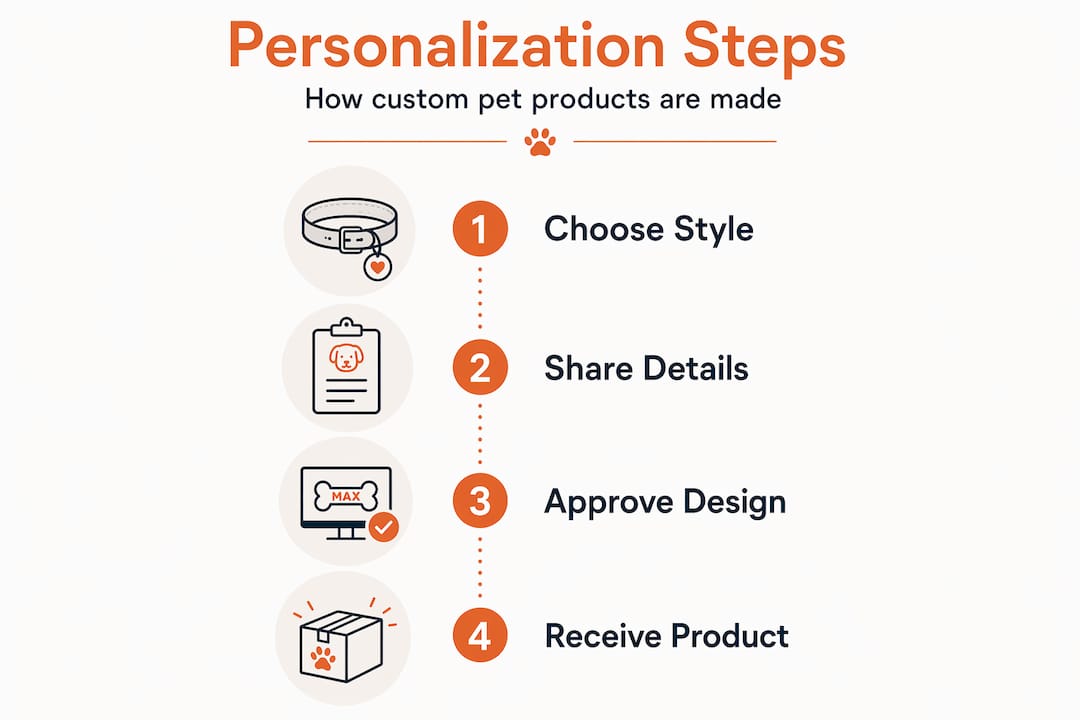
One thing many buyers do not expect is the approval workflow that comes with quality vendors. Customers may review photos or videos of finished products before shipping, a step that protects both the buyer and the maker. If a seller does not offer any approval process for a complex custom item, treat that as a red flag.
Pro Tip: Always ask a seller about their revision policy before placing an order for a handcrafted item. Knowing you can request corrections before shipping removes a lot of unnecessary risk.
The pricing spectrum is wide. A print-on-demand collar tag sits at one end. A handmade Wayuu pet leash or a hand-sculpted memorial bobblehead sits at the other. Neither is wrong. The question is whether the price matches the craftsmanship and the purpose you have in mind.
How to choose the right personalized pet products
Good intentions are not enough. A personalized item that does not fit your pet’s size, coat type, or temperament is still the wrong choice, regardless of how thoughtful the customization is. Here is a clear process for making a smart decision:
- Start with your pet’s physical specifics. Measure your dog’s neck, chest, and length before ordering any wearable. A beautifully personalized collar that fits poorly defeats the entire purpose.
- Match the product to your pet’s health needs. If your dog has joint issues, an elevated feeding station is not just a stylish choice. It is a health decision. Focus personalization efforts where they genuinely improve quality of life.
- Assess material quality and safety. For items your pet will chew, wear, or eat from, materials matter more than aesthetics. Look for non-toxic finishes, food-grade materials for bowls, and durable hardware on leashes and collars.
- Prepare high-quality photos. For any photo-based product, image quality is the single largest variable in the final result. Details like ear shape and markings depend entirely on image quality for accurate rendering. Use a recent photo taken in natural light with a clear background.
- Budget based on how the item will be used. A daily-use item like a feeding bowl warrants more investment than a novelty gift. Prioritize craftsmanship for items that will see regular wear or use.
- Communicate clearly with the seller. Describe your pet’s personality, quirks, and any relevant health conditions. The more context a craftsperson has, the more accurate and meaningful the final product will be.
The difference between a forgettable custom item and one you will keep for years usually comes down to how much thought you put in before placing the order, not after.
My honest take on personalized pet products
I have followed this market closely for years, and the thing that still surprises me is how often people underestimate the long-term value of a well-made personalized item. Most buyers think about personalization as a gift-giving event. They order something for a birthday or a holiday, and the thinking stops there.
What I have found is that the items with lasting impact are the ones chosen to solve a specific problem or to mark something genuinely meaningful. A handcrafted feeding station that helps a senior dog with arthritis eat comfortably is not a gift. It is a care decision. A memorial portrait created after a beloved dog passes is not a decoration. It is part of grieving.
The AI-driven products are where I see the most misplaced excitement right now. The technology is real and it is improving, but the output still varies significantly. Hand-crafted items from skilled artisans consistently outperform AI-generated equivalents in emotional resonance and physical durability. That gap will narrow, but right now the handmade category is where the genuine quality lives.
My advice: stop treating personalization as a finishing touch and start treating it as a starting point. Ask what your pet actually needs, then ask how customization can serve that need better than a generic alternative. That shift in thinking changes which products you buy and how much satisfaction you get from them.
— Kim
Handcrafted personalized pet products from Bearwoodessentials
If you are ready to move beyond novelty and into something built with real care, Bearwoodessentials is worth your time. The brand specializes in handcrafted, functional pet accessories designed with both your pet’s well-being and your aesthetic sensibility in mind.
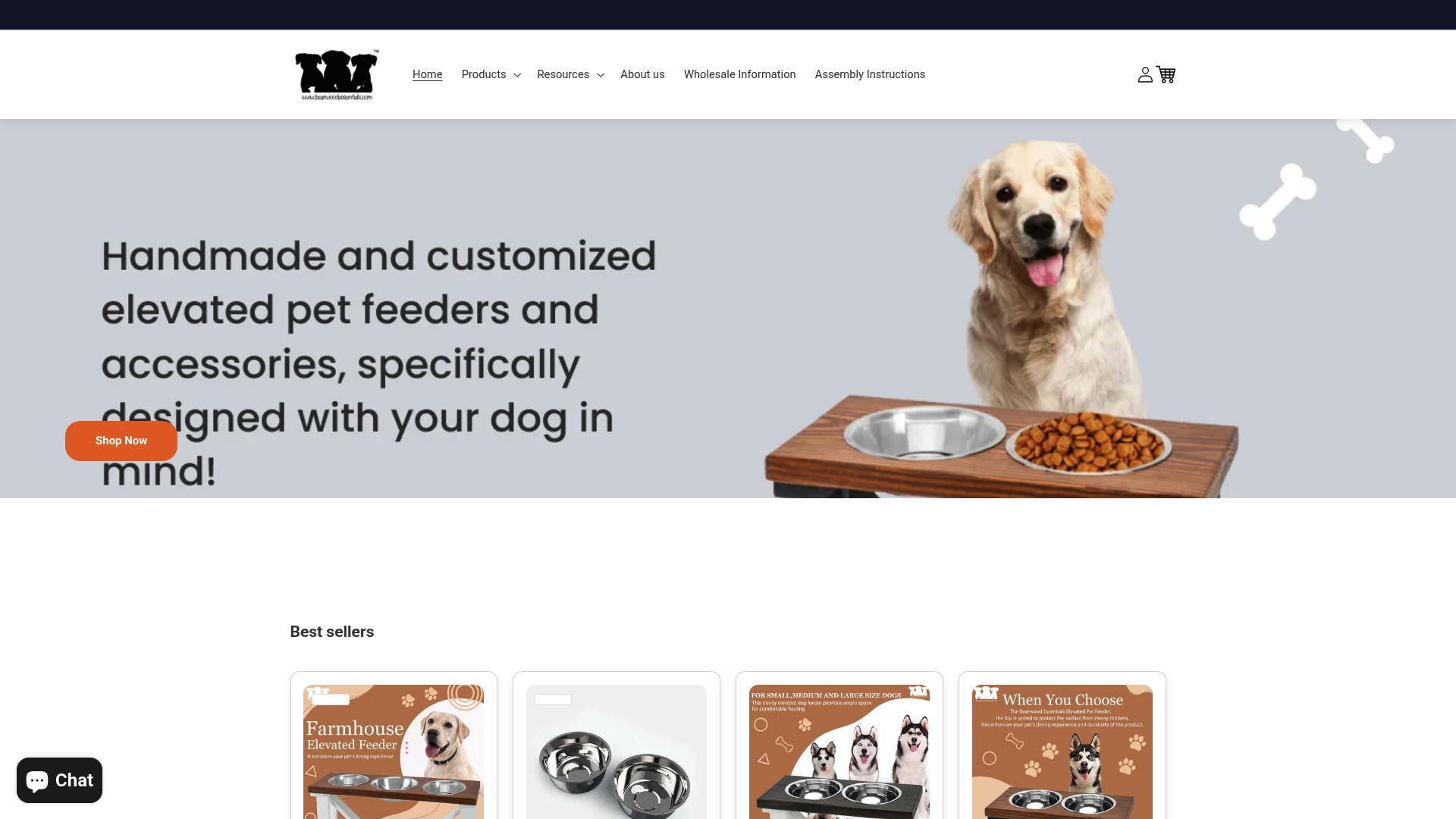
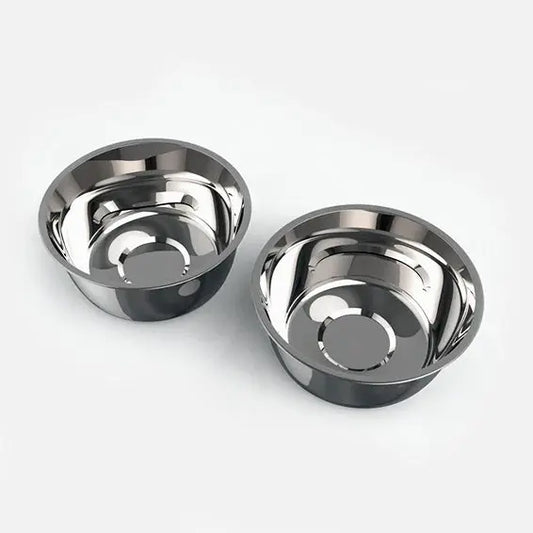
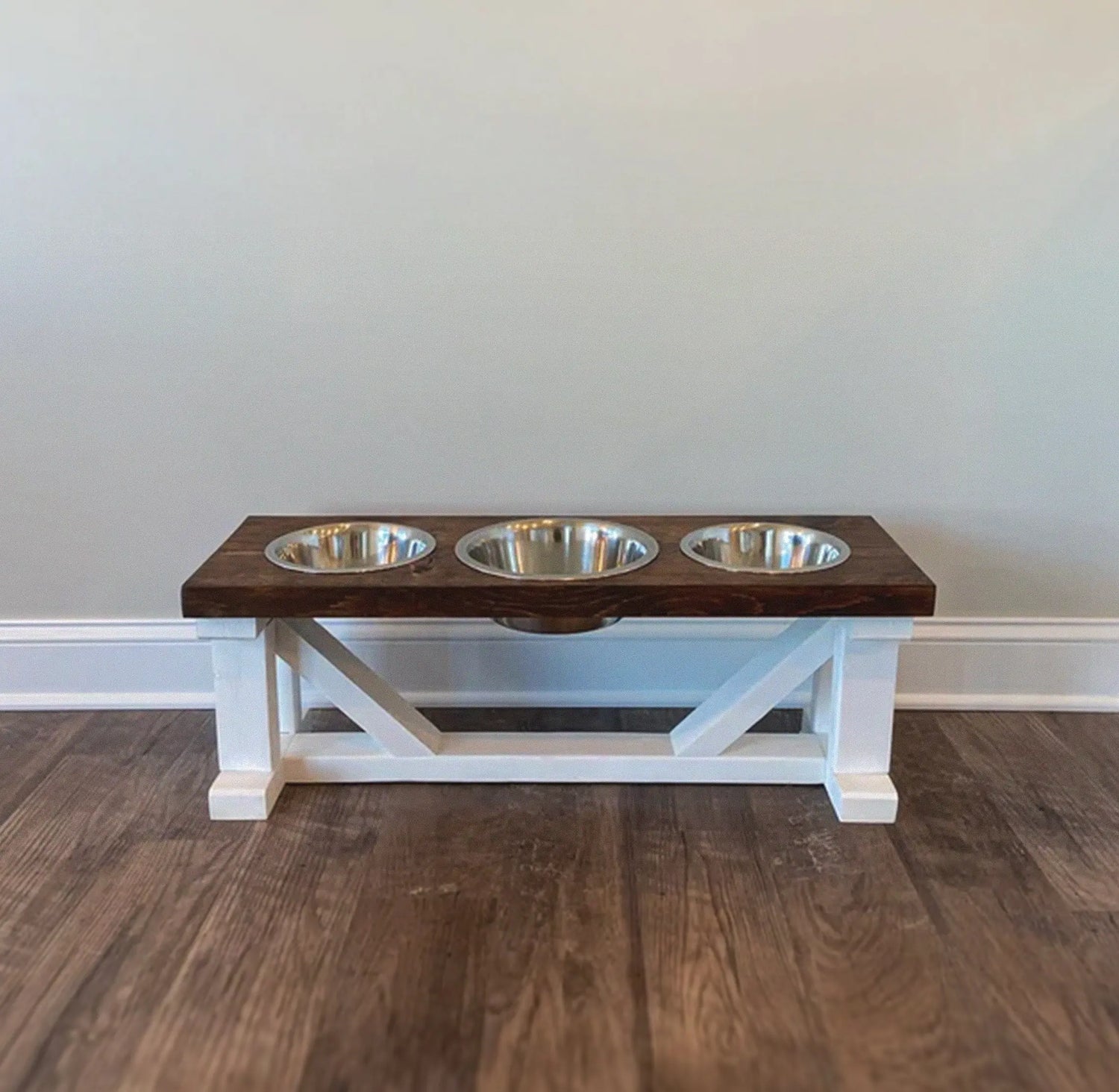
Their handmade metal dog bowl feeder is a standout example of personalization that serves a health purpose. Elevated feeding positions reduce strain on joints and improve digestion, and the handcrafted construction means no two pieces are exactly alike. They also carry handmade dog bandanas for owners who want stylish, personality-driven accessories that go beyond the generic. Every product reflects the kind of craftsmanship that makes personalized pet care feel intentional, not incidental.
FAQ
What is a personalized pet product?
A personalized pet product is any item specifically designed, formulated, or created using details unique to your pet, such as their name, photo, breed, size, or health profile. These products range from custom accessories and tailored nutrition to handcrafted keepsakes and AI-generated art.
How do I personalize pet products online?
Most sellers guide you through a simple ordering process where you submit your pet’s details, photos, or measurements. For handcrafted items, expect a production window of 4 to 15 days and potentially an approval step before the item ships.
Are personalized pet gifts worth the cost?
Yes, especially when the customization serves a functional purpose like tailored nutrition or ergonomic design. Items built for daily use justify a higher price point through durability, health benefits, and the emotional value of owning something made specifically for your pet.
What photo should I use for custom pet products?
Use a recent, high-resolution photo taken in natural light with a clean background. Accurate rendering of details like ear shape and coat markings depends entirely on image clarity, so avoid screenshots or low-light shots.
What are the most popular types of custom pet products?
Personalized collars, engraved feeding bowls, custom pet portraits, tailored food formulations, and memorial keepsakes are consistently the most sought-after categories. Elevated, handcrafted feeding stations are gaining popularity as pet owners connect daily routines to long-term health.