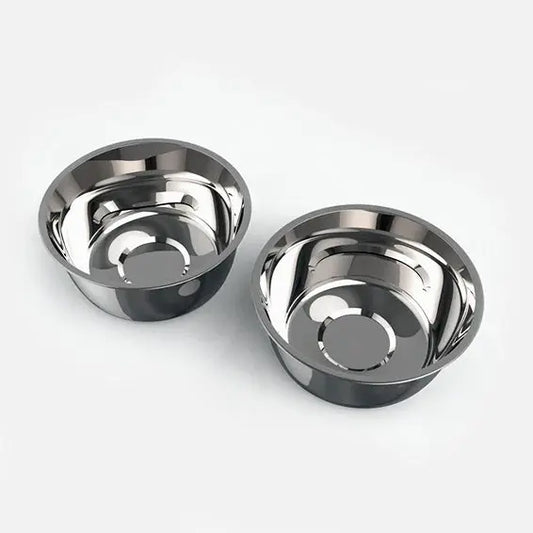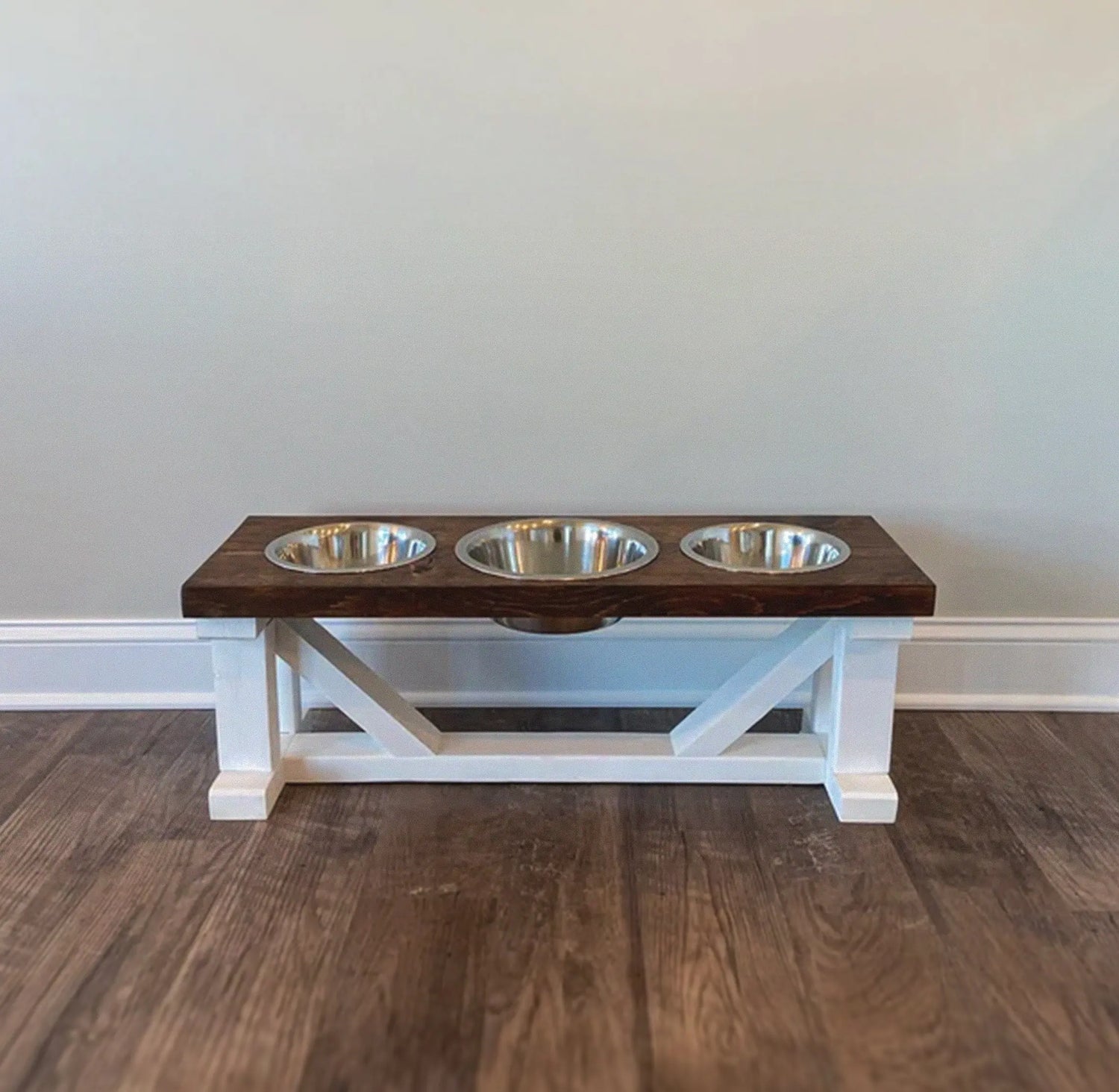

Most dog owners pick a bowl based on size and material, then call it done. But if your dog gulps food in under 30 seconds, eats from floor level with their neck craned down, or seems anxious at mealtimes, a standard bowl is not solving the problem. Understanding what is specialty pet feeding accessory really means shifts your perspective entirely. These tools are not premium versions of ordinary bowls. They are purpose-built feeding solutions that address specific health risks, behavioral patterns, and physical needs, while looking good enough to belong in a well-decorated home.
Table of Contents
- Understanding specialty pet feeding accessories
- Key types of specialty feeding accessories and their benefits
- Comparing specialty feeding accessories: features, pros, and cons
- Choosing the right specialty feeding accessory for your dog
- How to integrate specialty feeding accessories into your pet’s routine
- Why focusing on health and style in pet feeding accessories transforms mealtime
- Explore handcrafted specialty pet feeding accessories at Bearwood Essentials
- Frequently asked questions
Key Takeaways
| Point | Details |
|---|---|
| Specialty feeders slow eating | Specialty pet feeding accessories like slow-feed bowls reduce gulping, improving digestion and reducing bloat risks. |
| Mental enrichment benefits | Puzzle feeders and lick mats engage your pet’s natural instincts, lowering stress and preventing obesity and boredom. |
| Ergonomic posture support | Raised feeders improve your pet’s eating posture, reducing strain and promoting comfort, especially for older pets. |
| Material and size matter | Choose feeding accessories made from safe, durable materials that fit your pet’s size and eating style for optimal results. |
| Style and health combine | Handcrafted, stylish feeders merge health benefits with home decor aesthetics, enriching both pet and owner experience. |
Understanding specialty pet feeding accessories
A specialty pet feeding accessory is any feeding tool designed beyond basic food containment. Instead of simply holding food, these accessories actively shape how your pet eats, how fast they eat, and how their body is positioned while doing so.
The category covers a wide range of products, each built around a specific function:
- Slow-feed bowls use raised ridges or maze-like patterns to force dogs to eat around obstacles, slowing intake and aiding digestion
- Puzzle feeders require your dog to push, flip, or slide compartments to access food, adding mental engagement to every meal
- Lick mats are textured silicone surfaces spread with wet food or paste, encouraging slow, repeated licking
- Raised feeders elevate bowls to your pet’s chest level, improving posture and reducing neck and joint strain
- Timed feeders dispense preset portions at scheduled intervals, useful for dogs who need consistent meal spacing
As the AKC notes, slow-feed bowls with raised ridges extend eating time, reducing gulping and improving digestion. That single change can meaningfully reduce the risk of bloat, a dangerous condition where the stomach fills with gas and can twist. You can read more about how slow feeding and smart bowls work together to protect your dog’s health.
Specialty pet feeding accessories are not a luxury category. They are a response to real problems that standard bowls cannot address.
Now that we know what specialty pet feeding accessories are, let’s look at the specific types and how each one benefits your dog.
Key types of specialty feeding accessories and their benefits
Every type of specialty feeding accessory solves a different problem. Knowing the difference helps you match the right tool to your dog’s actual habits and health needs.
Slow-feed bowls are the most widely recognized. Their raised ridges and maze patterns force dogs to slow down, taking smaller bites and pausing between them. This is especially important for large-breed dogs and deep-chested breeds like Great Danes and German Shepherds, who face the highest risk of bloat.
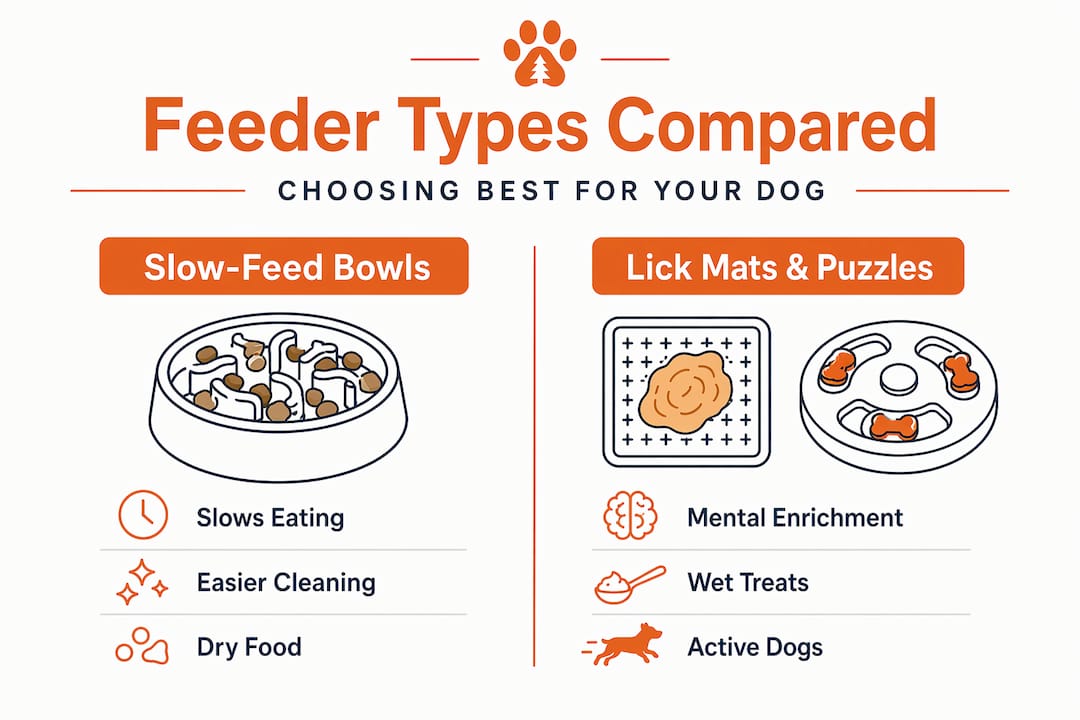
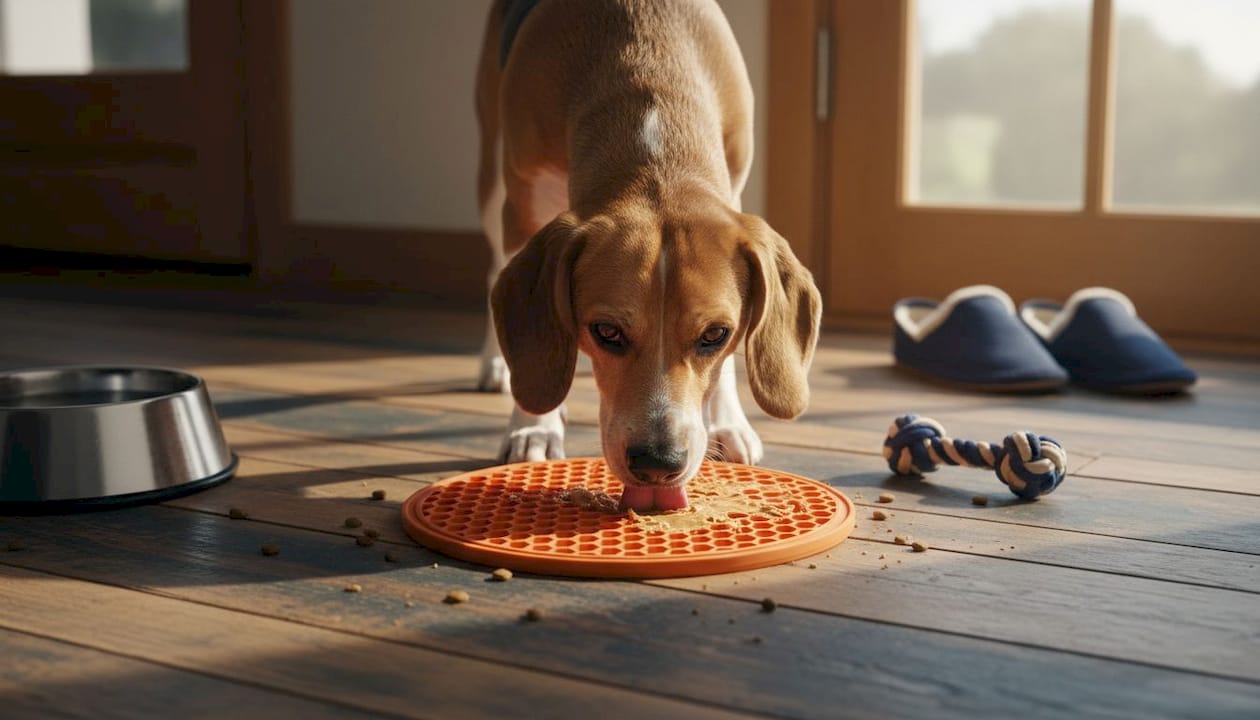
Lick mats take a different approach. Their textured surfaces, when spread with wet food, yogurt, or peanut butter, slow eating up to 5x longer for wet foods, stopping bloating and aiding oral health. The repetitive licking action also increases saliva production and has a genuinely calming effect, making lick mats useful during grooming sessions, thunderstorms, or vet visits. Explore the lick mats available at Bearwood Essentials for texture options that suit different food types.
Raised feeders address posture and aerophagia (swallowing excess air while eating). Raised slow feeders address aerophagia by slowing intake and improving posture, reducing life-threatening risks like bloat. For senior dogs or pets with arthritis, eating from floor level strains the neck and shoulders over time. A properly sized raised feeder removes that strain entirely. Pair one with a slow-feed insert and you address two problems at once. See the raised slow feeders that combine both functions.
Puzzle feeders shift the focus to mental engagement. Dogs who finish meals in seconds often redirect that energy into destructive behavior. Puzzle feeders make your dog work for their food, using problem-solving skills that reduce boredom and lower stress hormones. They are particularly effective for high-energy breeds who need more mental outlet than physical exercise alone provides.
Timed feeders are the practical choice for pet owners with unpredictable schedules. They remove the risk of overfeeding and ensure meals arrive at consistent times, which supports digestive regularity.
Key benefits of pet feeding accessories across these types:
- Reduced risk of bloat and gas buildup
- Improved digestion through slower eating
- Mental enrichment that reduces anxiety and destructive behavior
- Better posture and joint health, especially in older dogs
- Consistent portion control with timed dispensers
Pro Tip: If your dog shows signs of stress at mealtimes, such as pacing, whining, or eating too fast, start with a lick mat before introducing a puzzle feeder. Lick mats are lower difficulty and have a calming effect that helps anxious dogs transition to enrichment feeding.
With various types in mind, let’s compare their features to help you choose the right accessory for your pet’s needs.
Comparing specialty feeding accessories: features, pros, and cons
Not every accessory suits every dog. Here is a direct comparison to guide your decision.
| Accessory | Eating speed reduction | Mental stimulation | Best for food type | Ease of cleaning | Health benefit |
|---|---|---|---|---|---|
| Slow-feed bowl | High | Low | Dry kibble | Moderate | Reduces bloat, aids digestion |
| Lick mat | Very high | Moderate | Wet, paste, raw | Easy | Calming, oral health, slow eating |
| Raised feeder | Low (unless insert added) | None | Any | Easy | Posture, joint health |
| Puzzle feeder | Moderate | Very high | Dry kibble | Hard | Mental enrichment, reduces anxiety |
| Timed feeder | None | Low | Dry kibble | Moderate | Portion control, meal consistency |
A few things worth noting from this comparison. Slow-feed bowls improve digestion and make mealtime a fun challenge for dogs, but their ridge patterns do require a thorough rinse after each use to prevent food buildup. Lick mats win on calming benefits and are the easiest to clean, but they do not work well with dry kibble. Raised feeders offer the most versatility when paired with a slow-feed insert, effectively combining posture correction with intake control.
Puzzle feeders rank lowest on ease of cleaning, which is a real consideration for daily use. If cleaning time is limited, a slow-feed bowl gives you most of the digestive benefit with far less maintenance. Before choosing, review the raised feeders benefits to see if your dog shows any of the telltale signs.
Pro Tip: For dogs who eat both dry and wet food at different meals, keep a slow-feed bowl for kibble and a lick mat for wet food. Using both gives you coverage across all meal types without compromising ease of use.
Understanding these pros and cons helps clarify which feeding accessory matches your pet’s habits and health requirements.
Choosing the right specialty feeding accessory for your dog
Knowing the types is one thing. Picking the right one for your specific dog requires a few concrete steps. Here is how to approach it:
- Measure your dog’s chest height. Stand your dog naturally and measure from the floor to the bottom of their chest. Your raised feeder height should sit about 2 to 4 inches below that point. This positions the bowl for a natural neck angle. Check out this handmade raised dog feeder with sizing guidance included.
- Assess eating speed. If your dog clears a full bowl in under one minute, a slow-feed bowl or puzzle feeder is a priority. Fast eating is the clearest sign of bloat risk.
- Consider food type. Wet food and raw diets pair best with lick mats or shallow slow-feed inserts. Dry kibble works with nearly any feeder type.
- Factor in physical health. Senior dogs and those with arthritis, hip dysplasia, or neck issues benefit most from elevated feeders. Explore elevated feeding for senior dogs to understand the posture benefits more specifically.
- Check material safety and durability. Stainless steel and food-grade silicone are the safest, most durable materials. Avoid low-quality plastics that scratch easily and harbor bacteria.
For dogs with sensitive snouts or smaller breeds, silicone inserts paired with elevated bases for small-medium dogs prevent spillage and work well with wet or raw food. Shallow pockets are gentler on whisker fatigue, a real but often overlooked issue in smaller breeds.
Pro Tip: Freeze your lick mat with a spread of plain pumpkin puree or unsweetened yogurt the night before. A frozen lick mat lasts two to three times longer than a room temperature one, extending mental engagement and keeping your dog calm during grooming, nail trims, or bath time.
With these practical factors in mind, here are actionable steps to integrate these accessories into your dog’s daily routine.
How to integrate specialty feeding accessories into your pet’s routine
Buying the right tool is only half the work. Introducing it well and maintaining it properly determines whether your dog actually benefits.
Here is a step-by-step routine for introducing a new feeding accessory:
- Start slow. Introduce the new feeder alongside the old bowl for the first two to three days. Let your dog sniff and investigate it before food is involved.
- Use high-value food at first. Place a small amount of your dog’s favorite treat or wet food in the new feeder to create a positive association.
- Switch fully within a week. Once your dog approaches the new feeder without hesitation, make it the only feeding option.
- Track eating behavior. Note whether your dog is finishing meals in a healthier timeframe and showing less gulping or post-meal restlessness.
- Clean regularly. Follow material-specific instructions. Silicone lick mats are usually dishwasher-safe. Stainless steel bowls handle daily washing without degrading. Wooden raised stands need a dry wipe after each use to protect the finish.
Ongoing practices that maximize the benefits of your accessories:
- Use slow feeding routines consistently across all meals, not just one per day
- Rotate puzzle feeders weekly to maintain mental novelty
- Keep the raised feeder height consistent as your dog ages and consult your vet if posture changes
- Monitor raised dog bowl care to protect both the feeder and your pet’s health long-term
Slow-feed bowls and puzzle feeders turn mealtime into enrichment, improving digestion and reducing gulping. When that enrichment becomes a daily habit, the cumulative effect on your dog’s health is significant.
Pro Tip: If you have a multi-dog household, assign each dog a distinct feeder shape or color. This prevents competition at mealtimes and ensures each dog uses the accessory suited to their specific needs.
Why focusing on health and style in pet feeding accessories transforms mealtime
Most articles covering pet feeding accessories treat health and design as separate concerns. Health is for the vet. Style is for the home decor section. That division misses something important.
When a feeder looks like it belongs in your home, you are far more likely to keep it in a consistent, accessible spot. That consistency matters to your dog. Dogs are routine animals. A beautiful handmade metal or wooden feeder placed in a designated feeding area becomes a signal. Your dog learns the space, the ritual, and the expectation. That calm structure reduces pre-meal anxiety as much as any lick mat.
There is also a longer-term commitment factor. Pet owners who invest in quality, handcrafted feeders tend to be more attentive to feeding routines overall. The act of choosing something well-made creates ownership of the habit. Raised slow feeders and ergonomic designs reduce life-threatening risks while supporting elegant home decor styles favored by discerning pet parents. That combination is not a marketing pitch. It is a real behavioral pattern.
The feeders that work best long-term are the ones you actually want to display, clean, and maintain. A mass-produced plastic feeder that gets shoved in a corner gets cleaned less often and replaced more frequently. A handmade metal dog feeder built to last becomes part of the home. Your dog benefits every single day from that investment.
Choosing accessories that serve both your pet’s body and your home environment is not indulgent. It is practical.
Explore handcrafted specialty pet feeding accessories at Bearwood Essentials
If you are ready to move beyond standard bowls and give your dog a feeding experience that genuinely supports their health, Bearwood Essentials has what you need. Every product in the collection is handcrafted with durable materials, designed to improve eating habits and fit beautifully in your home.
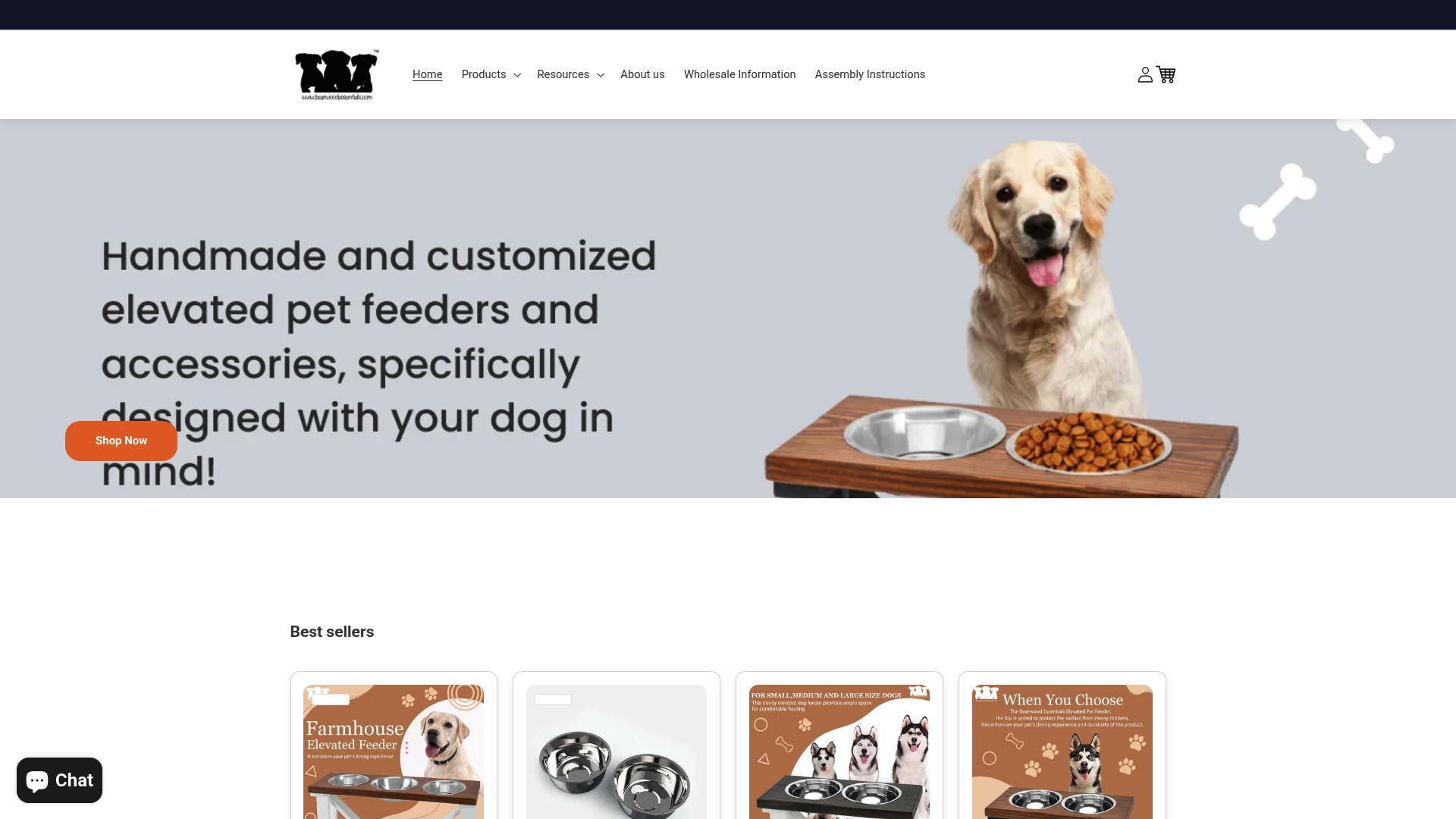
The handmade metal dog bowl feeder combines ergonomic height with industrial-style craftsmanship that suits modern and rustic interiors alike. Prefer a warmer, natural look? The wooden raised dog feeder brings that warmth to your pet’s corner of the home. For a finishing touch, the handmade dog bandanas add a stylish accessory to complete your dog’s look at mealtime. Orders over a qualifying amount ship free across the U.S., and each product comes with care instructions and sizing guidance so you choose right the first time.
Frequently asked questions
What exactly is a specialty pet feeding accessory?
Specialty pet feeding accessories are purpose-built tools designed to improve pets’ eating habits and health, including slow-feed bowls, lick mats, puzzle feeders, and raised feeders that slow eating and reduce gulping while engaging pets mentally.
How do slow-feed bowls help my dog’s digestion?
Slow-feed bowls extend eating time by making pets navigate ridges or mazes, reducing gulping that causes bloating and indigestion. The AKC confirms that extended eating time directly supports healthier digestion in dogs.
Are lick mats beneficial for cats as well as dogs?
Yes. Lick mats stimulate natural licking instincts in both cats and dogs, and puzzle feeders and lick mats reduce stress and risks of obesity in cats by turning feeding into an engaging, calming activity.
Why should I consider a raised feeder for my pet?
Raised feeders improve posture during meals and reduce strain on the neck and joints, which is especially valuable for senior dogs or those with mobility issues. Research shows raised feeders slow intake and reduce the risk of bloat.
How do I choose the right specialty feeding accessory for my dog?
Start by measuring chest height for an ergonomic feeder fit, then assess eating speed and food type to choose between slow feeders, lick mats, and puzzle feeders. For small to medium dogs on wet or raw diets, pairing silicone inserts with elevated bases prevents spillage and maintains enrichment.