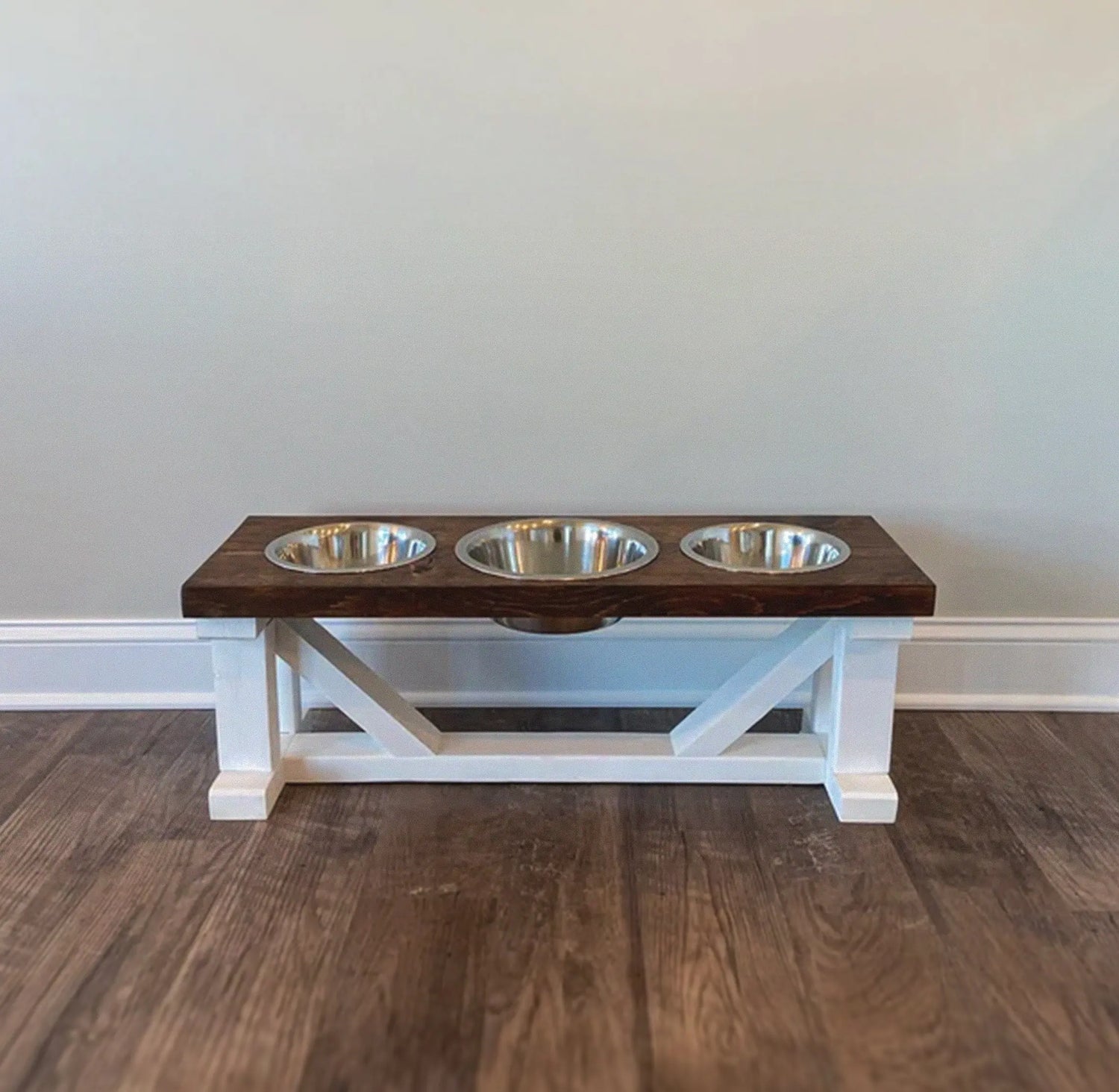


Matching your pet feeder to home decor means selecting pieces that reflect your interior style, materials, and functional needs while enhancing your home’s overall look. Pet feeders are no longer utility afterthoughts tucked in a corner. The 2026 trend toward elevated feeding stations made from natural materials like oak, walnut, and powder-coated iron treats these pieces as permanent kitchen fixtures. That shift changes everything about how you choose and place a feeder. When your dog’s dining area matches your living space, the result is a home that feels intentional from floor to ceiling.
What materials and styles best match your pet feeder to home decor?
The material of your feeder determines how well it blends with your existing interior. Natural wood tones like oak and walnut work beautifully in farmhouse, traditional, and Scandinavian spaces. Powder-coated iron and brushed metals read as modern and industrial, fitting cleanly into loft-style or contemporary open-plan rooms.
Matching your feeder to your interior style comes down to a few clear categories:
-
Farmhouse and rustic: Solid oak or walnut stands with warm stain finishes. Pair with ceramic bowls in matte white or earthy tones.
-
Modern minimalist: Powder-coated black or matte gray metal stands. Keep bowl colors neutral to avoid visual noise.
-
Mid-century modern: Tapered wooden legs with a teak or walnut finish. Pair with copper or brass bowls for warmth.
-
Industrial: Raw iron frames with stainless steel bowls. The contrast of metal textures adds depth without clutter.
-
Coastal or Boho: Light natural wood with woven accents nearby. Recycled glass or glazed ceramic bowls complement the relaxed palette.
Neutral color palettes are the safest starting point. A feeder that matches your kitchen cabinetry or flooring tone disappears into the room in the best possible way. Elevated ceramic and copper bowls support minimalist and upscale aesthetics while also promoting better posture for your dog during meals.
Pro Tip: Pull one color from your existing furniture, such as the wood tone of your dining table or the metal finish on your cabinet hardware, and match it directly to your feeder’s stand material. That single connection makes the whole room feel considered.
How do you create a cohesive pet feeding zone through placement?
Placement is where most pet owners lose the design thread. A beautiful feeder placed in the wrong spot still looks out of place. Design experts recommend integrating feeding stations early in renovations so the zone gets its own niche, matched materials, and proper spatial planning from the start.
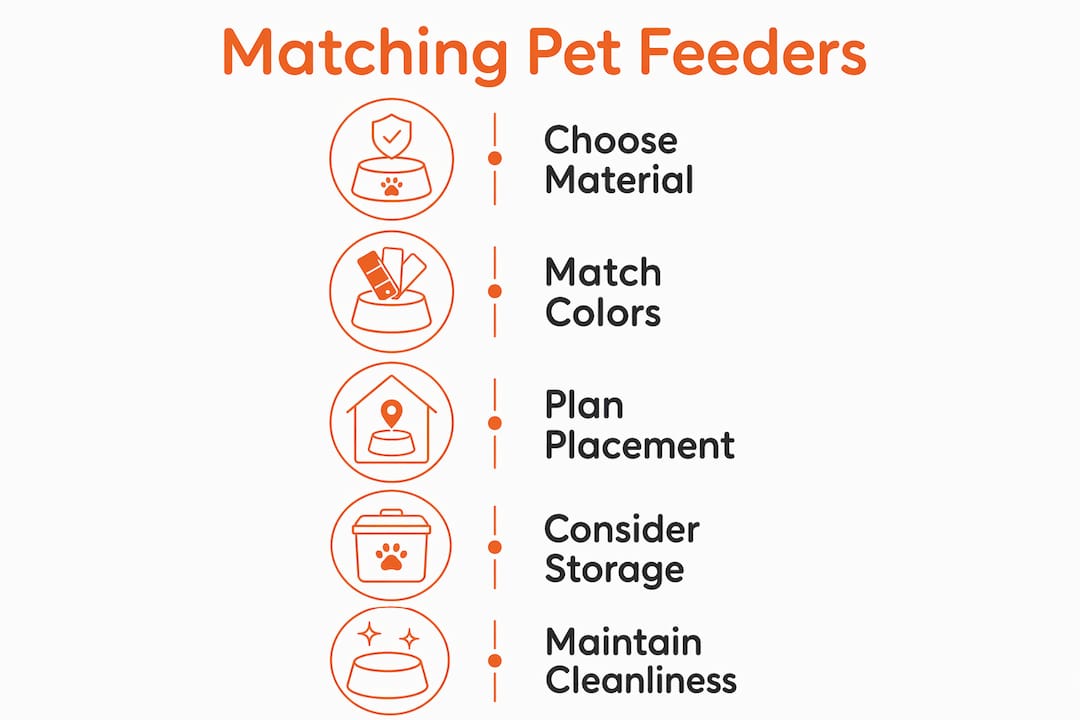
Follow these steps to build a feeding zone that works visually and practically:
-
Choose a low-traffic wall or corner. Avoid placing feeders in main walkways or near high-traffic kitchen zones. Your dog needs calm, and your room needs visual order.
-
Apply the 90cm buffer rule. Proper feeder placement requires a 90cm buffer around the station for comfortable pet movement and clean traffic flow. This buffer also prevents the feeder from feeling cramped against furniture.
-
Add a floor mat beneath the stand. A mat in a complementary color or texture anchors the feeding zone visually. It also protects your floors and signals a defined space.
-
Layer nearby accessories intentionally. Layering elements like floor mats, elevated stands, and nearby beds transforms a pet bowl from a visual interruption into a curated interior space. A small woven basket for toys or a wall hook for the leash nearby completes the zone without adding clutter.
-
Consider lighting. A warm-toned lamp or under-cabinet light near the feeding area softens the zone and connects it to the room’s overall lighting scheme.
The goal is a feeding area that reads as furniture, not equipment. When the zone has defined edges, matched materials, and intentional accessories, it becomes part of the room’s design story rather than a distraction from it.
What do furniture-grade pet feeders offer in style and practicality?
Furniture-grade feeders are the clearest expression of why pet feeders double as decor pieces. These are not mass-produced plastic stands. They are built from solid wood and metal with the same material language as your actual furniture. Furniture-grade feeding stations with storage drawers and leash hooks are recommended specifically for farmhouse and traditional interiors, and units around 32 inches wide fit naturally in living rooms or entryways.
The secondary functions are what make these pieces genuinely useful. A feeder with a built-in drawer holds treat bags, a spare leash, and a lint roller. A unit with a display surface holds a small plant or a framed photo. These additions mean the piece earns its floor space in a way a basic bowl stand never could.
| Feature | Basic stand | Furniture-grade feeder |
|---|---|---|
| Material | Plastic or thin MDF | Solid wood, iron, or mixed natural materials |
| Storage | None | Drawers, hooks, or open shelving |
| Visual weight | Lightweight, often visually weak | Substantial, reads as real furniture |
| Placement flexibility | Kitchen only | Entryway, living room, kitchen |
| Long-term durability | Low to moderate | High, with proper care |
Furniture-grade feeding consoles solve clutter issues by consolidating pet supplies into one designed piece. That consolidation is the key benefit. Instead of a bowl here, a bag of food there, and a leash on the doorknob, everything lives in one place that also looks good.
Pro Tip: When shopping for a furniture-grade feeder, check that the wood finish matches at least one other piece in the room. Consistency in finish, whether matte, oiled, or lacquered, is what makes a feeder read as furniture rather than pet gear.
For design-forward options built from natural materials, the handcrafted elevated feeders at Bearwoodessentials show how wood and metal combine into pieces that hold their own in any well-designed room.
How do you keep a stylish feeding area clean and hygienic?
Style and hygiene are not in conflict. The right materials make both easy to maintain. Non-porous surfaces like glazed ceramics and recycled glass simplify cleaning and align with sustainable, minimalist design trends. These materials do not absorb bacteria or odors, which means they stay looking clean between washes.
Key choices that protect both aesthetics and hygiene:
-
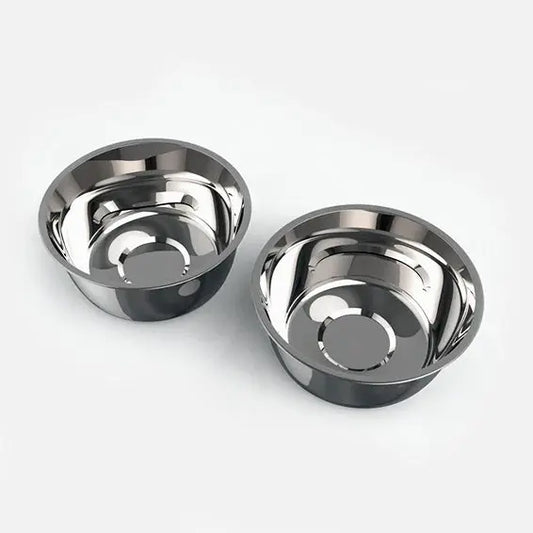
Choose glazed ceramic or stainless steel bowls. Both are non-porous, dishwasher safe, and available in colors that complement any palette. Avoid painted or coated plastic bowls, which scratch and harbor bacteria over time.
-
Use a washable silicone or fabric mat. A mat in a neutral tone protects your floor and wipes clean in seconds. Choose one that matches your feeder’s color family.
-
Store food in a closed container nearby. An airtight canister in a matching wood or metal finish keeps food fresh and removes the visual clutter of an open bag.
-
Wipe the stand weekly. Wood stands benefit from a light wipe with a damp cloth and occasional conditioning with food-safe oil. Metal stands need only a dry cloth to prevent water spots.
The sustainable design philosophy behind intentional feeding setups holds that a well-chosen, easy-to-clean feeder contributes to a calmer, more balanced home environment. That is not just aesthetics. A clean, organized feeding zone is also better for your dog’s health. You can find more guidance on eco-friendly feeder choices that maintain both a clean look and a hygienic surface.
For pet owners who want to extend the same care to their dog’s accessories, the dog accessories styling checklist at PawCaptain covers how to make every pet item in your home feel intentional and cohesive.
Key Takeaways
Matching a pet feeder to your home decor requires consistent materials, intentional placement, and furniture-grade construction that treats the feeding zone as a real design element.
| Point | Details |
|---|---|
| Match materials first | Choose wood or metal finishes that mirror existing furniture in the same room. |
| Apply the 90cm buffer | Leave adequate space around the feeder for pet comfort and visual breathing room. |
| Layer accessories | Add a mat, nearby storage, and a leash hook to build a defined, clutter-free zone. |
| Choose furniture-grade | Feeders with drawers and display surfaces earn their floor space and reduce clutter. |
| Prioritize non-porous surfaces | Glazed ceramic and stainless steel bowls stay hygienic and look clean longer. |
Why pet feeding stations deserve the same design attention as the rest of your home
Most homeowners I talk to treat their dog’s feeder as the last item on the design checklist. They spend months choosing the right dining table, the right pendant light, the right rug. Then they drop a plastic bowl on the kitchen floor and call it done. That disconnect shows.
The most common mistake I see is placing a feeder in a high-traffic zone with no spatial planning and no material connection to the room. The feeder ends up looking like it landed there by accident. The fix is not expensive. It is intentional. Choosing a stand in the same wood tone as your cabinetry, placing it in a low-traffic corner with a mat beneath it, and adding one small accessory nearby changes the entire reading of the space.
The 2026 shift toward pet feeding stations as kitchen fixtures is not a trend for design obsessives. It is a practical acknowledgment that pets live in our homes full time. Their spaces deserve the same care we give to every other corner of the room. When you get it right, the feeding zone stops being something you apologize for when guests arrive. It becomes part of what makes your home feel complete.
— Kim
Handcrafted feeders from Bearwoodessentials that complement your home
Your dog’s feeding area can be one of the most considered spots in your home. Bearwoodessentials builds handmade metal and wood feeders designed to sit comfortably in modern, farmhouse, and rustic interiors without looking like pet gear.

Each piece is crafted from natural wood and durable metal with finishes that hold up to daily use and daily cleaning. The elevated designs support your dog’s posture while keeping bowls at a height that reads as furniture rather than floor clutter. Browse the full range of elevated dog feeders at Bearwoodessentials to find the style and size that fits your space. Free U.S. shipping is available on qualifying orders.
FAQ
What is the best material for a pet feeder that matches home decor?
Solid wood and powder-coated metal are the best materials for matching pet feeders to home interiors. Wood tones like oak and walnut suit farmhouse and traditional styles, while matte metal finishes work in modern and industrial spaces.
How do dog feeders complement room design?
Elevated dog feeders complement room design by using the same material language as surrounding furniture, creating a visual connection that makes the feeding zone feel intentional rather than incidental.
Where is the best place to put a pet feeder in an open-plan home?
Place the feeder in a low-traffic corner with at least a 90cm buffer around it for pet comfort and clean traffic flow. Avoid positioning it near main walkways or in visually busy areas.
Why do pet feeders double as decor pieces?
Furniture-grade feeders with storage drawers, display surfaces, and leash hooks function as multi-purpose furniture. They consolidate pet supplies into one designed piece that earns its place in any room.
How do you keep a stylish pet feeder hygienic?
Use glazed ceramic or stainless steel bowls, which are non-porous and dishwasher safe. Wipe the stand weekly and use a washable mat beneath it to protect floors and maintain a clean look.