

A pet feeding station is a dedicated area that holds your pet’s food and water bowls in one organized, functional spot. The best unique pet feeding station ideas go far beyond a bowl on the floor. They combine ergonomic design, mess control, and home décor harmony to make feeding time better for your pet and easier for you. Whether you prefer a handcrafted wooden stand, a modular DIY setup, or a tech-driven smart feeder, the right design protects your pet’s posture, keeps your floors clean, and looks great doing it.
1. What are the top unique pet feeding station designs?
The strongest creative pet feeding stations solve three problems at once: pet comfort, mess control, and visual appeal. Each design below addresses a specific need, so you can match the right solution to your home and your pet.
Custom elevated wooden feeders
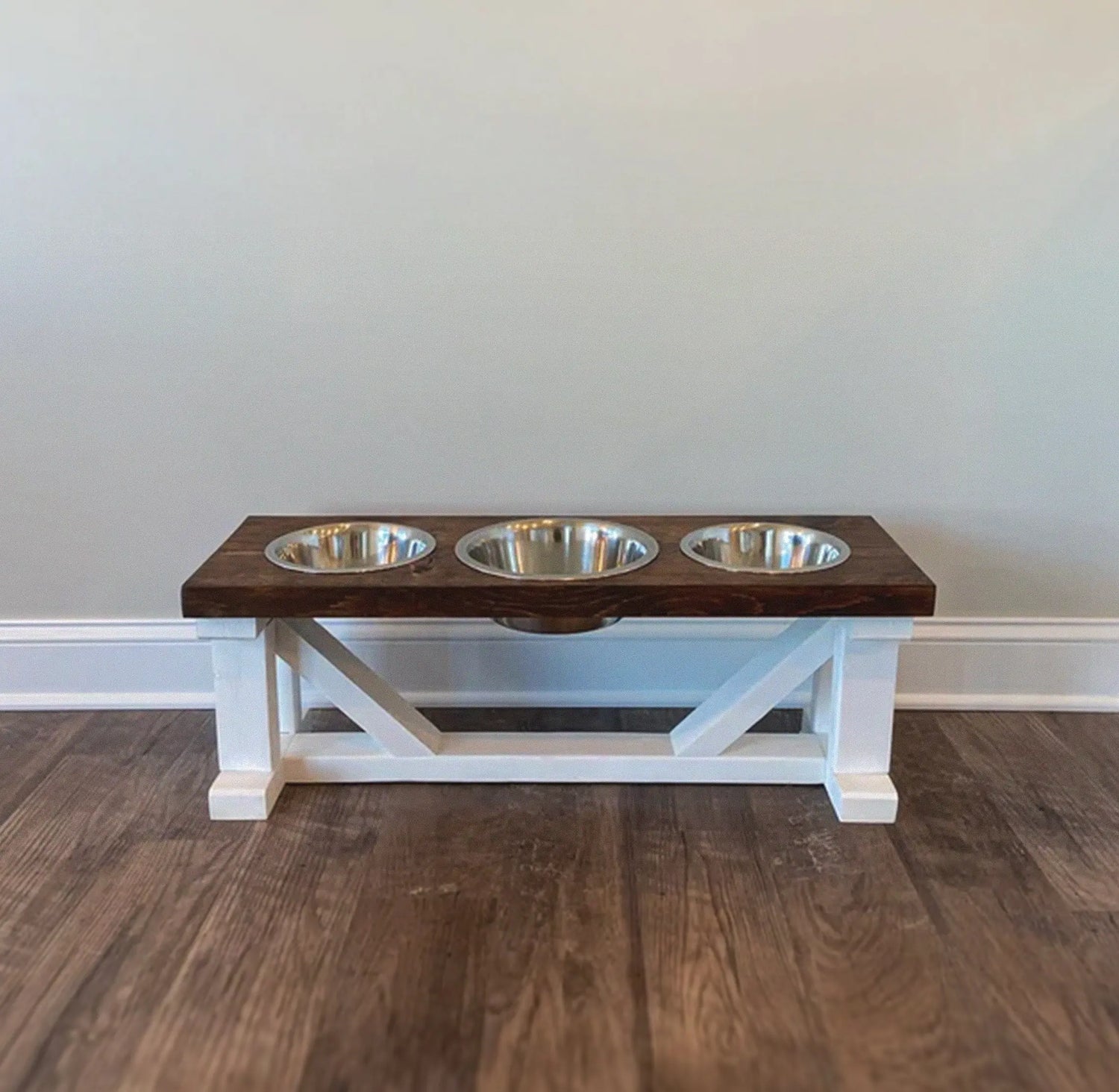
A raised wooden feeder lifts bowls to the correct height for your dog’s neck and shoulders. Elevated bowls promote better posture and reduce neck strain, especially for brachycephalic breeds like French Bulldogs and senior dogs. Woodworkers and pet health experts both recommend this design as the starting point for any custom setup. You can add personalized engraving and color matching to blend the feeder with your kitchen or mudroom décor.
Key features to look for:
-
Solid hardwood or bamboo construction for durability
-
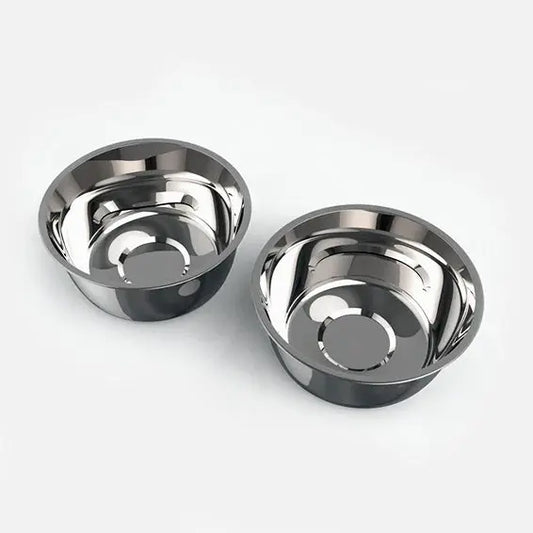
Stainless steel bowls that resist bacteria and are dishwasher safe
-
Smooth-sanded edges to protect curious noses
-
A natural or stained finish sealed for moisture resistance
Modular washable stations
A modular station uses interchangeable parts so you can clean each component separately. A mid-range modular setup costs $50–$100 in materials, including a silicone mat ($15–$25), stainless steel bowls ($15–$25), and a frame organizer ($10–$20). Assembly takes 60–90 minutes. That low cost makes it one of the most practical DIY pet feeding ideas for renters or first-time pet owners.
Pro Tip: Choose a silicone mat with raised edges at least half an inch high. That lip catches water splashes and dry food scatter before they reach your floor.
Stylish metal bowl stands
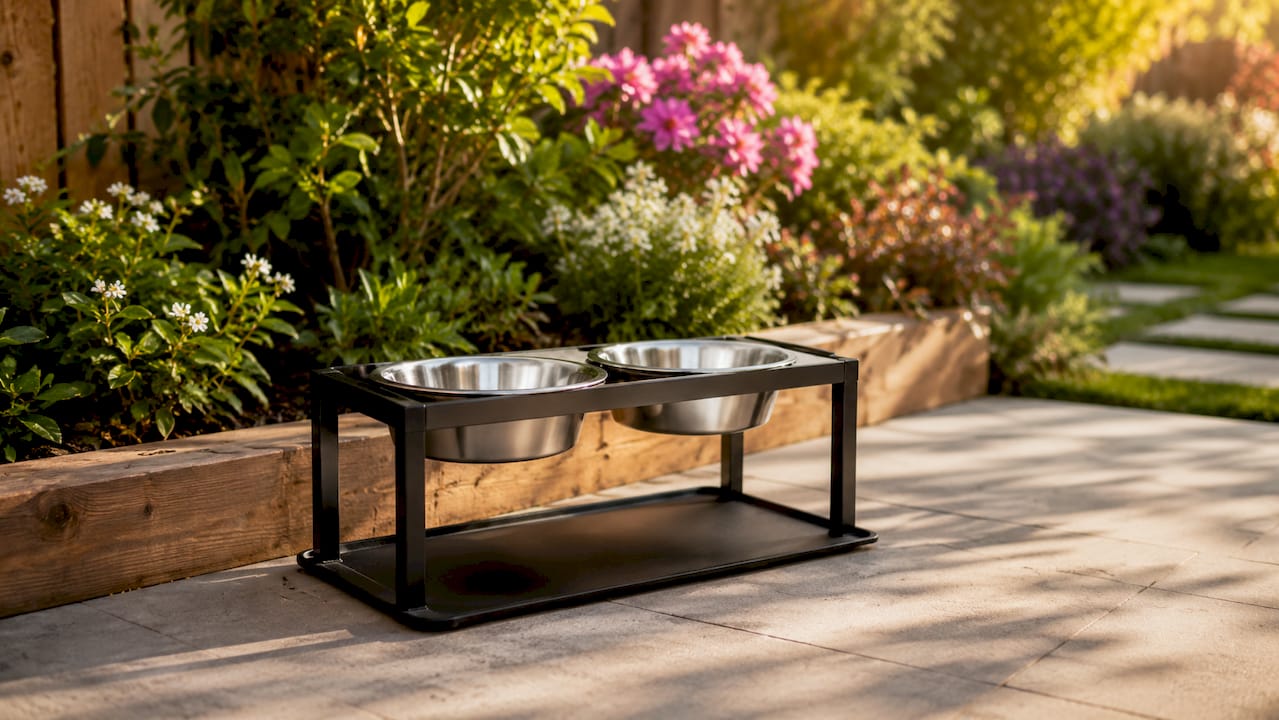
Metal stands combine an industrial or rustic look with real structural strength. A modern metal elevated feeder pairs well with contemporary kitchens and open-plan living spaces. Powder-coated steel resists rust and wipes clean in seconds. This design works especially well as a unique dog bowl setup in homes where wood tones do not match the existing décor.
Integrated feeding nooks
Built-in feeding nooks tuck bowls inside a cabinet base or mudroom bench. The bowls sit at the correct height while the surrounding cabinetry hides food storage, leashes, and cleaning supplies. This is one of the most space-efficient compact pet feeding ideas for small apartments or busy entryways. The nook keeps the feeding area out of foot traffic without sacrificing accessibility.
DIY smart feeders
A DIY smart feeder built with an ESP32 microcontroller, a continuous rotation servo, and a 3D-printed auger costs about $20 to build. Commercial smart feeders run $65–$160 for comparable features. That price gap makes the DIY route worth considering if you have basic electronics skills. Smart feeders dispense measured portions on a schedule, which supports weight management and consistent feeding routines.
2. How do ergonomic and health-focused features improve pet feeding stations?
Ergonomic design is the most important factor in any elevated pet feeding station. Raising bowls to the right height reduces the distance your pet must bend its neck, which directly affects digestion and joint comfort.
Raised feeders support healthy eating by reducing the physical effort required to reach food and water. For flat-faced breeds like Pugs and Bulldogs, a lower neck angle makes swallowing easier and reduces the risk of gulping air. For senior dogs, raised feeders reduce pressure on arthritic joints in the neck, shoulders, and front legs.
Health benefits of ergonomic feeding station designs:
-
Reduced neck and shoulder strain during meals
-
Improved swallowing mechanics for brachycephalic breeds
-
Less air intake, which lowers the risk of bloating in deep-chested dogs
-
Better posture that supports spinal alignment over time
A well-designed station includes adjustable bowl heights to accommodate growing puppies or multi-pet households. Adjustability means you buy one feeder and adapt it as your pet grows, rather than replacing the entire unit. That practical detail saves money and keeps the feeding area consistent for your pet.
The correct bowl height for most dogs sits at the level of the pet’s lower chest when standing. A bowl set too high forces the neck upward and creates a different kind of strain. Getting the height right matters as much as choosing to raise the bowl at all.
3. How to balance mess control and ease of cleaning
Mess control is where most feeding station designs either succeed or fail. The good news is that simple physical features handle the majority of the problem. A non-slip base and removable absorbent insert address about 70% of feeding messes, making complex tech solutions unnecessary for most households.
Removable spill trays prevent water damage and bacterial growth by allowing easy cleaning and preventing trapped liquids or kibble dust from sitting against the base. Without a tray, moisture seeps into wood grain or collects under metal feet, creating conditions for mold and bacteria. A tray that slides out and goes straight into the sink solves that problem in under a minute.
Practical mess control features to prioritize:
-
Silicone mats with raised edges to contain splashes
-
Removable stainless steel or plastic spill trays under the bowl area
-
Smooth, non-porous bowl surfaces that do not harbor bacteria
-
A frame design with no tight corners where kibble dust can collect
Pro Tip: Wash silicone mats and spill trays every two days. Biofilm, the thin bacterial layer that forms on wet surfaces, builds up faster than most owners expect and can cause digestive issues in sensitive pets.
A modular design makes this routine fast. When each component lifts out independently, cleaning takes three minutes instead of scrubbing a fixed unit. The functional dog feeding station checklist from Bearwoodessentials covers every feature worth checking before you buy or build.
4. What modern technology solutions enhance pet feeding stations?
Smart feeders represent the most tech-forward category of modern pet feeding solutions. They automate portion control, enforce feeding schedules, and can connect to home automation systems for remote management.
DIY vs. commercial smart feeders
| Feature | DIY ESP32 Feeder | Commercial Smart Feeder |
|---|---|---|
| Cost | ~$20 | $65–$160 |
| Setup time | 2–4 hours | 15–30 minutes |
| Customization | High | Low to medium |
| Reliability | Depends on build quality | Generally high |
| App integration | ESPHome / Home Assistant | Proprietary app |
| Repair ease | Full access to parts | Limited by warranty |
A DIY feeder built with an ESP32 and a 3D-printed auger gives you complete control over portion size and schedule. The trade-off is build time and the need for basic soldering skills. Commercial feeders from established brands offer faster setup and dedicated support, but cost significantly more and lock you into a specific app ecosystem.
One critical design detail applies to both options. Kibble bridging and jams occur at sharp angles in the hopper-to-auger path. Any 90-degree corner in the food channel creates a point where dry kibble stacks and stops flowing. Rounded transitions and smooth internal walls prevent this entirely. Check this detail before buying or building any automatic feeder.
Smart feeders also integrate with platforms like Home Assistant and Apple HomeKit, letting you trigger feeding from your phone or set it as part of a morning automation routine. That level of control is genuinely useful for pet owners with irregular schedules or those who travel frequently. For dog-friendly home ideas that incorporate smart feeding into a broader setup, the combination of scheduled feeders and a well-placed feeding nook creates a fully functional pet zone.
Key takeaways
The most effective pet feeding station combines an ergonomic raised design, removable spill trays, and modular components that make daily cleaning fast and reliable.
| Point | Details |
|---|---|
| Raise the bowls | Elevated feeders reduce neck strain and support digestion, especially for senior and flat-faced breeds. |
| Use removable trays | Spill trays prevent bacterial growth and base damage by keeping moisture away from the frame. |
| Keep it modular | Interchangeable parts cut cleaning time and let you replace one component without buying a new unit. |
| Match height to your pet | Bowl height should align with your dog’s lower chest to avoid strain in either direction. |
| Start simple before adding tech | A silicone mat and absorbent insert solve most mess problems before a smart feeder becomes necessary. |
Why I always recommend starting with the basics
Most pet owners I talk to want to jump straight to the most elaborate setup they can find. I understand the appeal. A built-in feeding nook with a smart feeder and custom engraving looks incredible. But the pets that eat most comfortably and the owners who maintain their stations most consistently almost always started with the simplest version first.
My honest recommendation is this: get the height right before you get anything else right. A raised feeder at the correct height makes a visible difference in how a dog carries itself during and after meals. That one change costs less than $50 and delivers immediate results. Everything else, the engraving, the smart dispenser, the integrated cabinetry, is a layer you add once the foundation is solid.
The second thing I always say is to treat cleaning as a design constraint, not an afterthought. If your feeding station takes more than five minutes to clean, you will clean it less often. That creates hygiene problems that affect your pet’s health. Build or buy for easy maintenance first, and let the aesthetics follow.
The technology options are genuinely exciting, and a $20 DIY smart feeder is a fun project if you enjoy building things. But I have seen too many automated feeders jam, glitch, or get abandoned because the owner did not account for kibble bridging or app compatibility. Test any smart feeder with your specific kibble size before relying on it for daily feeding. Flat, round kibble flows differently than star-shaped or irregular pieces, and that difference matters inside an auger.
— Kim
Explore handcrafted elevated feeders from Bearwoodessentials
Your pet deserves a feeding station that supports their health and fits your home. Bearwoodessentials handcrafts elevated feeders in both wood and metal, designed with the ergonomic details and clean aesthetics that make a real difference at mealtime.
The wooden raised dog feeder with two stainless steel bowls is a top choice for owners who want durability and style in one piece. For a modern look, the handmade metal raised feeder delivers a rustic yet contemporary finish that works in any room. Browse the full collection at Bearwoodessentials and find the right fit for your pet’s size, breed, and your home’s décor. Free U.S. shipping is available on qualifying orders.
FAQ
What height should a pet feeding station be?
The bowl should sit at the level of your dog’s lower chest when standing. This reduces neck bending and supports better posture during meals.
Are elevated pet feeding stations safe for all dogs?
Raised feeders benefit most dogs, especially senior pets and flat-faced breeds. Deep-chested, large breeds prone to bloat should be evaluated by a vet before switching to an elevated setup.
What materials are best for a DIY pet feeding station?
Stainless steel bowls, sealed hardwood or bamboo frames, and food-grade silicone mats are the safest and most durable combination for a DIY pet feeding station.
How do I prevent mess around my pet’s feeding area?
A non-slip silicone mat with raised edges and a removable spill tray under the bowls handle the majority of spills and scatter without any additional tools.
Can I build a smart pet feeder at home?
Yes. A DIY smart feeder using an ESP32 microcontroller and a 3D-printed auger costs about $20 to build and connects to platforms like Home Assistant for scheduling and remote control.