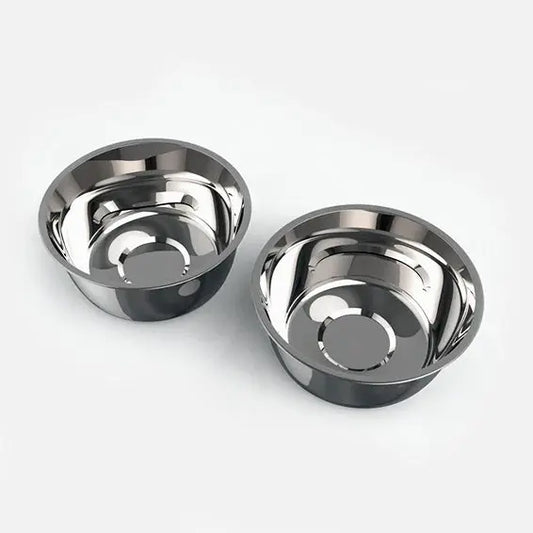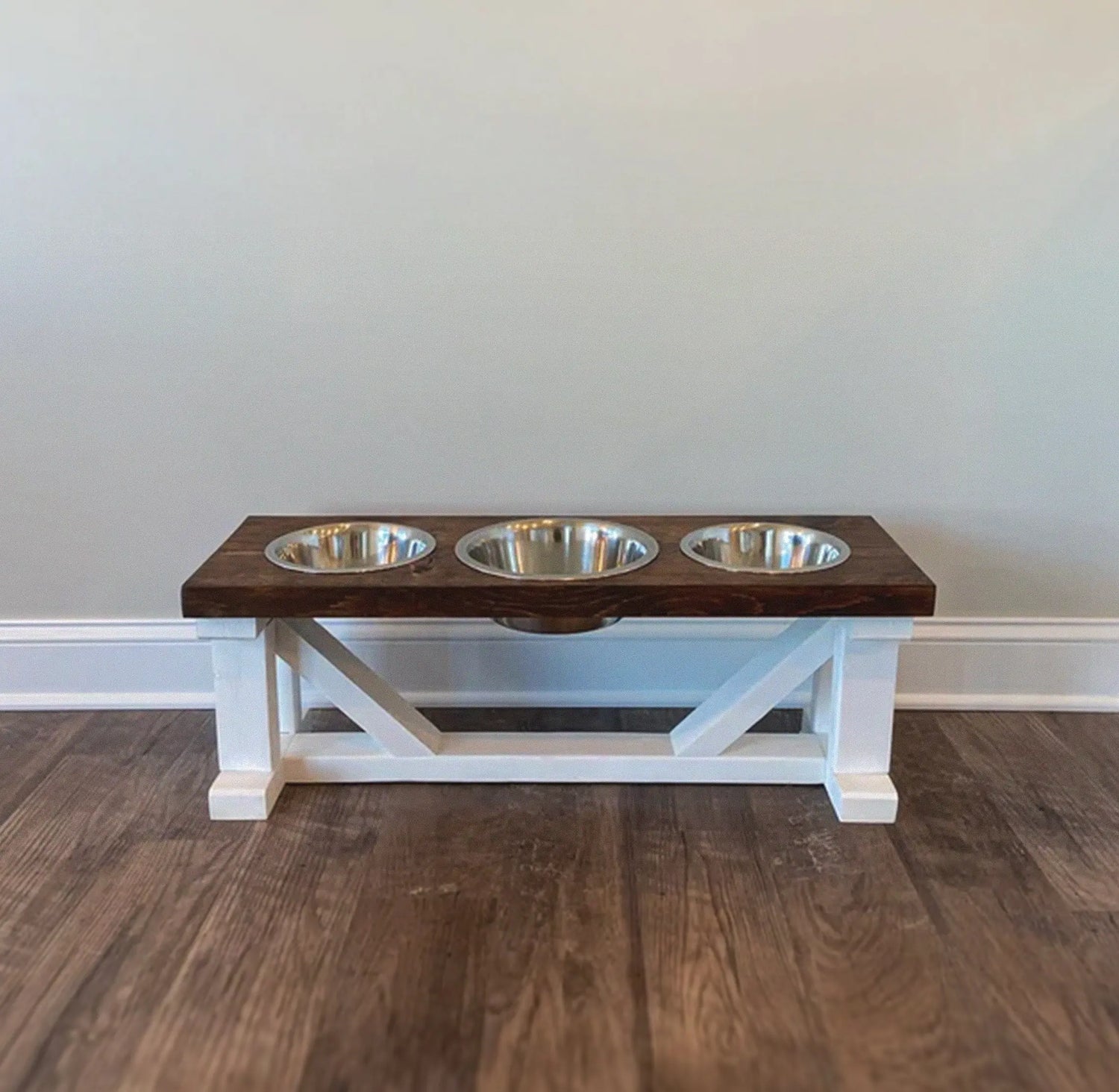


Most pet owners spend time choosing the right food and the right bowl. Far fewer stop to think about where that bowl sits and how much space surrounds it. Understanding why pet feeder footprint matters placement decisions is one of the most overlooked shifts you can make for your pet’s health. The footprint of your feeder, meaning the physical space it occupies plus the clear area around it, shapes how your pet approaches meals, how relaxed they feel, and even how well they digest their food. Get it right, and feeding becomes a calm, consistent routine.
Table of Contents
- Key takeaways
- Why pet feeder footprint matters for placement and pet health
- Practical pet feeder placement tips for a calmer mealtime
- Feeding in multi-pet households
- Automatic pet feeder placement and training
- Building your optimal pet feeder setup at home
- My take on what most pet owners miss
- Feed your pet better with Bearwoodessentials
- FAQ
Key takeaways
| Point | Details |
|---|---|
| Footprint goes beyond the bowl | The feeding area includes the feeder base, mat, and clear approach space around it. |
| Location controls stress levels | Placing feeders in low-traffic, low-noise areas reduces gulping, startle responses, and chronic anxiety. |
| Multi-pet homes need spacing | Separated feeding stations prevent resource guarding and allow every pet to eat calmly. |
| Automatic feeders have special needs | Stable surfaces, outlet access, and consistent placement help pets adapt and prevent malfunctions. |
| Adjust over time | Monitor your pet’s behavior at the station and modify placement as their needs or household dynamics change. |
Why pet feeder footprint matters for placement and pet health
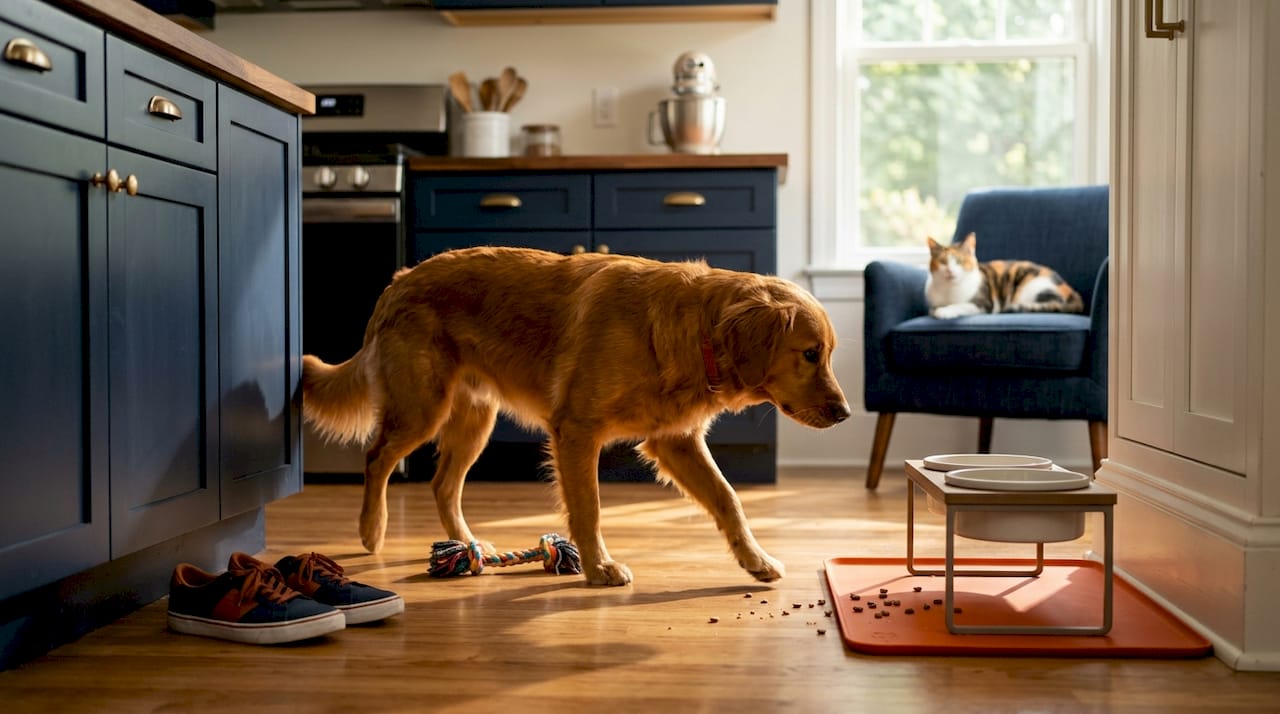
Think about your pet’s feeding station as a small environment they visit multiple times every day. It is not just a spot on the floor. It is a place your pet approaches with expectations, comfort levels, and physical needs. Poor placement can cause chronic stress, vomiting, and reflux in pets. That is a big consequence from something most people treat as an afterthought.
The “footprint” has three layers. First, there is the feeder base itself. Second, there is the mat or surface beneath it. Third, and most often ignored, is the clear space around the feeder that allows your pet to approach, eat, and exit without feeling trapped or startled. All three matter.
“Treat the feeding station as a carefully designed micro-environment that conditions pets’ stress and digestive health.” — PetCareLab
Here is what a poor footprint actually produces in practice:
- A dog that eats too fast because they feel exposed or anxious
- A cat that walks away from food mid-meal because household noise spooked them
- Picky eating patterns that are actually stress responses, not food preferences
- Vomiting after meals caused by gulping, which is often tied to feeding-area anxiety
Understanding the impact of feeder footprint shifts how you diagnose feeding problems. Before you switch proteins or try a new bowl, check the environment first. The feeder’s location and surrounding space are often the real culprits behind eating behavior issues.
For dogs especially, the feeding area needs clear approach lanes and visible exit routes. A pet that can see and access their food without cornering themselves will eat more slowly and more completely. This is particularly true for dogs with any history of resource guarding or anxiety. Reading up on elevated feeding for senior dogs adds another layer here, as posture during feeding compounds placement effects on digestion.
Practical pet feeder placement tips for a calmer mealtime
Choosing the right location is one of the highest-value changes you can make, and it costs nothing. These are placement rules that actually hold up in real homes.
- Pick a low-traffic zone. Busy hallways, the area near the back door, and spots next to kids’ play areas are all poor choices. Your pet needs predictability. If foot traffic near the bowl changes every day, your pet’s stress level will follow.
- Keep it away from noisy appliances. The area beside the dishwasher, washing machine, or HVAC vent is not a calm feeding zone. The sudden noise of a spin cycle can cause a startle response that your pet starts associating with mealtime.
- Avoid windows with distracting outdoor views. A cat fixated on a squirrel outside or a dog reacting to pedestrians will not eat well. Feed away from visual stimulation when possible.
- Never place feeders near the litter box. Cats especially are sensitive to feeding near elimination areas. It conflicts with their natural instincts.
- Use a non-slip mat under the feeder. Low-traffic placement combined with non-slip mats prevents the bowl from skidding, which startles pets and causes hesitation at the feeder. A good silicone mat solves this completely.
Consistency is just as important as location. Once you pick the right spot, keep it there. Moving the feeder around introduces novelty anxiety and slows adaptation, especially for cats. A predictable feeding location becomes a calming cue in itself.
Pro Tip: If your pet is a fast eater, pairing the right placement with a slow feeder can make a real difference. Placement reduces environmental stress, and the slow feeder addresses the physical pace of eating. Together, they work better than either one alone. Bearwoodessentials’ blog on smart feeding bowls covers how to combine both approaches effectively.
Feeding in multi-pet households
This is where footprint considerations get genuinely complex. When you have two or more pets, the spatial layout of feeding stations can be the difference between harmony and daily conflict.
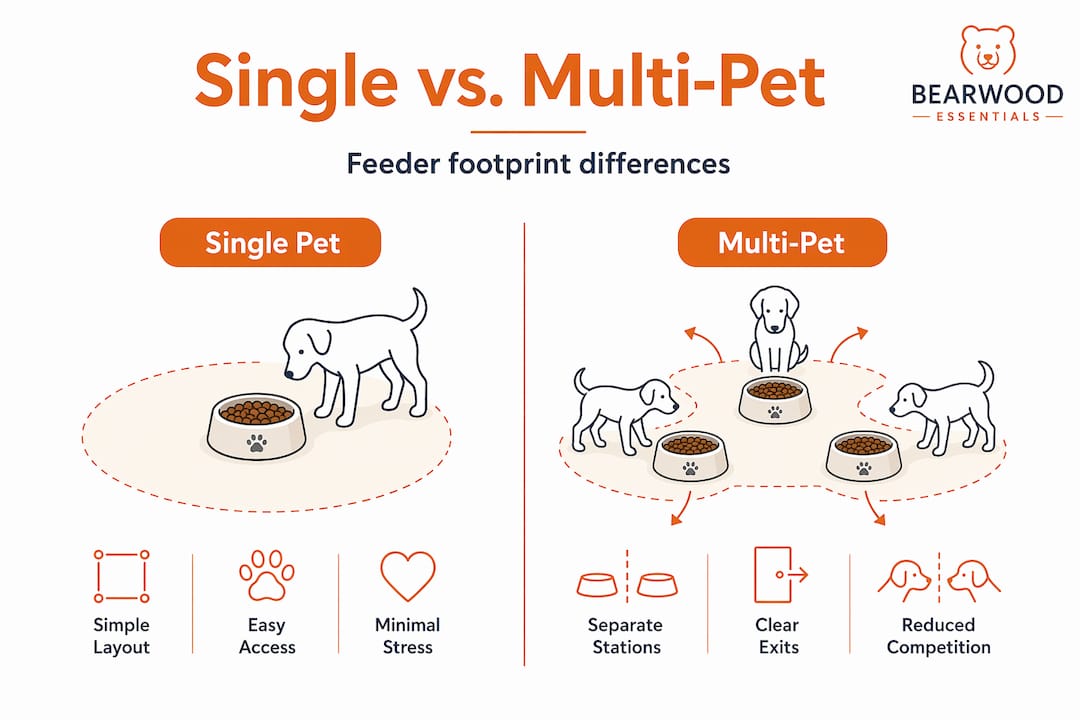
Separating feeding stations is the most effective way to reduce resource guarding, competition, and stress. But separation is not only about distance. It is also about line of sight and exit access.
Here is a quick comparison to help you think through your setup:
| Setup type | What works | What to avoid |
|---|---|---|
| Two pets, one room | Stations on opposite walls with clear exit paths | Stations facing each other with no physical separation |
| Three or more pets | Separate rooms or physical barriers during feeding | Corner placement where one pet traps another |
| Dogs and cats together | Elevated feeder for cat, floor feeder for dog | Single shared station or same tight space |
| Dominant and submissive pets | Feed submissive pet in protected area first | Feeding simultaneously in open shared space |
The reason corner placement is so problematic comes down to approach and escape routes. A submissive pet backed into a corner during a meal cannot exit without passing the dominant pet. That triggers anxiety, gulping, and sometimes complete food refusal over time. It is a spatial problem, not a personality problem.
- Keep a dedicated water station near each feeding area
- Use physical barriers like pet gates if tension is high during meals
- Feed cats on elevated surfaces when dogs share the space
- Rotate which pet eats first if competition is still happening despite separation
The goal is to give every pet in your home an approach lane they feel safe using and an exit they can take without confrontation.
Automatic pet feeder placement and training
Automatic feeders add a layer of placement complexity because the device itself has functional requirements beyond just being accessible to your pet. Getting placement right here affects both the machine’s reliability and your pet’s willingness to use it.
Placing the automatic feeder next to your pet’s old bowl for the first two to three days is the single most effective way to reduce transition anxiety. Your pet already has positive associations with their usual spot. Gradual spatial transition keeps those associations intact while building new ones.
Once your pet is comfortable, consider these placement requirements:
- Stable, level surface. An uneven floor causes the feeder to shift, dispense incorrectly, or tip during meals. Anti-tip designs and non-slip mats solve most of this, but the surface still matters.
- Proximity to an outlet. Extension cords across walking paths are a tripping hazard and a pet chewing risk. Plan placement around where power is actually available.
- Wi-Fi proximity if needed. Smart feeders with app connectivity need a stable signal. Dead zones lead to missed meals and alert failures.
- Away from direct sunlight and humidity. Both degrade food faster and can cause mechanical jams. A humid spot near a sink or a sun-baked corner by the window shortens the feeder’s effective lifespan.
Pro Tip: Consistency in feeder placement is especially important during the training phase. Moving the automatic feeder even once after your pet has adjusted can reset their comfort level completely. Pick the final spot before training begins, not after.
Automatic feeder placement also affects hygiene and maintenance. A feeder tucked against a wall on three sides is harder to clean and inspect. Leave enough clearance on at least two sides to access the unit fully.
Building your optimal pet feeder setup at home
Pulling all of this together means thinking about your pet’s feeding station as a system, not just a bowl. Here is a practical process to set it up right.
- Map the traffic patterns in your home. Walk through your typical day and note where foot traffic concentrates. Your feeder goes somewhere that traffic avoids.
- Check for noise sources. Identify appliances, vents, and areas where unexpected sounds happen. The feeding zone should be acoustically calm.
- Measure and plan the full footprint. Include the feeder base, a mat extending at least six inches on each side, and two to three feet of open approach space in front.
- Place water nearby but not touching. Pets prefer water at a slight distance from food. This is natural behavior worth respecting.
- Add accessories that stabilize the setup. A quality silicone food mat prevents skidding, catches spills, and defines the station visually for your pet. A well-designed elevated feeder keeps the bowl at the right height and stays put during meals.
- Watch and adjust. After a week, observe your pet at the feeder. Are they eating quickly? Approaching hesitantly? Leaving food behind? Each behavior is feedback on the placement and setup you chose.
The benefits you notice from an optimal pet feeder setup show up fast. Slower eating, less mess, fewer post-meal stomach issues, and a more relaxed pet approaching the bowl are all realistic results from a thoughtful feeding station footprint.
My take on what most pet owners miss
I’ve seen pet owners spend real money on premium foods and beautiful handcrafted feeders, only to place them right next to a noisy laundry room or in a busy kitchen corner. The feeder does its job, but the location undermines everything.
In my experience working with multi-pet households, the most persistent feeding problems are spatial, not dietary. A dog that suddenly stopped finishing meals was not bored with the food. A second dog had been placed close enough that the first felt pressure during eating. Moving the stations apart fixed the problem within three days.
What I’ve learned is that most people think about feeder design first and placement last. It should be the other way around. You can put a beautifully crafted elevated feeder in a terrible location and still end up with a stressed, gulping, picky eater. The footprint and the environment around the feeder shape your pet’s experience more than almost any product feature.
The other thing I’d push back on is the idea that once placement is set, you are done. Pets change. Households change. A new baby, a new pet, or even rearranging the furniture can shift the dynamics of your feeding station. Revisit it when anything in your home changes. Tune in to your pet’s behavior at the bowl. They will tell you when something is off. Your job is to listen and adjust.
— Kim
Feed your pet better with Bearwoodessentials
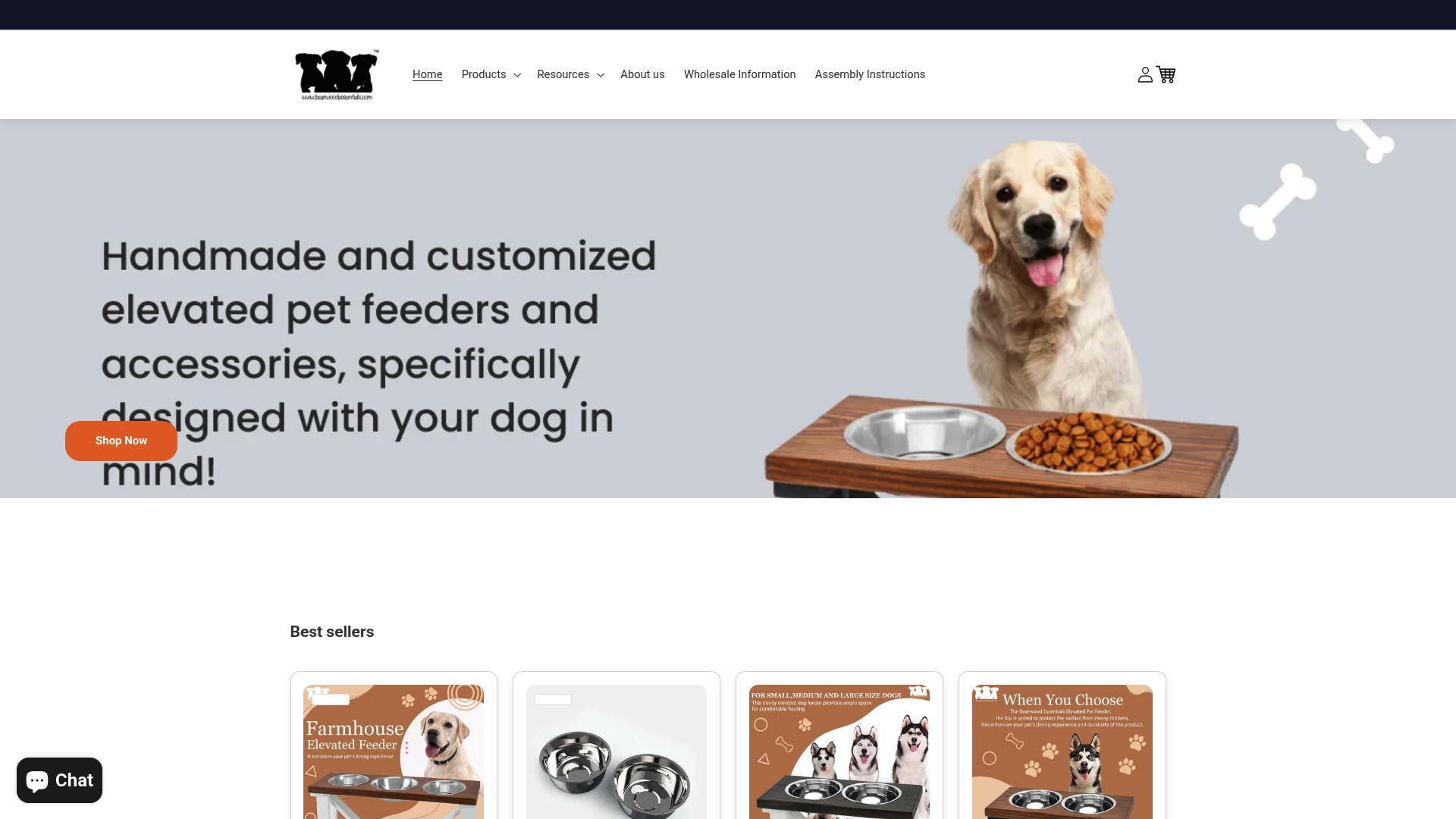
Knowing where to place your feeder matters. Having the right feeder to place there matters just as much. At Bearwoodessentials, every feeder is handcrafted with stable, durable construction designed to stay put during meals and complement your feeding station setup. The Small Single Feeder P901 and the Large Single Feeder P899 give you size-appropriate elevated options with sturdy bases that work well with the placement principles in this article. Pair either with a Messy Mutts silicone food mat to anchor your station and reduce mess. Browse the full range at Bearwoodessentials and find the setup that fits your pet and your home.
FAQ
What is the feeder footprint and why does it matter?
The feeder footprint includes the feeder base, the mat beneath it, and the open space around it that allows your pet to approach and exit comfortably. A well-planned footprint reduces stress and gulping and supports healthier eating habits.
Where is the best place to put a pet feeder?
The best pet feeder position is a low-traffic, low-noise area away from appliances, doorways, litter boxes, and distracting windows. Consistency in that location helps your pet build a calm, predictable feeding routine.
How do I manage feeding stations with multiple pets?
Place each pet’s station in a separate area with clear exit routes, and avoid corner placement where one pet can trap another. Physical barriers or separate rooms work well for households with dominant and submissive pets eating together.
Does placement affect automatic pet feeders differently?
Yes. Automatic feeders need stable surfaces, outlet access, and placement away from sunlight and humidity to function reliably. Transitioning the feeder gradually by placing it near your pet’s old bowl for the first few days also reduces anxiety during training.
How often should I reassess my pet’s feeding station placement?
Reassess any time something in your home changes, such as a new pet, a new baby, or rearranged furniture. Watch for behavioral signals like hesitation, faster eating, or leaving food behind, as these often point to placement-related stress rather than food preferences.