
Custom color matching for pet products is the process of replicating a specific color with precision so that a finished pet accessory matches a chosen reference exactly. This goes far beyond picking a shade from a standard catalog. You select a target color, whether from a Pantone code, a fabric swatch, or a photo of your dog’s fur, and a manufacturer produces your item in that exact hue. The result is a personalized pet accessory that feels intentional, not accidental. Research shows that 89% of consumers feel a deeper emotional connection to brands when they purchase customized products. That statistic explains why so many pet owners now treat their pet’s feeding station or collar as part of their home’s overall design.
What is custom color matching for pet products?
Custom color matching for pet products is a collaborative design process where you and a manufacturer agree on a precise color target, then work through sampling rounds until the finished product matches that target. The industry term for this workflow is “color specification,” and it applies to everything from elevated feeders to leashes and harnesses.
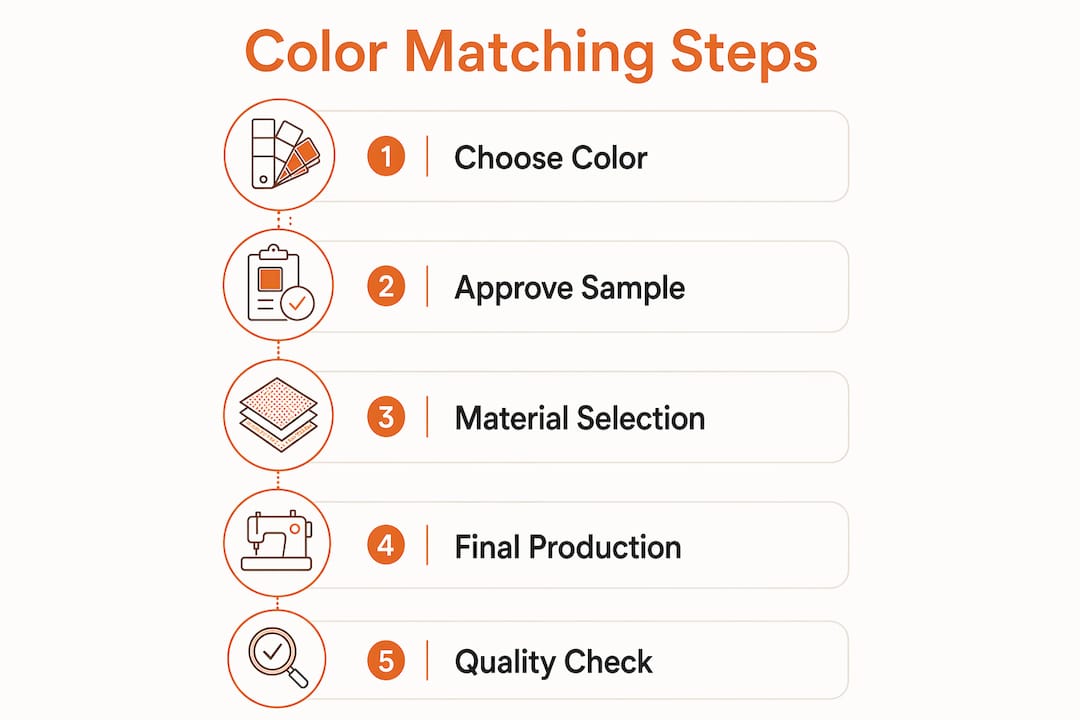
The process follows a clear sequence:
-
Submit your color reference. Provide a Pantone code, a physical fabric swatch, or a high-resolution photo. Pantone codes are preferred by manufacturers because they give a standardized language that removes guesswork from factory calibration. A Pantone chip leaves no room for interpretation, while a phone photo can look different on every screen.
-
Confirm material compatibility. Tell the manufacturer what material the product uses. A color that works beautifully on fabric may not be achievable on silicone or wood. This step prevents wasted sampling rounds.
-
Review the first prototype. The manufacturer produces a physical sample using your color reference. You compare it against your original swatch under consistent lighting, ideally natural daylight, not fluorescent office light.
-
Request adjustments if needed. Most projects require one to two rounds of revision. Be specific: “too warm,” “too saturated,” or “slightly darker” gives the factory clear direction.
-
Approve and release for production. Once the sample matches your reference, you sign off and full production begins.
Custom color development typically requires a 2–4 week sampling phase after you approve the initial visual references. Skipping this phase almost always leads to a color mismatch in the final product.
Pro Tip: Request that your manufacturer photograph the approved sample next to your original Pantone chip or swatch under daylight. Keep that photo on file. It becomes your quality control reference for every production run.
How to apply color theory when matching pet accessories
Color theory gives you a reliable framework for choosing colors that work together rather than clash. Two principles matter most for pet owners: analogous colors and complementary colors.
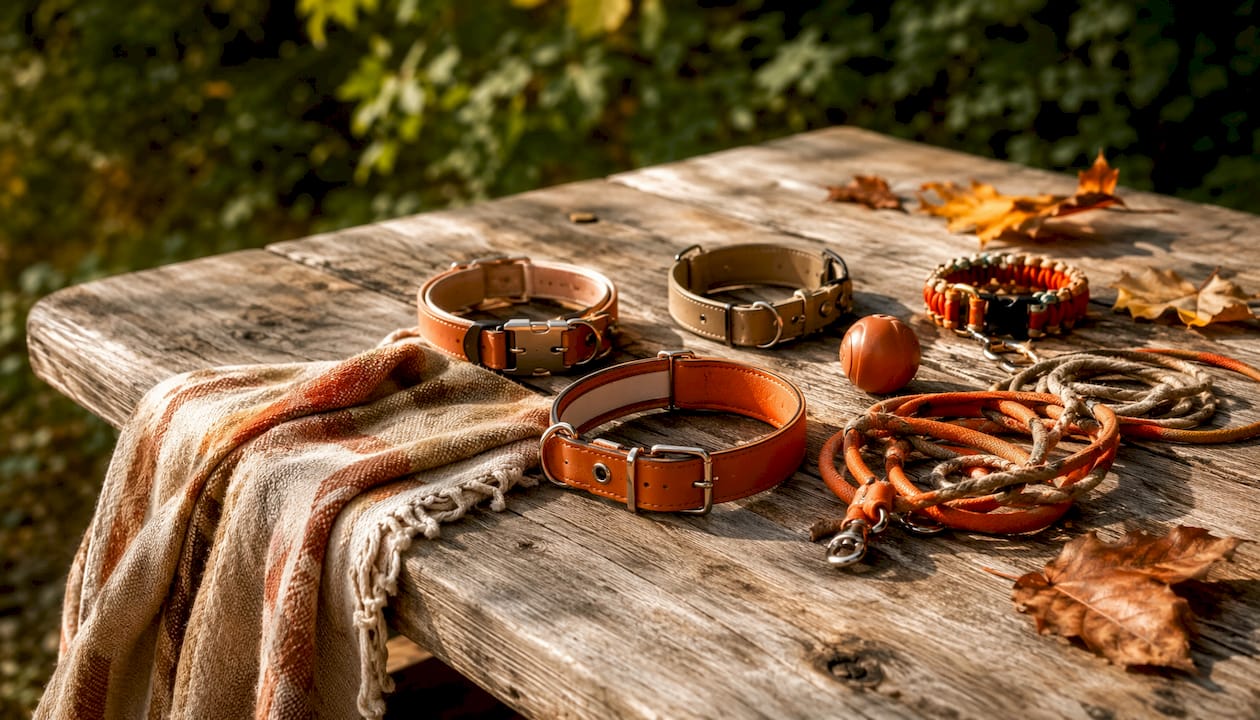
Analogous colors sit next to each other on the color wheel, such as warm tans, terracottas, and burnt oranges. Using analogous colors across your pet’s accessories and your room’s accent pieces creates a calm, unified look. Complementary colors sit opposite each other on the wheel, such as navy and amber. They create contrast and visual energy, which works well when you want a pet accessory to stand out as a design feature.
Contrast also plays a practical role in pet visibility. High-contrast colors like jewel tones are recommended for pets with light fur, while bright, saturated colors show up better against dark fur. A deep teal collar on a cream-colored Labrador is easy to spot. The same collar on a black Labrador disappears.
Here is a quick reference for coordinating pet accessory colors with common fur tones and home decor styles:
| Fur color | Recommended accessory colors | Works well with home decor style |
|---|---|---|
| Light/cream | Jewel tones, navy, forest green | Modern, Scandinavian, coastal |
| Golden/tan | Terracotta, rust, warm gray | Bohemian, farmhouse, earthy |
| Brown/chocolate | Sage green, dusty blue, cream | Traditional, transitional |
| Black/dark | Bright coral, mustard, cobalt | Eclectic, contemporary, bold |
| Gray/silver | Blush pink, lavender, charcoal | Minimalist, Art Deco, soft modern |
Seasonal shifts also influence color choices. Warmer, richer tones like burgundy and forest green suit fall and winter interiors. Lighter, cooler shades like sage and sky blue feel right in spring and summer. Updating a pet feeder’s finish or swapping a leash color seasonally is a low-cost way to keep your home’s look fresh. You can find practical guidance on matching feeders to decor to see how this works in real interiors.
Pro Tip: Rather than matching your pet’s accessory color exactly to a wall or furniture piece, choose a color from the same family but one shade lighter or darker. Exact matches can look flat. A slight variation creates depth and makes the accessory look intentional.
How does material affect color accuracy in pet products?
Material composition is the single biggest variable in whether a custom color comes out as expected. Silicone uses pigment mixing, while fabrics rely on dyeing or printing. Each method produces a different finish, and the same Pantone code can look noticeably different across materials.
Key material considerations for color matching:
- Silicone: Pigments are blended directly into the material before molding. Colors tend to be vibrant and consistent, but very light pastels and very dark shades can be difficult to achieve with accuracy.
- Wood: Stains and sealers absorb differently based on grain and density. Two pieces of wood from the same batch can take on slightly different tones. A swatch approval on the actual wood species you ordered is non-negotiable.
- Nylon and fabric: Dyeing produces rich, even color, but the base fabric color affects the final result. A yellow base fabric will shift any dye applied on top of it toward warmer tones.
- Leather: Dyes penetrate the surface and age over time. A color that looks perfect at delivery may shift slightly after a few months of use. Factor in this natural patina when choosing a shade.
- Metal: Powder coating and paint finishes offer good color accuracy, but gloss level affects perceived color. A matte navy looks darker than a gloss navy in the same Pantone code.
Safety is equally important. Pet-safe pigments, often OEKO-TEX certified or food-grade, are critical for any accessory your pet contacts directly. Chewable items, food bowls, and anything near a pet’s mouth require non-toxic pigments. Always ask your manufacturer for certification documentation before approving a sample. You can review what safety testing looks like for pet products in Bearwoodessentials’ quality testing guide.
Pro Tip: Ask your manufacturer to specify the gloss level of the finish alongside the color code. Two products with identical Pantone references but different gloss levels will not look the same side by side.
Practical tips for ordering custom color-matched pet products
Getting a satisfying result from a custom color order depends on how clearly you communicate and how carefully you review samples. Most disappointments come from skipping steps, not from poor manufacturing.
Follow these steps to protect your order:
-
Send a physical color reference, not just a digital file. Physical Pantone chips or fabric swatches are the most reliable references because digital images vary by screen calibration. Print the same image on two different monitors and you will see two different colors.
-
Specify the material and finish in writing. Verbal agreements get forgotten. A written spec sheet that lists the Pantone code, material, finish type, and gloss level gives both parties a clear record.
-
Request a pre-production sample before approving full production. Prototyping with 1–2 rounds of sampling is standard practice and adds 2–4 weeks to your timeline. That time is worth it. Skipping prototyping is the most common cause of unsatisfactory custom color results.
-
Evaluate samples under natural light. Fluorescent and LED lighting shift color perception significantly. Hold your sample next to your original reference near a window before approving.
-
Document your approval in writing. Email a confirmation that includes a photo of the approved sample next to the reference. This protects you if the production run comes back inconsistent.
-
Account for material aging. Ask the manufacturer how the color will change over time, especially for leather, wood, and fabric. A color that ages gracefully is better than one that looks perfect on day one and fades unevenly by month six.
Understanding the full ordering process for customized items is covered in detail in Bearwoodessentials’ guide on ordering custom finishes, which walks through each stage from specification to delivery.
Key Takeaways
Custom color matching for pet products delivers consistent, personalized results only when you combine precise color references, material knowledge, and a structured sampling process.
| Point | Details |
|---|---|
| Use Pantone codes as references | Pantone codes give manufacturers a standardized target that removes color guesswork. |
| Material determines color outcome | Silicone, wood, fabric, and metal each respond differently to the same color specification. |
| Prototyping is non-negotiable | Plan for 1–2 sample rounds and 2–4 weeks of development before full production begins. |
| Prioritize pet-safe pigments | Always request OEKO-TEX or food-grade certification for any accessory your pet contacts directly. |
| Match to decor with color theory | Use analogous colors for calm cohesion or complementary colors for intentional contrast in your home. |
Why color matching is more technical than most pet owners expect
I have seen pet owners spend weeks choosing the perfect shade for a custom feeder, only to receive a product that looks nothing like what they imagined. The frustration is real, and it is almost always preventable.
The mistake I see most often is treating color matching like ordering a paint chip from a hardware store. You point at a color, and it appears. Custom pet product design does not work that way. Color is a negotiation between your vision, the material’s physical properties, and the manufacturer’s production process. A color that looks warm and earthy on your phone screen can come out cold and flat on a wood stain because the grain absorbed the pigment unevenly.
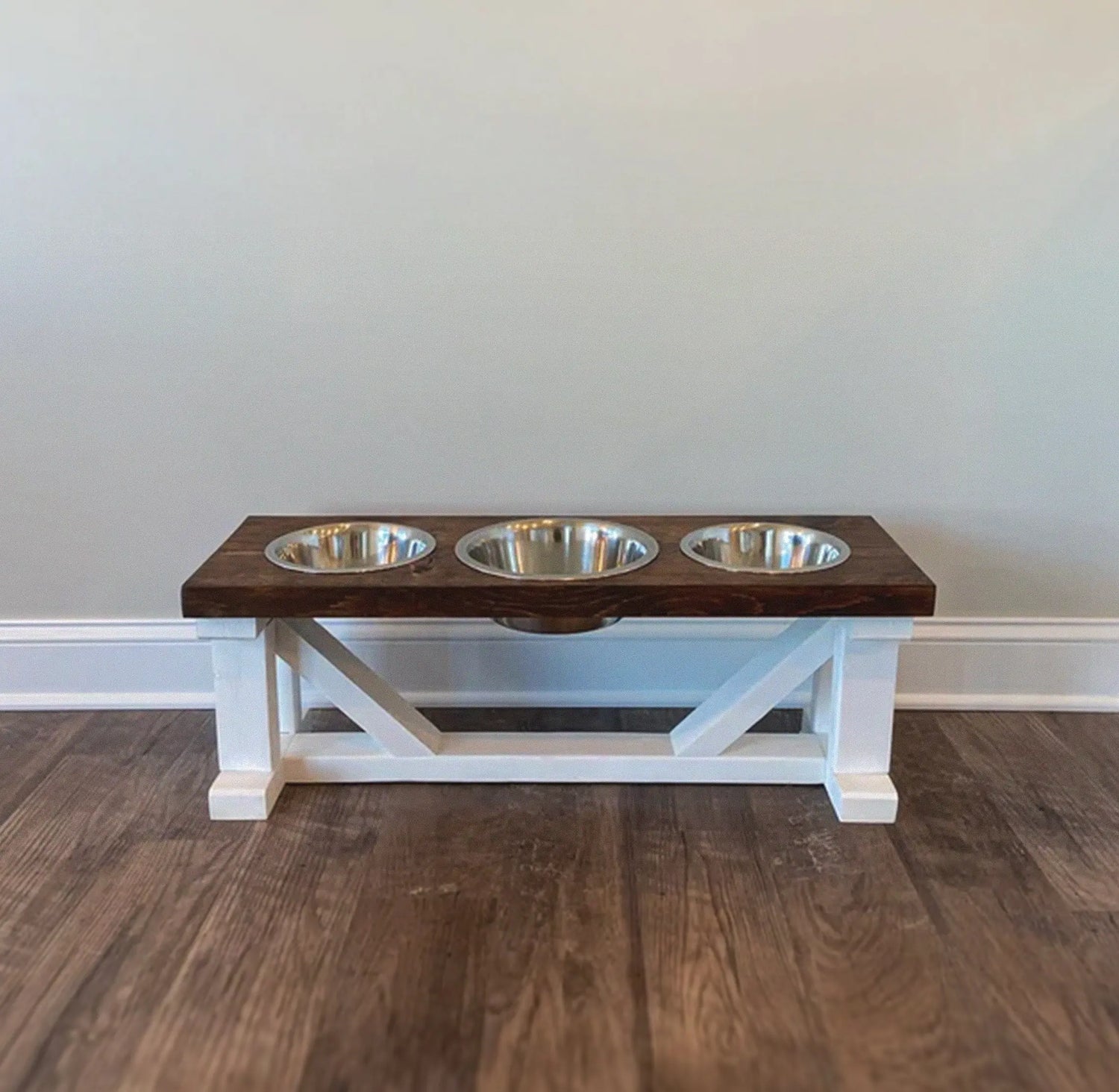
What I find most rewarding about this process, when it is done right, is the result. A handcrafted elevated feeder in a finish that genuinely complements your kitchen’s warm oak tones does not look like a pet product. It looks like it belongs. That is the real goal of custom color matching for pet products: not novelty, but integration.
My honest advice for pet owners new to this process is to slow down at the reference stage. Spend the extra effort to get a physical Pantone chip or cut a swatch from a fabric you already own. That single step will save you more time and money than any other part of the process. And always prioritize safety alongside style. A beautiful color on a food bowl means nothing if the pigment is not certified non-toxic. The best custom pet accessories are the ones your pet can use safely every day, not just the ones that photograph well.
— Kim
Bearwoodessentials’ handcrafted feeders with custom finish options
Bearwoodessentials builds elevated pet feeders and accessories by hand, using quality wood and metal that take custom finishes well. Each piece is designed to work as a functional feeding solution and as a considered part of your home’s decor.
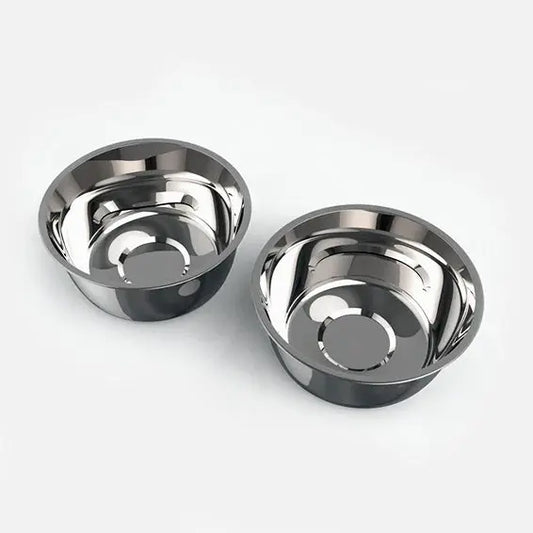
If you have been thinking about a feeder that matches your kitchen’s warm tones or your living room’s color palette, Bearwoodessentials offers finish options across its product range. The handmade metal dog bowl feeder and the wooden raised dog feeder are both built to accommodate custom color specifications. Free U.S. shipping applies to qualifying orders. Browse the full range at Bearwoodessentials to find a feeder that fits your pet and your home.
FAQ
What is custom color matching for pet products?
Custom color matching for pet products is the process of producing a pet accessory in a specific, pre-approved color using references like Pantone codes or physical swatches. The goal is a finished product that matches your chosen color precisely and integrates with your home decor.
How long does custom color matching take?
The development and sampling phase typically takes 2–4 weeks after you approve the initial color reference. Budget additional time if more than one sample round is needed.
Why do custom colors sometimes look different from what I expected?
Digital images vary by screen calibration, so a color viewed on a phone or monitor rarely matches the finished product exactly. Physical Pantone chips or swatches are the most reliable references for accurate color matching.
Are the pigments used in custom pet products safe?
High-quality manufacturers use OEKO-TEX certified or food-grade pigments for pet accessories. Always ask for certification documentation before approving a sample, especially for items that contact your pet’s food or mouth.
How do I choose a color that works with both my pet’s fur and my home decor?
Use color theory as your guide. Jewel tones work well against light fur, while bright, saturated colors show up better on dark fur. For home decor, choose a color from the same family as your existing accents rather than an exact match.