
Easy clean dog feeder design features are the specific material choices and construction details that make a dog bowl simple to wash, resistant to bacteria, and safe for daily use. The right feeder does more than hold food. It protects your dog from harmful bacterial buildup, reduces spill cleanup, and holds up through hundreds of dishwasher cycles. This guide covers the materials, structural details, and anti-tip dog feeder design features that matter most, so you can choose a feeder that works as hard as you do.
1. What materials make dog feeders easiest to clean?
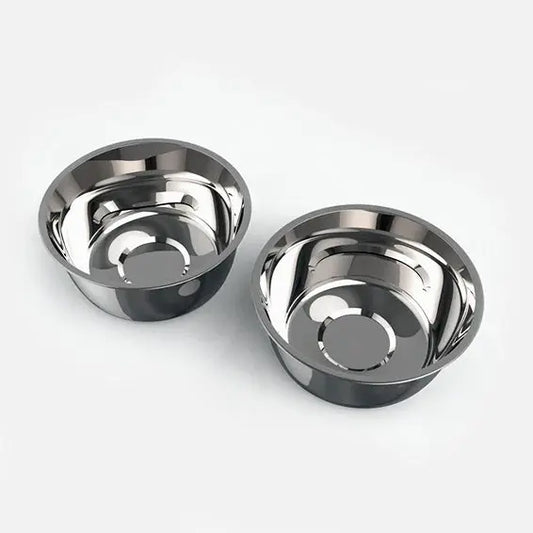
Stainless steel is the top material for easy to maintain pet dishes. It is non-porous, rust-resistant, and fully dishwasher safe. Testing nearly 40 bowls confirms stainless steel’s superior hygiene and ease of maintenance compared to plastic and most ceramic options.
Ceramic bowls with a glazed finish are a strong second choice. The glaze seals the surface, preventing food oils from soaking in. Unglazed ceramic is porous and should be avoided for the same reason scratched plastic is a problem.
Plastic is the most common feeder material and the most problematic. Scratches from daily use create microscopic grooves where bacteria hide. Veterinarian Dr. Amy Fox recommends non-porous materials like stainless steel or ceramic for sensitive dogs specifically because plastic scratches harbor bacteria that cleaning cannot fully remove.
-
Stainless steel: Non-porous, dishwasher safe, rust-resistant, long-lasting
-
Glazed ceramic: Smooth surface, easy to wipe, heavier and more stable
-
Plastic: Lightweight and cheap, but scratches easily and traps bacteria
Pro Tip: Replace any plastic bowl that shows visible scratches. No amount of scrubbing removes bacteria from those grooves. Switch to stainless steel or glazed ceramic and you eliminate the problem at the source.
2. Which design features enhance cleaning ease?
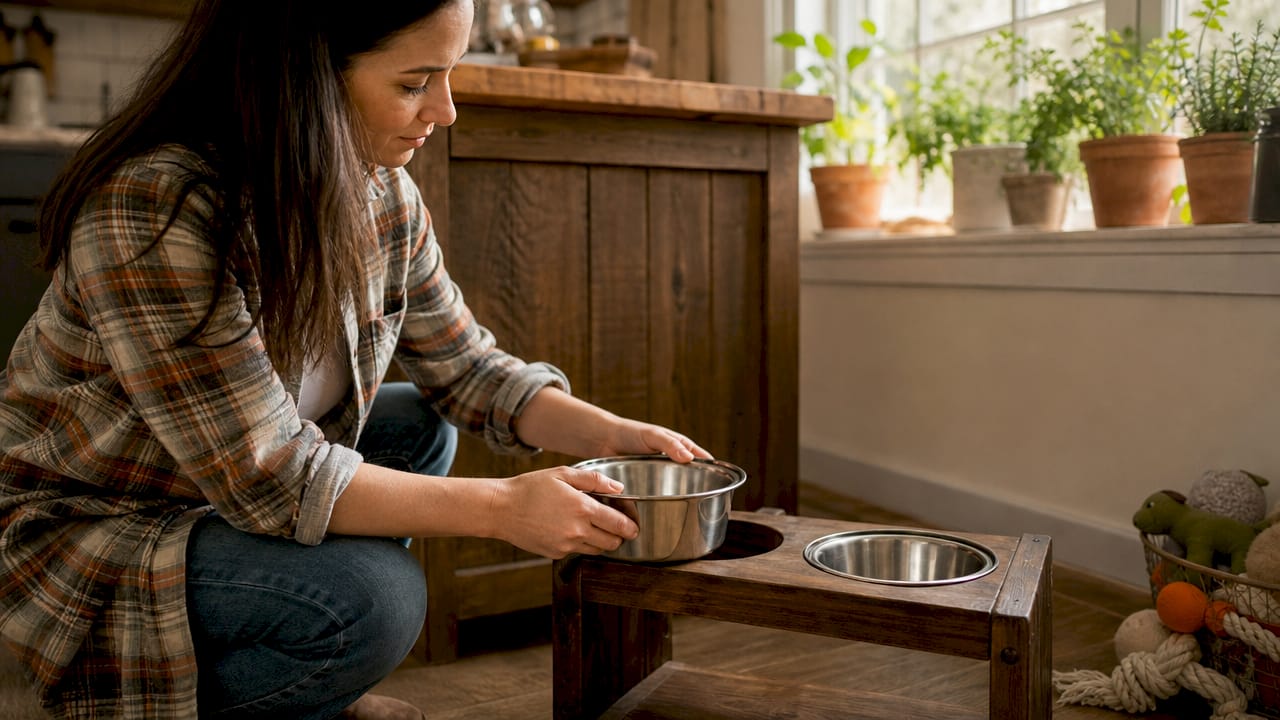
Removable bowls are the single most practical feature of easy clean dog bowls. When the bowl lifts out of its stand, you can run it through the dishwasher without disassembling the entire feeder. Stands with fixed, non-removable bowls force you to hand-wash around corners and joints where residue collects.
Smooth interior surfaces with no ridges or decorative patterns are far easier to clean than textured ones. Experts recommend trays with simple ridges over complex mazes for hygiene reasons. Complex slow feeder maze patterns trap food particles in every corner, and a standard dishwasher cycle cannot always reach them.
A 15-degree tilted, elevated design promotes ergonomic neck comfort and reduces food spillage compared to flat feeding stations. Less spillage means less mess around the feeder base, which directly cuts your daily cleanup time.
Key design features to look for:
-
Removable, dishwasher-safe bowl inserts
-
Smooth interior with no sharp corners or deep grooves
-
Wide bowl opening for easy sponge access
-
Elevated stand that keeps the bowl off the floor
-
Tilted angle to reduce food scatter
Pro Tip: Before buying, flip the bowl upside down and run your finger along the rim. Any ridge, seam, or rough edge you feel is a future bacteria trap. The cleaner the rim, the easier the bowl is to maintain.
3. How do anti-tip and stability features improve cleanliness?
Anti-tip dog feeder design features prevent the single biggest source of mealtime mess: a tipped or sliding bowl. When a bowl slides across the floor, food and water spread over a wide area. That mess is harder to clean than a contained spill, and wet food left on floors can attract pests.
A weighted, non-slip base with silicone dots keeps feeders in place and reduces spills. Silicone grips work on tile, hardwood, and laminate without scratching the floor surface. Some feeders use suction cup bases for even stronger grip. The FurryBasics® slow feeder uses 8 suction cups to stabilize its feeder effectively, which is a practical example of how stability engineering directly reduces mess.
Anti-spill ridges around the bowl rim catch food that would otherwise scatter. Elevated stands with a secure bowl fit prevent the bowl from rattling or shifting during feeding. When the bowl stays put, cleanup stays minimal.
Stability features that reduce cleaning frequency:
-
Suction cup or silicone dot base grips
-
Heavy-weighted feeder body
-
Snug bowl-to-stand fit with no wobble
-
Anti-spill rim around the bowl edge
-
Elevated height that discourages pawing at the bowl
4. Comparing popular easy clean feeder types and features
Not all feeders deliver the same level of cleaning convenience. The table below compares the most common feeder types on the features that matter most for hygiene and maintenance.
| Feeder type | Material | Dishwasher safe | Anti-tip feature | Ease of cleaning |
|---|---|---|---|---|
| Elevated stand with removable steel bowl | Stainless steel | Yes | Silicone base or weighted stand | Excellent |
| Flat ceramic bowl | Glazed ceramic | Usually yes | None built-in | Good |
| Plastic slow feeder | Plastic | Often yes | Suction cups | Fair (complex ridges trap food) |
| Automatic feeder with auger dispenser | ABS plastic or steel | Partial (bowl only) | Weighted base | Good (bowl removable) |
| Flat plastic bowl | Plastic | Yes | None | Poor (scratches over time) |
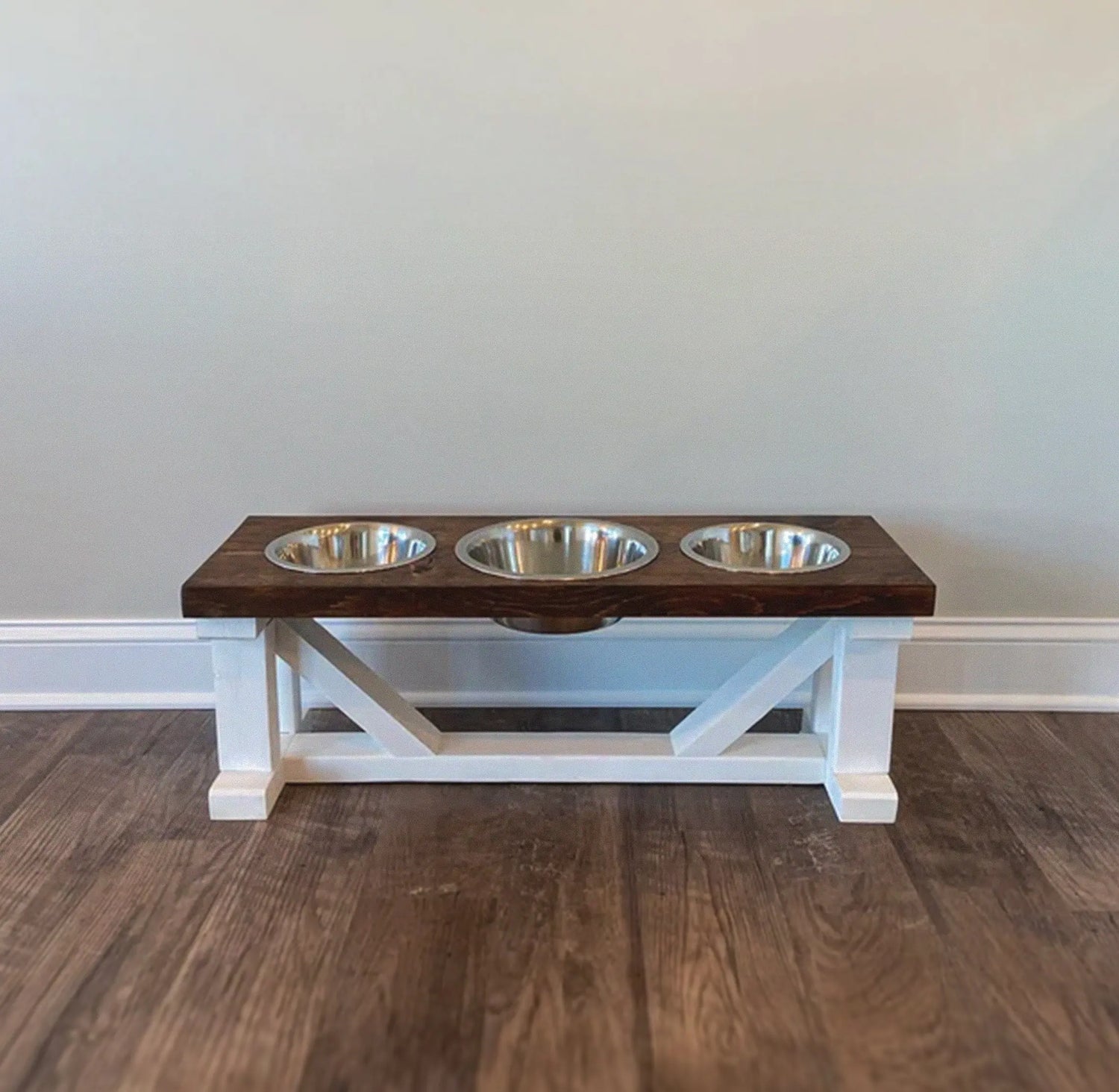
Elevated feeders with removable stainless steel bowls rank highest for overall cleanability. The stand stays dry while the bowl goes straight into the dishwasher. Bearwoodessentials builds its wooden raised feeders with removable stainless steel bowls for exactly this reason.
For owners who want automatic feeding, auger-based dispensers are cleaner than flap-based designs. Auger-based food dispensing reduces jamming compared to flap-based designs, and the portioning variance drops from ±12.7% with flap systems to ±2.3% with auger systems. Consistent portioning means less overflow and less mess around the feeder.
Budget options in glazed ceramic work well for dogs without strong chewing habits. Premium stainless steel elevated feeders cost more upfront but outlast plastic alternatives by years and never develop bacteria-trapping scratches.
5. A hidden hygiene risk most owners miss
Moisture and food oils migrate beneath stainless steel inserts in elevated stands. This creates a hidden bacterial growth zone that most owners never think to clean. Sealed, non-porous rims or removable liners are critical to prevent unnoticed contamination under bowls.
The fix is simple. Lift the bowl out of the stand at least once a week and wipe the contact surface underneath. If your stand has a sealed rim around the bowl opening, check that the seal is intact. A cracked or worn seal lets moisture in and traps it.
Food-grade liquid silicone rubber, used in some premium feeder components, has near-zero moisture absorption. That property makes it far more hygienic than standard plastic parts in the same position. When you see silicone used for bowl gaskets or stand liners, that is a deliberate hygiene choice, not just a comfort feature.
6. Cleaning tips for dog feeders that last
A consistent cleaning schedule protects your dog and extends the life of the feeder. Daily rinsing removes surface residue. A full dishwasher cycle three to four times per week handles the deeper cleaning that rinsing misses.
For stuck-on food, soak the bowl in warm water for 10–15 minutes before washing. This softens dried food without requiring abrasive scrubbing. Abrasive pads scratch stainless steel and ceramic surfaces over time, creating the same bacteria-trapping grooves you were trying to avoid with plastic.
Slow feeders with ridge patterns need extra attention. Simple ridge designs are far easier to clean than complex maze patterns. Use a soft bottle brush to reach between ridges after soaking. Check removable parts for wear every few months and replace them when the surface feels rough or shows discoloration.
Practical cleaning habits:
-
Rinse bowls daily, dishwasher cycle 3–4 times per week
-
Soak before scrubbing to avoid surface damage
-
Use a soft brush on ridged slow feeders
-
Lift bowls from stands weekly to clean underneath
-
Replace worn or scratched bowls promptly
For dogs with food sensitivities, clean eating for pets starts with a hygienic bowl. A scratched or contaminated surface can undermine even the best diet.
Key takeaways
The most effective easy clean dog feeder combines a non-porous stainless steel or glazed ceramic bowl with removable, dishwasher-safe inserts and a stable, anti-tip base that prevents spills before they happen.
| Point | Details |
|---|---|
| Material is the foundation | Stainless steel and glazed ceramic resist bacteria; plastic scratches and traps it. |
| Removable bowls are non-negotiable | Bowls that lift out go in the dishwasher, which is the most thorough clean available. |
| Anti-tip features cut cleanup time | Silicone bases, suction cups, and weighted stands prevent spills at the source. |
| Hidden moisture is a real risk | Lift bowls from stands weekly to clean the contact surface underneath. |
| Simple ridge designs clean better | Complex slow feeder mazes trap food particles that brushes and dishwashers miss. |
What I’ve learned after years of watching owners choose the wrong feeder
The most common mistake I see is choosing a feeder based on looks and then struggling with it for years. A beautiful ceramic bowl with an unglazed base or a plastic slow feeder with a maze pattern that looks fun but never gets fully clean. Both are problems that show up three months after purchase, not at the store.
The second mistake is ignoring the stand. Owners focus on the bowl and forget that the stand is where moisture collects. I have seen elevated feeders with gorgeous stainless steel bowls sitting on wooden stands with no sealed rim. The wood absorbs moisture, warps, and becomes a bacteria source. The ergonomic benefits of elevated feeding are real, but only if the stand is built to stay dry.
My honest recommendation: buy the feeder that is easiest to take apart. If you can remove the bowl, wipe the stand, and run everything through the dishwasher in under two minutes, you will actually do it every day. If cleaning requires tools or awkward angles, you will skip it. And skipping it is where the health problems start.
One more thing. Do not wait until a bowl is visibly dirty to replace it. Stainless steel bowls last for years, but if yours has deep scratches or a worn rim seal, replace it. Bearwoodessentials sells replacement stainless steel bowls separately, which is a practical option that most feeder brands do not offer.
— Kim
Handcrafted feeders built for easy cleaning at Bearwoodessentials
Bearwoodessentials designs its elevated feeders with hygiene as a core priority, not an afterthought. Each feeder features removable stainless steel bowls that go straight into the dishwasher, stable stands with non-slip bases, and sealed construction that prevents moisture from collecting underneath.
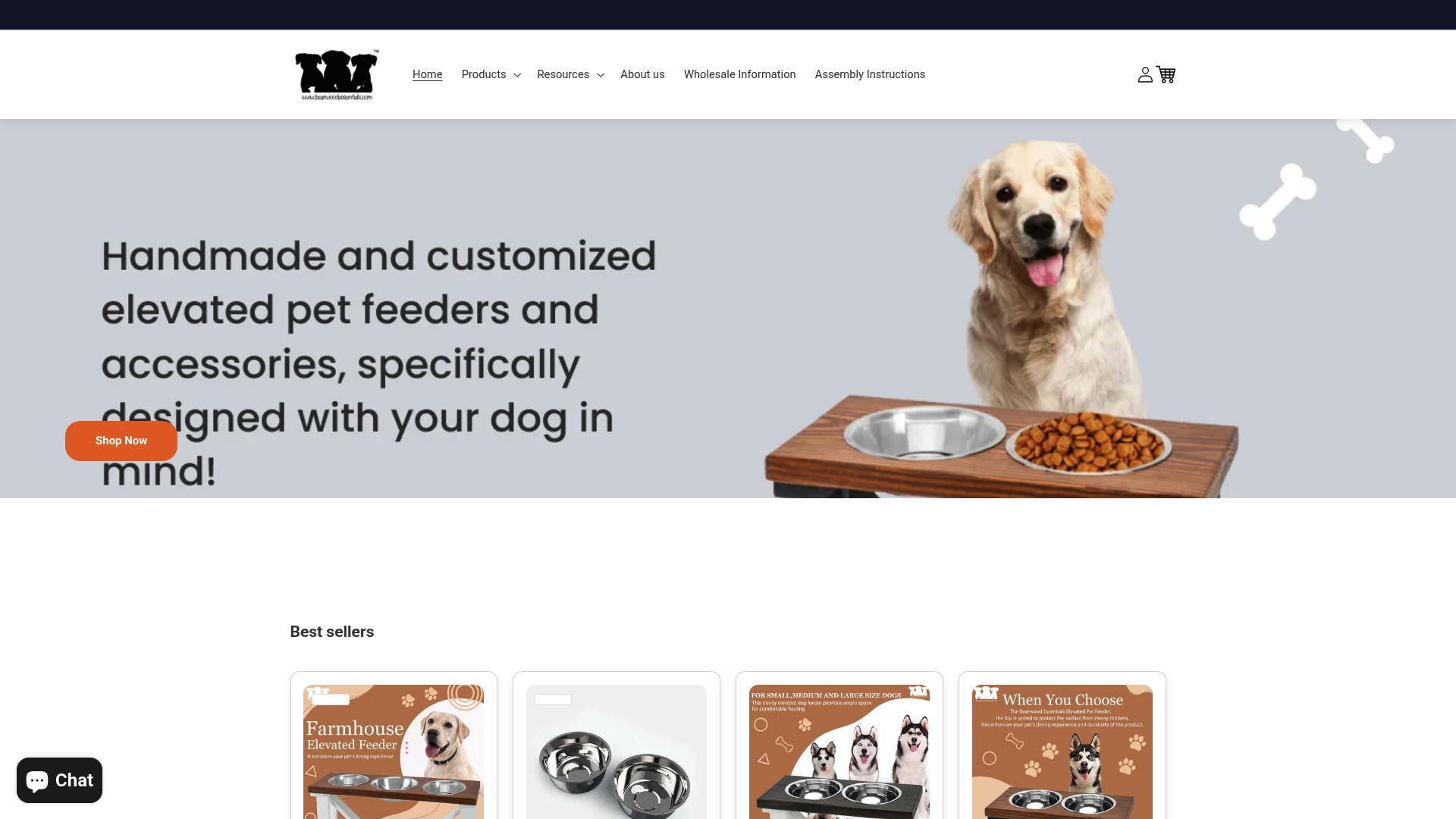
The handmade metal dog bowl feeder combines a rust-resistant steel bowl with a sturdy raised stand, giving your dog an ergonomic feeding position while keeping your cleanup routine simple. For owners who want two bowls in one station, the wooden raised double feeder offers the same dishwasher-safe convenience with a handcrafted wood stand built to last. Browse the full collection at Bearwoodessentials and find the feeder that fits your dog’s size, your home’s style, and your cleaning routine.
FAQ
What is the best material for an easy clean dog feeder?
Stainless steel is the best material for easy clean dog feeders. It is non-porous, dishwasher safe, and does not develop bacteria-trapping scratches the way plastic does.
Are elevated dog feeders easier to clean than flat bowls?
Elevated feeders with removable bowls are easier to clean because the bowl lifts out for dishwasher use. The stand stays dry and only needs a quick wipe, which reduces total cleaning time.
How often should I clean my dog’s feeder bowl?
Rinse the bowl daily and run it through the dishwasher three to four times per week. Also lift the bowl from its stand weekly to clean the contact surface underneath, where moisture collects.
What anti-tip features should I look for in a dog feeder?
Look for silicone dot bases, suction cup grips, or weighted stands. These features keep the feeder in place during meals and prevent spills that require floor cleanup.
Are slow feeder bowls harder to keep clean?
Yes. Complex maze patterns in slow feeders trap food particles that standard dishwasher cycles miss. Choose a slow feeder with simple ridge patterns and use a soft bottle brush after soaking to clean between ridges effectively.