
A functional dog feeding station is a dedicated, organized area that consolidates your dog’s bowls, food storage, and cleanup supplies into one ergonomic, hygienic setup. Your functional dog feeding station checklist should include airtight food storage, a raised feeder at the correct height, non-slip wipeable mats, and organized accessory storage. Done right, this setup protects your dog’s joint health, keeps food fresh, and eliminates the daily chaos of scattered pet supplies. The good news: a complete basic setup costs under $100 with the right priorities.
1. The functional dog feeding station checklist: core items first
Before buying anything, understand what a complete dog food station must-haves list actually covers. The three non-negotiable categories are food storage, feeding bowls, and floor protection. Every other item builds on these three.
A dedicated feeding station does more than organize your space. Consistency in feeding location reduces anxiety and improves digestion in dogs, making routine as important as the physical setup itself. Think of the station as a system, not just a collection of products.
The ideal setup consolidates all supplies within three feet of wall space, preventing scattered pet items and clutter throughout your home. That constraint is a useful design rule: if something doesn’t fit within arm’s reach of the bowls, it probably belongs somewhere else.
2. Airtight food storage containers
Airtight food storage is the single most important item on any dog feeding station essentials list. Exposure to air, moisture, and light degrades kibble nutrients faster than most owners realize. Modern storage containers now use desiccant cartridges and UV-blocking materials to actively preserve kibble freshness, which is a meaningful upgrade over basic plastic bins.
The most common mistake owners make is buying a container that is too large for their kibble bag. Matching container size to bag size, such as using a 33-quart container for a 25-pound bag, minimizes air exposure and prevents oxidation. An oversized container leaves excess air inside, which speeds up nutrient degradation even with a sealed lid.
-
Choose containers with a rubber gasket seal and a locking latch
-
Look for BPA-free materials rated for food contact
-
Opt for opaque or UV-resistant walls to block light
-
Select a size that closely matches your typical kibble bag weight
Pro Tip: Label your container with the food’s open date. Dry kibble should be used within six weeks of opening, regardless of the printed expiration date.
Bowls and storage should also be sanitized on a regular schedule. Containers need cleaning every two to four weeks, and bowls need daily washing to prevent bacterial buildup. That schedule is easy to maintain when everything lives in one organized station.
3. The right bowls: material and size
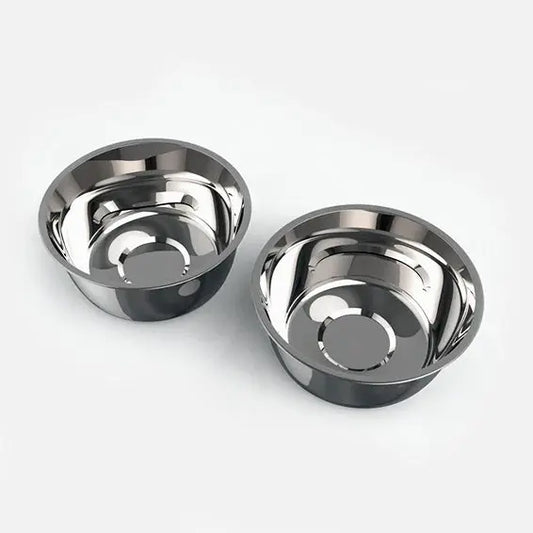
Bowl material directly affects your dog’s health and your cleaning workload. Stainless steel bowls are the preferred choice over plastic or ceramic because they resist rust, harbor fewer bacteria, and withstand daily dishwasher cycles without degrading. Plastic bowls scratch easily, and those scratches trap bacteria even after washing.
Ceramic bowls are a reasonable middle option if they are lead-free and dishwasher safe, but they chip over time and require more careful inspection. BPA-free plastic is acceptable for travel but not ideal as a permanent station bowl. For a home setup, stainless steel is the clear standard.
Bowl size matters as much as material. A bowl that is too shallow causes your dog to push food across the floor. A bowl that is too deep makes it difficult for flat-faced breeds like Bulldogs or Pugs to reach the bottom comfortably. Match bowl diameter and depth to your dog’s muzzle shape and portion size.
4. Ergonomic feeder height and layout
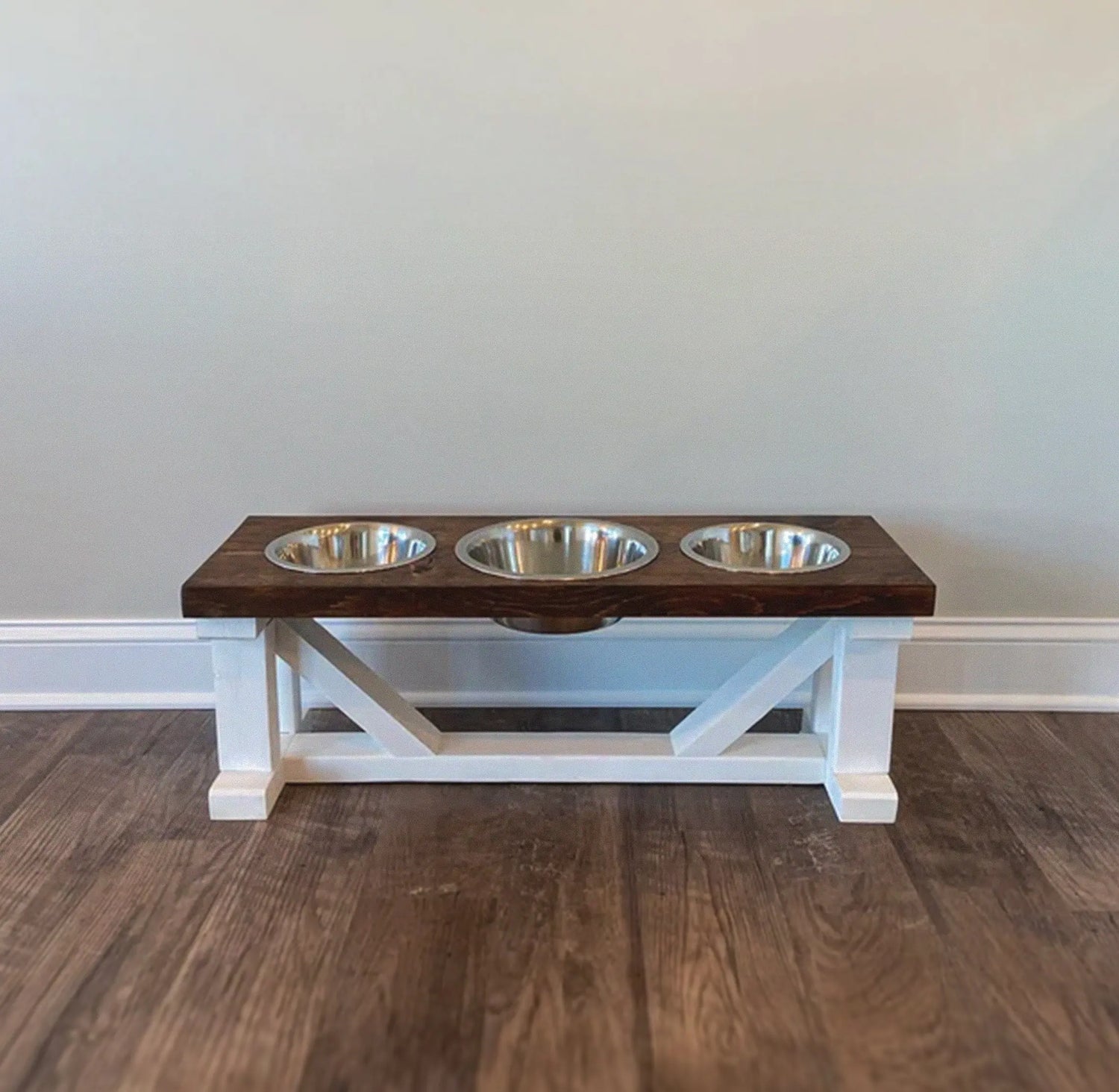
Elevated feeders are not just a style choice. Raised feeders reduce aerophagia and neck strain in large and senior dogs, and the benefits are well-documented by veterinarians. The key is setting the correct height for your specific dog’s anatomy.
The standard measurement method is straightforward:
-
Measure your dog’s height at the shoulder while standing
-
Subtract roughly 6 inches from that measurement
-
The result is the target bowl rim height for most dogs
-
For senior dogs or those with arthritis, consult your vet for a slightly higher position
Elevated bowls should sit level with the lower chest for ergonomic benefit. Bowls set too high cause dogs to crane their necks upward, which creates a different set of strain issues. You can read more about getting this right in Bearwoodessentials’ guide on elevated feeding practices.
“Placing your dog’s feeding station near noisy appliances like HVAC units or washing machines can cause stress-related eating issues. Choose a low-traffic, low-noise zone for the best results.”
Bowl spacing is equally important. Spacing water and food bowls at least 24 inches apart prevents water from splashing into kibble, which causes soggy food and bacterial growth. This recommendation applies especially to medium and large breeds that drink enthusiastically.
5. Non-slip, wipeable floor mats
A floor mat is not optional. Without one, bowls slide during feeding, water spreads across your floor, and kibble crumbs scatter in every direction. A good mat solves all three problems at once.
Look for mats made from food-grade silicone. They are waterproof, non-slip, and can be rinsed clean in seconds or placed in the dishwasher. The Messy Mutts silicone food mat from Bearwoodessentials is a practical example, with raised edges that contain spills and a textured bottom that grips most floor surfaces.
Mat size should match your feeder’s footprint with a few extra inches on each side. A mat that is too small defeats its purpose. Understanding why feeder footprint matters helps you choose the right mat dimensions before you buy.
6. Organized storage for food accessories
A feeding station without organized storage for scoops, treats, and supplements is only half-finished. The goal is to keep every feeding-related item within reach without creating visual clutter.
-
Mount a small wall shelf above the station for treat jars, supplement bottles, and a dedicated scoop
-
Use a drawer or small bin for portion-control tools and feeding logs
-
Add a hook or two on the wall nearby for leashes, so pre-meal walks and feeding happen from the same spot
-
Keep a roll of paper towels and a spray bottle of enzyme cleaner within arm’s reach for quick cleanups
Pro Tip: Store supplements in labeled, dated containers at the station rather than in a separate cabinet. You are far less likely to miss a dose when everything is in one place.
Enzyme-based cleaners like Nature’s Miracle are worth keeping at the station specifically. They break down food residue and odors at the molecular level, which standard all-purpose sprays do not do as effectively.
7. Behavioral feeding tools for specific needs
Not every dog eats at the same pace or with the same habits. Fast eaters, anxious dogs, and multi-dog households each need specific tools added to the feeding station setup.
Slow feeder bowls and puzzle mats are the most effective tools for dogs that eat too quickly. Rapid eating causes bloat risk in large breeds and digestive discomfort in any dog. Lick mats serve a dual purpose: they slow consumption and provide mental stimulation during mealtime. For dogs that benefit from enrichment feeding, a lick mat is one of the most cost-effective additions to any station.
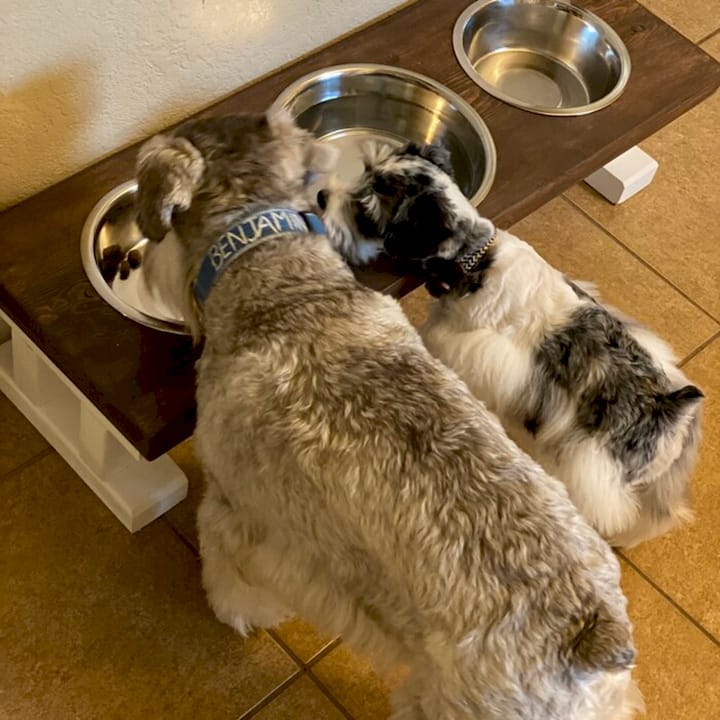
Multi-dog households need individual bowls with clear portion separation. Feeding dogs side by side without defined spaces leads to resource guarding and inconsistent intake. Separate elevated feeders or a double bowl feeder setup with distinct positions for each dog solves this cleanly. Tracking each dog’s portions becomes much easier when the station is designed for it from the start.
8. Feeding station setup styles compared
Choosing the right station style depends on your space, budget, and how many dogs you have. The table below compares the most common options.
| Setup type | Best for | Pros | Cons | Approximate cost |
|---|---|---|---|---|
| DIY wooden station | Budget-conscious owners | Fully customizable, low cost | Requires tools and time | $20 to $60 |
| Commercial elevated stand | Single dog, most homes | Ready to use, ergonomic | Less customizable | $40 to $120 |
| Built-in wall-mounted station | Small spaces, renters | Space-saving, clean look | Permanent installation | $80 to $200 |
| Multi-dog feeding station | Homes with 2 or more dogs | Portion control, reduces guarding | Larger footprint | $80 to $180 |
| Handcrafted metal or wood feeder | Design-focused owners | Durable, aesthetic, long-lasting | Higher upfront cost | $100 to $250 |
DIY stations work well for owners who want a custom fit, but they require sealing wood surfaces properly to prevent moisture damage and bacterial growth. Commercial elevated stands from brands like Bearwoodessentials offer the best balance of ergonomic design and immediate usability. Built-in options suit apartments where floor space is limited. Whatever style you choose, the checklist items from sections 1 through 7 apply equally across all setups.
Key takeaways
A functional dog feeding station requires airtight storage, ergonomic bowl height, stainless steel bowls, non-slip mats, and organized accessory storage working together as one system.
| Point | Details |
|---|---|
| Match container to bag size | Use a 33-quart container for a 25-pound kibble bag to minimize air and prevent oxidation. |
| Set bowl height at chest level | Measure your dog’s shoulder height and subtract 6 inches for the correct bowl rim position. |
| Space bowls 24 inches apart | Keeping water and food bowls separated prevents soggy kibble and bacterial contamination. |
| Clean bowls daily, containers monthly | Wash bowls every day and sanitize storage containers every two to four weeks. |
| Choose stainless steel bowls | Stainless steel resists bacteria, lasts longer, and cleans more thoroughly than plastic or ceramic. |
What I’ve learned from setting up dog feeding stations
I’ve seen a lot of feeding setups over the years, and the ones that actually work long-term share one quality: they were designed around the dog’s size and habits, not around what looked good in a photo. The most common mistake I see is owners buying a beautiful elevated feeder at the wrong height, then wondering why their dog seems reluctant to eat from it.
The second thing I’d push back on is the idea that a DIY station is always the budget-friendly choice. By the time you account for wood, sealant, hardware, and the time to build it, a well-made handcrafted feeder from a quality maker often costs the same or less, and it lasts significantly longer. I’d rather spend slightly more once than rebuild something in two years.
The detail most people overlook is location. I’ve watched dogs develop anxious eating habits simply because their station was placed next to a loud refrigerator or in a high-traffic hallway. Moving the station to a quieter corner of the kitchen or laundry room made a visible difference in how relaxed those dogs were at mealtime. A consistent feeding routine paired with a well-placed station is genuinely one of the most impactful things you can do for your dog’s daily wellbeing. It costs almost nothing to get the location right, and the payoff is real.
— Kim
Build your station with Bearwoodessentials
If you want a feeding station that checks every box without the guesswork, Bearwoodessentials offers handcrafted solutions built for both function and durability. Their handmade metal raised feeder combines rustic craftsmanship with ergonomic design, making it a strong anchor for any home feeding setup. Pair it with replacement stainless steel bowls for easy hygiene maintenance, and add a silicone mat to complete the system.
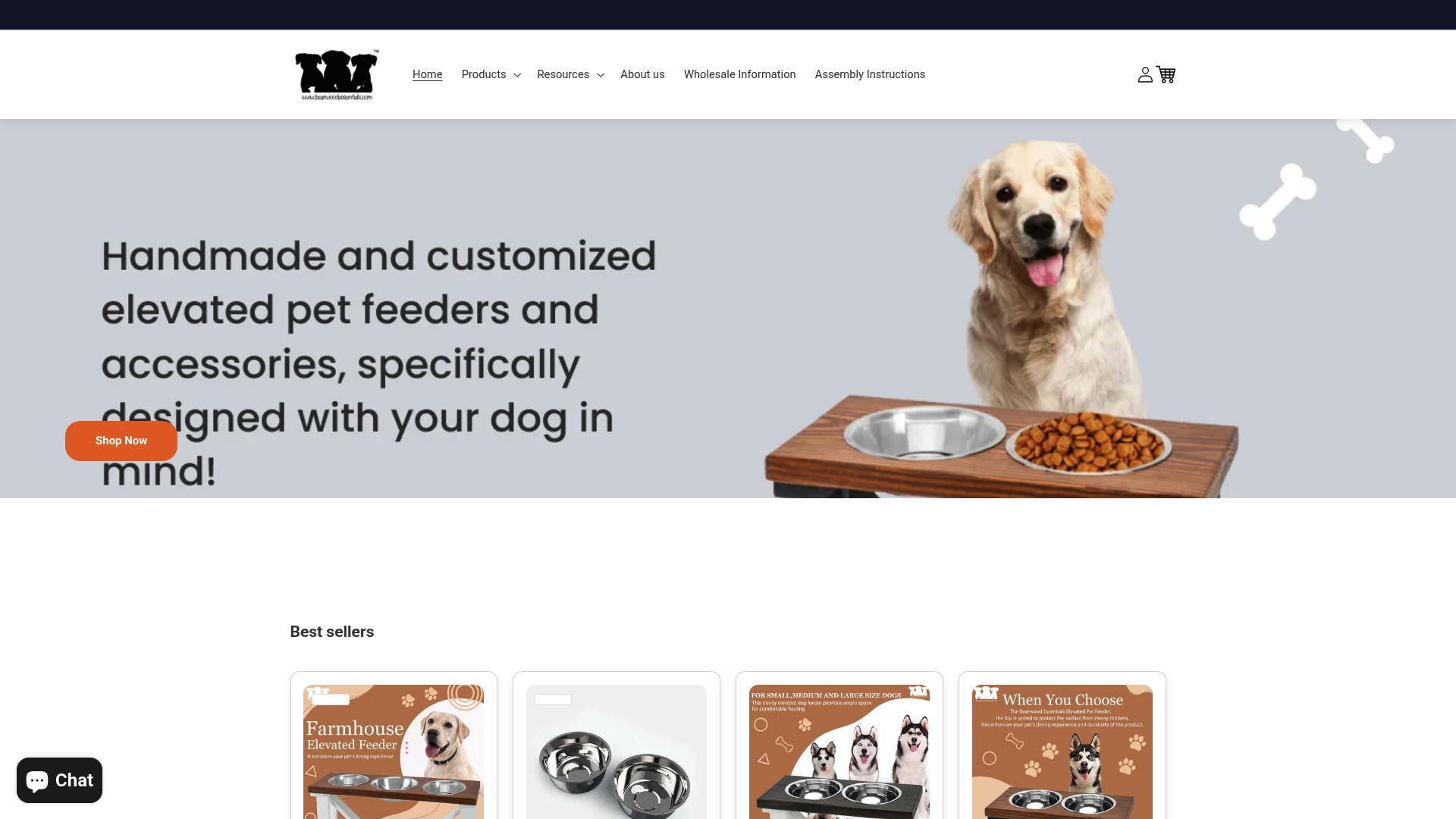
Every product is made with quality materials and ships free within the U.S. on qualifying orders. Whether you are setting up a station for the first time or upgrading an existing one, Bearwoodessentials has the pieces to make it work well and look great doing it.
FAQ
What should every dog feeding station include?
A complete dog feeding station includes an airtight food storage container, stainless steel bowls on an elevated stand, a non-slip wipeable mat, and organized storage for scoops, treats, and supplements. These dog food station must-haves cover hygiene, ergonomics, and daily convenience in one setup.
How high should an elevated dog feeder be?
The bowl rim should sit level with the lower part of your dog’s chest, which you calculate by measuring shoulder height and subtracting approximately 6 inches. Senior dogs or those with joint issues may benefit from a slightly higher position based on veterinary advice.
How often should I clean my dog’s feeding station?
Bowls should be washed daily to prevent bacterial buildup, and food storage containers should be sanitized every two to four weeks. Regular cleaning is the most effective way to keep your dog’s feeding area hygienic and food fresh.
Is a DIY dog feeding station worth building?
A DIY station works well if you have the tools and time, but the total cost often matches a quality commercial feeder once you factor in materials and sealants. For most owners, a handcrafted elevated feeder offers better durability and ergonomic accuracy with less effort.
How far apart should food and water bowls be placed?
Experts recommend spacing food and water bowls at least 24 inches apart to prevent water from splashing into kibble, which causes soggy food and accelerates bacterial growth. This spacing recommendation applies most critically to medium and large breeds.