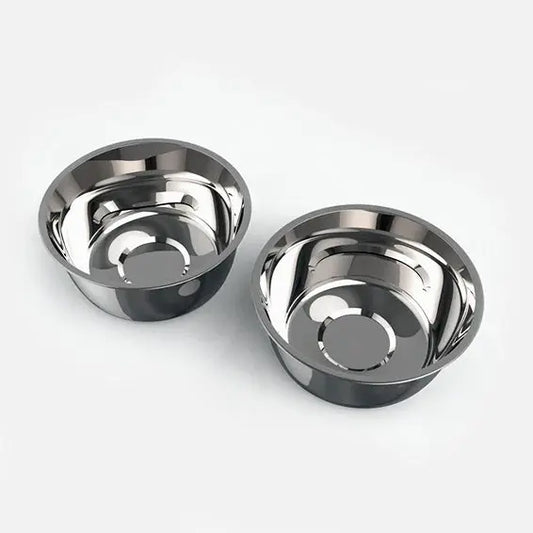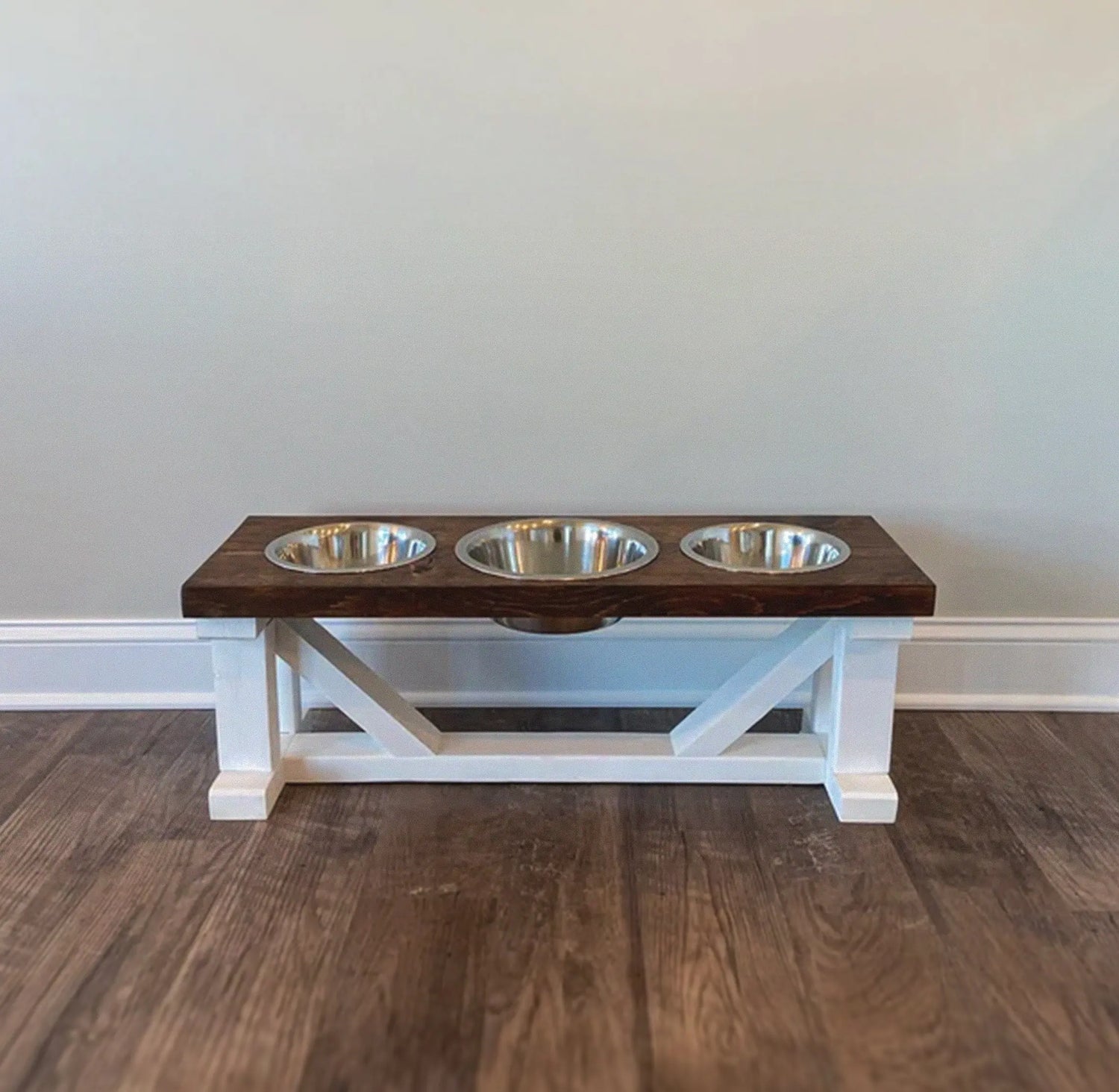


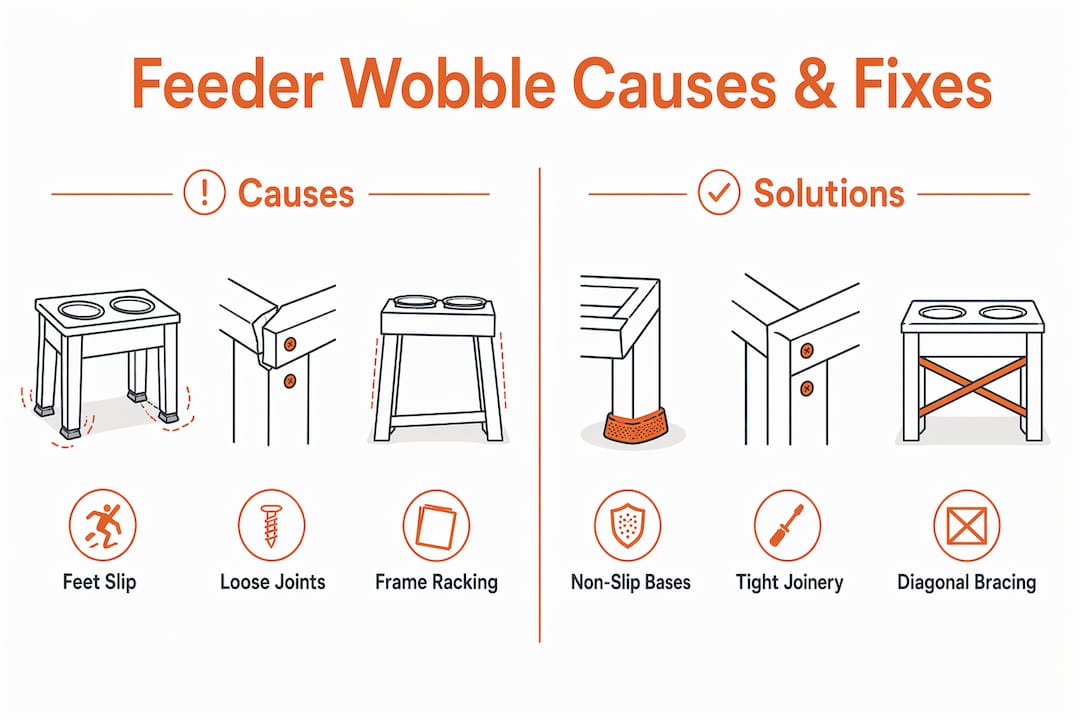
Feeder construction prevents wobbling by addressing three distinct mechanical failure modes: feet slipping on smooth floors, leg joints loosening over time, and frame racking under lateral load. Each mode requires a different fix, and most wobbly feeders fail because owners treat all three as the same problem. The right design features, including diagonal bracing, wide non-slip bases, and joinery that accommodates wood movement, work together to create a feeder your dog can eat from without the bowl shifting mid-meal. Understanding how feeder construction prevents wobbling starts with knowing which force is actually moving the frame.
How does feeder construction prevent wobbling?
The primary mechanical cause of feeder wobble is racking. Racking is a parallelogram-like lateral shear that occurs when a side force pushes the top of the frame in one direction while the feet stay put. Picture a square frame collapsing into a diamond shape. That is exactly what happens when your dog leans into the bowl or nudges the feeder sideways.
Diagonal bracing is the most effective geometric solution to racking. A diagonal brace converts that side load into tension and compression along the brace itself, which wood and metal handle far better than shear. Horizontal members, by contrast, resist racking only through the rigidity of their corner connections, which is a much weaker mechanism.
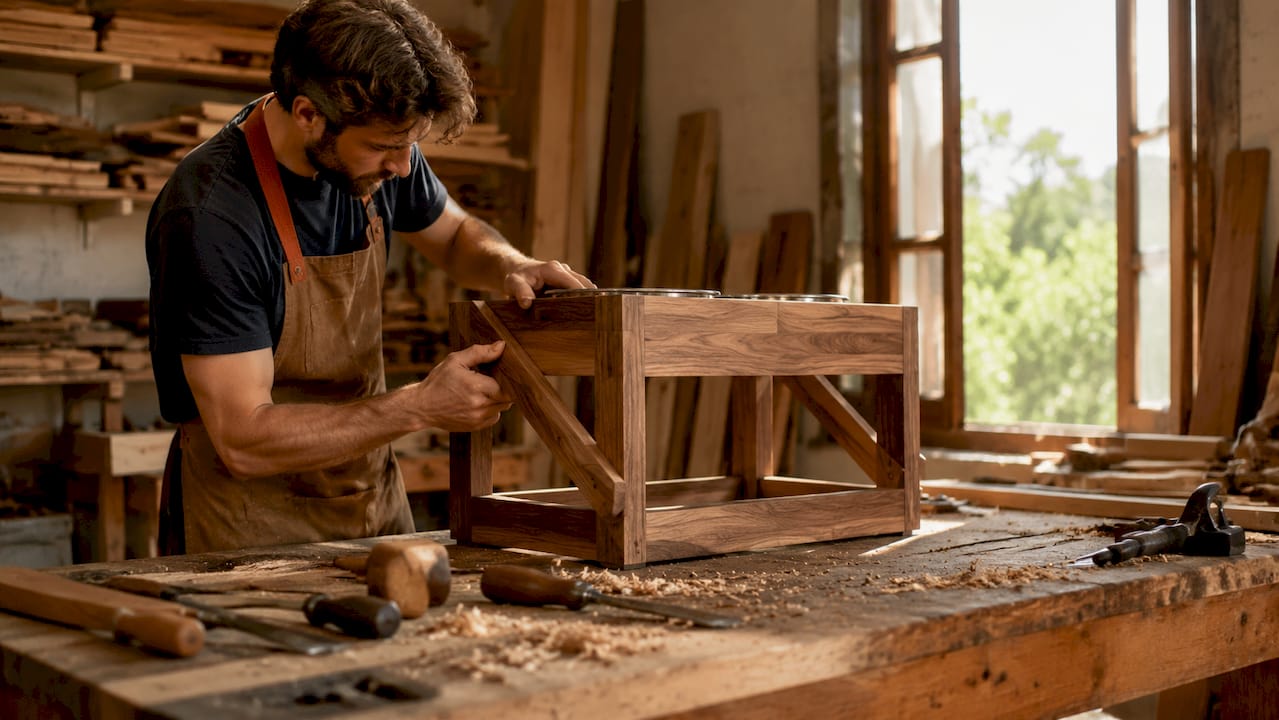
Here is how the two approaches compare directly:
| Feature | Diagonal Brace | Horizontal Member |
|---|---|---|
| Anti-rack strength (oak) | 500–1,000 lbs shear | 200–400 lbs shear |
| Resistance mechanism | Triangulation (axial load) | Corner joint rigidity |
| Ease of installation | Moderate | Easy |
| Aesthetics | Visible cross pattern | Clean, minimal look |
| Best use | High-load or active pets | Light-use, calm feeders |
The numbers make the case clearly. Diagonal bracing in oak resists more than twice the lateral force of a horizontal member. For a large dog that pushes the bowl around, that difference is the gap between a stable feeder and a frustrating one.
Tight joinery and snug hardware matter just as much as the brace itself. Lateral pet forces create racking mode wobble, so every connection point in the frame needs to resist that load without play. Loose screws or poorly fitted joints transfer force directly into movement you can see and hear.
Pro Tip: When evaluating a feeder, push the top of the frame sideways with moderate hand pressure. A well-braced feeder will feel solid. Any visible lean or flex signals a racking problem that will only get worse with daily use.
Does the base design affect feeder stability?
A strong frame means nothing if the feet slip or sink. Soft or uneven mounting surfaces cause wobbling by allowing feeder legs to shift or sink under load, which is especially common on hardwood floors, tile, or outdoor patios. The fix is increasing ground contact area and adding friction between the foot and the floor.
Wide, flat bases distribute the feeder’s weight across a larger footprint. This lowers the center of gravity and reduces the chance that any single leg bears a disproportionate load. The same principle applies outdoors. Stabilizing a bird feeder pole in soft soil uses packed gravel and anchors to increase ground contact. For indoor pet feeders, the equivalent is rubber pads and adjustable leveling feet.
Here are the most practical base upgrades you can make or look for when buying:
- Non-slip rubber pads: Attach to the bottom of each leg to grip smooth floors and prevent sliding under load.
- Wide flat base plates: Spread contact area across the floor rather than concentrating it on narrow leg tips.
- Adjustable leveling feet: Products like leg adapter kits with leveling feet, similar to the Leg Adapter Kit for 350 Lb Feeder, let you compensate for uneven floors without shimming.
- Rubber-tipped legs: A step up from bare wood or metal ends, rubber tips add grip and absorb minor floor irregularities.
- Low-profile base frames: A continuous base frame connecting all four legs is more stable than four independent leg tips.
Pro Tip: If your feeder rocks on a tile or hardwood floor, place it on a thin rubber mat cut to size. This single change eliminates foot-slip wobble instantly and costs almost nothing.
For feeder stability with large dogs, base design is especially critical. A bigger dog applies more lateral force and more downward load, which means any weakness in the base gets amplified quickly.
How does wood joinery prevent wobble over time?
A feeder that feels solid on day one can develop wobble over months without any visible damage. Wood movement in humid or outdoor environments silently degrades alignment and rigidity as the material swells and shrinks with seasonal changes. Joints that were tight in dry winter air can crack or bow when summer humidity arrives.
The solution is joinery designed to accommodate that movement rather than fight it. A dado joint cut slightly wider than the wood panel it holds is one proven method. For example, a dado cut made 1/16 inch wider than a 3/4 inch wall panel gives the wood room to swell without cracking the joint or bowing the frame. The joint stays functional because it was never pinched to begin with.
Here is what to look for in wooden feeder joinery:
- Dado cuts with expansion clearance: The slot should be fractionally wider than the panel, not a friction fit.
- Mortise-and-tenon connections: Strong mechanical joints that resist both pull-out and lateral shear without relying solely on glue.
- Pet-safe sealants on exposed wood: A food-safe finish slows moisture absorption, reducing the rate of swelling and shrinkage.
- Avoid butt joints with only screws: These rely entirely on fastener strength and fail faster under repeated lateral load.
| Joinery Type | Expansion Tolerance | Lateral Strength | Longevity |
|---|---|---|---|
| Dado with clearance | High | Moderate | Excellent |
| Mortise-and-tenon | Low | High | Excellent |
| Butt joint with screws | None | Low | Poor |
| Pocket screw joint | Low | Moderate | Good |
Joinery that accommodates wood swelling prevents stress cracks and maintains stability over years of use. A feeder built with this in mind will not develop that mysterious rattle or lean that appears after the first winter. The wooden double diner design from Bearwoodessentials uses this kind of thoughtful joinery to stay rigid through seasonal changes.
What design features make a feeder wobble-free?
Identifying which part moves is the first step in building or choosing a wobble-free feeder. Feet slipping, joints loosening, and frame racking each need a different fix. Applying the wrong solution wastes time and money.
Use this prioritized checklist when evaluating or building a feeder:
- Check the base first. Do the feet have rubber pads or non-slip tips? Is the base wide enough to resist tipping under side load?
- Test for racking. Push the top of the frame sideways. Any flex means diagonal bracing or X-bracing is missing or undersized.
- Inspect every joint. Tighten all screws and bolts. Loose hardware is the fastest path from a solid feeder to a wobbly one.
- Evaluate the joinery type. Dado cuts, mortise-and-tenon, or pocket screws all perform differently. Dado with clearance is best for wooden feeders in variable humidity.
- Look for adjustable leveling feet. These are especially useful on uneven floors and allow you to correct minor imbalances without tools.
- Avoid narrow bases. A feeder with legs set close together tips more easily than one with a wide stance.
- Consider the pet’s eating style. Active dogs that push bowls around need stronger lateral bracing than calm, gentle eaters.
Common pitfalls include pinched joints that crack under wood movement, bases too narrow for the feeder’s height, and frames built only for vertical load support. Feeder weight and structural choices both affect how well a design handles the real forces a pet applies during a meal.
X-bracing, which places two diagonal members in an X pattern across the frame, offers the strongest anti-racking performance for feeders that see heavy daily use. Modular assembly with locking connectors also helps, since it allows you to tighten or replace individual components without rebuilding the entire feeder.
Key takeaways
Wobble-free feeder construction requires matching the right structural fix to the specific movement type: non-slip bases stop foot slip, tight joinery stops joint loosening, and diagonal bracing stops frame racking.
| Point | Details |
|---|---|
| Racking is the main cause | Diagonal bracing converts lateral pet forces into axial load, stopping frame wobble. |
| Base design matters equally | Wide bases with rubber pads or leveling feet prevent foot slip on smooth or uneven floors. |
| Wood joinery needs expansion room | Dado cuts with clearance allow seasonal wood movement without cracking joints or causing wobble. |
| Match the fix to the failure mode | Identify whether feet, joints, or the frame are moving before applying any stability upgrade. |
| Active dogs need stronger bracing | Pets that push or lean on feeders apply lateral shear that only triangulated bracing reliably resists. |
What i have learned building stable feeders
Most pet owners focus on whether a feeder holds the bowl at the right height. That is the wrong question. The real question is whether the frame resists lateral force, because that is what your dog actually applies during a meal.
I have seen beautifully finished wooden feeders develop a noticeable wobble within six months, not because the wood was poor quality, but because the joinery was pinched tight with no room for seasonal expansion. The wood swelled, the joint cracked slightly, and suddenly a rigid frame had play in it. The fix was simple in hindsight: a little clearance in the dado cut would have prevented the whole thing.
The other mistake I see constantly is treating all wobble as a base problem. People add rubber feet and the feeder still rocks because the frame itself is racking. Rubber feet fix foot slip. They do nothing for a frame with no diagonal bracing. You have to diagnose the actual movement before you can fix it.
Aesthetics matter too, and I understand why pet owners sometimes resist visible cross bracing. But X-bracing does not have to look industrial. Shaped wood braces, routed edges, and quality finishes can make structural elements look intentional and attractive. The best feeders I have seen treat the brace as a design feature, not an afterthought.
My honest advice: buy or build for lateral rigidity first, then refine the aesthetics. A beautiful feeder that wobbles every time your dog eats is not doing its job.
— Kim
Stable, handcrafted feeders built to last
If you want a feeder that puts all of these stability principles into practice from day one, Bearwoodessentials builds each feeder with exactly these construction details in mind.
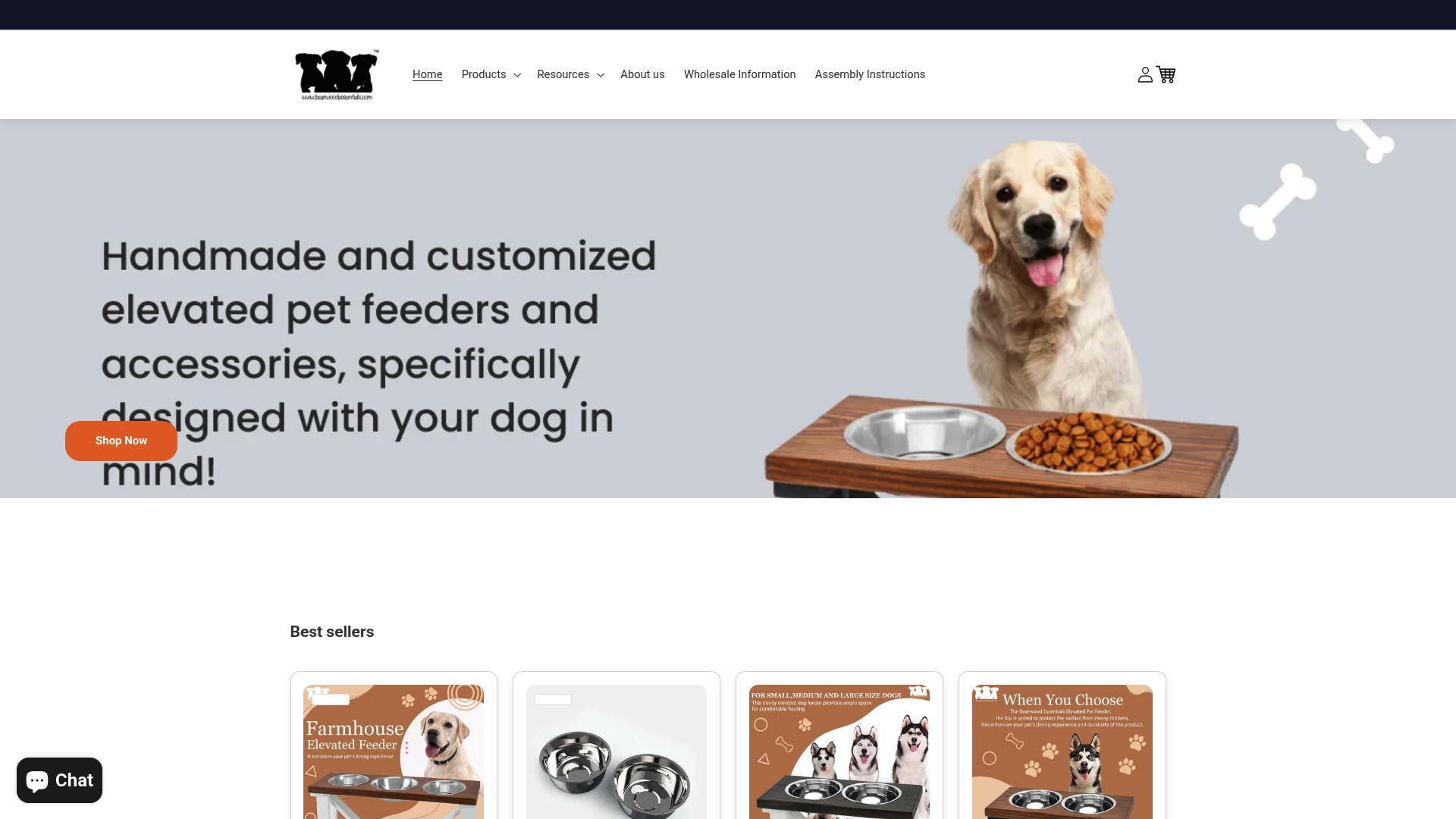
The handmade metal dog bowl feeder from Bearwoodessentials features a wide, sturdy base and quality construction that resists racking under daily use. For pet owners who prefer wood, the wooden raised dog feeder uses joinery designed for long-term structural stability. Both options ship free within the U.S. on qualifying orders. Visit Bearwoodessentials to find a feeder your dog can eat from comfortably, without the bowl moving around mid-meal.
FAQ
What causes a pet feeder to wobble?
Feeder wobble comes from three sources: feet slipping on smooth floors, leg joints loosening over time, and frame racking under lateral load. Each cause requires a different construction fix to resolve.
What is racking and why does it matter for feeders?
Racking is lateral shear movement that collapses a rectangular frame into a parallelogram shape when side force is applied. It is the primary reason feeders wobble when a dog leans into or nudges the bowl.
How does diagonal bracing stop feeder wobble?
Diagonal bracing triangulates the frame, converting side loads into tension and compression along the brace. This mechanism resists significantly more lateral force than horizontal members, which rely only on corner joint rigidity.
Why do wooden feeders develop wobble over time?
Wood swells and shrinks with humidity changes, which stresses joints not designed for movement. Joinery with expansion clearance, such as dado cuts slightly wider than the panel, prevents cracking and maintains rigidity over years of use.
What is the fastest way to reduce feeder wobble at home?
Add non-slip rubber pads to each leg foot to stop floor slip, then tighten all screws and bolts to remove joint play. If the frame still flexes under side pressure, the feeder lacks diagonal bracing and needs a structural upgrade.