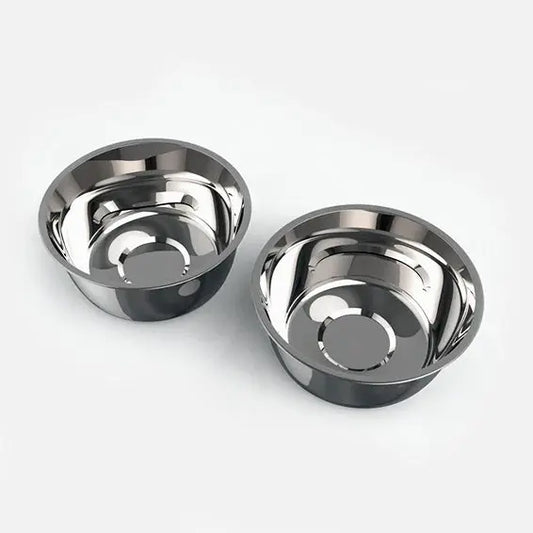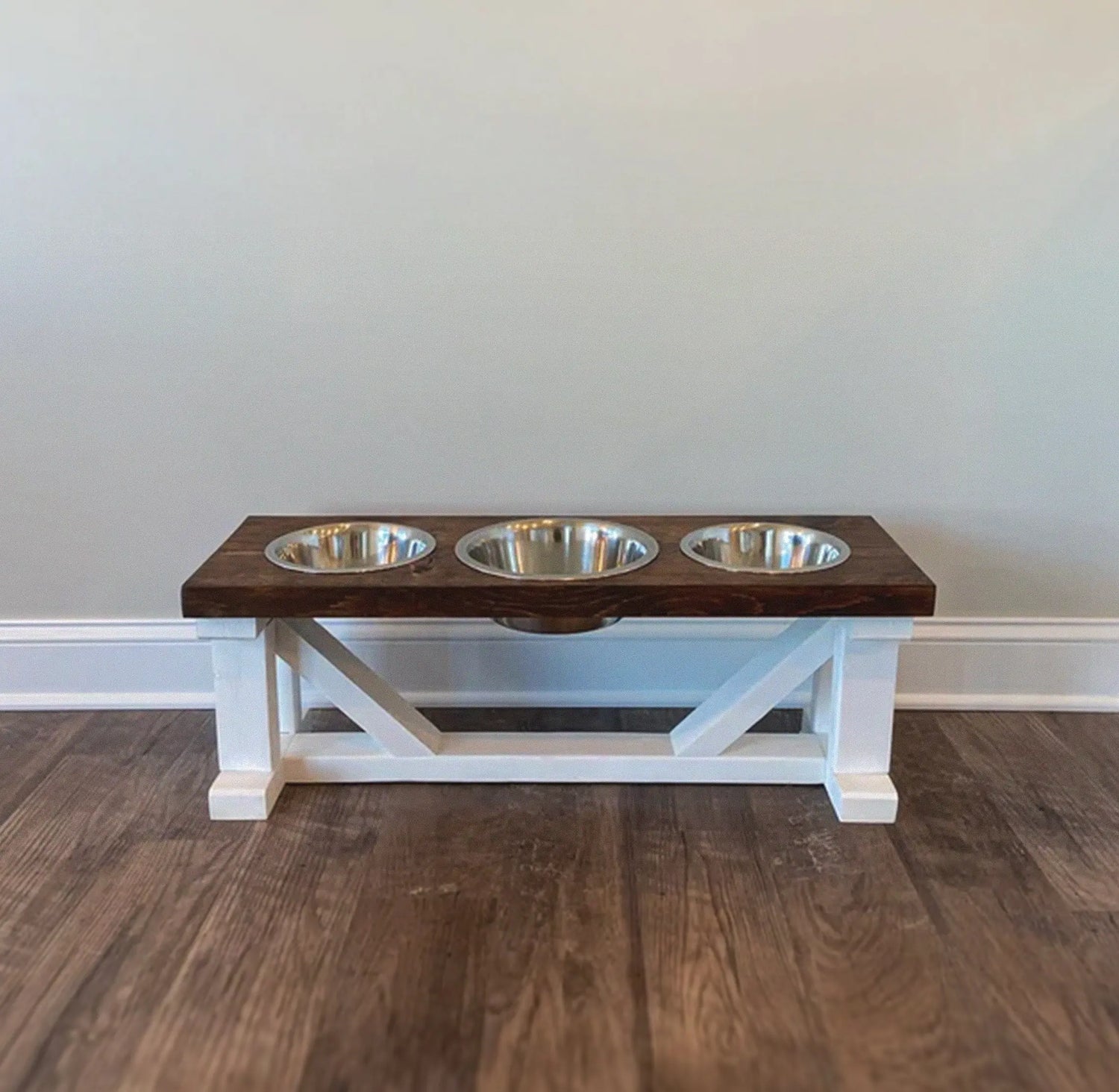


Feeder weight is the primary factor determining whether a pet feeding device stays in place or becomes a hazard during mealtime. A feeder that tips, slides, or gets forced open by a determined dog creates real risks: spilled food, overeating, physical injury, and feeding-related stress. Weighted bases and anti-tamper designs are explicitly recommended for medium and large breeds by veterinary and industry experts. Understanding why feeder weight affects pet safety gives you the knowledge to choose a feeder that protects your pet every single day.
Why feeder weight affects pet safety through stability
Physical stability is the first failure point in most pet feeders. A lightweight feeder placed in front of a 60-pound Labrador or a food-motivated Boxer is not a feeding station. It is an obstacle your dog will move, tip, or chew through. Lightweight feeders can be tipped or chewed, causing injury or stress, which is why experts specifically call out weighted bases as a safety necessity for medium and large breeds.
The mechanics are straightforward. When a dog pushes against a feeder with its nose or paws, a heavier base resists displacement. A lighter feeder shifts, slides, or falls. That tipping motion can startle your pet, scatter food across the floor, or in worst cases, cause the feeder to strike your dog’s face or paws. Weighted bases and lockable lids prevent unauthorized access and feeder movement, addressing both the injury risk and the overeating risk at the same time.
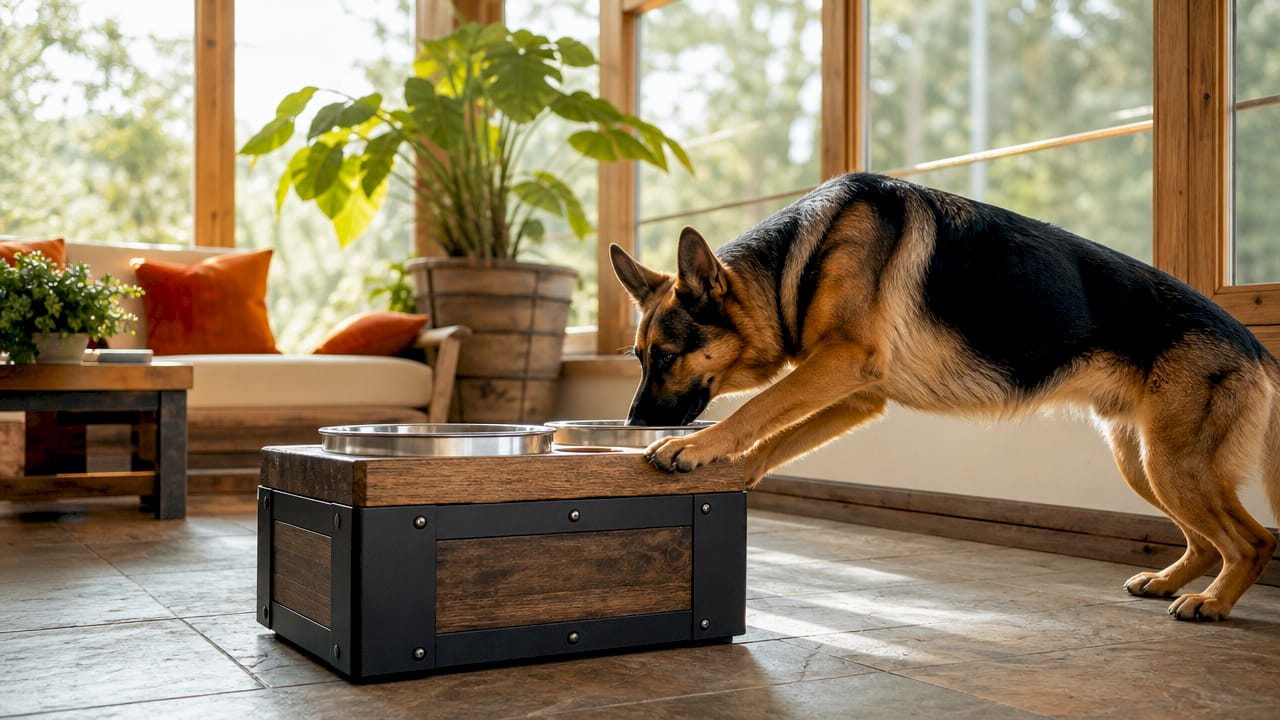
Cats generally pose less of a tipping threat than dogs because of their lower body weight and feeding style. However, multi-pet households where a dog and cat share a feeding area still require a stable feeder to prevent the dog from displacing the cat’s bowl. Feeder placement on a level, non-slip surface amplifies the benefit of a weighted base by reducing the chance of sliding on tile or hardwood floors.
Here is what to watch for when assessing your current feeder’s stability:
- Tipping risk: Can your pet nudge the feeder off its position with a single push?
- Chew resistance: Does the feeder body show bite marks or structural damage?
- Lid security: Can your dog pry or nose-bump the lid open between scheduled feedings?
- Base contact: Does the feeder sit flat on the floor, or does it rock on an uneven base?
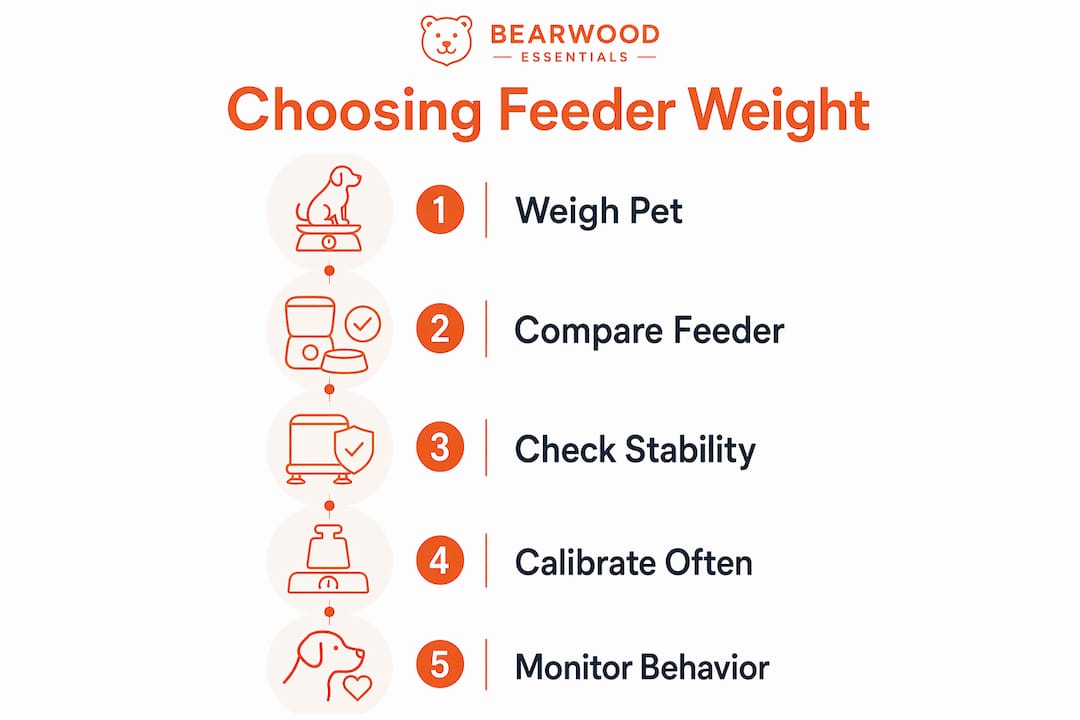
Pro Tip: Weigh your pet and compare that figure to the feeder’s recommended weight range before purchasing. A feeder rated for small breeds will not hold its ground against a large, food-motivated dog, regardless of how well it is designed.
How feeder stability supports portion control and feeding behavior
Consistent feeding behavior depends on a feeder that stays exactly where you put it. Overestimating portions by 20% can cause unintended weight gain, and a feeder that moves or tips between meals makes accurate portioning nearly impossible. The connection between feeder weight and portion accuracy is direct: a stable feeder dispenses the right amount at the right time, every time.
When a feeder shifts or tips, several problems follow in sequence:
- Irregular dispensing: A tilted feeder may release more food than programmed, or jam entirely, leaving your pet without a scheduled meal.
- Excess food access: A tipped feeder exposes the food reservoir, allowing your pet to eat beyond their portion before you notice.
- Feeding stress: Moving feeders create competition and feeding stress, especially in multi-pet homes where one animal may guard a displaced bowl.
- Inaccurate health data: Smart feeders with integrated scales lose their calibration value when the device is moved or knocked over, making health tracking unreliable.
- Behavioral reinforcement: A dog that successfully tips a feeder to access extra food learns that the behavior works. That habit is difficult to break once established.
Regular calibration every 6 months or after any feeder relocation is necessary to maintain portion accuracy in smart feeders. This is a step most pet owners skip, and it quietly undermines every feeding schedule you set. A feeder that has been bumped across the kitchen floor and never recalibrated is giving your pet inaccurate portions, regardless of what the display reads.
Stable feeders also support caloric management for pets on veterinarian-prescribed diets. Smart feeders control portion size precisely, reducing obesity and improving health outcomes by matching veterinarian guidance. That precision only holds when the feeder itself is physically stable and correctly positioned. A feeding schedule built around a 2-cup daily limit means nothing if the feeder tips and delivers 3 cups.
What materials and design features work with feeder weight for safety
Feeder weight alone does not guarantee safety. The materials and design features built into a feeder determine how that weight translates into long-term protection for your pet. Durable materials like stainless steel and high-grade plastics are as vital as feeder weight for safety and hygiene, and the two qualities reinforce each other.
Here is how material and design choices interact with feeder weight:
- Stainless steel bowls and bases resist chewing, do not harbor bacteria in surface scratches, and add meaningful weight to the feeder’s footprint. A stainless steel base is harder for a dog to deform or puncture than plastic.
- High-grade plastic housings used in automatic feeders should be BPA-free and thick enough to resist bite pressure. Thin plastic cracks under repeated stress, creating sharp edges and structural instability.
- Locking lids and anti-tamper mechanisms work alongside a heavy base to prevent access between meals. A weighted feeder with a flimsy lid still allows a clever dog to access the food reservoir.
- Reinforced construction at stress points (hinges, dispensing chutes, bowl attachments) prevents the mechanical failures that cause jams or misdispensing.
The table below compares the safety profile of common feeder materials:
| Material | Weight contribution | Hygiene rating | Chew resistance |
|---|---|---|---|
| Stainless steel | High | Excellent | Excellent |
| High-grade plastic | Low to medium | Good | Moderate |
| Wood (sealed) | Medium to high | Good with sealing | Low |
| Ceramic | High | Excellent | Moderate |
Proper cleaning is also a feeder weight consideration. Manual components should never be submerged to preserve stability and performance, particularly in automatic feeders with electronic bases. Submerging a weighted electronic base damages the internal components that control dispensing, turning a safety feature into a liability. Wipe the base clean and wash only the removable bowl and lid components.
Manufacturers warn against lifting feeders by the hopper or bowl to prevent mechanical failure and instability. Always lift from the base to preserve the internal balance of the device.
How to select the right feeder weight for your pet
Matching feeder weight to your pet’s size, breed, and behavior is the most practical step you can take to improve pet feeder safety. Safety depends on matching the feeder’s physical stability and features to the specific pet’s size and strength, with anti-jam and weighted bases identified as core safety necessities.
Medium and large dogs, including breeds like German Shepherds, Golden Retrievers, and Rottweilers, require feeders with reinforced bases that resist both tipping and chewing. For these breeds, look for feeders with a base weight of at least 3 to 5 pounds before food is added, combined with a locking lid and a non-slip base pad. The feeder stability guide for large dogs from Bearwoodessentials covers breed-specific recommendations in detail.
Smaller dogs and cats need less mass in their feeders, but stability still matters. A small feeder that slides across a tile floor during mealtime creates anxiety and inconsistent eating patterns. Rubber feet or a textured base achieves the stability that weight provides in larger feeders. The feeder footprint and placement also affects how well a feeder holds its position, regardless of its weight.
Consider these factors alongside feeder weight when making your selection:
- Breed energy level: High-energy breeds interact with feeders more aggressively than calm breeds of the same size.
- Feeding location: Hardwood and tile floors require more base friction than carpet.
- Multi-pet households: A feeder that holds its ground against one dog may not hold against two.
Pro Tip: If your dog is new to an automatic or elevated feeder, introduce it gradually over 5 to 7 days. A safe transition to a raised feeder reduces the chance your pet develops the habit of pushing or pawing at the device out of unfamiliarity.
Consulting a pet feeding schedule by weight alongside your feeder selection gives you a complete picture of how much food your pet needs and how often, which directly informs the feeder capacity and stability requirements you should prioritize.
Key takeaways
Feeder weight directly determines pet safety by preventing tipping, supporting accurate portion control, and reducing feeding-related stress in medium and large breeds.
| Point | Details |
|---|---|
| Weight prevents tipping | Heavier feeders resist displacement from strong or food-motivated dogs, reducing injury risk. |
| Stability supports portion accuracy | A stable feeder dispenses correct portions consistently, preventing overeating and weight gain. |
| Material choice amplifies weight benefits | Stainless steel and reinforced construction extend the safety value of a weighted base. |
| Breed and size determine weight needs | Medium and large dogs require heavier, reinforced feeders; smaller pets still benefit from stable bases. |
| Recalibration maintains accuracy | Smart feeders need recalibration every 6 months or after any relocation to preserve health data. |
The feeder detail most owners overlook
I have spoken with dozens of pet owners who spent real money on a quality automatic feeder, set up a feeding schedule, and then wondered why their dog was still gaining weight or acting anxious at mealtimes. In almost every case, the feeder had been nudged out of position at some point, never recalibrated, and was quietly delivering the wrong portion size. The technology was fine. The physical setup was not.
The uncomfortable truth about feeder weight is that most owners treat it as a secondary concern, something to think about after connectivity features, app compatibility, and price. But physical stability is often the first failure point in pet feeders, and no amount of smart technology compensates for a feeder your dog can tip with a single nudge.
My recommendation: pick up your current feeder with one hand and shake it gently. If it rattles, shifts, or feels light relative to your dog’s size, it is not doing its job. Then look at the floor beneath it. Scratch marks or food debris outside the bowl area are physical evidence that your feeder has been moving. That movement is costing your pet accurate meals and costing you peace of mind.
Elevated and weighted feeders, particularly those built from metal or solid wood, address this problem at the structural level rather than relying on software corrections. The best practices for elevated dog feeding in 2026 consistently point back to the same principle: a feeder that does not move is a feeder that works.
— Kim
Stable, handcrafted feeders built for your pet’s safety
If your current feeder moves, rattles, or shows signs of wear from your dog’s attention, it is time to replace it with something built to last.

Bearwoodessentials handcrafts metal and wood raised feeders designed specifically for stability and durability. The handmade metal dog bowl feeder combines a weighted metal frame with stainless steel bowls, giving medium and large dogs a feeding station that holds its ground. For owners who want the ergonomic benefits of an elevated design, the wooden raised dog feeder offers a solid wood base with two stainless steel bowls, reducing tipping risk while improving your pet’s feeding posture. Every piece is handmade in the U.S. with free shipping on qualifying orders.
FAQ
Why does feeder weight matter for pet safety?
Feeder weight prevents tipping and unauthorized food access, both of which cause injury, stress, and overeating. Weighted bases are explicitly recommended for medium and large dogs by veterinary and industry experts.
What feeder weight is right for a large dog?
Large and medium breeds need feeders with reinforced, heavy bases that resist both tipping and chewing. Look for a base weight of at least 3 to 5 pounds before food is added, combined with a locking lid.
Can a lightweight feeder affect my pet’s portion control?
Yes. An unstable feeder can tip or shift, releasing excess food or disrupting scheduled dispensing. Overestimating portions by 20% causes unintended weight gain, and a moving feeder makes accurate portioning unreliable.
How often should I recalibrate my smart feeder?
Recalibrate every 6 months or immediately after moving the feeder to a new location. Skipping recalibration causes inaccurate portion dispensing even when the feeding schedule appears correct.
Does feeder material affect stability and safety?
Stainless steel and reinforced construction add weight and resist chewing, directly improving feeder stability. A pet nutrition assessment combined with the right feeder material gives you the most complete approach to safe, accurate feeding.