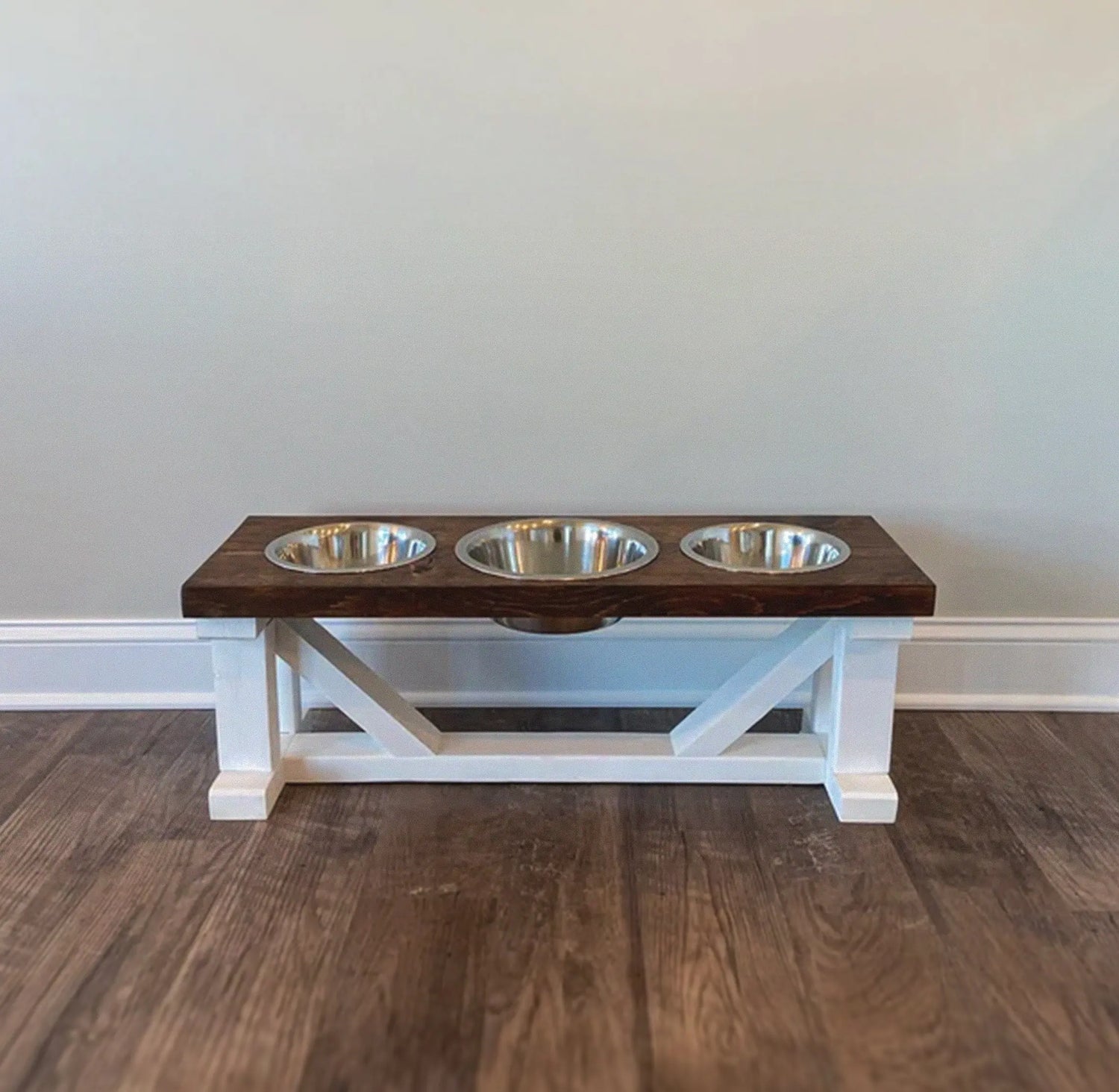

A bespoke dog feeding station is a custom-built, ergonomically designed pet dining area that serves your dog’s physical needs while complementing your home’s interior. Unlike a bowl on the floor, a well-designed custom dog feeding station accounts for your dog’s height, joint health, and daily habits. It also fits your kitchen or living space as naturally as any other fixture. The best personalized pet feeding designs treat the feeding area as furniture, not an afterthought. This guide walks you through every decision, from bowl height to cabinetry finish, so you can build or commission a station that works for both your dog and your home.
What ergonomic principles should guide your bespoke dog feeding station design?
Elevating dog bowls to your dog’s chest height reduces neck strain and joint pressure during every meal. This is the single most important ergonomic principle in any custom dog feeding station. Dogs that eat from floor-level bowls repeatedly flex their neck and shoulders downward, which compounds stress on joints over time. For dogs with arthritis or mobility issues, floor-level bowls make every meal uncomfortable.
The right height varies by dog size, but the standard target is the bowl rim sitting at or just below chest level. Built-in drawer-style stations are typically 200–250mm tall, while dedicated feeding cabinets often reach 31.5 inches to combine feeding and storage in one unit. That range covers most medium to large breeds. For small breeds, freestanding raised stands in the 4–6 inch range are usually appropriate.
Key ergonomic features to build into your station:
-
Bowl height at chest level to reduce neck flexion and shoulder strain
-
Non-slip base or mat to prevent the station from shifting during feeding
-
Stable, weighted construction so the unit does not tip when your dog leans in
-
Wide enough bowl spacing for dogs that eat from two bowls simultaneously
-
Smooth, rounded edges on all surfaces your dog contacts during feeding
Pro Tip: Measure your dog standing naturally and mark chest height on a wall before ordering or building anything. That measurement is your bowl rim target, not the top of the station frame.
The ergonomic benefits of elevated feeding extend beyond comfort. Proper posture during meals supports better digestion and reduces the risk of bloat in deep-chested breeds. Getting the height right from the start saves you from rebuilding later.
How do you choose materials and hygiene features for a custom station?
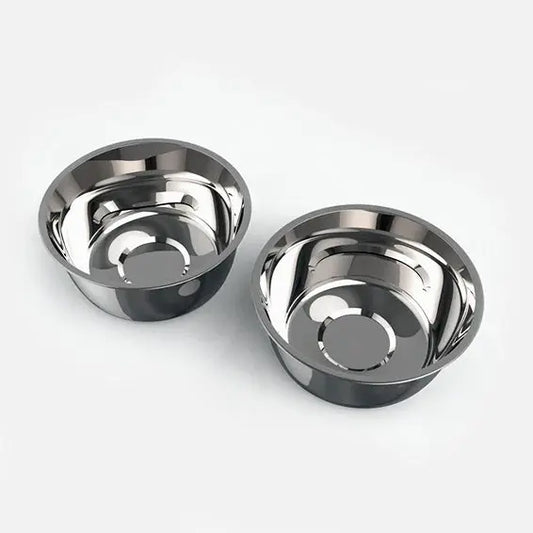
Material selection determines how long your station stays clean, safe, and structurally sound. Food-grade stainless steel bowls are the standard for bespoke stations because they resist bacterial growth, do not absorb odors, and tolerate daily dishwasher cycles. Porous materials like untreated wood or low-grade plastic harbor bacteria in surface crevices even after wiping down.
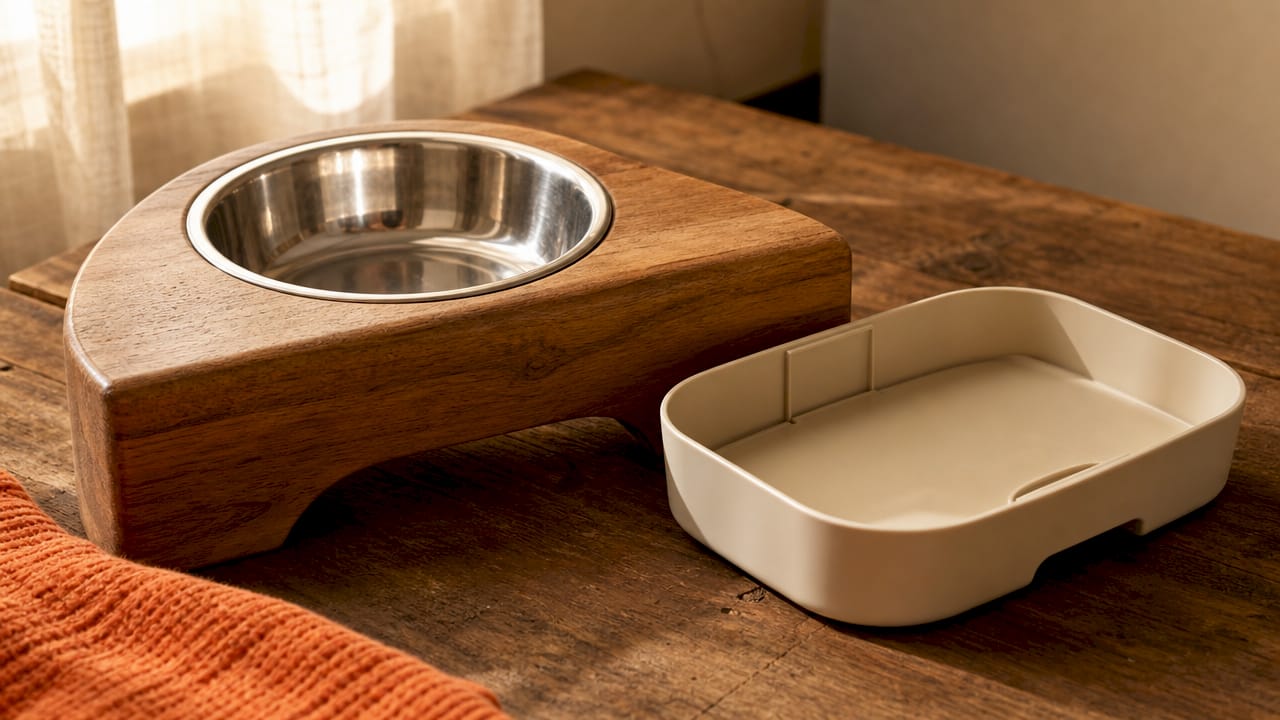
The station surround and base need equal attention. Waterproof backsplashes made from tile or stone protect the wall behind the feeding area from splash and moisture. The base tray is the most critical hygiene component. Premium bespoke stations use ABS plastic trays with a 5mm raised lip to contain spills and prevent water from reaching the cabinetry beneath.
Hygiene features worth specifying:
-
Dishwasher-safe stainless steel bowls that lift out without tools
-
Removable ABS plastic liner trays with raised edges to contain spills
-
Tile or stone backsplash behind the feeding zone for easy wipe-down
-
Sealed or lacquered cabinetry surfaces that repel moisture
-
Ventilated food storage compartments to prevent odor and humidity buildup
Dry food storage ventilation is a detail most owners overlook until they notice a stale smell from the cabinet. Food storage bins should vent either into the feeding drawer cavity or directly outward, separate from the main cupboard airflow. That single design choice keeps your station smelling fresh for years.
Pro Tip: Avoid grout-heavy tile patterns on horizontal surfaces inside the feeding recess. Grout lines trap food particles and require scrubbing. Use large-format tiles or a solid stone slab for the base surface instead.
Not all cabinetry cutouts qualify as true bespoke stations. Proper water containment and durable, food-safe materials are what separate a thoughtful design from a bowl dropped into a drawer opening. You can review a full hygiene and materials checklist to confirm your station meets the standard before you build.
How to integrate a feeding station with your home decor and space planning
Open-plan living has shifted pet feeding stations from hidden utility spaces to visible, stylish furniture pieces. Dog owners now expect their feeding area to match cabinetry finishes and colors as naturally as any kitchen fixture. That shift means placement and aesthetics carry as much weight as function.
The two main approaches are flush-fit built-in stations and freestanding elevated stands. Built-in stations integrate into existing cabinetry runs, matching door styles, hardware, and finishes exactly. Freestanding stands offer flexibility and work well in rental homes or spaces where permanent installation is not practical. Designers in London documented three projects in early 2026 incorporating flush-fit feeding recesses that matched kitchen materials including marble and custom cabinetry. That level of integration is now the benchmark for high-end personalized pet feeding design.
| Design approach | Best for | Key consideration |
|---|---|---|
| Flush-fit built-in | Permanent homes, kitchen renovations | Requires cabinetry planning at design stage |
| Freestanding elevated stand | Rentals, flexible layouts | Easier to reposition; less visual integration |
| Drawer-style pull-out | Space-limited kitchens | Keeps feeding area hidden when not in use |
| Dedicated feeding cabinet | Large dogs, multi-pet homes | Combines feeding and food storage in one unit |
Placement within the room matters as much as the station’s finish. Positioning the station so your dog faces into the main living area increases social inclusion during family meals. Designers recommend keeping stations away from primary work zones and traffic paths to avoid tripping hazards. A corner alcove or the end of a cabinetry run works well in most kitchens.
Lighting is an underused design tool in this context. A small recessed light above the feeding recess makes the station feel intentional rather than tucked away. Color matching your station to the surrounding cabinetry, rather than contrasting it, keeps the overall room composition clean. For unique feeding station ideas that balance style with health, the design principles apply whether you are building from scratch or retrofitting an existing space.
Step-by-step guide to designing your personalized dog feeding area
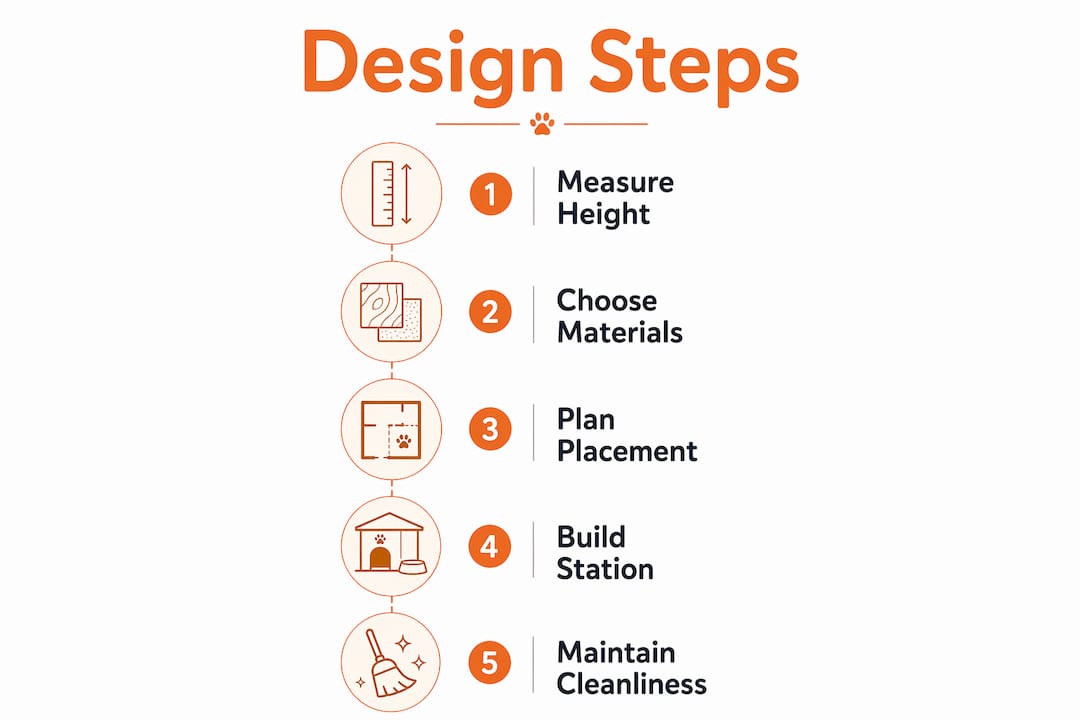
A well-built station starts with accurate measurements, not with picking materials. Work through these steps in order to avoid costly mistakes.
-
Measure your dog’s chest height while standing. This is your bowl rim target. Write it down before you do anything else.
-
Determine the footprint. Measure the width and depth your dog needs to stand comfortably at the station without crowding. Add at least 4 inches on each side.
-
Choose your bowl size and count. Most dogs use two bowls: one for food, one for water. Confirm bowl diameter fits your chosen station frame before ordering.
-
Select your station type. Decide between built-in, freestanding, or drawer-style based on your space and permanence needs.
-
Choose cabinetry or woodwork style. Match door profiles, hardware finishes, and paint or stain colors to your existing kitchen or living room furniture.
-
Specify your liner tray. Order an ABS plastic tray with a raised lip sized to your station opening. This protects the cabinetry below from water damage.
-
Plan your backsplash. Tile backer board goes in first, then your chosen tile or stone. Start tiling from the center for symmetry and use a rubber trowel to spread grout evenly. Allow 15–30 minutes drying time before finishing.
-
Add food storage if needed. Include a ventilated compartment for dry food adjacent to the feeding zone.
-
Install drawer hardware rated for heavy use. Full-extension, soft-close drawer runners rated for at least 50kg prevent damage when your dog leans into the feeding drawer.
-
Test before finishing. Fill the bowls with water and check the liner tray for leaks before applying any final paint or trim.
Pro Tip: If you are hiring a carpenter or kitchen designer, bring your dog’s chest height measurement and a photo of your existing cabinetry to the first meeting. Those two details cut the design conversation in half.
DIY builds work well for freestanding and simple drawer-style stations. Built-in flush-fit designs that match existing cabinetry precisely are better handled by a professional joiner or kitchen designer, especially if you are working within an existing kitchen renovation.
How to maintain your station and keep it in good condition
Routine cleaning prevents the most common problems: bacterial buildup, water damage, and persistent odors. Remove and wash stainless steel bowls daily in the dishwasher or with hot soapy water. Wipe the liner tray after every meal to prevent standing water from sitting against the cabinetry base.
Maintenance tasks to schedule regularly:
-
Weekly: Remove the liner tray completely and clean underneath it. Check for moisture on the cabinet base.
-
Monthly: Inspect cabinetry joints and sealed surfaces for signs of water penetration or swelling.
-
Every 6 months: Check drawer runners for smooth operation. Lubricate soft-close mechanisms if they feel stiff.
-
Annually: Assess whether your dog’s bowl height still matches their chest level. Growing puppies and aging dogs with changing mobility both benefit from height adjustments.
Odor problems almost always trace back to the food storage compartment. If you notice a stale smell, check that the ventilation path for dry food storage is clear and unobstructed. Replace food storage bins that have developed surface cracks, since cracks trap moisture and accelerate odor buildup. Replacing individual components like bowls or mats is far cheaper than rebuilding the station, so keep spare replacement bowls on hand.
Key takeaways
A well-designed bespoke dog feeding station requires the right bowl height, food-safe materials, and thoughtful placement to serve both your dog’s health and your home’s aesthetic.
| Point | Details |
|---|---|
| Bowl height is non-negotiable | Set the bowl rim at your dog’s chest level to reduce neck strain and support joint health. |
| Material quality protects health | Use food-grade stainless steel bowls and ABS plastic liner trays to prevent bacteria and water damage. |
| Integration requires planning | Built-in stations need to be specified at the kitchen design stage to match cabinetry finishes accurately. |
| Placement affects daily life | Position the station away from traffic paths and facing the main room to keep your dog socially included. |
| Maintenance extends station life | Daily bowl washing and weekly tray checks prevent the most common hygiene and structural problems. |
Why ergonomics and aesthetics are both non-negotiable
I have seen owners spend serious money on beautiful cabinetry and then drop a floor-level bowl inside it. The station looks stunning and does nothing for the dog’s comfort. That is the most common mistake I encounter, and it comes from treating the feeding area as a design project first and a pet health decision second.
The truth is that both have to come first simultaneously. A station at the wrong height is just expensive furniture. A station at the right height but made from porous materials or without a proper liner tray becomes a hygiene problem within weeks. The owners who get this right are the ones who measure their dog before they pick a finish, not after.
The other thing I tell people: do not underestimate how much the placement changes daily life. A station tucked into a corner where your dog has to face the wall is a missed opportunity. Dogs are social animals. A station positioned so they can see the family during meals makes feeding time calmer and more enjoyable for everyone. That detail costs nothing to plan and everything to retrofit.
The satisfaction of a well-integrated station is real. When the feeding area looks like it was always meant to be there, and your dog eats comfortably every single day, you stop thinking about it. That is exactly what good design is supposed to do.
— Kim
Bearwoodessentials handcrafted feeders for your custom setup
Your station design is only as good as the feeder at its center. Bearwoodessentials builds handcrafted metal and wooden elevated feeders designed specifically for dog owners who want both ergonomic function and visual quality in one piece.
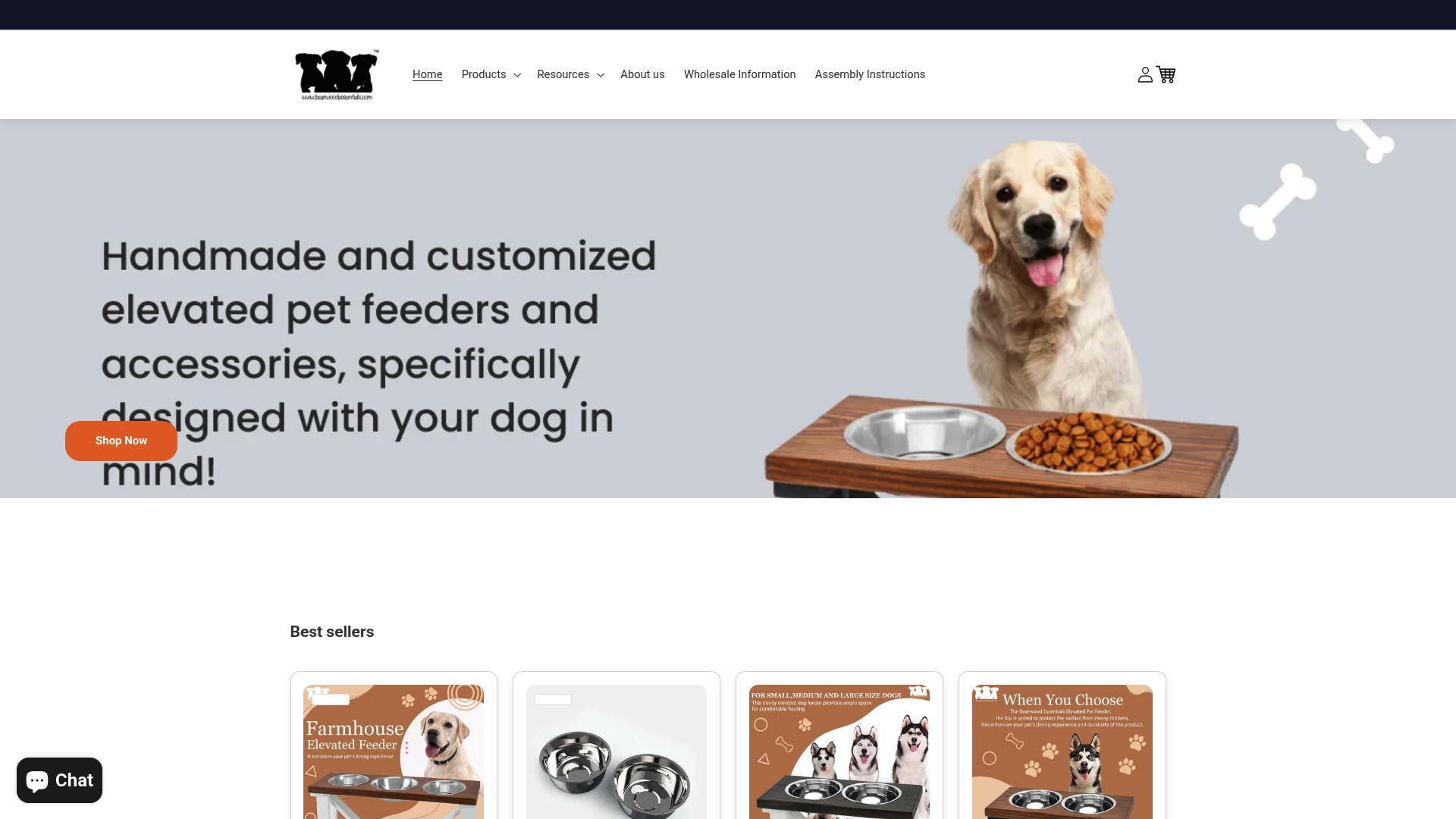
The handmade metal dog bowl feeder from Bearwoodessentials pairs rustic craftsmanship with a raised design that positions bowls at the correct feeding height for medium and large breeds. For owners building a complete two-bowl setup, the wooden double diner offers a clean, furniture-grade finish that integrates naturally into kitchen and living spaces. Both lines come in multiple sizes to match your dog’s measurements. Free U.S. shipping applies to qualifying orders.
FAQ
What height should a bespoke dog feeding station be?
The bowl rim should sit at your dog’s chest height when standing. Built-in drawer stations are typically 200–250mm tall, while dedicated feeding cabinets often reach 31.5 inches for larger breeds.
What materials are best for a custom dog feeding station?
Food-grade stainless steel bowls and ABS plastic liner trays are the standard. Tile or stone backsplashes and sealed cabinetry surfaces protect surrounding materials from moisture damage.
Can I build a bespoke feeding station myself?
Freestanding and simple drawer-style stations are practical DIY projects. Flush-fit built-in designs that match existing cabinetry precisely are better handled by a professional joiner, especially during a kitchen renovation.
How do I prevent odors in my dog’s feeding station?
Wash bowls daily and clean the liner tray after every meal. Ventilate dry food storage compartments separately from the main cabinetry airflow to prevent humidity and odor buildup.
Do elevated feeding stations help dogs with joint problems?
Elevated stations reduce neck flexion and joint pressure during meals. Dogs with arthritis or mobility issues benefit most, since floor-level bowls force repeated downward strain on the neck and shoulders at every feeding.