
Arthritis in dogs is the leading cause of mealtime avoidance in senior pets, and floor bowls are a direct contributor. When your dog bends down to eat from a bowl on the ground, the posture forces the neck forward, shifts body weight onto the front legs, and compresses already inflamed joints. Many owners interpret this as pickiness or a sudden change in appetite. The real cause is physical pain. Understanding why arthritic dogs struggle with floor bowls is the first step toward making mealtimes comfortable again, and the fix is more straightforward than most people expect.
Why arthritic dogs struggle with floor bowls
Arthritic dogs eating from floor bowls shift weight onto painful front legs, which increases pressure on inflamed joints and makes every bite uncomfortable. This is not a behavioral quirk. It is a direct mechanical consequence of the posture required to reach a ground-level bowl. The neck drops, the shoulders round forward, and the elbows bear load they cannot handle without pain.
The joints most affected are the neck vertebrae, shoulders, elbows, and wrists. For a dog already managing stiffness in these areas, the act of eating becomes a repeated stress event, multiple times a day. Over time, arthritic dogs abandon meals early to escape the discomfort, and owners mistake this stop-and-start eating pattern for fussiness rather than pain. That misread delays the solution.
Canine osteoarthritis, the clinical term for this degenerative joint condition, affects an estimated 20% of dogs over one year of age and becomes significantly more common in dogs over seven. The condition does not just affect movement. It reshapes every physical activity that requires joint loading, including eating. Recognizing feeding difficulty as a symptom of arthritis in dogs is a meaningful shift in how you care for your pet.
How bowl height affects joint strain and posture
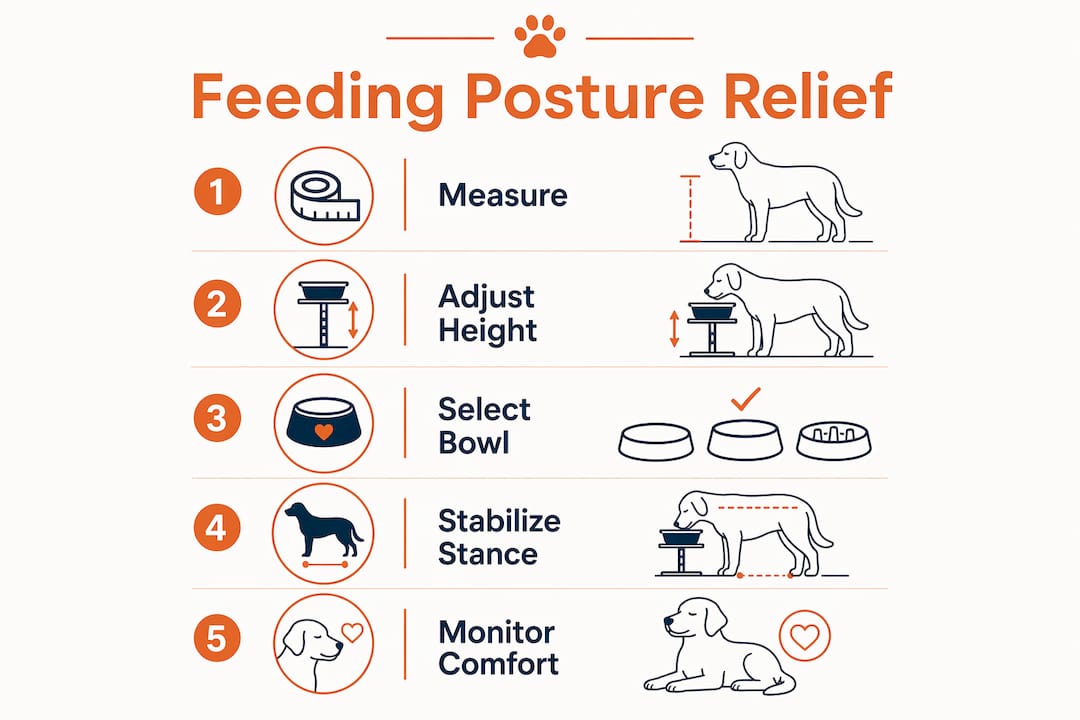
Raising the food bowl to the correct height keeps the spine neutral and reduces neck and shoulder strain for arthritic dogs. The spine stays aligned, the neck stays level, and the front legs bear weight in a natural standing position rather than a forward lean. This single adjustment can make a measurable difference in how willingly your dog approaches meals.
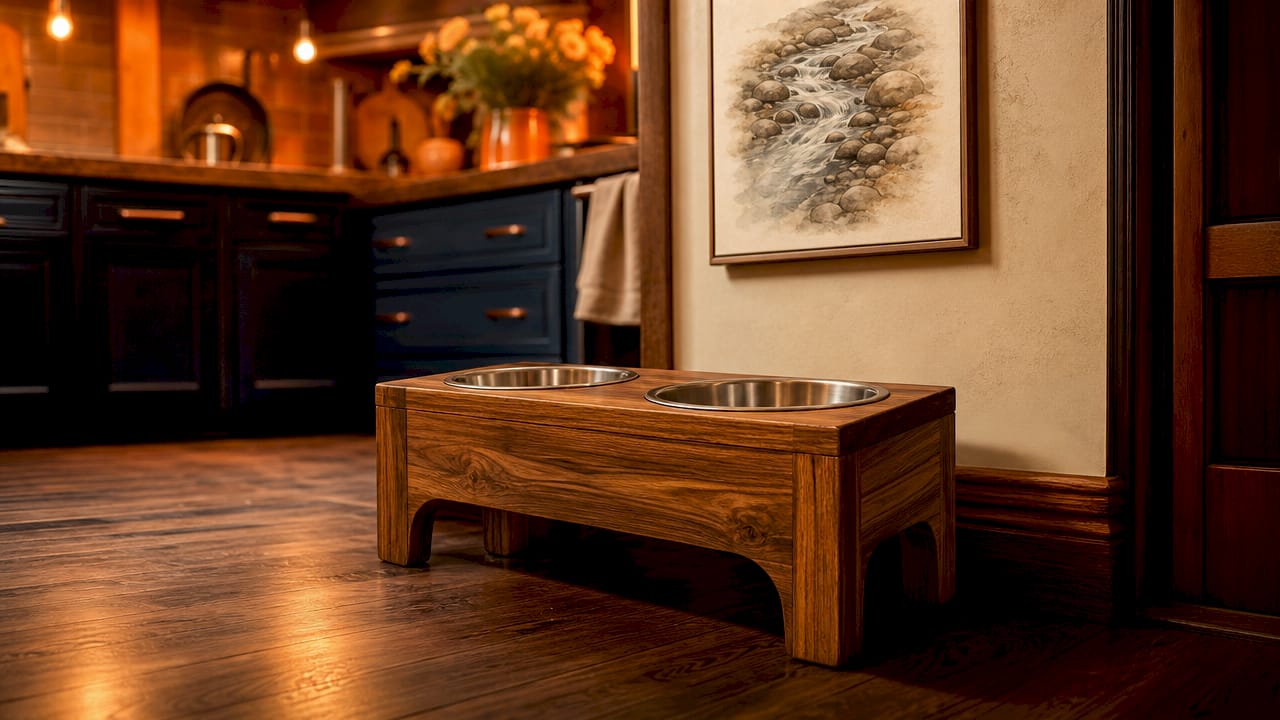
The optimal height for an elevated bowl is at your dog’s elbow level, not head height. This is a detail many owners get wrong. Placing the bowl too high forces the neck to extend upward, which causes pain similar to bending too low. The goal is a neutral neck position, where the dog’s head is roughly level with the spine, not tilted in either direction.
Here is what proper elevated feeding achieves for an arthritic dog:
- Neutral spine alignment reduces compression on cervical vertebrae during eating
- Reduced front-leg load means less pressure on inflamed elbows and wrists
- Shorter reach distance decreases the forward lean that strains shoulder joints
- Improved swallowing mechanics as the throat stays in a natural position
- Less post-meal stiffness because the dog is not recovering from an awkward posture
You can read more about the mechanics behind this in the Bearwoodessentials guide on raised bowls and joint comfort.
Pro Tip: Measure your dog’s elbow height while standing on all four legs. That measurement is your target bowl rim height. A bowl that sits one to two inches below elbow level is ideal for most arthritic dogs.
How floor surfaces and bowl design affect feeding comfort
Slippery floors force arthritic dogs to expend extra energy stabilizing their stance while eating, which compounds joint fatigue on top of the strain from bending. Hardwood, tile, and laminate floors are particularly problematic. A dog that cannot plant its paws confidently will shift and shuffle constantly, turning a two-minute meal into an exhausting physical effort.
Non-slip mats placed under the feeding station solve this directly. A rubber-backed mat or a dedicated anti-slip feeding pad gives your dog a stable platform to stand on. This reduces the micro-adjustments the legs make during eating and allows the dog to focus on the meal rather than maintaining balance. Feeder stability matters just as much as bowl height, and the two work together.
Bowl shape and material also influence how hard your dog has to work to eat:
- Wide, shallow bowls reduce neck dipping because food is spread across a larger surface. Deep, narrow bowls increase neck strain by forcing the dog to reach further down to access food at the bottom.
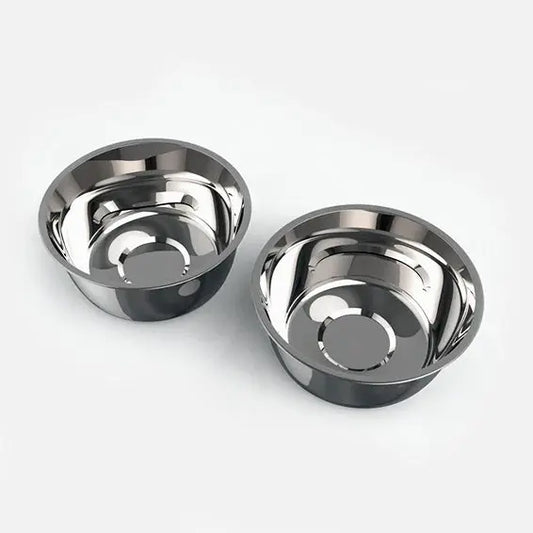
- Stainless steel bowls are preferred for arthritic dogs because they are durable, easy to clean, and do not harbor bacteria the way plastic bowls can. Clean bowls matter more for senior dogs with compromised immune systems.
- Heavy or weighted bowls stay in place during feeding, which means the dog does not chase a sliding bowl across the floor and strain joints in the process.
Pro Tip: If your dog is already using a raised feeder, check whether the bowls themselves are wide enough. Switching from a deep, narrow insert to a wide, shallow stainless steel bowl can reduce neck dipping without changing the feeder height at all.
Feeding strategy adjustments for arthritic dogs
Beyond the physical setup, what you feed and how you prepare it affects how much effort your dog puts into each meal. Softening dry kibble or warming food enhances aroma and reduces the physical effort of chewing, which encourages better appetite in dogs experiencing oral or joint discomfort. Warm food is particularly effective because the increased scent stimulates appetite even when pain is suppressing it.
Here are four feeding strategy adjustments that directly reduce mealtime difficulty for arthritic dogs:
- Soften dry kibble by adding warm water or low-sodium broth. Let it sit for five minutes before serving. This reduces the jaw force needed to chew and makes the meal more appealing.
- Warm wet food slightly before serving. Room temperature or slightly warm food releases more aroma than cold food straight from the refrigerator, which motivates a reluctant eater.
- Watch for stop-and-start eating patterns. A dog that walks away mid-meal and returns, or eats only a portion before stopping, is likely signaling physical discomfort rather than a preference issue. Consult your veterinarian if this pattern persists.
- Manage your dog’s weight carefully. A 5 to 10% reduction in body weight leads to significant pain reduction and improved mobility in arthritic dogs. Keeping treats under 10% of daily calories is a practical starting point. Less weight means less load on every joint, including those stressed during feeding.
For dogs with persistent appetite loss, a veterinary check is the right call. Dental disease, nausea from pain medication, or worsening arthritis can all suppress appetite in ways that feeding adjustments alone cannot fix. Nutrition, medical management, and environmental adjustments work together as part of comprehensive arthritis care.
Common mistakes when switching to elevated feeders
Switching to an elevated feeder is the right move for most arthritic dogs, but the transition introduces its own risks if done carelessly. The most common mistake is setting the bowl too high. Owners assume higher is better, but a bowl positioned at head height or above forces the neck into extension, which causes pain similar to floor-level bending. The target is always elbow height.
The second major concern involves deep-chested breeds. Elevated feeders increase the risk of gastric dilatation-volvulus in breeds like Great Danes, German Shepherds, Weimaraners, and Doberman Pinschers. GDV is a life-threatening condition, and the link with elevated feeding in these breeds is significant enough to require a veterinary conversation before making the switch. Elevated feeders are not appropriate for every dog, and breed matters.
| Scenario | Recommendation |
|---|---|
| Bowl set too high | Lower to elbow height; neck extension causes pain just like floor bowls |
| Deep-chested breed (e.g., Great Dane) | Consult a vet before using elevated feeders due to GDV risk |
| Feeder placed on slippery floor | Add a non-slip mat under the entire feeding station |
| Dog hesitant to use new feeder | Transition gradually; place familiar bowl beside new feeder first |
| Arthritic dog with spinal condition | Some dogs benefit from floor-level feeding; get a vet assessment |
Gradual transition matters too. Some arthritic dogs are cautious about new setups, particularly if they associate the feeding area with discomfort. Placing the elevated feeder next to the old bowl for a few days, then removing the floor bowl, gives your dog time to adjust without stress. You can find a detailed walkthrough in the Bearwoodessentials guide on switching to a raised feeder safely.
Key takeaways
Arthritic dogs struggle with floor bowls because bending down forces joint-loading postures that cause pain, and elevating the bowl to elbow height is the most direct and effective solution.
| Point | Details |
|---|---|
| Floor bowls cause joint strain | Bending to floor level shifts weight onto inflamed front leg joints, making eating painful. |
| Elbow height is the target | Set the bowl rim at elbow level to keep the spine neutral and reduce neck and shoulder stress. |
| Surface stability matters | Non-slip mats under the feeder reduce stance adjustments that fatigue arthritic joints. |
| Bowl shape affects neck dipping | Wide, shallow bowls reduce how far the dog must reach down compared to deep, narrow ones. |
| Weight management reduces pain | A 5 to 10% body weight reduction measurably lowers joint load and improves mobility. |
What I’ve learned from watching arthritic dogs eat
The hardest part of caring for an arthritic dog is accepting that the routines that worked for years no longer fit. I have watched owners spend months trying different foods, different brands, different feeding schedules, all while the bowl stays on the floor. The dog is not being difficult. The dog is in pain, and the environment has not caught up with the body’s new reality.
What strikes me most is how quickly things improve once the feeding station is adjusted correctly. A dog that was walking away from meals starts finishing them. A dog that was losing weight stabilizes. These are not dramatic medical interventions. They are small environmental changes that respect what the body can and cannot do.
I also want to be honest about the limits here. Elevated feeders are not a universal fix. Some dogs with specific spinal conditions actually do better at floor level, and certain breeds carry real risks with raised feeding. The right answer is always based on the individual dog, not a general rule. Observe your dog’s behavior at every meal. If something is not working, adjust. If appetite loss persists, see your vet. The feeding setup is one piece of a larger picture that includes nutrition, medication, and regular veterinary oversight.
The dogs I have seen thrive are the ones whose owners stay curious and keep adjusting. That attentiveness is the most valuable thing you can offer an arthritic pet.
— Kim
Elevated feeders designed for arthritic dogs
If you are ready to make the switch, Bearwoodessentials builds handcrafted elevated feeders designed with stability, correct height, and durability in mind. Each feeder is made to support dogs that need a comfortable, secure feeding position every day.
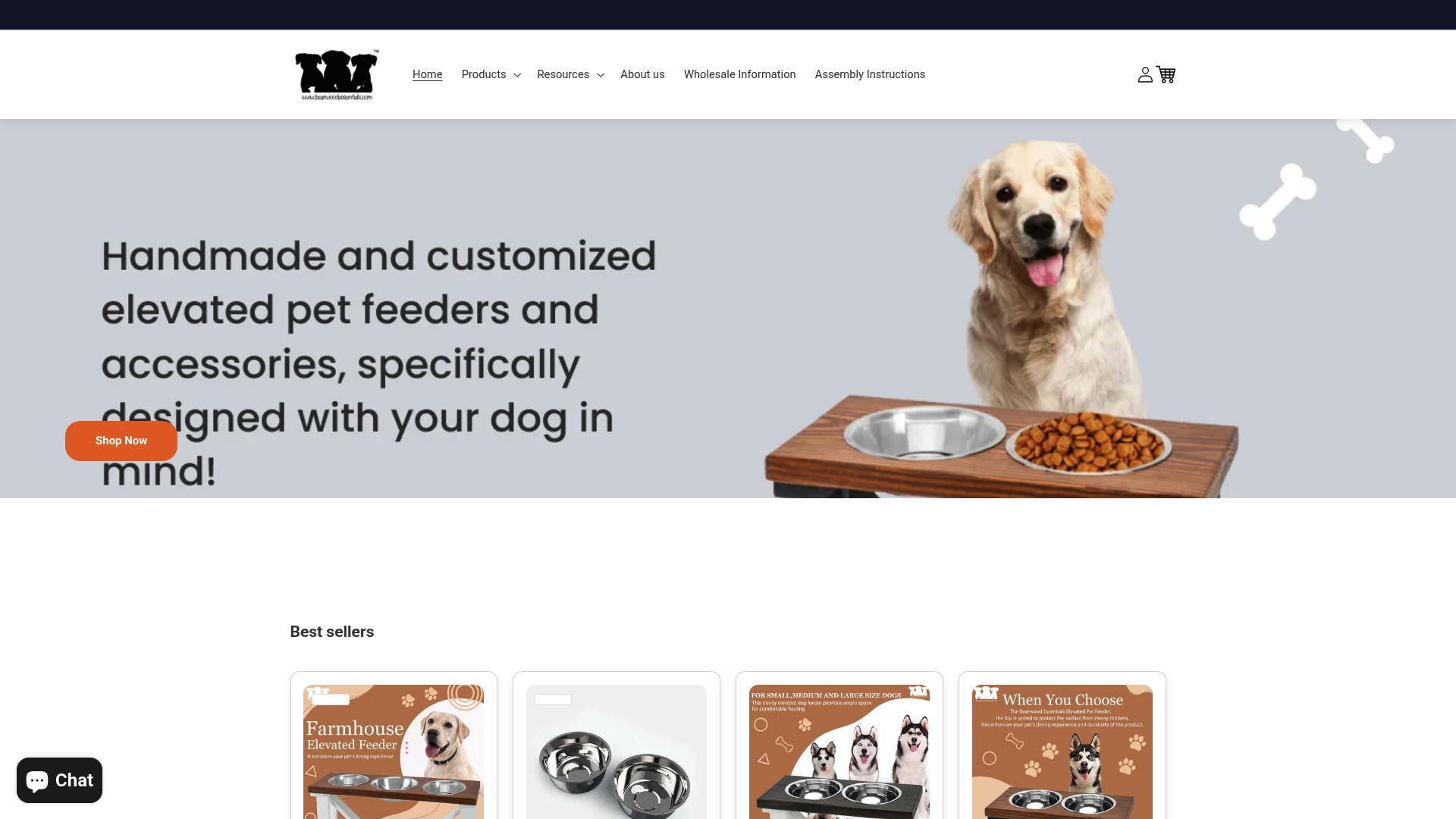
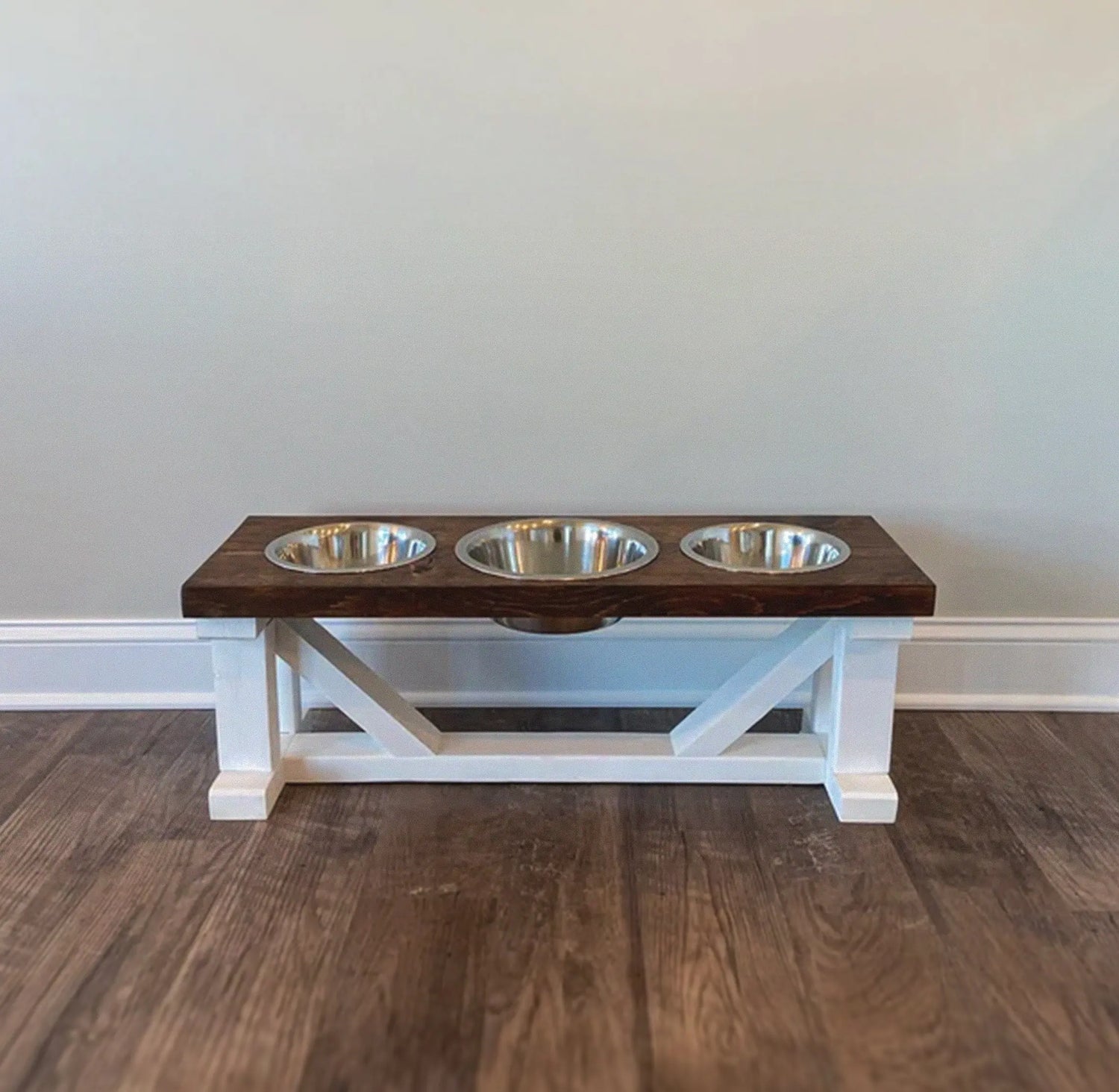
The handmade metal dog feeder from Bearwoodessentials combines a sturdy raised stand with a functional design that keeps the bowl at the right height for arthritic dogs. Pair it with the stainless steel non-spill bowl for a stable, easy-to-clean setup that reduces sliding and mess. Bearwoodessentials also offers replacement bowls in wide, shallow designs that reduce neck dipping. Free U.S. shipping is available on qualifying orders.
FAQ
Why does my arthritic dog stop eating mid-meal?
Stop-and-start eating is a common sign of physical discomfort rather than pickiness. Arthritic dogs often walk away mid-meal to relieve the joint pain caused by bending to a floor-level bowl.
What is the correct height for an elevated dog bowl?
The bowl rim should sit at your dog’s elbow height while standing. This keeps the spine neutral and prevents both the downward neck bend of floor bowls and the upward neck extension of bowls set too high.
Are elevated feeders safe for all dog breeds?
No. Deep-chested breeds like Great Danes and Weimaraners face an increased risk of gastric dilatation-volvulus with elevated feeders. Always consult your veterinarian before switching these breeds to a raised feeding setup.
Does bowl shape matter for arthritic dogs?
Wide, shallow bowls reduce how far a dog must dip its neck to reach food, which lowers strain on the neck and shoulders. Deep, narrow bowls require more neck bending and are harder on arthritic dogs.
Can weight loss help an arthritic dog eat more comfortably?
A 5 to 10% reduction in body weight leads to measurable pain relief and improved mobility in arthritic dogs. Less body weight means less load on every joint, including those stressed during feeding.