
Dog feeding ergonomics is the practice of arranging your dog’s feeding area to support natural posture and reduce physical strain during meals. The term draws from human ergonomics, where workspaces are designed to fit the body rather than force the body to adapt. For dogs, this means selecting the right bowl height, bowl material, and feeding environment based on your dog’s size, breed, and health needs. Get it right, and you reduce neck strain, support better digestion, and make mealtime genuinely comfortable. Get it wrong, and your dog may spend years hunching over a floor bowl in a posture that quietly stresses joints and the spine.
What is dog feeding ergonomics and why does it matter?
Dog feeding ergonomics is defined as the design and arrangement of a dog’s feeding setup to match the animal’s anatomy and promote physical comfort during eating. The recognized term in veterinary and pet care circles is canine feeding posture optimization, though “dog feeding ergonomics” captures the same concept for everyday use.
The core principle is simple. When a dog eats from a bowl placed flat on the floor, the animal bends its neck downward at a steep angle. Over time, this posture puts repeated stress on the cervical spine, shoulders, and front joints. Proper ergonomic feeding can prevent joint and spine discomfort, potentially reducing injury risk over the dog’s lifetime.
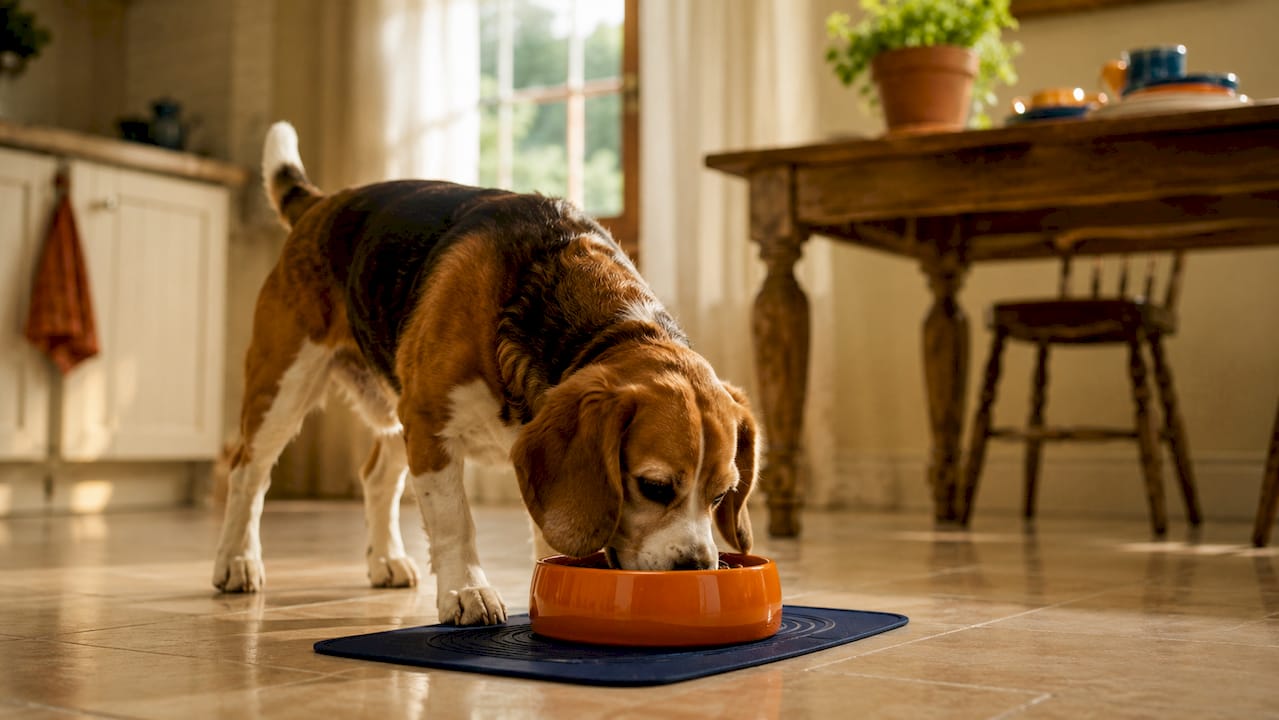
True ergonomic feeding is holistic. It covers bowl height, feeding environment, bowl material, and feeding pace. A calm, stable feeding zone with high-quality bowls reduces both physical strain and mealtime anxiety. That combination matters more than any single product purchase.
How does bowl height affect a dog’s feeding posture and health?
Bowl height is the single most important variable in canine feeding ergonomics. The correct height aligns the bowl with the dog’s chest or shoulder level, allowing the neck to stay in a neutral position during eating.
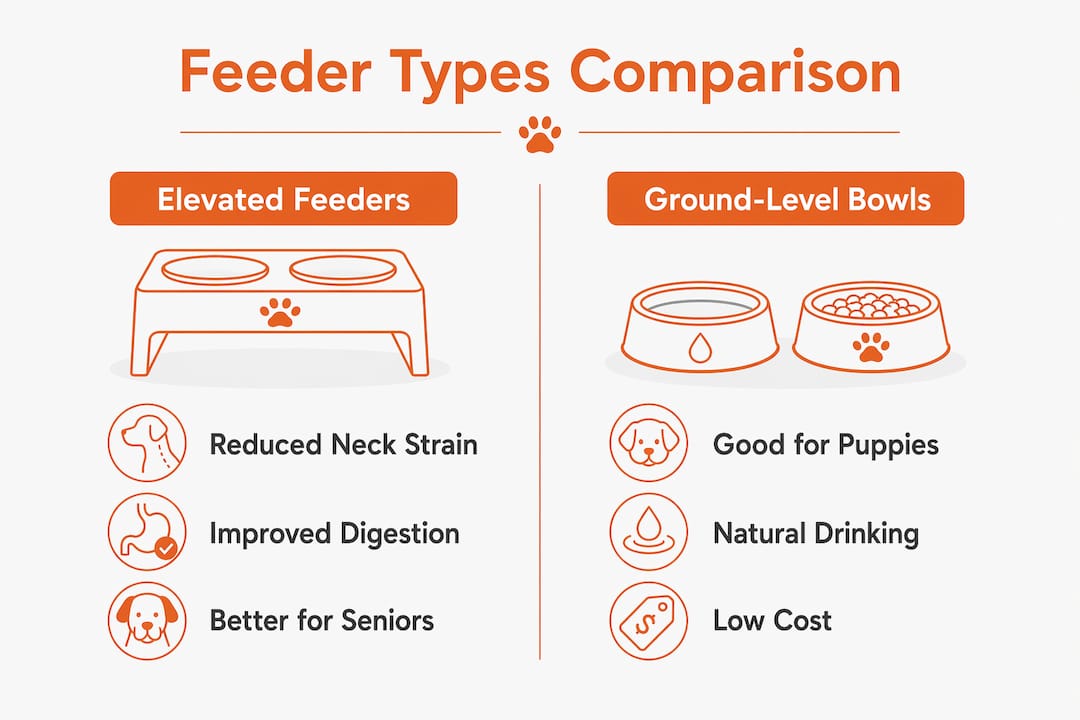
Measuring at the withers and setting bowl height accordingly helps prevent strain and promotes a comfortable eating posture. The withers is the ridge between the shoulder blades, the standard reference point for dog height measurement. For most dogs, the ideal bowl sits 2–4 inches below the withers. This keeps the neck slightly lowered but not sharply bent.
The benefits extend beyond comfort. Elevated bowls improve digestion and reduce swallowing strain, particularly for senior dogs and those with illness or mobility issues. A dog that eats with its neck in a natural position swallows more efficiently, which reduces the risk of choking and indigestion.
Here are the key measurement steps to find the right bowl height for your dog:
-
Stand your dog on a flat surface and measure from the floor to the top of the withers.
-
Subtract 2–4 inches from that measurement to get your target bowl height.
-
For large breeds, err toward the higher end of that range to reduce front-leg strain.
-
Recheck the measurement as puppies grow, since the ideal height changes with age.
Pro Tip: Use a tape measure and have someone hold your dog still during measurement. A bowl that is even 2 inches too low can undo most of the ergonomic benefit.
What are the benefits and drawbacks of elevated vs. ground-level feeders?
Elevated feeders and ground-level bowls each serve different dogs in different situations. Knowing which setup fits your dog prevents both physical problems and wasted money.
When elevated feeders help most
Elevated feeders significantly help dogs with health conditions like megaesophagus, arthritis, or mobility issues. Senior dogs benefit from reduced neck and front-leg strain. Large breeds benefit from better spinal alignment. Dogs recovering from orthopedic surgery benefit from less bending. You can read more about this in the Bearwoodessentials guide on elevated feeding for senior dogs.
Key benefits of elevated feeders include:
-
Reduced neck and shoulder strain during eating
-
Improved swallowing mechanics for dogs with megaesophagus
-
Joint relief for dogs with arthritis or hip dysplasia
-
Easier access for dogs with limited mobility
-
Cleaner feeding area since bowls stay in place
When ground-level feeding works fine
Very young, active dogs with no health concerns often do fine with floor bowls. Puppies in particular move constantly during meals, and a raised feeder can actually get in the way. Some dog owners also worry about bloat risk with elevated feeders, though the research on this connection remains inconclusive. The Bearwoodessentials article on elevated bowl bloat risk covers this topic in detail.
| Factor | Elevated Feeder | Ground-Level Bowl |
|---|---|---|
| Senior or arthritic dogs | Strong benefit | Not recommended |
| Large breeds | Recommended | Acceptable with monitoring |
| Puppies and small active dogs | Optional | Works well |
| Megaesophagus dogs | Medically beneficial | Not suitable |
| Hygiene and stability | Easier to maintain | Bowls slide and tip |
| Cost | $20–$200+ | Minimal |
Pro Tip: If your dog has any diagnosed joint condition or swallowing difficulty, consult your vet before choosing a feeder height. The right height for a medical condition may differ from the standard formula.
How to design an ergonomic dog feeding station
A well-designed dog feeding station goes beyond a single raised bowl. The goal is a dedicated, stable space that supports your dog’s physical comfort and makes daily feeding easier for you.
Feeding station costs vary widely based on materials and complexity, ranging from simple adjustable stands at $20–$100 to customized built-in stations at $200 and above. Materials like wood, metal, and quartz each affect both price and durability. Here is a practical framework for building or buying a station that works:
-
Choose a non-slip surface. The feeding area should not allow bowls or the stand to slide. Rubber feet on the stand and a mat underneath prevent movement and reduce noise.
-
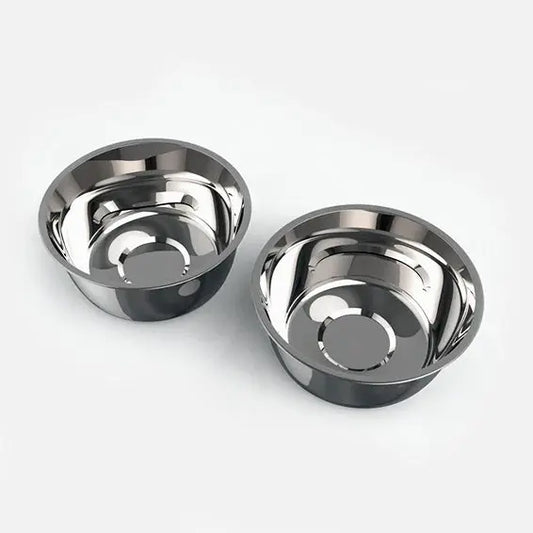
Select the right bowl material. Stainless steel is the most hygienic option because it resists bacteria and is dishwasher safe. Porcelain works well but chips over time. Avoid plastic, which harbors bacteria in scratches.
-
Consider adjustable height stands. Modular designs like the Sloddy slow feeder system allow you to change bowl height as your dog ages or if you have multiple dogs of different sizes.
-
Add a slow feeder insert if needed. Modular slow feeders with adjustable heights address fast eating and bacterial buildup simultaneously. Slow feeders reduce gulping, which lowers the risk of bloat and indigestion.
-
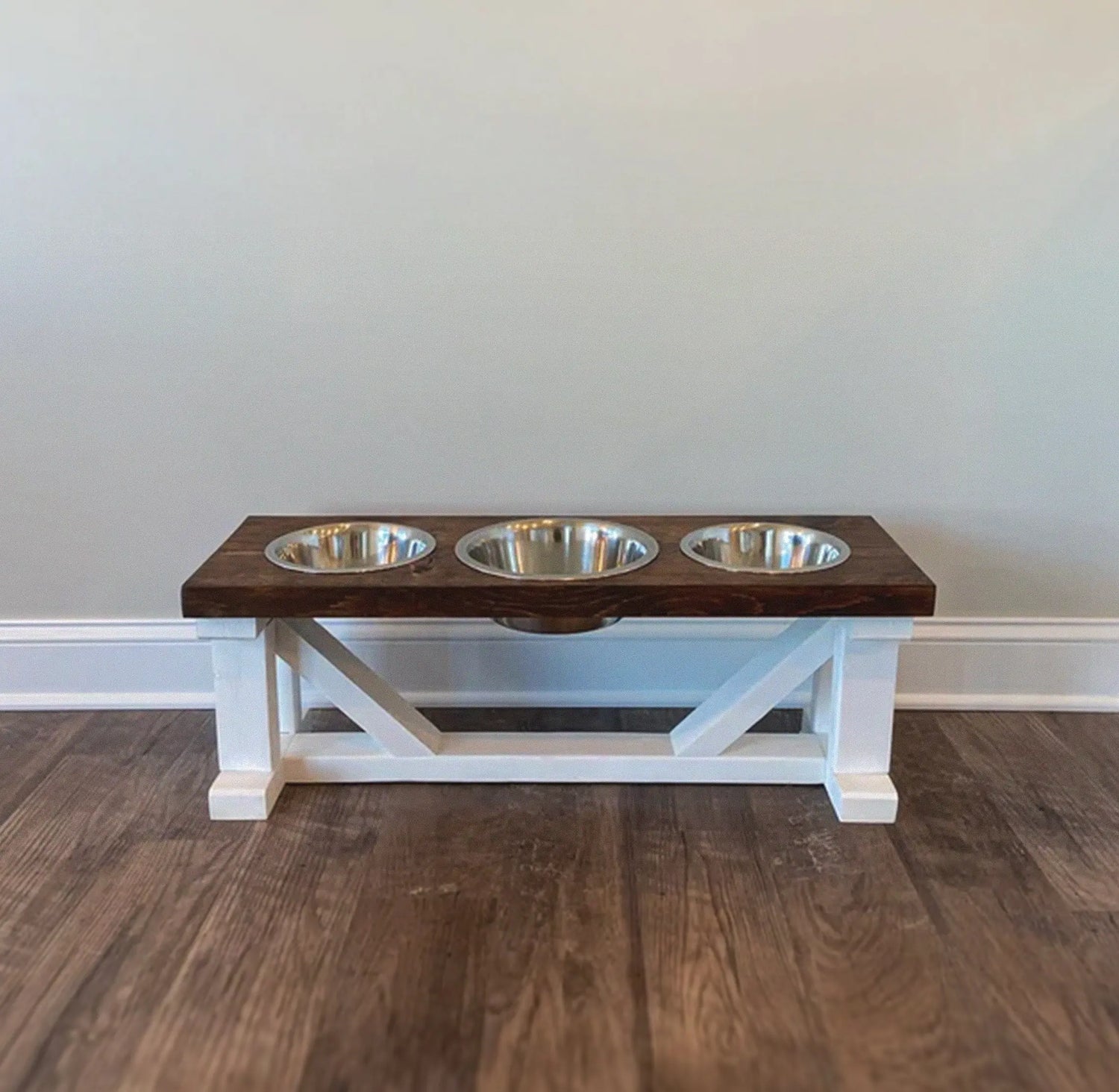
Plan for multi-dog homes. Two-bowl stations or side-by-side stands keep feeding organized and reduce competition between dogs. The Bearwoodessentials double bowl feeder guide covers the advantages of this setup in detail.
| Station Type | Best For | Estimated Cost |
|---|---|---|
| Single adjustable stand | One dog, changing needs | $20–$60 |
| Two-bowl wooden station | Multi-dog or food and water | $60–$150 |
| Custom built-in station | Permanent home setup | $200+ |
| Slow feeder insert combo | Fast eaters, digestive concerns | $30–$80 |
Design experts recommend placing the station in a quiet, low-traffic area of the home. Dogs eat more calmly and digest better when they are not startled or distracted during meals.
How to tailor feeding ergonomics by breed, size, and health
No single feeding setup works for every dog. Different breeds require different feeding heights, with small breeds needing lower feeders and large breeds benefiting from elevated bowls to prevent strain. Customizing the setup by breed and size is what separates a genuinely ergonomic feeding arrangement from a generic one.
Here is how to think about specific dog categories:
-
Large breeds (Labrador Retrievers, German Shepherds, Great Danes): These dogs benefit most from elevated feeders. Their long necks and heavy front-end weight make floor feeding particularly stressful on joints. A bowl height of 12–18 inches is typical for large breeds. The Bearwoodessentials large breed bowl height guide provides breed-specific measurements.
-
Senior dogs: Aging dogs often develop arthritis in the neck, shoulders, or hips. An elevated feeder reduces the range of motion required to eat, which directly reduces pain. Pair the elevated bowl with an orthopedic mat nearby for maximum comfort.
-
Dogs with megaesophagus: This condition causes the esophagus to lose muscle tone, making it difficult to move food to the stomach. A nearly vertical feeding position, sometimes called the Bailey Chair position, is medically necessary for these dogs.
-
Small breeds (Chihuahuas, Dachshunds, Shih Tzus): Small dogs need lower elevated feeders, typically 2–6 inches off the ground. A full-height stand designed for large dogs creates the same neck strain problem in reverse.
-
Puppies: Young dogs grow quickly. A floor bowl works fine early on, but you should reassess feeding height every few months as the puppy grows. Adjustable stands are the most practical choice for this life stage.
-
Highly active adult dogs with no health issues: These dogs are the least likely to need an elevated feeder. A stable floor bowl with a non-slip mat is often sufficient.
Consult your vet if your dog shows signs of discomfort during or after eating, such as gagging, regurgitation, or reluctance to approach the bowl. These signs often point to a feeding height or bowl design problem that a simple adjustment can fix.
Key takeaways
Ergonomic dog feeding is the most direct way to reduce mealtime strain and support your dog’s long-term joint and digestive health.
| Point | Details |
|---|---|
| Bowl height is foundational | Set the bowl 2–4 inches below the withers to keep the neck in a neutral position. |
| Elevated feeders are not universal | They benefit seniors, large breeds, and dogs with health conditions most; puppies and active dogs may not need them. |
| Station design matters | Use non-slip surfaces, stainless steel bowls, and a quiet feeding zone for best results. |
| Customize by breed and life stage | Small breeds, large breeds, and senior dogs each need different bowl heights and feeder types. |
| Slow feeders add ergonomic value | Combining raised bowls with slow feeder inserts reduces gulping and supports better digestion. |
What i have learned from watching dogs eat better
I have spent years looking at how small changes to a feeding setup produce real, visible results in dogs. The most common mistake I see is owners buying an elevated feeder at the right height for their dog’s breed but placing it on a slippery tile floor. The dog shifts and slides during the meal, which creates a different kind of physical stress. The stand matters as much as the height.
The second mistake is ignoring bowl material. Plastic bowls develop micro-scratches that harbor bacteria, and many dogs develop contact allergies around the muzzle from low-quality plastic. Switching to stainless steel or porcelain often clears up skin irritation that owners had attributed to food allergies.
Slow feeders are genuinely useful, but most owners give up on them too quickly. Slow feeders need adaptable difficulty levels because dogs learn patterns fast. A slow feeder that challenged your dog in week one may be solved in under a minute by week four. Look for designs with interchangeable inserts or adjustable maze patterns.
The most rewarding thing I have seen is a senior dog with arthritis approach a properly set elevated feeder and eat a full meal without stopping to rest mid-bowl. That is what good feeding ergonomics actually looks like in practice. It is not dramatic. It is just a dog eating comfortably, the way every dog deserves to eat.
— Kim
Handcrafted feeders built for your dog’s comfort
If you are ready to move from a floor bowl to a setup that genuinely supports your dog’s posture and health, Bearwoodessentials makes it straightforward. Every feeder in the Bearwoodessentials collection is handcrafted from wood or metal, designed to hold stainless steel bowls at the correct ergonomic height for your dog’s size.
The handmade metal raised feeder combines a rustic, durable frame with practical feeding function, and it works beautifully for medium to large breeds. For a classic wooden option with two stainless steel bowls, the wooden double diner station is a popular choice for multi-dog households. Browse the full range at Bearwoodessentials and find the feeder that fits your dog’s needs and your home’s style.
FAQ
What is dog feeding ergonomics?
Dog feeding ergonomics is the practice of designing a dog’s feeding area to match the animal’s natural posture and anatomy. It covers bowl height, bowl material, feeding environment, and feeding pace to reduce physical strain and support digestion.
What is the best feeding height for dogs?
The best feeding height sits 2–4 inches below the dog’s withers, the ridge between the shoulder blades. This keeps the neck in a neutral position and reduces strain on the spine and front joints.
Do all dogs need an elevated feeder?
No. Elevated feeders benefit seniors, large breeds, and dogs with conditions like arthritis or megaesophagus most. Healthy puppies and small active dogs often do fine with a stable floor bowl.
What bowl material is most hygienic for dogs?
Stainless steel is the most hygienic bowl material because it resists bacteria, does not scratch easily, and is dishwasher safe. Porcelain is a solid second choice, while plastic is the least recommended due to bacterial buildup in surface scratches.
When should i consult a vet about my dog’s feeding setup?
Consult a vet if your dog shows gagging, regurgitation, reluctance to eat, or visible discomfort during or after meals. These signs can indicate a feeding height problem or an underlying condition like megaesophagus that requires a specific feeding solution.