

Handcrafted wooden elevated feeders hold up well to daily use when three conditions are met: the wood species is naturally durable, exterior surfaces carry a pet-safe sealant, and you follow a consistent cleaning and inspection routine. Skip any one of those, and even a beautifully built feeder will show wear faster than it should.
Here is the short version:
- Choose a naturally durable wood species (cedar, redwood, or cypress)
- Apply exterior sealants only on outside surfaces, never on food-contact areas
- Clean weekly or bi-weekly to prevent bacteria and moisture buildup
- Inspect and reseal seasonally to catch small problems before they grow
Table of Contents
- Which materials actually resist daily wear in a wooden feeder?
- How construction details make a wooden feeder sturdy every day
- Safe cleaning routines that protect your pet and the wood
- Seasonal inspection and simple repairs that extend feeder life
- What lifespan and maintenance costs should you realistically expect?
- How to choose a wooden elevated feeder that holds up to daily use
- Key Takeaways
- Why handcrafted wooden feeders are worth the care
- Bearwoodessentials feeders built to these durability standards
- Useful sources and further reading
Which materials actually resist daily wear in a wooden feeder?
The wood species you start with sets the ceiling on how long a feeder lasts. Cedar, redwood, and cypress contain natural oils and resins that resist rot, fungi, and insects, and their tighter grain sheds water more effectively than softer species. Untreated pine can work, but it needs more frequent sealing and shows wear noticeably faster in humid conditions.
Pressure-treated lumber is not a safe choice for pet feeders. The chemical preservatives that make it rot-resistant are not appropriate near food or water bowls. Plywood is similarly problematic: exposed edges absorb moisture quickly, and delamination is a common failure point.
Hardware matters as much as wood. Corroding screws and brackets stain the wood, weaken joints, and can leave rust residue near feeding areas. Stainless steel or hot-dipped galvanized fasteners prevent that. For the bowls themselves, stainless steel is the clear choice: non-porous, dishwasher-safe, and free of the bacteria-trapping surface texture that ceramic or plastic develops over time.
Pro Tip: Before assembly, press a few water drops onto the board surface. If they bead up and roll off, the wood’s natural oils are intact. If they soak in within seconds, the lumber needs more drying time or is not the right species for an outdoor build. Also confirm the stock is kiln-dried; unacclimated wood movement is the leading cause of split joints and warped roofs.
How construction details make a wooden feeder sturdy every day
Durable feeders combine water-shedding design, stable joinery, and corrosion-resistant hardware. No single feature carries the whole load; they work together.
The roof angle is the most overlooked detail. A hopper-style roof at 45 degrees or steeper sheds rain before it can pool and seep into joints. Flat-top feeders hold standing water, and that moisture works into the wood grain within weeks. A minimum one-inch overhang on all sides keeps drip lines away from the stand legs and bowl mounts.
Sloped seed trays with drainage holes prevent the other common failure: wet food sitting against wood. Even a small 1/4-inch drainage gap at the tray’s low edge makes a meaningful difference. Elevated stands keep the entire feeder off the ground, reducing contact with soil moisture and making it harder for pests to reach the bowls.
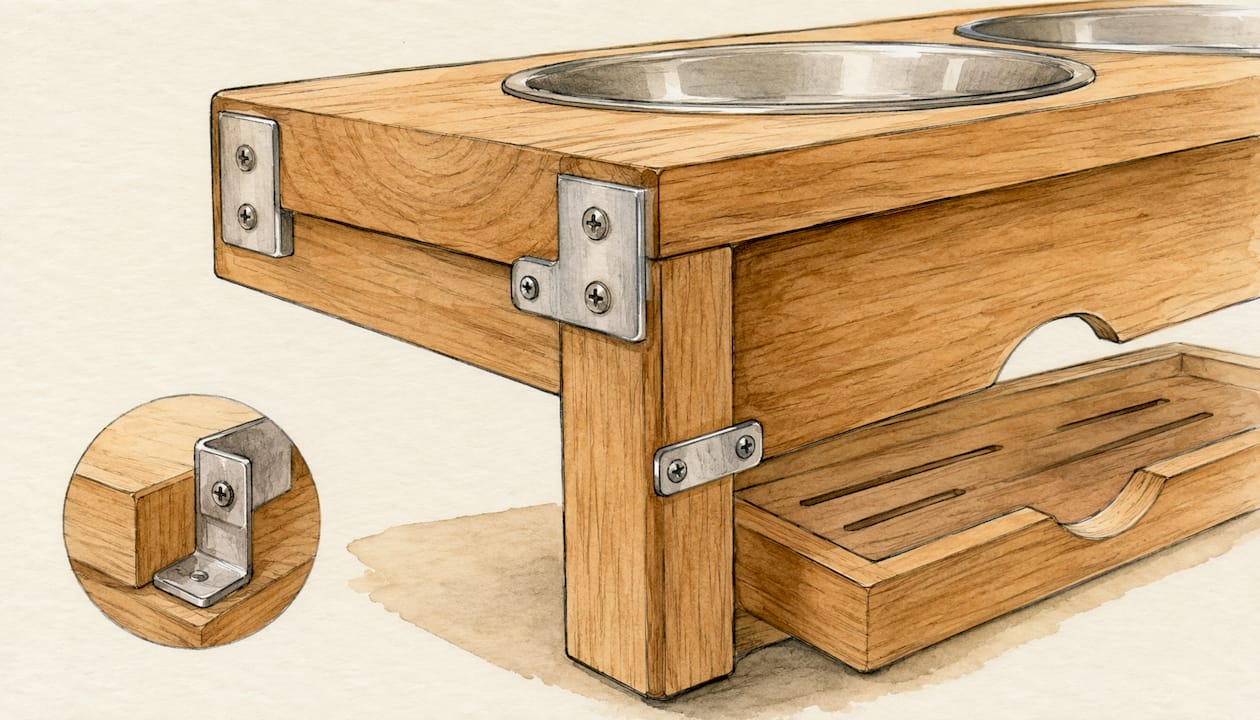
For joinery, glued-and-screwed construction using exterior-grade wood glue plus mechanical fasteners outperforms either method alone. Pre-drilling pilot holes before driving screws prevents splitting, especially near end grain. Spacing screws evenly distributes stress so no single fastener carries the full load during temperature swings. The anti-wobble features that keep a feeder stable under a dog’s daily nudging, such as rubber feet and reinforced leg joints, also reduce the micro-movement that loosens hardware over time.
Build specs to look for when buying:
- Cedar, redwood, or cypress construction
- Roof pitch of 45 degrees or steeper with at least a 1-inch overhang
- Sloped tray with drainage holes or gap
- Stainless steel or galvanized fasteners throughout
- Elevated stand with rubber feet or anti-slip base
- Removable stainless bowls for easy cleaning
Pro Tip: Ask the maker whether exterior-grade glue was used at every joint. Interior PVA glue looks identical but fails quickly when exposed to humidity. One question at purchase can save you a wobbling feeder six months later.
Safe cleaning routines that protect your pet and the wood
Frequent, mild cleaning plus careful use of non-toxic exterior sealants preserves both hygiene and wood integrity. The two goals support each other: a clean feeder stays drier, and a properly sealed feeder is easier to wipe down.
Cornell Lab of Ornithology recommends washing feeders at least once every two weeks. For a pet feeder used daily, a weekly light clean is a reasonable target: remove old food, wipe surfaces with a mild soap solution or a diluted white vinegar rinse, and let the feeder dry completely before refilling. A quarterly deeper clean and an annual full disinfect cycle keep bacterial load low year-round.
Finish rules are non-negotiable. Sealants like tung oil, marine varnish, or exterior polyurethane protect the wood from moisture and extend service life, but they must go on exterior surfaces only. Never coat interior feeding surfaces or the inside of bowl seats. If the finish is peeling anywhere near a food-contact area, sand it back before recoating, and let the feeder cure fully before your pet uses it again.
What to avoid during cleaning:
- Steel wool or abrasive pads (scratch the finish, invite moisture)
- Pressure washers (force water into joints and grain)
- Soaking the wood (accelerates internal decay)
- Harsh chemical disinfectants near bowl seats
Soft sponges and soft-bristled brushes with low-pressure rinsing are all you need. The easy-clean design features that make this routine faster include removable bowls, smooth interior surfaces, and accessible tray edges.
Seasonal inspection and simple repairs that extend feeder life
Routine inspections and prompt small repairs convert a good design into a long-lived feeder. Most failures start as minor issues that are easy to fix if you catch them early.
Seasonal inspection checklist:
- Check the finish for peeling, fading, or bare patches, especially on top surfaces and end grain
- Press gently on joints and legs to feel for soft spots or movement
- Inspect all fasteners for rust or loosening; tighten or replace as needed
- Clear drainage holes and tray gaps of debris
- Check bowl mounts and seals for cracks or corrosion
- Use a pin moisture meter on suspect areas if available; readings above 19% in wood signal active moisture retention
Repair actions for common problems:
- Small soft spots: sand back to solid wood, fill with exterior-grade epoxy, sand smooth, and reseal
- Loose joints: re-glue with exterior wood glue, clamp, and allow full cure time before use
- Corroded fasteners: replace with stainless steel equivalents of the same size
- Peeling finish: sand the affected area, wipe clean, and apply a fresh coat of non-toxic exterior sealant
Pro Tip: Keep a small repair kit on hand: 80-grit and 120-grit sandpaper, exterior-grade epoxy filler, stainless screws in the sizes your feeder uses, and a small can of your feeder’s original sealant. A 20-minute repair in October prevents a full replacement in March.
Warning signs that mean replacement, not repair:
- Structural rot through a leg, joint, or tray floor
- Widespread black mold that returns after cleaning
- Persistent warping that prevents bowls from sitting level
- Delaminating plywood layers in the base or tray
What lifespan and maintenance costs should you realistically expect?
A handcrafted wooden feeder built from durable species and maintained with annual resealing typically lasts two to five years, based on expert and real-world assessments. Lifespan depends on material and care; untreated softwood without regular upkeep often fails faster, while consistent maintenance with naturally durable woods can push lifespan toward the higher end of the range. Investing more upfront in quality wood and stainless hardware consistently saves money over time by reducing how often you replace the whole feeder. The durability factors that drive longevity most are wood species, finish quality, and cleaning frequency. Annual reseal supplies (a small can of tung oil or exterior varnish) and occasional stainless fastener replacements are the main recurring costs. Investing more upfront in quality wood and stainless hardware consistently saves money over time by reducing how often you replace the whole feeder.
How to choose a wooden elevated feeder that holds up to daily use
Prioritize wood species, water-shedding design, stainless hardware, and easy-clean features. Those four criteria cover most of what separates a feeder that lasts from one that doesn’t.
Buyer checklist:
- Wood is cedar, redwood, or cypress (ask if unlabeled)
- Roof is pitched, not flat, with visible overhang
- Tray has drainage holes or a sloped gap
- All fasteners are stainless steel or galvanized
- Bowls are stainless steel and removable
- Stand is elevated with rubber feet or anti-slip base
- Maker provides care guidance or a maintenance guide
Red flags to watch for:
- Sealant applied to interior bowl seats or tray surfaces
- Flimsy leg joints with no mechanical fasteners
- Exposed, untreated end grain on legs or tray edges
- Cheap zinc or uncoated screws
- No drainage in the tray design
For custom builds, ask for a minimum one-inch overhang, a sloped tray, removable bowls, and a pre-finished exterior. A craftsman who welcomes those questions is one who understands what makes a feeder last. Bearwoodessentials offers handcrafted elevated feeders built to these specs, with stainless bowls and exterior finishes applied correctly from the start.
Key Takeaways
A handcrafted wooden elevated feeder typically lasts two to five years when built from naturally durable wood, finished correctly, and cleaned on a consistent weekly or bi-weekly schedule.
| Point | Details |
|---|---|
| Choose the right wood | Cedar, redwood, and cypress resist rot and insects naturally, outperforming untreated softwoods. |
| Seal exterior surfaces only | Apply non-toxic sealants to outside surfaces; never coat food-contact areas or bowl seats. |
| Clean weekly or bi-weekly | Regular light cleaning prevents bacteria buildup and removes moisture-trapping debris. |
| Inspect and repair seasonally | Catch peeling finish, soft spots, and loose hardware early to avoid structural failure. |
| Bearwoodessentials feeders | Built from durable species with stainless bowls and correctly applied exterior finishes, ready to use. |
Why handcrafted wooden feeders are worth the care
The conventional wisdom in pet supply circles tends to frame wooden feeders as high-maintenance and fragile compared to plastic or metal. That framing misses something. The maintenance a wooden feeder requires is not burdensome; it is straightforward and takes less time per year than most pet owners spend on a single grooming session. What wood offers in return, including natural thermal stability that keeps food temperatures steadier during hot summers and cold winters, a warm aesthetic that fits a home rather than cluttering it, and the structural integrity of real joinery, is genuinely hard to replicate in injection-molded plastic.
The feeders that fail are almost always the ones built from the wrong species, finished carelessly, or cleaned once and forgotten. A cedar or redwood feeder built with stainless hardware, sealed correctly, and wiped down weekly will outlast several rounds of cheaper alternatives. That is not a marketing claim; it is what the material science and the maintenance data both point to.
At Bearwoodessentials, the construction choices described in this guide, from species selection to the “How Feeder Construction Prevents Wobbling” approach to joinery, reflect years of attention to what actually holds up under daily pet use. If you have questions about custom dimensions, finish options, or care for a specific build, reach out. The answers are usually simpler than you expect.
Bearwoodessentials feeders built to these durability standards
If you want a wooden elevated feeder that already meets every spec in this guide, Bearwoodessentials builds them ready to use. Each feeder ships with stainless steel bowls, exterior-grade finishes applied to outside surfaces only, and elevated stands designed for daily stability.
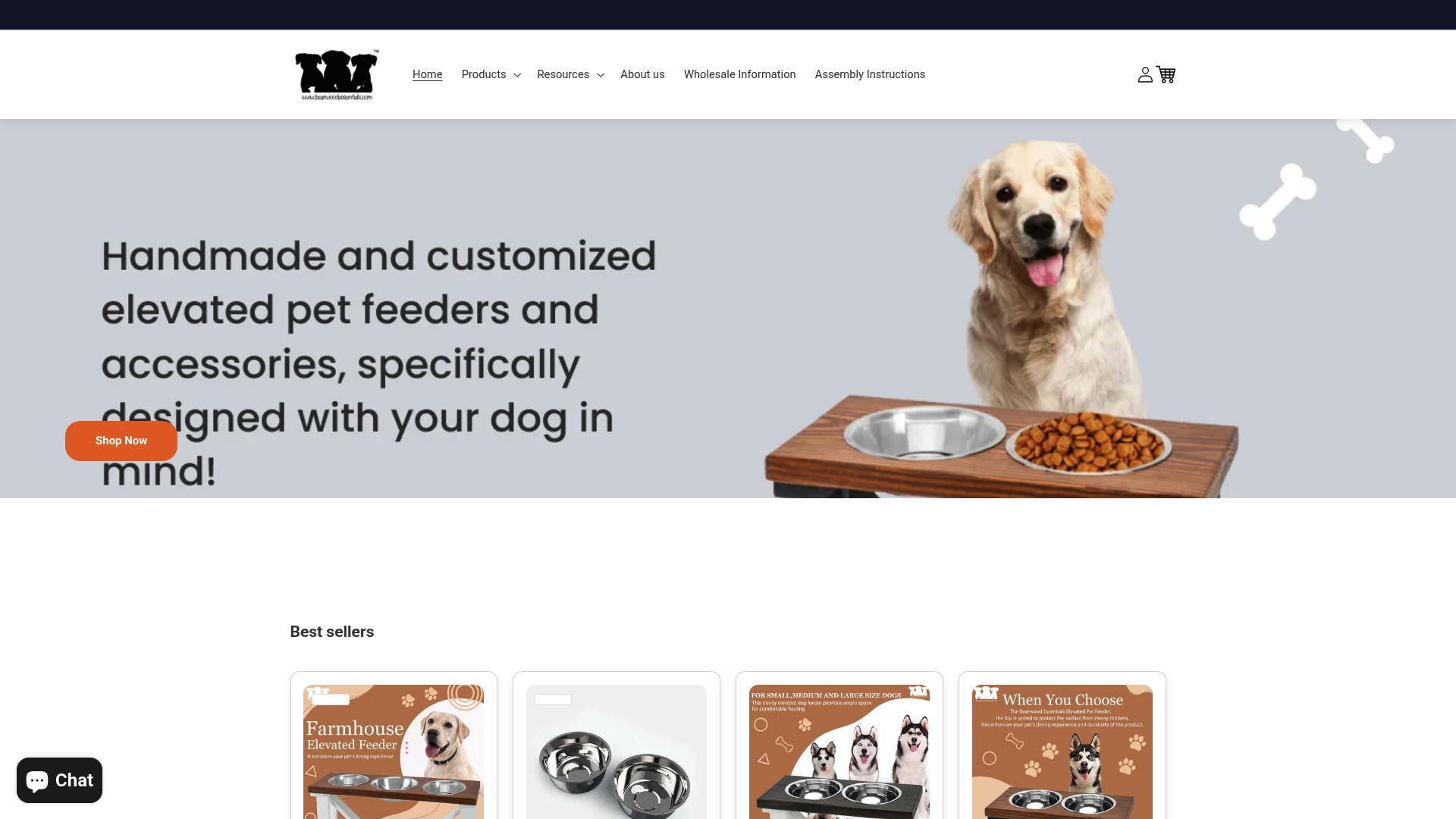
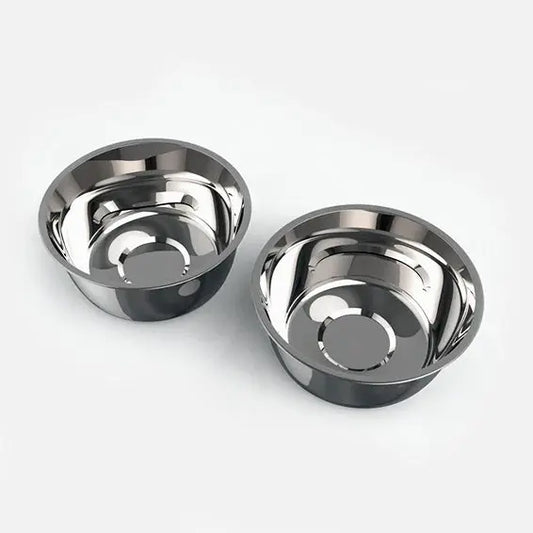
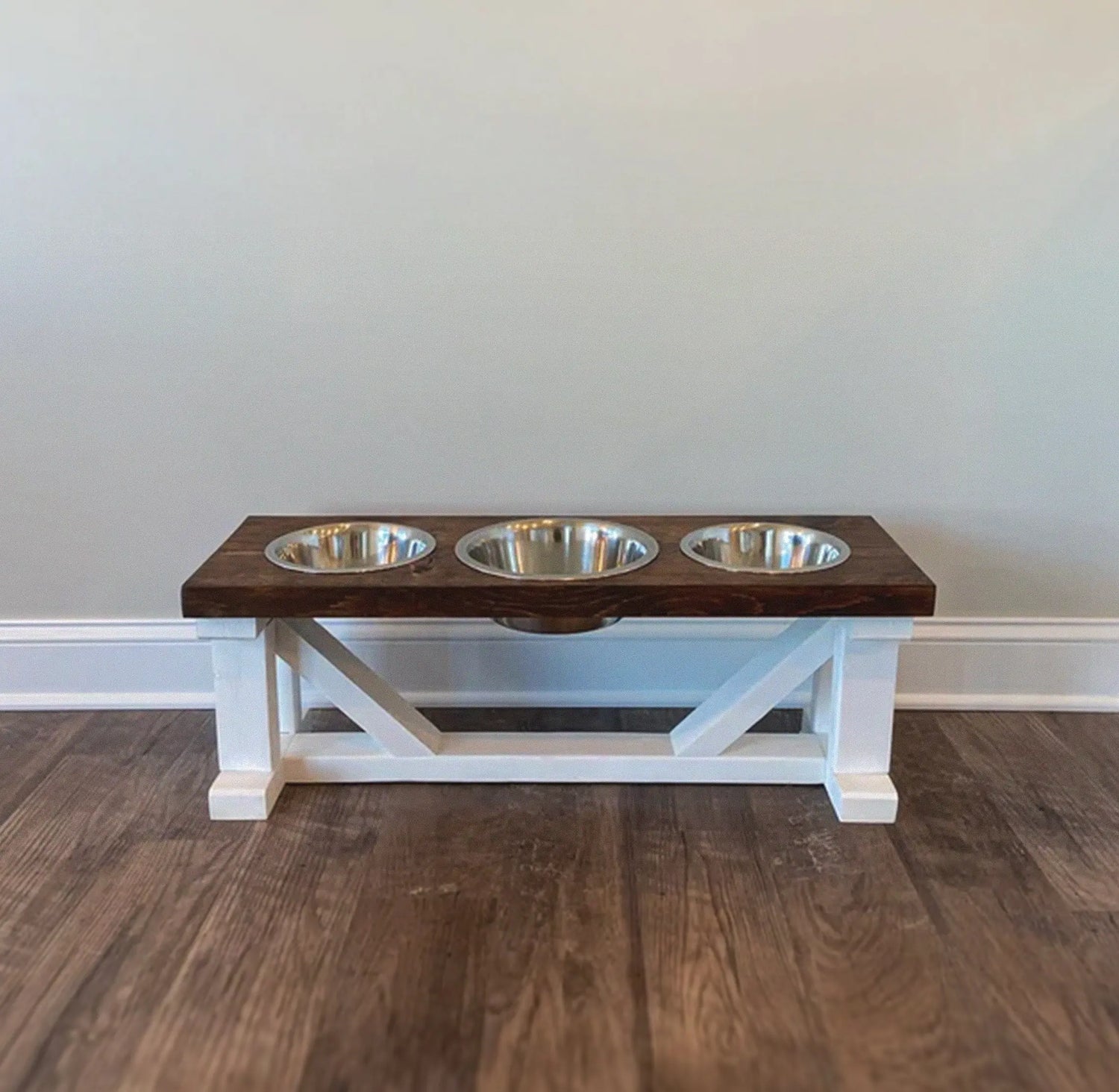
The wooden elevated feeder with two stainless bowls is the most popular starting point for dog owners who want the ergonomic and aesthetic benefits of a handcrafted wood stand without sourcing materials or building from scratch. For single-dog households or smaller breeds, the single-bowl elevated feeder offers the same construction quality in a compact footprint. Replacement stainless bowls are also available separately when it is time to refresh your setup.
Browse the full range at Bearwoodessentials, check dimensions against your dog’s height, and contact the team directly for custom adjustments or care guidance.
Useful sources and further reading
The following sources informed this guide and are worth bookmarking for deeper reading:
- Cornell Lab of Ornithology — Feeder hygiene guidance, cleaning frequency recommendations, and disease-prevention best practices
- ToolsRadar: Maintaining Wooden Bird Feeders — Wood species selection, moisture content guidance, and longevity tips
- FinchMore: How Long Should a Good Bird Feeder Last? — Real-world lifespan assessments by material and maintenance level
- AvianBliss: Bird Feeder Maintenance Guide — Cleaning cadence, preventive maintenance, and seasonal care cycles
- WoodworkHaven: How to Seal a Wooden Bird Feeder — Sealant options, application rules, and finish safety guidance
- InspiringYard: Best Wood for Bird Feeder — Species comparisons, aesthetic considerations, and purchase guidance
For hands-on how-tos specific to elevated pet feeders, the Bearwoodessentials blog covers construction details, care routines, and product comparisons in plain language.