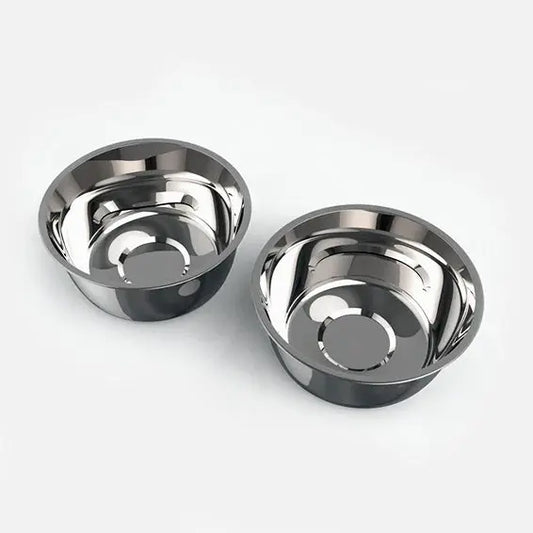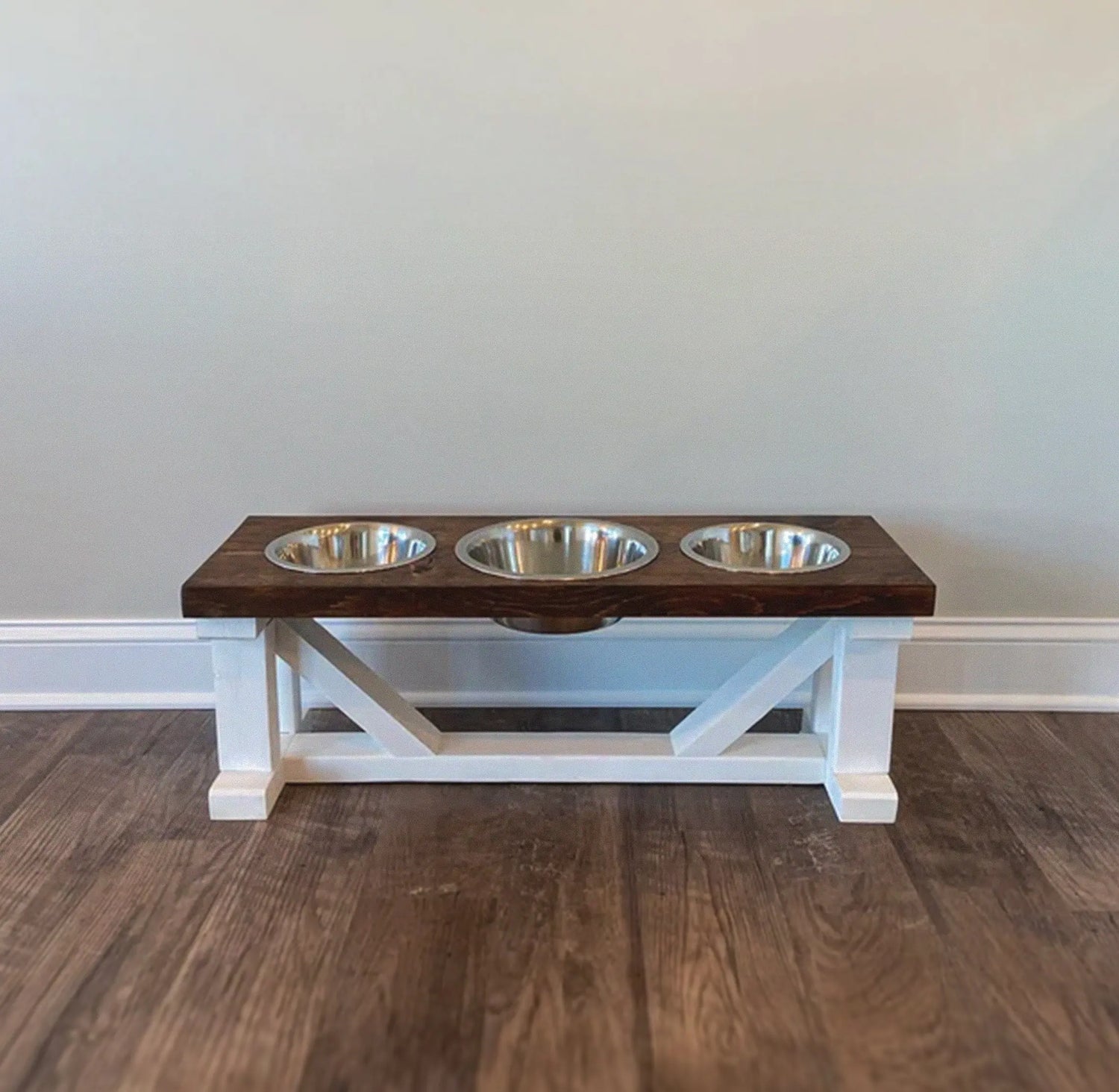


Specialty feeders are distinct feeding systems designed to support your dog’s health through targeted features that standard bowls simply do not offer. The core differences come down to ergonomics, material quality, height adjustment, and feeding mechanics. Each of these elements addresses a specific physical or behavioral need your dog may have. Understanding why specialty feeders differ from standard options helps you make a confident, informed choice for your pet’s daily care.
What design features set specialty feeders apart from standard feeders?
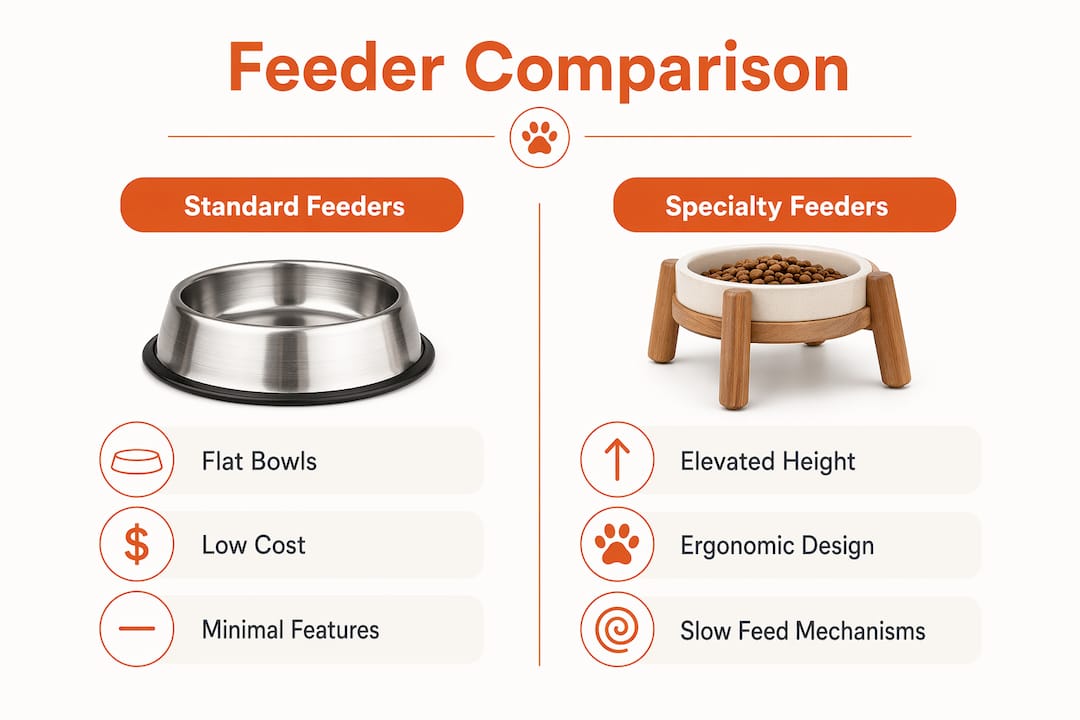
Standard feeders are flat bowls placed on the floor. They require no setup, cost little, and work adequately for healthy adult dogs with no feeding challenges. Specialty feeders, by contrast, are purpose-built systems. They incorporate structural and functional features that directly support your dog’s posture, comfort, and safety during every meal.
The most significant design difference is height. Adjustable height reduces joint stress, which is especially beneficial for aging or arthritic dogs. When a dog eats from a floor-level bowl, it bends its neck downward and shifts weight onto its front legs. Over time, that posture contributes to neck strain and joint discomfort. An elevated feeder brings the bowl to the dog’s chest level, allowing a natural, relaxed stance.

Material choice is the second major differentiator. Specialty feeders commonly use stainless steel bowls paired with wooden or metal stands. Durable materials reduce bacteria buildup and extend the feeder’s lifespan compared to porous plastic options. Stainless steel is non-porous, meaning food residue and moisture do not seep into the surface where bacteria can grow undetected.
Key design features that set specialty feeders apart include:
-
Adjustable or fixed elevated stands that position the bowl at the correct height for your dog’s breed and size
-
Removable stainless steel bowls that allow thorough cleaning without dismantling the entire unit
-
Slow-feed bowl inserts with ridges or compartments that regulate eating pace
-
Wide, stable bases that prevent tipping during enthusiastic feeding
-
Compact footprints that fit neatly into feeding stations without cluttering the space
Pro Tip: Measure your dog’s shoulder height before buying an elevated feeder. The bowl rim should sit roughly 4–6 inches below the shoulder for most medium to large breeds.
How do specialty feeders contribute to improved pet health and well-being?
Ergonomic feeder design is the primary driver of better health outcomes for dogs. Ergonomic design reduces feeding-related stress and supports digestion and mobility, particularly in older dogs. When your dog eats in a natural, upright posture, food moves more efficiently through the esophagus and into the stomach. That reduces the likelihood of regurgitation and gas buildup.
Slow-feed mechanisms are one of the most practical health features in specialty feeders. Slow-feed bowls reduce bloat risk and promote calmer feeding sessions by physically slowing the rate at which a dog can consume food. Bloat, or gastric dilatation-volvulus, is a serious and potentially fatal condition in large breeds. A divided bowl or maze-style insert forces your dog to work around obstacles, cutting eating speed without any training required.
Hygiene is another area where specialty feeders deliver a clear advantage. Raised feeders limit moisture and pests around the feeding area by keeping bowls off the floor surface. Floor-level bowls collect dust, pet hair, and insects far more readily. Elevated designs reduce that contact, keeping the feeding zone cleaner between meals.
The health benefits of specialty feeders include:
-
Better digestion through improved feeding posture and reduced air intake
-
Lower joint and neck strain for dogs with arthritis or mobility limitations
-
Reduced bloat risk through slow-feed mechanisms in dogs prone to rapid eating
-
Cleaner feeding environment that limits bacterial exposure from floor contact
-
Support for dental health since some specialty bowl shapes encourage chewing over gulping
Pairing the right feeder with specialty dog food tailored to your dog’s age or condition amplifies these benefits further. The feeder and the food work together as a system.
What practical maintenance differences exist between specialty and standard feeders?
Standard feeders require minimal maintenance. You rinse the bowl, dry it, and refill it. Specialty feeders demand more attention, but that attention pays off in hygiene and longevity. Cleaning frequency is recommended daily or several times weekly for specialty feeders, particularly those with removable bowls and elevated stands that can trap food debris in joints and crevices.
Many pet owners underestimate how much feeder material and finish affect cleaning ease. Feeder material significantly affects bacteria removal, which directly impacts your dog’s health outcomes. A smooth stainless steel bowl wipes clean in seconds. A textured plastic bowl with scratches harbors bacteria in every groove, even after washing.
Follow these steps to maintain a specialty feeder properly:
-
Remove the bowls daily and wash them with warm water and dish soap. Rinse thoroughly to remove all soap residue.
-
Wipe down the stand with a damp cloth every two to three days. Pay attention to joints, grooves, and any areas where food or water may collect.
-
Inspect the stand weekly for signs of wear, loose fittings, or moisture damage, especially on wooden frames.
-
Deep clean the full unit monthly by disassembling all removable parts and soaking bowls in a diluted white vinegar solution for 15 minutes.
-
Dry all components completely before reassembling. Moisture trapped in wood or metal joints accelerates deterioration.
Pro Tip: Keep a second set of replacement bowls on hand. Swapping in a clean bowl at mealtime takes seconds and removes the temptation to skip a wash cycle.
Well-maintained specialty feeders deliver longer-term health benefits by reducing your dog’s exposure to pathogens through consistent sanitation. The extra five minutes per day is a small trade-off for a cleaner, safer feeding environment.
How to choose the right feeder type for your dog’s specific needs?
Choosing between specialty and standard feeders starts with an honest assessment of your dog’s physical condition and feeding behavior. A young, healthy dog with no joint issues and a calm eating pace may do fine with a quality standard bowl. A senior dog, a large breed prone to bloat, or a dog with neck or back problems benefits directly from a specialty feeder’s design features.
Feeder placement matters as much as feeder design. A feeder positioned away from foot traffic and in a calm, low-stress area supports natural feeding behavior regardless of the feeder type. Specialty feeders with a compact footprint fit more easily into dedicated feeding stations, which reinforces a consistent feeding routine.
Use this comparison to guide your decision:
| Factor | Standard feeder | Specialty feeder |
|---|---|---|
| Dog size | Any size | Best for medium to large breeds |
| Health condition | Healthy, no joint issues | Arthritis, neck strain, bloat risk |
| Eating behavior | Calm, moderate pace | Rapid eaters, gulpers |
| Cleaning effort | Minimal | Moderate, daily bowl wash |
| Cost | Lower upfront cost | Higher upfront, longer lifespan |
| Placement flexibility | High | Moderate, needs stable surface |
Cost is a real consideration. Specialty feeders typically cost more than standard bowls due to their structural and ergonomic features. That cost represents an investment in your dog’s comfort and long-term health, not just a premium price tag. When you factor in fewer vet visits related to digestive issues or joint strain, the value becomes clearer.
Additional factors to weigh when choosing a feeder:
-
Your dog’s breed and typical adult weight
-
Whether your dog has been diagnosed with any musculoskeletal conditions
-
How quickly your dog eats and whether bloating has been a concern
-
The material finish and how easy it will be to clean consistently
-
Whether the feeder fits your home’s layout and your daily routine
Key Takeaways
Specialty feeders outperform standard options by combining ergonomic design, durable materials, and targeted feeding mechanics that directly support your dog’s posture, digestion, and long-term health.
| Point | Details |
|---|---|
| Design sets them apart | Elevated height, removable bowls, and slow-feed inserts address specific physical needs. |
| Health benefits are real | Better posture, reduced bloat risk, and lower bacterial exposure improve daily well-being. |
| Maintenance requires commitment | Daily bowl washing and weekly stand cleaning keep specialty feeders safe and hygienic. |
| Placement amplifies results | A calm, stable feeding location supports natural behavior alongside any feeder type. |
| Cost reflects long-term value | Higher upfront cost is offset by health support and a longer feeder lifespan. |
What I’ve learned after years of watching dogs eat
Most pet owners I talk to assume the bowl itself is a neutral object. They focus on food quality, exercise, and vet care, and treat the feeder as an afterthought. That assumption costs dogs more than people realize.
The shift I see most clearly is in senior dogs. An owner switches from a floor bowl to an elevated feeder, and within two weeks the dog is eating more calmly, finishing meals without the post-meal restlessness that often signals discomfort. The feeder did not cure anything. It simply removed a daily source of physical strain that had been building for years.
The other misconception I hear often is that specialty feeders are only for sick dogs. They are not. They are for any dog whose physical size, eating speed, or age creates a mismatch with a flat floor bowl. Choosing the right feeder early, before problems develop, is far easier than correcting feeding-related health issues after the fact. Feeder choice is part of your dog’s care routine, not a reaction to a problem.
— Kim
Bearwoodessentials specialty feeders for your dog’s daily comfort
Your dog’s feeder should do more than hold food. It should support the way your dog naturally stands, eats, and moves.
Bearwoodessentials handcrafts elevated feeders in wood and metal, built to fit dogs of all sizes and health conditions. The wooden raised dog feeder pairs a solid wood stand with stainless steel bowls that remove easily for daily cleaning. For a more industrial look with the same health benefits, the handmade metal dog bowl feeder offers a durable, rust-resistant frame at a stable height. Every piece ships free within the U.S. on qualifying orders and is made to last well beyond the standard plastic bowl.
FAQ
Why do specialty feeders cost more than standard bowls?
Specialty feeders use higher-grade materials like stainless steel and solid wood, and incorporate structural features such as adjustable height and removable bowls. Those design elements add manufacturing cost but also extend the feeder’s lifespan and health benefits.
Are elevated feeders safe for all dog breeds?
Elevated feeders benefit most medium and large breeds, particularly those with joint issues or a history of rapid eating. Very small breeds or puppies may do better with a low-profile specialty feeder sized to their height.
How often should I clean a specialty feeder?
Daily bowl washing is recommended, with a full stand wipe-down every two to three days. Monthly deep cleaning of all components keeps bacteria levels low and extends the feeder’s life.
Do slow-feed bowls actually help dogs with bloat?
Slow-feed bowl designs physically reduce eating speed, which lowers the amount of air a dog swallows during a meal. Reduced air intake is directly linked to a lower risk of bloat, especially in deep-chested large breeds.
What is the biggest difference between specialty and standard feeders?
The biggest difference is purpose. Standard feeders hold food. Specialty feeders are purpose-built to support your dog’s posture, digestion, eating pace, and hygiene through deliberate design choices.