
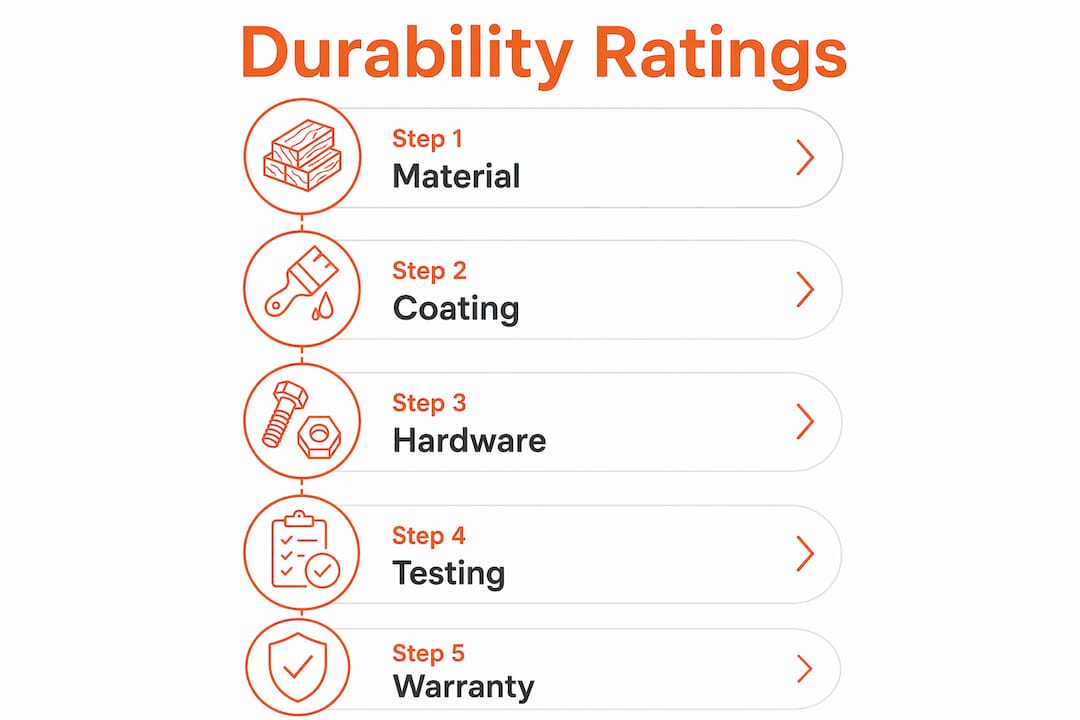
A pet feeding station durability rating is a measure of how well a feeding station resists wear, moisture, corrosion, and physical stress over time. No single universal industry standard exists for this rating as of 2026, which means pet owners must evaluate material quality, protective coatings, and warranty terms to judge how durable a feeding station truly is. Understanding what is pet feeding station durability rating helps you avoid costly replacements and protects your pet’s health. The core determinants are material grade, surface treatment, and manufacturing precision. Bearwoodessentials builds its elevated feeders around these exact principles.
What is pet feeding station durability rating and why does it matter?
A durability rating describes how long a feeding station holds up under real conditions: daily meals, moisture from water bowls, pet saliva, and physical contact from active animals. No standardized, universal rating exists for domestic pet feeding stations, so the term is best understood as a composite score drawn from material specs, coating quality, and warranty coverage. That absence of a formal standard puts the burden on you to read product details carefully.
The closest reference point from adjacent industries is the AAMA 2603 standard, which requires 1,500 hours of salt spray testing for corrosion resistance on outdoor structures. Some high-end commercial pet stations reference this benchmark. For home feeding stations, warranty length and material disclosures serve as the most practical durability indicators available.
Warranty terms matter because manufacturers who offer longer coverage are signaling confidence in their own build quality. A product backed by a 12-month structural warranty tells you the maker expects the frame and finish to hold without defect under normal use. That is a more honest durability signal than any marketing phrase.
What materials influence the durability of pet feeding stations?
Material choice is the single biggest factor in how long a feeding station lasts. The wrong material fails quietly, through warping, rust, or bacterial buildup, before you notice visible damage.
Stainless steel: the most durable option
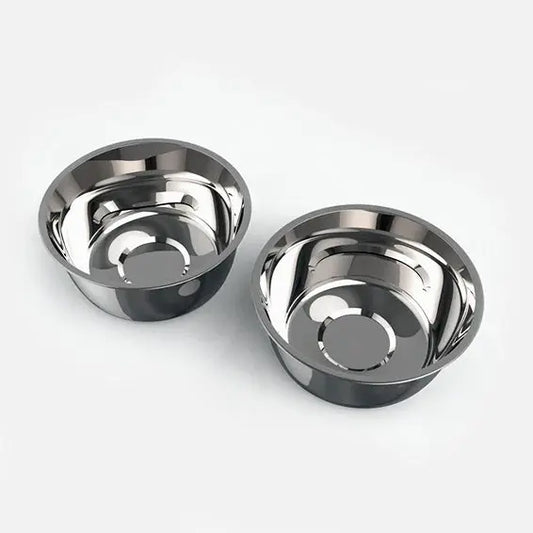
304-grade stainless steel outperforms 201-grade steel and all plastics by resisting rust and bacterial colonization indefinitely. The chromium content in 304-grade steel forms a passive oxide layer that rebuilds itself when scratched. That self-repair property makes it the gold standard for pet feeding environments where moisture and food acids are constant. You can read more about why stainless steel outlasts plastic in direct comparisons.
Powder-coated steel: durable and attractive
Powder-coated TGIC-free polyester finishes provide superior weatherability, chemical resistance, and corrosion protection over standard paint coatings. Stations using this finish meet AAMA 2603 requirements, which extends their practical lifespan significantly. The coating bonds electrostatically to the metal surface and cures into a hard shell that resists chipping and fading. This makes powder-coated steel a strong choice for pet owners who want both durability and a clean visual finish.
Wood: conditional durability
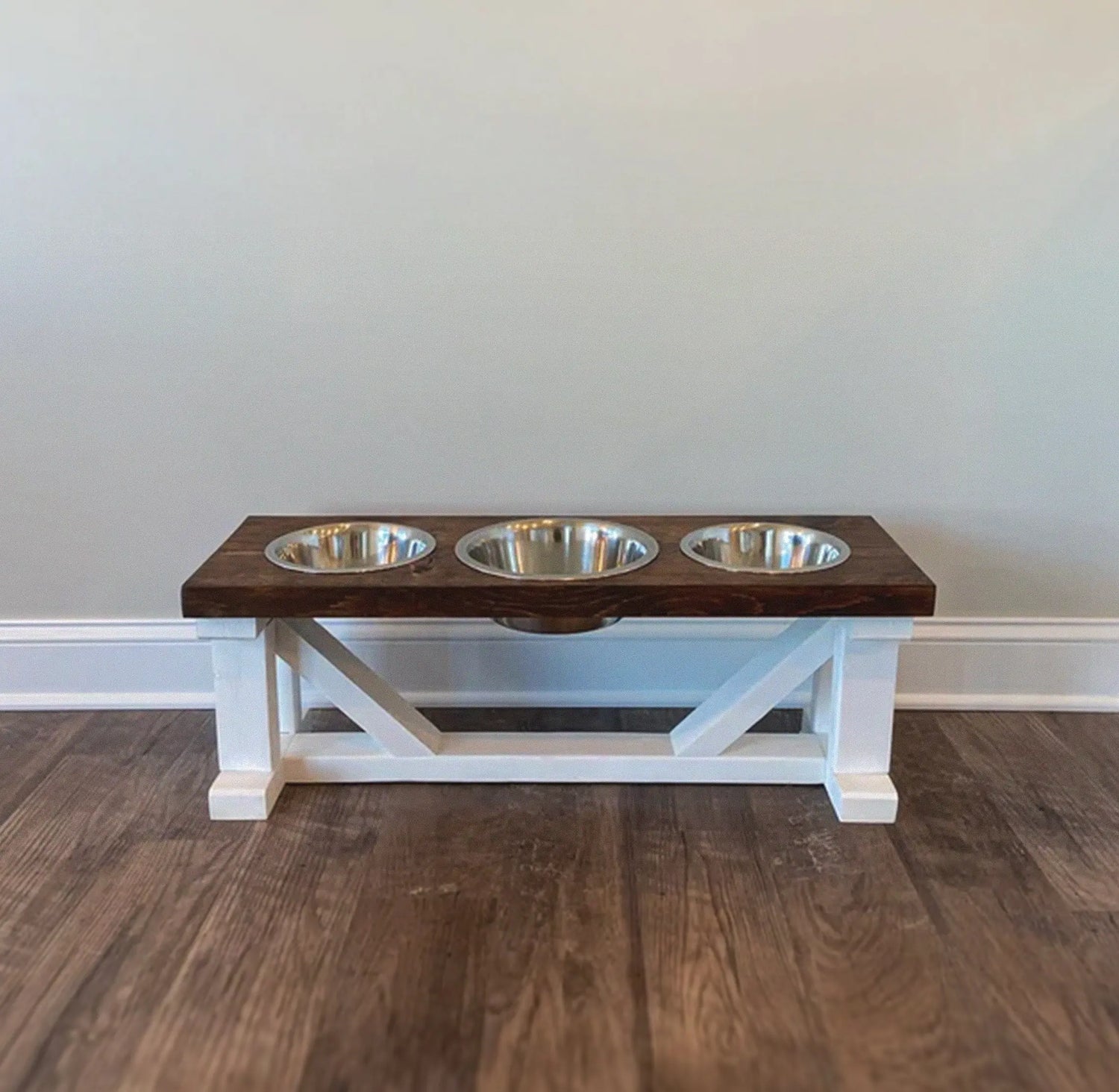
Wood’s durability depends entirely on sealing quality. Sealed and stained wood can last years in a dry indoor environment, but untreated or poorly sealed wood absorbs moisture from spilled water and pet saliva. That absorption leads to warping, cracking, and mold growth. Premium stainless steel or powder-coated steel stations typically last the lifetime of the pet, while low-grade plastics or untreated wood require replacement every 2–5 years.
Plastic: the weakest performer
Plastic feeding stations carry the lowest durability profile. Plastic warps under heat, scratches easily, and harbors bacteria inside micro-scratches that standard cleaning cannot reach. Pet food acids and alkaline cleaners accelerate surface degradation. Plastic is a short-term solution at best.
Key material facts to keep in mind:
-
304-grade stainless steel resists rust, acids, and bacterial colonization without surface treatment
-
Powder-coated steel with TGIC-free polyester finish meets AAMA 2603 corrosion standards
-
Sealed wood works indoors but fails under sustained moisture exposure
-
Plastic warps, scratches, and develops bacterial buildup faster than any other material
Pro Tip: Check whether a product lists its steel grade. If a listing says “stainless steel” without specifying 304-grade, assume it may be 201-grade, which corrodes faster in humid or outdoor conditions.
How do industry standards and testing protocols relate to durability ratings?
Testing protocols give durability claims a factual foundation. Without them, a product’s durability rating is just a marketing phrase.
-
Salt spray testing (AAMA 2603): Exposes coated metal to a saline mist for 1,500 hours to measure corrosion resistance. Stations that pass this test hold up in humid and outdoor environments.
-
Impact resistance testing: Measures how well a frame withstands physical blows. Relevant for households with large, active dogs that push or knock their feeders.
-
Chemical stability testing: Assesses how materials respond to pet food acids, cleaning agents, and disinfectants over time. Certifications like BPA-free, LFGB, and FDA compliance are practical markers of chemical stability.
-
IPX4 splash resistance: Indicates water splash protection but does not assess structural durability. IPX4 ratings show splash resistance but do not guarantee structural durability under sustained moisture or mechanical stress.
-
Warranty period as a benchmark: A 12-month limited structural warranty reflects the manufacturer’s minimum confidence in build quality. Longer warranties signal higher material standards.
“Durability claims often lack backing by rigorous testing. Certifications related to chemical stability, such as BPA-free, LFGB, and FDA compliance, better indicate real longevity than generic durability labels.”
The gap between marketing language and tested performance is wide in the pet feeding category. IP ratings focus on water and dust ingress but do not reflect mechanical durability or resistance to chemical exposure. A feeding station can carry an IPX4 rating and still corrode, warp, or crack within a year if the base material is low-grade.
What practical factors affect the real-world durability of feeding stations?
Laboratory ratings tell part of the story. Daily use tells the rest. Several real-world conditions accelerate wear in ways that standard tests do not fully capture.
-
Moisture exposure: Water bowls overflow. Pets drool. Saliva and standing water create constant moisture contact that corrodes untreated metal and warps wood over months.
-
Physical impact: Large dogs push, paw, and lean on their feeders. Weak welds, thin frames, and unstable bases fail under this repeated stress.
-
Bacterial colonization: Micro-scratches in feeding surfaces harbor bacteria that cleaning cannot remove. Plastic and low-grade steel develop these scratches fastest, creating invisible hygiene risks.
-
Hardware quality: Rust-proof screws, reinforced joints, and powder-coated finishes on all metal components prevent the hardware failures that often end a feeder’s life before the frame fails.
-
Indoor vs. outdoor use: Outdoor feeders face UV exposure, rain, and temperature swings that demand higher material grades and sealed finishes. An indoor-rated feeder placed outside will degrade rapidly.
-
Cleaning frequency: Maintenance and cleaning practices significantly extend feeding station durability and prevent bacterial growth and material degradation. A consistent cleaning schedule is not optional for long-term performance.
Pro Tip: Wipe down your feeding station after every meal and do a full wash with mild soap weekly. This single habit removes the food residue and moisture that cause most premature material failures.
Weight is a common but misleading proxy for durability. Weight alone is a poor predictor of feeding station durability. A heavy MDF station may be less durable than a lighter powder-coated metal unit. What matters is material composition and environmental resistance, not how heavy the product feels in your hands.
How to interpret durability ratings and warranties when buying a pet feeding station?
Reading a product listing critically separates a genuinely durable feeder from one that only looks the part. Use these markers to evaluate any feeding station before you buy.
Green flags that indicate real durability:
-
Steel grade is specified as 304-grade stainless steel
-
Coating is described as powder-coated with TGIC-free polyester
-
Warranty covers structural integrity for at least 12 months
-
Chemical safety certifications such as BPA-free or LFGB are listed
-
Hardware details include rust-proof screws and reinforced joints
Red flags that suggest weak durability:
-
Vague material descriptions like “metal” or “alloy” without grade specification
-
No warranty or a warranty limited to cosmetic defects only
-
IPX4 listed as the primary durability credential
-
No mention of coating type or surface treatment
-
Weight listed as a primary selling point with no material details
| Evaluation factor | What to look for |
|---|---|
| Material grade | 304-grade stainless steel or powder-coated steel with TGIC-free finish |
| Warranty coverage | Minimum 12 months covering structural integrity |
| Chemical certifications | BPA-free, LFGB, or FDA compliance listed explicitly |
| Hardware quality | Rust-proof screws, stable base, reinforced welds |
| Durability testing reference | AAMA 2603 salt spray or equivalent corrosion standard |
Aligning your expectations with your pet’s size and feeding habits also matters. A large, active dog that pushes its feeder daily needs heavier-gauge metal and a wider base than a small dog that eats calmly twice a day. The 2026 feeding station checklist from Bearwoodessentials walks through these size and use-case considerations in detail.
Professional-grade products often come with a 12-month limited warranty covering structural integrity, and the best ones use 304-grade stainless steel combined with marine-grade sealants for maximum durability. That combination addresses both corrosion from moisture and chemical degradation from food acids.
Key takeaways
A feeding station’s durability is determined by material grade, coating quality, and hardware construction, not by weight or price alone.
| Point | Details |
|---|---|
| No universal durability standard | Evaluate material specs, coatings, and warranty terms since no formal rating system exists for pet feeders. |
| 304-grade stainless steel lasts longest | This grade resists rust, bacteria, and food acids indefinitely, outperforming plastic and lower steel grades. |
| Powder-coated finishes add real protection | TGIC-free polyester coatings meet AAMA 2603 corrosion standards and extend station lifespan significantly. |
| Warranty signals manufacturer confidence | A 12-month structural warranty is the minimum benchmark for a durably built feeding station. |
| Maintenance extends lifespan | Regular cleaning prevents bacterial buildup and material degradation that shorten a feeder’s usable life. |
My honest read on durability claims in the pet feeder market
I have spent a lot of time evaluating pet feeding products, and the single most common mistake I see pet owners make is confusing weight with quality. A heavy station feels solid, so it feels durable. That instinct is wrong more often than not. Dense MDF and thick plastic both feel substantial in your hands and both fail faster than a lighter powder-coated metal frame.
The second mistake is trusting vague durability language. Words like “heavy-duty” and “long-lasting” mean nothing without a material grade or a warranty to back them up. When I see a product listing that leads with those phrases and buries the material specs, I treat it as a warning sign.
What actually matters is a short checklist: 304-grade stainless steel or powder-coated metal frame, rust-proof hardware throughout, a coating that references a corrosion standard, and a structural warranty of at least 12 months. If a product meets those four criteria, it will hold up. If it skips any of them, you are accepting a risk the manufacturer is not willing to cover.
Maintenance is the part most pet owners underestimate. Even the best materials degrade faster without regular cleaning. A consistent feeder maintenance schedule is the cheapest durability upgrade you can make, and it costs nothing but a few minutes a week.
My recommendation for most households is straightforward: choose stainless steel bowls paired with a powder-coated metal or sealed wood frame, follow a weekly cleaning routine, and buy from a brand that lists its materials and stands behind its build with a real warranty.
— Kim
Bearwoodessentials builds feeders that hold up
Bearwoodessentials designs its elevated pet feeders around the same material principles covered in this article: premium metals, quality finishes, and handcrafted construction that prioritizes long-term use over short-term cost savings.
The handmade metal dog bowl feeder combines a durable metal frame with stainless steel bowls, delivering the corrosion resistance and hygiene performance that serious pet owners need. For those who prefer a wood and steel combination, the wooden raised dog feeder pairs a sealed wood stand with stainless steel bowls for a balance of warmth and durability. Every product ships with clear material details so you know exactly what you are buying. Browse the full range at Bearwoodessentials and find a feeder built to last.
FAQ
What is a pet feeding station durability rating?
A pet feeding station durability rating describes how well a station resists wear, moisture, corrosion, and physical stress over time. No universal standard exists, so the rating is assessed through material grade, coating quality, and warranty terms.
Which material makes the most durable pet feeding station?
304-grade stainless steel is the most durable material for pet feeding stations. It resists rust, bacterial colonization, and food acids without surface treatment, outperforming plastic and lower steel grades.
Does an IPX4 rating mean a feeding station is durable?
No. IPX4 indicates splash resistance only and does not reflect structural durability or resistance to chemical exposure. A station can carry an IPX4 rating and still corrode or warp under sustained moisture.
How long should a quality pet feeding station last?
Premium stainless steel or powder-coated steel stations typically last the lifetime of the pet. Low-grade plastics or untreated wood stations generally require replacement every 2–5 years.
What warranty length indicates a durable pet feeding station?
A minimum 12-month warranty covering structural integrity is the baseline benchmark for a durably built feeding station. Longer warranties signal higher material standards and greater manufacturer confidence.