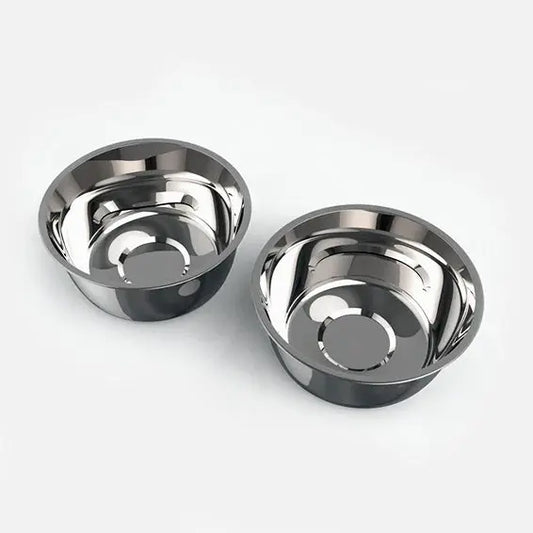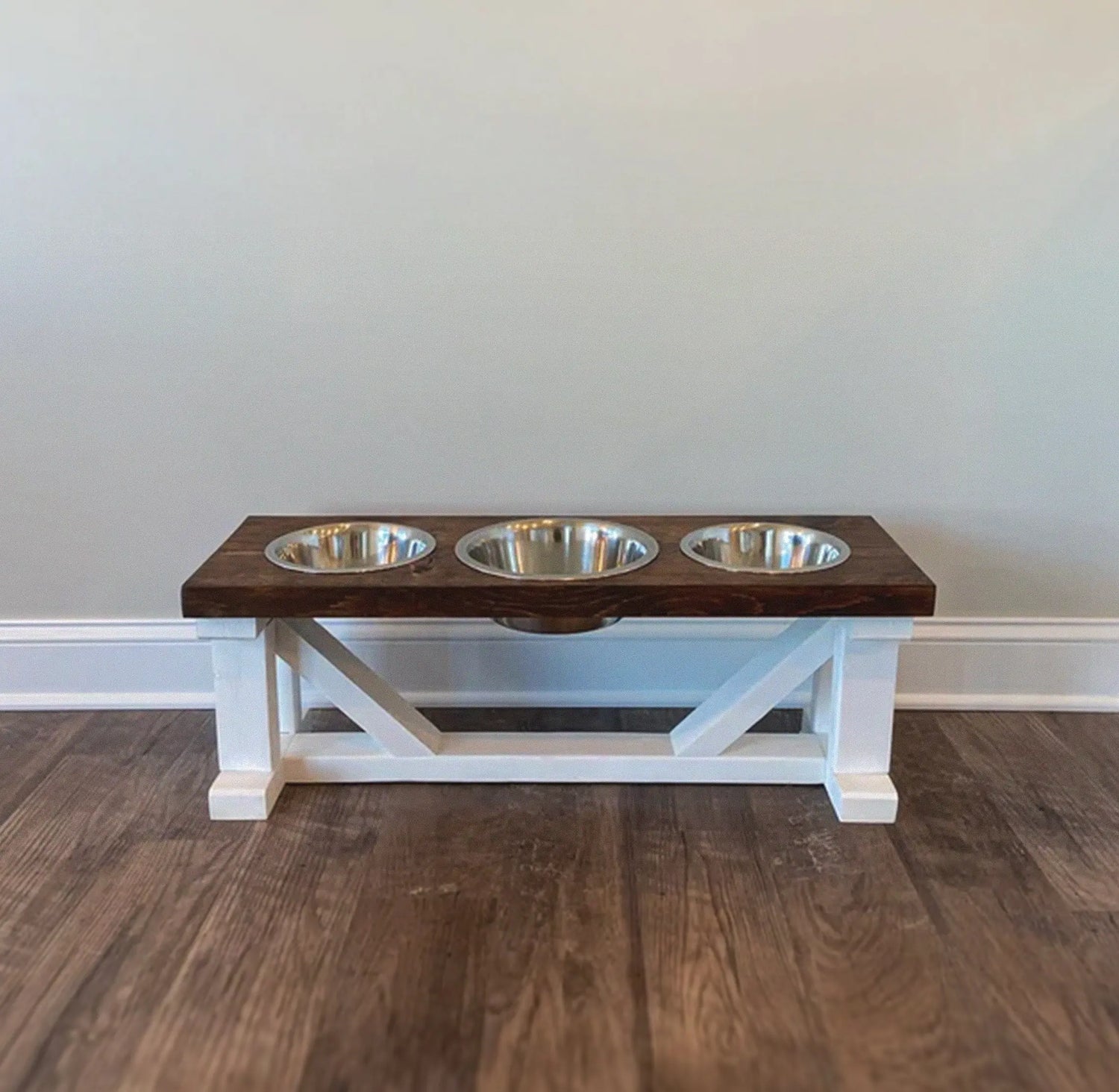


Stainless steel is defined as the gold standard material for pet feeders because its non-porous surface resists bacteria, chemical leaching, and odor retention better than plastic or ceramic. The role of stainless steel in pet feeders goes far beyond aesthetics. It directly affects your pet’s health, your cleaning routine, and how long a feeder lasts. Veterinarians consistently recommend 304-grade stainless steel, also called 18/8 steel, for its food-safe properties and structural stability. If you are choosing between materials for your pet’s feeding station, this guide gives you the facts you need to decide with confidence.
Why is stainless steel recommended by veterinarians for pet feeders?
Stainless steel is the preferred feeding material among veterinarians because it resists bacterial growth in ways that plastic and ceramic simply cannot match. Plastic scratches easily, and those scratches trap bacteria and biofilm that no amount of scrubbing fully removes. Ceramic bowls can develop hairline cracks that harbor the same pathogens. Stainless steel has no pores and no scratches that bacteria can colonize.
The health implications are real. Pet owners who switch to stainless steel feeders report clearing up conditions like feline chin acne and recurring digestive upset. Both problems are linked to bacteria in scratched plastic or porous ceramic bowls. Removing the contaminated surface removes the source of the problem.
Chemical safety is the other major concern. Plastic bowls can contain BPA, phthalates, and other compounds that leach into food, especially when exposed to heat or acidic wet food. Some ceramic glazes contain lead or cadmium. Stainless steel is chemically inert. It does not react with food, water, or cleaning agents.
“Veterinarians emphasize the structural integrity and chemical stability of stainless steel, recommending it as a long-term, trusted feeding vessel for pets of all ages and sensitivities.”
Key health advantages of stainless steel feeders include:
- No BPA, lead, cadmium, or other chemical contaminants
- Non-porous surface that does not absorb odors or bacteria
- Safe for acidic wet food and raw diets that degrade plastic
- Recommended for allergy-prone and sensitive pets
- No risk of toxic glaze exposure from chipped surfaces
What are the durability and maintenance benefits of stainless steel feeders?
Stainless steel outlasts every other common feeder material by a significant margin. High-quality 304-grade bowls last between 5 and 15 years, while ceramic bowls carry return rates of 6–8% due to chipping. Plastic warps, stains, and degrades with repeated dishwasher cycles. Stainless steel does none of these things.
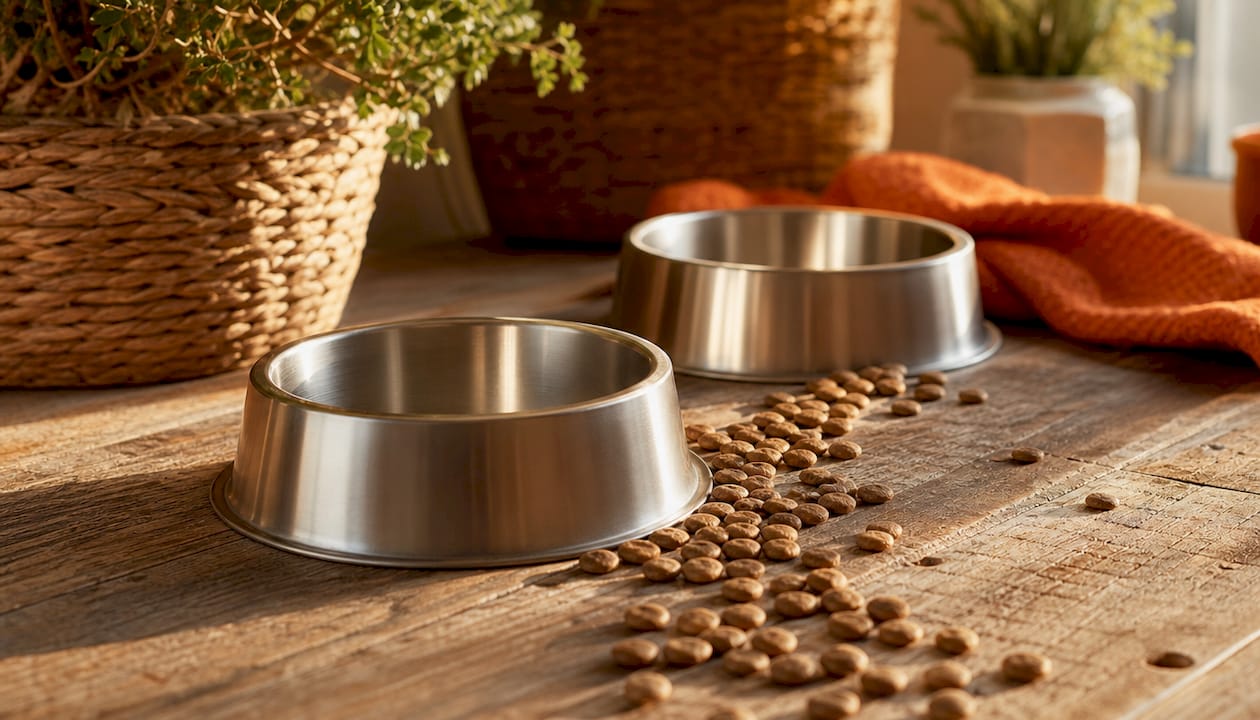
The maintenance routine for stainless steel is straightforward. Because the surface is non-porous, food residue does not bond to it the way it does to scratched plastic. A quick rinse removes most debris, and the bowl is fully dishwasher-safe. Plastic and glazed ceramic feeders degrade with repeated high-heat washing, but stainless steel’s resistance to heat and chemicals makes it ideal for daily dishwasher use.
Here is a practical maintenance routine that keeps stainless steel feeders performing at their best:
- Rinse after every meal. Food left sitting accelerates bacterial growth even on non-porous surfaces.
- Wash daily in the dishwasher or by hand with dish soap. Hot water and standard soap are fully effective.
- Inspect the bowl monthly. Check for dents that could create micro-crevices, especially in thinner-gauge products.
- Dry thoroughly before storage. Standing water on lower-grade steel can cause surface spotting over time.
- Replace rubber bases if they crack or peel. A damaged base reduces stability and can trap moisture underneath.
Design features matter as much as material grade. Bowls with bonded silicone bases prevent sliding and spills during mealtime, which is a common complaint about lightweight metal bowls. Heavy-gauge steel also reduces the clanging noise that can startle smaller or anxious dogs.
Pro Tip: Look for a wall thickness of at least 0.5mm when buying stainless steel feeders. Thinner bowls dent more easily, and dents create surface irregularities that can trap food and bacteria over time.
How does stainless steel compare with plastic and ceramic feeders?
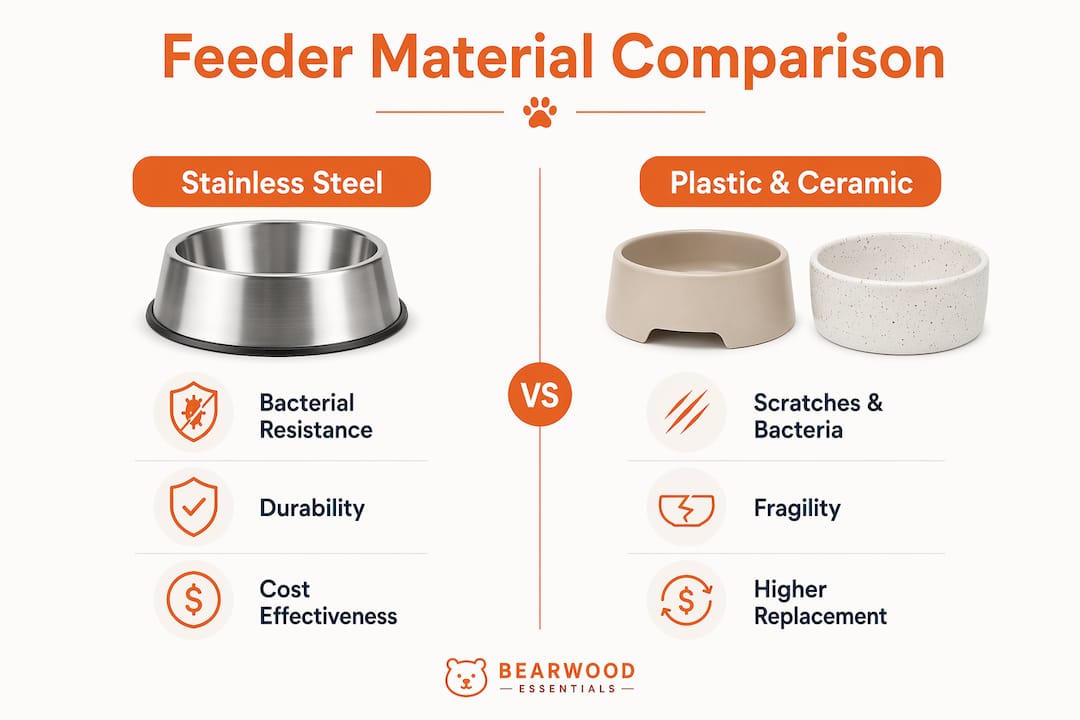
Stainless steel wins on safety, durability, and long-term cost. Plastic and ceramic each have specific drawbacks that make them less reliable for daily pet feeding.
| Feature | Stainless steel | Plastic | Ceramic |
|---|---|---|---|
| Bacterial resistance | Excellent (non-porous) | Poor (scratches harbor bacteria) | Moderate (cracks over time) |
| Chemical safety | Fully inert | Risk of BPA and phthalates | Risk of lead or cadmium in glaze |
| Durability | 5–15 years with proper care | 1–3 years before degrading | Breaks on impact |
| Dishwasher safety | Yes, indefinitely | Degrades with repeated cycles | Glaze can crack with heat |
| Noise | Can clang without rubber base | Quiet | Quiet |
| Environmental impact | Long lifespan reduces waste | Frequent replacement adds waste | Breakage leads to disposal |
The stainless steel vs plastic feeders comparison is not close when you factor in health risks. Plastic may feel lighter and quieter, but the bacterial load in a scratched plastic bowl after six months of use is a genuine health concern for your pet.
Ceramic sits in the middle. It looks attractive and does not scratch the way plastic does. The problem is breakage. A dropped ceramic bowl is finished. A chipped glaze can expose your pet to toxic compounds in the underlying material. Stainless steel survives drops, dishwashers, and years of daily use without structural compromise.
A few practical notes on stainless steel’s minor drawbacks:
- Lightweight bowls slide on smooth floors without a rubber base
- Metal conducts temperature, so very cold water stays cold longer (generally a benefit)
- Reflective surfaces can startle some dogs initially, though most adapt within days
What should pet owners look for when buying stainless steel feeders?
Not all stainless steel is equal. The grade of steel determines whether a bowl will last a decade or rust within months. Poor-quality 201 or 430-grade steel rusts quickly because it lacks adequate nickel content. Rusting complaints in online reviews almost always trace back to these lower grades.
304-grade stainless steel, also labeled 18/8, contains 18% chromium and 8% nickel. That combination forms an acid-resistant matrix that holds up against wet food, raw diets, and daily dishwasher cycles. It is the minimum grade you should accept for a pet feeder.
Pro Tip: Turn the bowl over and look for “18/8” or “304” stamped on the base. If there is no marking, assume the steel grade is lower and shop elsewhere.
When evaluating a stainless steel feeder, check for these features:
- Steel grade: 304 (18/8) as a minimum. Avoid unmarked or unspecified grades.
- Wall thickness: At least 0.5mm to resist denting under normal use.
- Non-slip base: Silicone or rubber bonded to the base, not just a separate mat.
- Certifications: FDA compliance, LFGB (European food safety standard), or California Prop 65 compliance confirm the steel meets food-contact safety requirements.
- Antimicrobial coating claims: Skip them. Stainless steel naturally resists bacteria without coatings. A coating claim is a marketing addition that adds no real hygiene benefit and may introduce unnecessary chemicals.
- Weld quality: Check that any seams or welds are smooth and fully sealed. Rough welds trap food and moisture.
You can also find guidance on steel grade and rust resistance when comparing options across different product lines. The specifications to prioritize are grade, gauge, and base design.
How does stainless steel improve the overall feeding experience?
A well-designed stainless steel feeder makes mealtime calmer, cleaner, and more consistent for your pet. Stability is the first factor. A bowl that slides across the floor every time your dog eats creates stress and mess. A heavy-gauge stainless bowl with a bonded rubber base stays put, which matters especially for larger, more energetic dogs.
The smooth interior surface of stainless steel prevents food residue from building up in corners or along the walls. That means less odor between washes and a genuinely cleaner bowl at every meal. Plastic bowls develop a greasy film over time that soap alone does not fully remove. Stainless steel does not.
Long-term cost is another real advantage. A quality 304-grade bowl purchased once lasts years. Replacing cheap plastic bowls every year or two adds up faster than most pet owners realize. The raised dog feeder benefits extend further when the bowls themselves are built to last.
Stainless steel also supports pet owners who care about aesthetics. The material takes engraving well, pairs cleanly with wood and metal feeder stands, and maintains its appearance without staining or yellowing. For pet owners who want a feeding station that looks as good as it performs, stainless steel is the natural fit.
Key improvements stainless steel brings to the feeding experience:
- Stable, non-sliding base reduces mealtime stress for pets and owners
- Smooth surface prevents odor buildup between washes
- Durable finish does not yellow, stain, or cloud over time
- Compatible with elevated wooden and metal feeder stands for ergonomic feeding
- Supports engraving and customization without compromising food safety
Key Takeaways
Stainless steel is the most hygienic, durable, and cost-effective material for pet feeders, with 304-grade (18/8) steel being the minimum standard worth buying.
| Point | Details |
|---|---|
| Steel grade matters | Only buy 304 (18/8) grade; lower grades like 201 or 430 rust quickly. |
| Hygiene is built in | The non-porous surface resists bacteria without coatings or special treatments. |
| Durability saves money | Quality stainless bowls last 5–15 years, far outlasting plastic or ceramic. |
| Design features count | Bonded rubber bases and 0.5mm wall thickness prevent sliding, noise, and denting. |
| Certifications confirm safety | Look for FDA, LFGB, or Prop 65 compliance to verify food-contact safety. |
What I’ve learned from years of watching pet owners choose feeders
Most pet owners buy a feeder based on price and appearance. That is understandable. What they often discover six months later is that the cheap plastic bowl smells, the ceramic one chipped, or the unmarked stainless bowl developed rust spots along the rim. These are not random bad luck events. They are predictable outcomes of not knowing what to look for.
The single most common mistake I see is buying stainless steel feeders without checking the grade. A bowl labeled “stainless steel” with no 18/8 or 304 marking is almost certainly made from 201 or 430-grade steel. It will rust. The fix is simple: flip the bowl over before you buy.
The second mistake is underestimating how much a non-slip base matters. A sliding bowl is not just annoying. It causes dogs to eat faster and more anxiously, which contributes to gulping and bloating in larger breeds. A bonded rubber base is a small design detail with a real health payoff.
My honest advice is to treat your pet’s bowl the way you treat your own cookware. You would not cook in a scratched, stained pan that you cannot fully clean. Your pet eats from their bowl twice a day, every day. The material quality is not a luxury consideration. It is a basic health decision.
Prioritizing a certified 304-grade bowl with a proper base costs only a little more upfront. Over five or more years of daily use, it is the better investment by every measure.
— Kim
Stainless steel feeders worth considering from Bearwoodessentials
Bearwoodessentials builds elevated pet feeders with the same material standards this article covers. Every stainless steel bowl in the lineup uses 18/8 food-grade steel, meaning you get the non-porous, rust-resistant surface that veterinarians recommend.
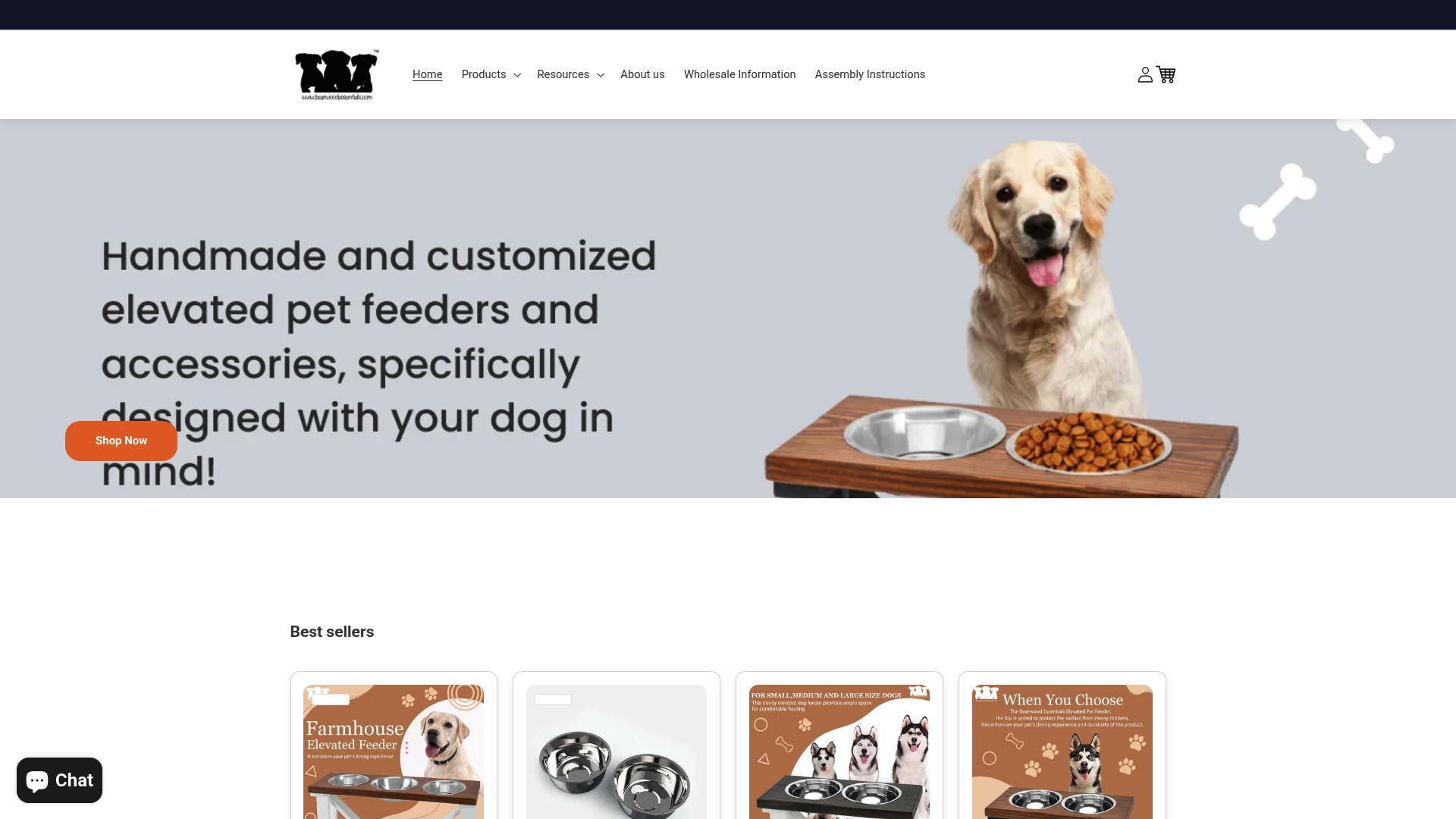
The replacement bowl collection is a practical starting point if you already have a feeder stand and want to upgrade the bowls. For a complete setup, the wooden double diner station pairs handcrafted wood with certified stainless steel bowls, combining the durability covered here with the kind of craftsmanship that holds up in a real home. Free U.S. shipping applies to qualifying orders, so the upgrade costs less than you might expect.
FAQ
What is the best steel grade for a pet feeder bowl?
304-grade stainless steel, also labeled 18/8, is the recommended minimum for pet feeders. It contains 18% chromium and 8% nickel, making it corrosion-resistant and safe for food contact.
Does stainless steel really prevent bacteria better than plastic?
Yes. Stainless steel’s non-porous surface gives bacteria nowhere to hide, while plastic develops scratches that trap biofilm even after washing. Switching to stainless steel has been linked to clearing up skin and digestive issues in pets.
How long does a stainless steel pet bowl last?
High-quality 304-grade stainless steel bowls last between 5 and 15 years with normal use and regular cleaning. Ceramic bowls chip and break far sooner, and plastic degrades within one to three years.
Are antimicrobial coatings on stainless steel bowls worth paying for?
No. Stainless steel is inherently non-porous and naturally resistant to bacterial colonization. Antimicrobial coatings add no proven hygiene benefit and may introduce unnecessary chemicals to your pet’s food contact surface.
What certifications should I look for on a stainless steel pet bowl?
Look for FDA compliance, LFGB (a European food safety standard), or California Prop 65 compliance. These certifications confirm the steel meets food-contact safety requirements and contains no harmful substances.