
Choosing a raised dog feeder sounds simple until you’re standing in front of a dozen options, unsure which height is safe, whether your large breed is at risk for bloat, and how to find something that doesn’t clash with your kitchen. The good news is that research is catching up, and pet owners now have real data to work with. This article walks you through the proven health benefits, current safety science, design considerations, and practical tips that help you make a confident, informed choice for your dog and your home.
Table of Contents
- Ergonomic feeding: Better posture and joint health
- Choosing the right height: Customization for your dog
- Safety and bloat risk: What recent studies reveal
- Style meets function: Design features that enhance feeding and décor
- Smart tips: Maximizing benefits and avoiding pitfalls
- Our take: Why raised feeders are here to stay, but not for every dog
- Shop elevated feeders for every style and need
- Frequently asked questions
Key Takeaways
| Point | Details |
|---|---|
| Promotes natural posture | Raised feeders support your dog’s neck and joints, making mealtime more comfortable. |
| Custom height matters | Setting the right feeder height prevents strain and improves feeding safety. |
| Safety requires nuance | Recent studies show no strong GDV link, but breed-specific vet advice is crucial. |
| Modern designs enhance style | Stylish, stable raised feeders blend with home décor and offer practical features. |
| Expert tips avoid pitfalls | Combining slow-feed bowls, regular cleaning, and vet consultation maximizes benefits. |
Ergonomic feeding: Better posture and joint health
The way your dog lowers its head to eat from a floor-level bowl puts continuous strain on its neck, spine, and front joints. Over years of daily meals, that repetitive downward stretch can contribute to muscle tension, discomfort, and worsening joint conditions. A raised feeder repositions the bowl so your dog maintains a more natural, upright posture during meals, reducing that physical load considerably.
Raised dog feeders reduce neck, back, and joint strain by promoting natural posture, making them especially beneficial for senior dogs, large breeds, and those managing arthritis or megaesophagus. Megaesophagus is a condition where the esophagus loses muscle tone and cannot move food to the stomach efficiently. For dogs with this diagnosis, an elevated feeder is often a medical necessity, not just a comfort upgrade.
Senior dogs benefit most from this change. As dogs age, their cartilage thins, joints stiffen, and any added strain during routine activities compounds their discomfort. Learning about elevated feeding for senior dogs can help you understand how even a modest height adjustment makes a measurable difference in daily comfort and appetite.
Conditions that commonly improve with ergonomic elevated feeding include:
- Osteoarthritis in the neck, shoulders, or front legs
- Cervical spondylosis (spinal degeneration near the neck)
- Megaesophagus and related swallowing difficulties
- Post-surgical recovery affecting front limb mobility
- General stiffness in large and giant breed dogs
Large and giant breed dogs, like Great Danes, Saint Bernards, and Mastiffs, often carry significant body weight that amplifies the strain on their joints during floor-level feeding. An ergonomically positioned raised feeder can meaningfully reduce that daily mechanical load.
Pro Tip: A quick way to check if your current feeder height is working is to watch your dog’s elbows during meals. If they buckle outward or your dog shifts weight repeatedly, the feeder is likely too low or too high.
Choosing the right height: Customization for your dog
Once you understand the ergonomic value, customizing the feeder height is the next step to maximizing those benefits. Getting the height wrong, even slightly, can shift the strain from the neck to the shoulders or cause your dog to hunch forward, which defeats the purpose entirely.
The ideal feeder height sits at shoulder level or 3 to 6 inches below your dog’s elbow and chest for proper ergonomic alignment. Here is how to find the right measurement for your specific dog:
- Measure your dog’s height at the shoulder. Have your dog stand on a flat surface and use a measuring tape from the floor to the top of the shoulder (the withers).
- Subtract 4 to 6 inches from that measurement. This gives you the target range for the top of the feeding bowl.
- Check the bowl rim, not the stand base. The rim of the bowl is where your dog’s neck position is determined, not the height of the stand itself.
- Observe your dog during the first few meals. Watch for a relaxed neck angle, steady posture, and easy swallowing without stretching or crouching.
- Adjust if your dog seems uncomfortable. A small shift of an inch or two can make a significant difference in posture and eating pace.
Adjustable feeders are particularly useful here. They allow you to fine-tune height as your dog grows, gains weight, or experiences changes in joint health. For puppies, an adjustable model can grow with them for years before replacement is needed. It also makes the feeder useful across multiple dogs of different sizes in the same household.
You can also check the signs your dog needs a raised feeder to understand whether your current setup is falling short before committing to a new purchase.

Pro Tip: If your dog has recently had surgery, been diagnosed with a joint condition, or changed weight significantly, reassess feeder height at each of those milestones. What worked six months ago may not be the best fit today.
Safety and bloat risk: What recent studies reveal
With the right height selected, it’s important to address the most debated aspect of raised feeders: their connection to gastric dilatation-volvulus, commonly called GDV or bloat. This is a life-threatening condition where the stomach fills with gas and twists, requiring emergency surgery. It has been a real concern in the elevated feeder conversation for over two decades.
The 1994 to 1997 Purdue University study, which followed more than 1,600 dogs, found that raised bowls were associated with approximately 20% of GDV cases in large breeds and up to 52% in giant breeds. The proposed mechanism was that elevated feeding encouraged faster eating and increased air swallowing, both of which can contribute to bloat. This study shaped veterinary guidance for years.
However, a much larger and more recent analysis changes the picture significantly. The 2025 Dog Aging Project cohort study, which examined 47,444 dogs, did not find raised bowls or feeding height to be a significant GDV risk factor. Instead, the study identified breed (particularly Poodles), body weight over 40 kg, male sex, and low body condition score as the primary risk factors. That is a substantial shift from the earlier findings and gives most pet owners genuine reassurance.
| Study | Sample size | Key finding | GDV link to raised bowls |
|---|---|---|---|
| Purdue University (2000) | 1,600+ dogs | Raised bowls linked to GDV in large/giant breeds | Possible, especially giant breeds |
| Dog Aging Project (2025) | 47,444 dogs | Breed, weight, sex are primary GDV factors | Not identified as risk factor |
Risk factors that are genuinely connected to GDV, separate from feeder height, include:
- Breed predisposition (deep-chested breeds like Great Danes, Weimaraners)
- Body weight over 40 kg
- Male sex
- Eating rapidly or from a single large daily meal
- High stress levels or vigorous exercise immediately after eating
The guidance on raised dog bowls and healthy eating reinforces that the broader context of feeding habits matters as much as the feeder itself. If your dog is a deep-chested giant breed, a conversation with your vet before switching to elevated feeding remains a smart step.
Style meets function: Design features that enhance feeding and décor
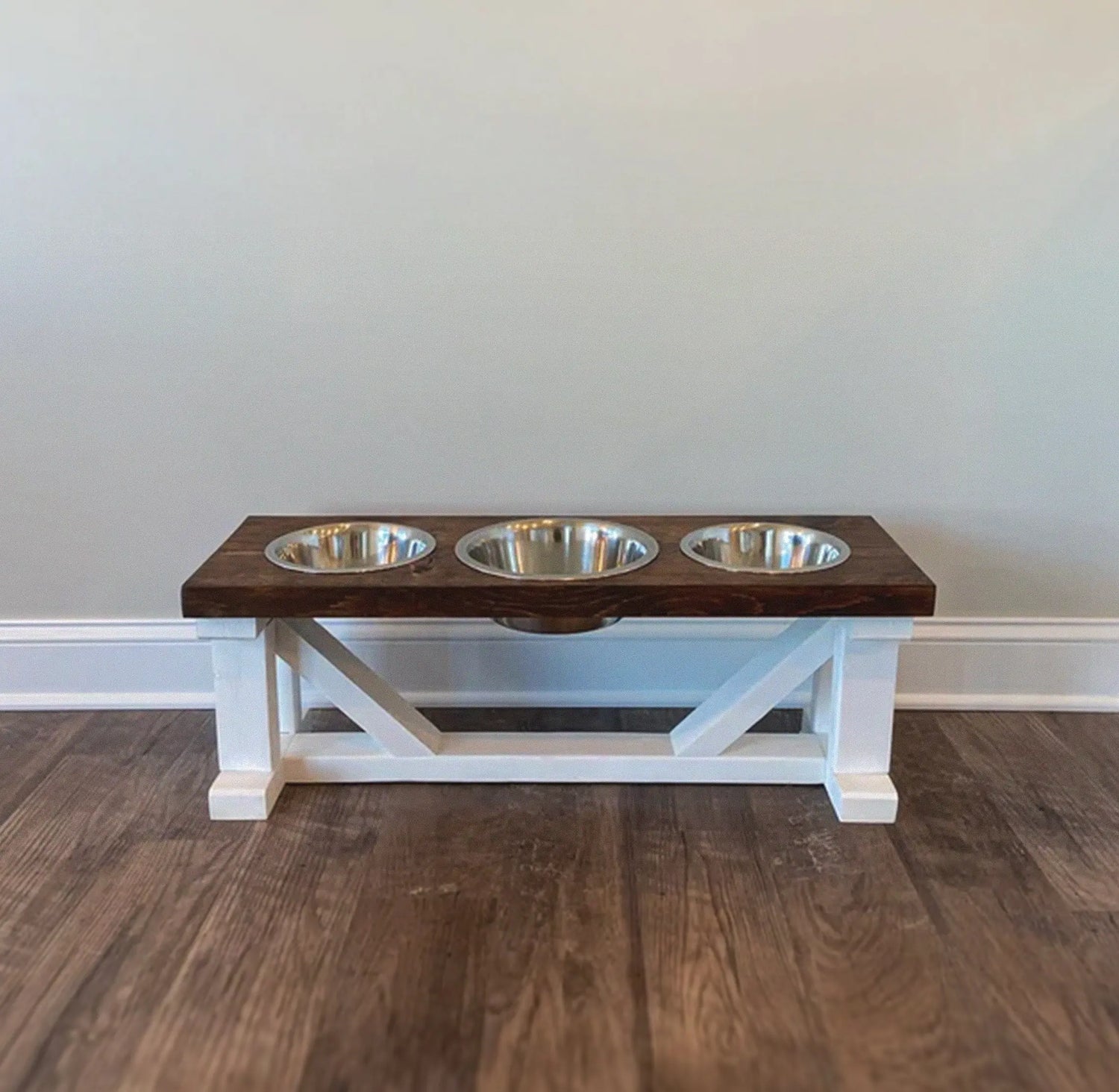
Now that the safety picture is clearer, the practical and aesthetic side of raised feeders becomes just as interesting. Modern elevated feeders are no longer the clunky plastic stands of the past. Today’s options range from handcrafted hardwood stands to powder-coated metal frames, all designed to sit beautifully in a well-kept home.
Stylish, stable designs complement home décor while also providing real safety features. Combining a raised feeder with a slow-feed bowl insert, for example, adds another layer of protection for fast eaters. The most practical feeders for daily use share a few key design traits:
- Non-slip feet or rubber base pads to prevent sliding on hardwood or tile floors
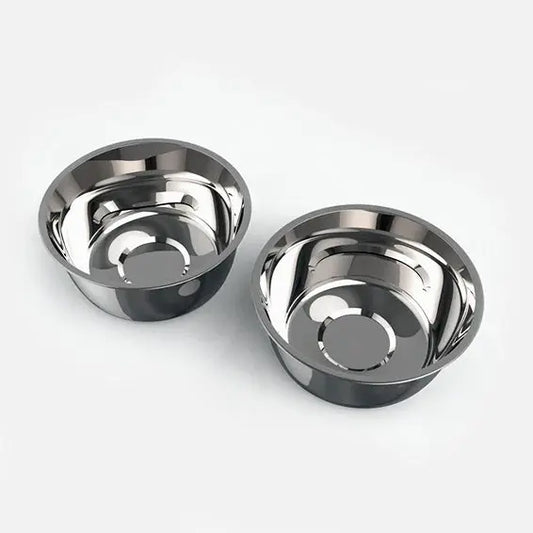
- Dishwasher-safe stainless steel bowls for quick, hygienic cleaning
- Solid construction in either hardwood or metal for long-term durability
- Finished surfaces that resist moisture, pet saliva, and food stains
- Removable bowls that lift out easily without tilting the stand
Here is how common feeder materials compare across key factors:
| Material | Durability | Aesthetic appeal | Ease of cleaning | Best for |
|---|---|---|---|---|
| Solid wood | High | Very high | Moderate | Stylish homes, gifting |
| Powder-coated metal | Very high | High | Very easy | Active dogs, wet environments |
| Adjustable composite | Moderate | Moderate | Easy | Growing dogs, multi-dog homes |
Exploring luxury dog bowl and stand sets can help you see how design and function genuinely meet in the same product. A well-made wooden raised dog feeder can look like a natural extension of your kitchen or dining area rather than an afterthought shoved in a corner.
Smart tips: Maximizing benefits and avoiding pitfalls
Getting the most out of a raised feeder involves more than just buying the right height. How you use it daily, clean it, and pair it with other feeding tools all affect how well it supports your dog’s health over time.
Adjustable, non-slip, dishwasher-safe models offer the best combination of safety and home integration, and prioritizing a vet consultation for at-risk dogs ensures you’re making a fully informed choice. Keep these practical tips in mind once your feeder is in place:
- Clean bowls after every meal. Bacteria and biofilm build up quickly in pet bowls, especially stainless steel ones left sitting with moisture overnight.
- Wipe down the stand weekly. Even sealed wood or metal can collect food residue and odors around the base and legs.
- Pair with a slow-feed bowl insert if your dog eats quickly. This reduces air intake, which is one of the actual contributing factors to bloat.
- Keep the feeder on a stable, flat surface. Uneven floors can cause wobbling, which some dogs find off-putting and may discourage them from finishing meals.
- Check hardware periodically. Screws, bolts, or adjustable mechanisms can loosen with daily use and regular cleaning.
- Monitor your dog’s eating posture every few months. Changes in weight or mobility may call for a height adjustment even if the feeder itself is unchanged.
The best raised dog feeder for your dog accounts for all of these factors together, not just the visual appeal or the price point.
Pro Tip: Combine a raised feeder with a slow-feed bowl insert and a consistent feeding schedule of two to three meals per day instead of one large meal. This combination addresses multiple GDV risk factors at once and supports better digestion overall.
Our take: Why raised feeders are here to stay, but not for every dog
We hear this question constantly: “Should every dog have a raised feeder?” Our honest answer is no, but most dogs genuinely benefit from one when it’s chosen and used thoughtfully.
The science has evolved. Earlier guidance leaned heavily on the Purdue data and cautioned broadly against elevated feeders for large breeds. The 2025 Dog Aging Project findings, covering nearly 50,000 dogs, give a more nuanced and ultimately more reassuring picture for most owners. Raised feeders were not identified as a GDV risk factor in that study. That matters.
What we find most important is this: one-size-fits-all advice is genuinely risky in pet care. A senior Labrador with arthritis and a young, healthy Great Dane have entirely different needs when it comes to feeding setup. Treating those two dogs identically because they’re both “large breeds” ignores real physiological differences.
Science doesn’t stand still, and neither should your choices.
The practical wisdom we’ve learned is that the best feeding solution is the one that accounts for your individual dog’s age, breed, health history, and daily habits. A raised feeder is a strong default choice for most adult and senior dogs, especially those with any mobility limitations. But it should be paired with real observation and, when in doubt, a vet conversation.
For dogs managing conditions like arthritis or megaesophagus, the comfort and healthy eating benefits of a raised feeder are well-supported and meaningful. For deep-chested giant breeds, a vet’s input is worth seeking before making the switch. That is not a reason to avoid elevated feeders entirely. It’s a reason to be precise.
Pro Tip: If your dog is newly diagnosed with any condition affecting eating, mobility, or digestion, revisit your feeding setup as part of the overall care plan. Your vet can give height and style recommendations specific to that diagnosis.
Shop elevated feeders for every style and need
Finding a raised feeder that checks every box, ergonomics, safety, looks, and durability, is easier when you know what you’re looking for. At Bearwood Essentials, each feeder is handcrafted to support your dog’s health and fit naturally in your home.
Whether you prefer the warmth of a shop wooden raised dog feeder or the clean lines of a metal raised dog feeder, the full collection covers every home style and dog size. Every design features removable stainless steel bowls, stable construction, and a finish built to handle daily use. Browse the complete shop elevated dog feeders selection and find the right fit for your dog’s needs and your home’s aesthetic today.
Frequently asked questions
Do raised dog feeders help senior dogs eat more comfortably?
Yes, raised feeders reduce strain on the neck and joints, making feeding significantly easier and less painful for seniors and dogs with limited mobility.
Is there a risk of bloat with elevated dog bowls?
The 2025 Dog Aging Project study found no strong link between raised bowls and GDV for most dogs, though caution is still recommended for large and giant breeds pending a vet recommendation.
What is the ideal height for a raised dog feeder?
Place the bowl rim at shoulder level or 3 to 6 inches below your dog’s elbow and chest for the best ergonomic positioning and natural neck angle.
Do modern raised feeders work in stylish homes?
Absolutely. Today’s raised feeders come in hardwood, metal, and composite finishes that complement home décor while offering practical features like non-slip feet and dishwasher-safe bowls.
Should I consult my vet before switching to a raised feeder?
Yes, especially if your dog is a large or giant breed, has a GDV history, or has any digestive or mobility conditions. Vet consultation for at-risk dogs ensures your choice supports rather than complicates their health.