
Orthopedic dog feeding is the practice of combining a joint-supportive diet with ergonomic feeding equipment to reduce pain, improve mobility, and make mealtimes more comfortable for dogs with joint issues. This approach goes beyond simply choosing a premium kibble. It pairs targeted nutrition, including glucosamine, chondroitin, and omega-3 fatty acids, with physical feeding solutions like elevated bowls and non-slip mats. Together, these elements address both the internal and external factors that affect how a joint-compromised dog eats and moves. The result is a measurable improvement in daily comfort and long-term joint health.
What is orthopedic dog feeding and why does it matter?
Orthopedic dog feeding is a structured approach to managing joint health through two pillars: what your dog eats and how your dog eats. The term “orthopedic” is borrowed from veterinary medicine, where it refers to the musculoskeletal system, including bones, joints, cartilage, and connective tissue. Applied to feeding, it describes any diet or feeding setup specifically designed to reduce joint stress and support mobility.
Dogs with osteoarthritis, hip dysplasia, elbow dysplasia, or age-related joint degeneration benefit most from this approach. However, large breeds and senior dogs can benefit even before symptoms appear. The goal is to reduce the physical burden on joints during every meal and to supply the nutrients that slow cartilage breakdown.
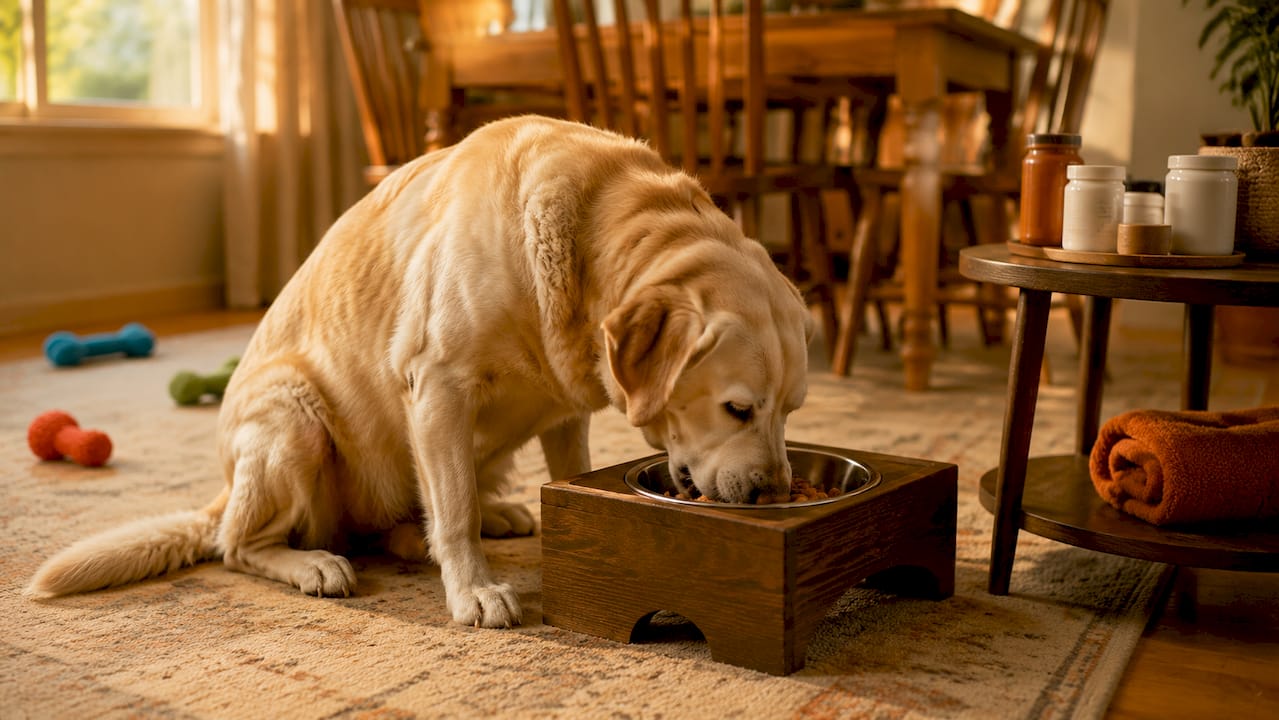
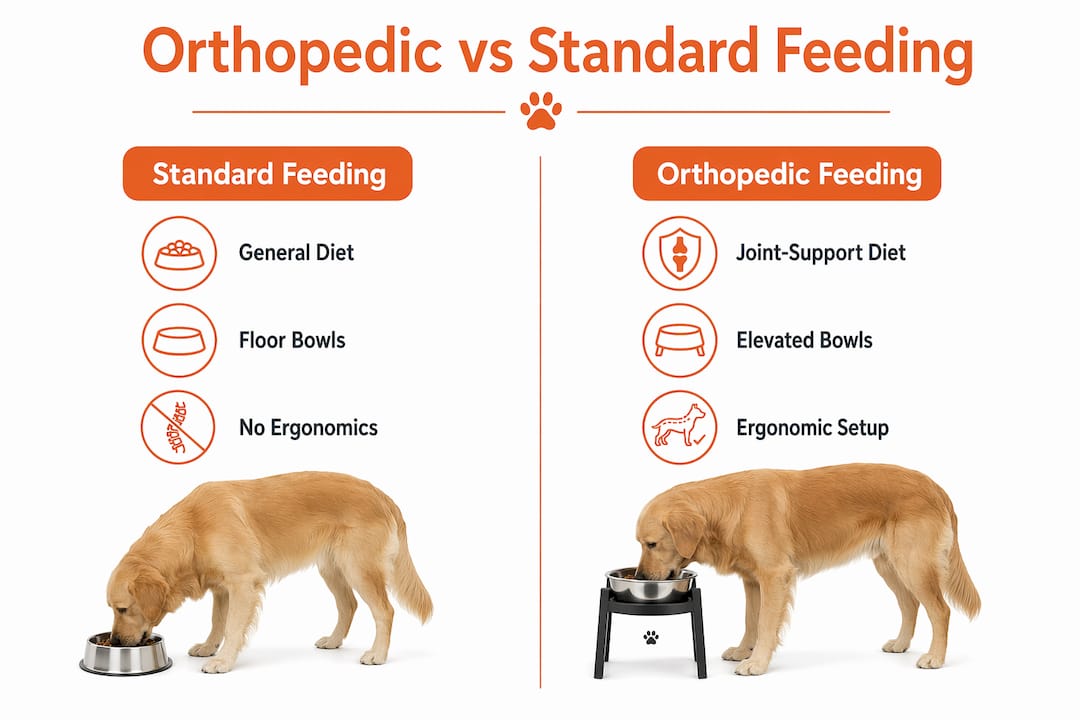
Standard feeding practices ignore both of these needs. A floor-level bowl forces a dog to bend its neck and shoulders downward, compressing the cervical vertebrae with every bite. A diet without joint-supportive nutrients does nothing to slow the progression of cartilage loss. Orthopedic feeding corrects both problems at once.
What nutrients define an orthopedic diet for dogs?
The best dog food for joints contains specific nutrients at therapeutic concentrations, not just trace amounts. Orthopedic diets typically contain EPA and DHA omega-3 fatty acids at 1–2% concentration and glucosamine at 500–1,000 mg/kg. Those concentrations matter because lower levels found in standard commercial foods rarely reach the threshold needed to reduce inflammation or rebuild cartilage tissue.
Here are the core nutritional components of an orthopedic diet for dogs:
- Omega-3 fatty acids (EPA and DHA): Found in fish oil and cold-water fish like salmon and sardines, these fatty acids reduce joint inflammation at the cellular level. They are the most evidence-backed anti-inflammatory nutrients in canine nutrition.
- Glucosamine and chondroitin: These compounds support cartilage structure and help retain moisture in joint tissue. Chondroitin also inhibits enzymes that break down cartilage.
- L-carnitine: Supports lean muscle mass, which is critical for joint stability. Dogs with weak muscles around a joint experience more pain and faster degeneration.
- Antioxidants (vitamins C and E, selenium): Reduce oxidative stress in joint tissue, which accelerates with age and inflammation.
- Turmeric (curcumin): A natural anti-inflammatory herb increasingly included in veterinary-grade joint diets. It works best when paired with black pepper extract (piperine) for absorption.
Therapeutic joint-support diets can improve mobility in dogs with osteoarthritis within 21 days when used consistently. That timeline is meaningful. It tells you that dietary changes produce real, observable results quickly, not just over months or years.
Pro Tip: Ask your veterinarian for a diet with an AAFCO statement specifically for “all life stages” or “adult maintenance,” then confirm it contains therapeutic-level glucosamine. Many foods marketed as joint-supportive contain only cosmetic amounts.
Weight management is the single most impactful factor in joint health. Excess weight exacerbates joint pain more than almost any other variable. A dog carrying even 10% more body weight than its ideal puts significantly more pressure on every joint with each step. Orthopedic dog nutrition must include caloric control alongside joint-specific ingredients.
How does orthopedic feeding equipment improve joint comfort?
Ergonomic feeding equipment is the second pillar of orthopedic dog feeding. The physical act of eating from a floor-level bowl forces most dogs into a posture that strains the neck, shoulders, and front legs. For a dog already dealing with joint pain, that posture turns every meal into a source of discomfort.
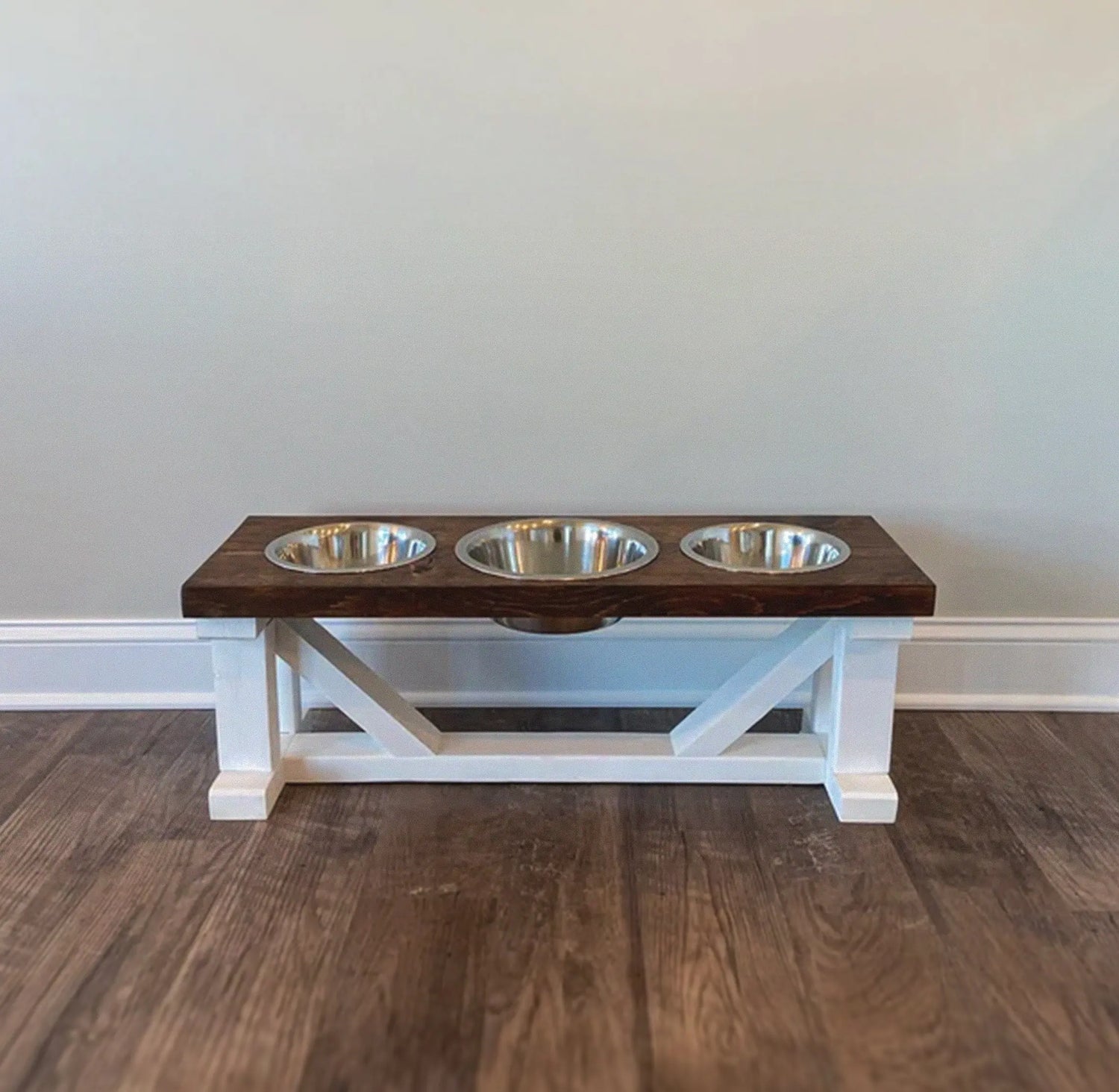
Elevated feeders maintain natural neck and spine alignment by positioning the bowl at approximately the dog’s elbow height. This allows the dog to eat with a neutral spine, eliminating the downward craning motion that compresses cervical vertebrae. You can read more about the mechanics behind this in Bearwoodessentials’ guide on raised feeder benefits.
Key features to look for in orthopedic feeding equipment include:
- Correct height: The bowl rim should sit at or just below your dog’s elbow when standing. Too high causes upward strain; too low recreates the same problem as a floor bowl.
- Non-slip base or mat: Non-slip mats prevent dogs from expending energy stabilizing themselves while eating. For a dog with mobility issues, that wasted energy matters.
- Shallow, wide bowls: Wide, shallow bowls reduce neck strain and make it easier for senior dogs with chewing or swallowing difficulties to access their food.
- Stable, non-tipping design: Any movement of the feeder during eating forces the dog to adjust its posture repeatedly, defeating the purpose of the ergonomic setup.
One important caution: elevated feeders must be custom-fit to dog size and condition to avoid risks like aerophagia (swallowing excess air) or, in large deep-chested breeds like Great Danes and Irish Setters, an increased risk of bloat (gastric dilatation-volvulus). Always consult your veterinarian before introducing an elevated feeder for a large or deep-chested breed.
Pro Tip: Measure your dog’s elbow height with a soft tape measure while your dog stands squarely on all four feet. That measurement is your target bowl rim height.
Orthopedic feeding vs. standard feeding: what is the difference?
The gap between standard and orthopedic feeding is significant in both ingredients and physical setup. Standard feeding setups often fail to provide the support and comfort that joint-affected dogs need. The table below shows the key differences clearly.
| Feature | Standard Feeding | Orthopedic Feeding |
|---|---|---|
| Diet ingredients | General protein and carbohydrate balance | Therapeutic glucosamine, chondroitin, EPA/DHA |
| Bowl position | Floor level, forces neck downward | Elevated to elbow height, neutral spine |
| Joint pressure during eating | High, especially on neck and shoulders | Reduced through proper alignment |
| Weight management focus | Rarely built into diet design | Core component of feeding strategy |
| Long-term joint outcome | Passive, no active support | Active support of cartilage and mobility |
The cost difference between a standard commercial diet and a veterinary-grade joint-support diet is real. Therapeutic diets from brands like Hill’s Prescription Diet j/d or Royal Canin Mobility Support cost more per bag. However, the long-term savings in veterinary care, pain medication, and potential surgery often outweigh the upfront difference. Orthopedic feeding is an investment in fewer vet visits, not just better meals.
How to implement orthopedic feeding for your dog
Setting up an effective orthopedic feeding plan takes a few deliberate steps. The process works best when you treat it as a system, not a single product purchase.
- Assess your dog’s joint health with a veterinarian. Get a baseline evaluation before making dietary changes. Your vet can confirm whether your dog has osteoarthritis, hip dysplasia, or another condition that warrants a therapeutic diet. This step also rules out conditions where elevated feeders may not be appropriate.
- Select an orthopedic dog food with vet input. Look for foods with confirmed therapeutic levels of glucosamine and omega-3s. Ask your vet about vet-approved nutrition options that match your dog’s age, breed, and weight. Prescription diets are the most reliable for confirmed joint conditions.
- Measure and set up the feeding station. Use your dog’s elbow height measurement to select the right feeder. Place a non-slip mat under the stand. Position the station in a low-traffic area where your dog can eat without being jostled.
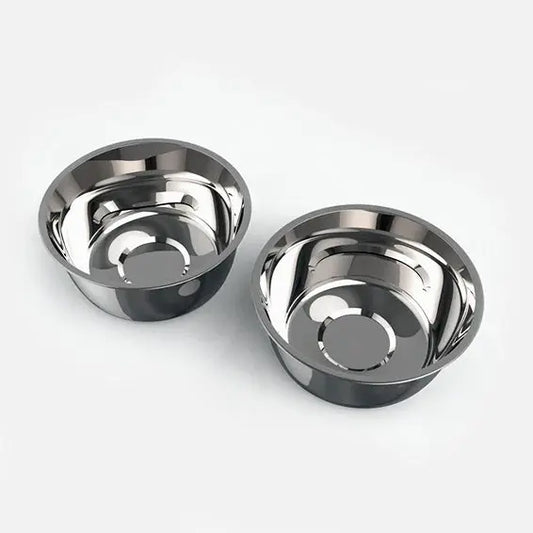
- Choose the right bowl type. Wide, shallow bowls work best for most joint-affected dogs. Stainless steel and ceramic are the most hygienic materials. Avoid deep, narrow bowls that require excessive neck extension to reach the bottom.
- Introduce changes gradually. Transition to a new diet over 7–10 days by mixing increasing amounts of the new food with the old. Introduce the elevated feeder at the same time so your dog adapts to both changes together.
- Monitor and adjust. Watch for changes in eating speed, posture, and comfort over the first 30 days. If your dog seems reluctant to use the elevated feeder, recheck the height. If mobility does not improve after 4–6 weeks on a new diet, report back to your vet.
For a deeper look at current best practices, Bearwoodessentials has a detailed resource on elevated dog feeding practices that covers setup and safety in 2026. You can also explore signs your dog needs a raised feeder if you are still deciding whether the equipment change is right for your pet.
For dogs with specific supplement needs, a vet-backed supplement guide can help you identify which additions, like fish oil capsules or standalone glucosamine, are worth adding alongside a joint-support diet.
Pro Tip: Photograph your dog eating from both the old setup and the new elevated feeder. The visual comparison of posture often reveals just how much the neck angle changes, and it gives your vet useful information at the next checkup.
Key takeaways
Orthopedic dog feeding works because it addresses joint health from two directions at once: therapeutic nutrition that slows cartilage breakdown and ergonomic equipment that removes physical stress from every meal.
| Point | Details |
|---|---|
| Nutrition is the foundation | Therapeutic levels of glucosamine, chondroitin, and omega-3s are required, not optional. |
| Equipment height is critical | Set the bowl rim at your dog’s elbow height for a neutral spine during eating. |
| Weight control is non-negotiable | Managing your dog’s weight reduces joint load more than any single supplement. |
| Non-slip mats are not optional | They prevent energy waste and instability for dogs with mobility challenges. |
| Vet partnership drives results | A confirmed diagnosis and professional diet selection produce the best outcomes. |
What i’ve learned after years of watching dogs eat
Most dog owners focus entirely on what goes into the bowl and forget completely about how the bowl is positioned. I have seen this pattern repeatedly. A dog gets a premium joint-support diet, the owner feels satisfied, and the dog still hunches painfully over a floor-level bowl three times a day. The nutrition is doing its job. The posture is undoing half of it.
The other misconception I see often is treating elevated feeders as a luxury item for aesthetics. They are a functional tool. The hunching posture that strains cervical vertebrae is a real, daily source of pain for joint-affected dogs. Removing that strain is not cosmetic. It is medical.
What I find most overlooked is the non-slip mat. Owners invest in a beautiful wooden elevated feeder and place it on a hardwood floor. The feeder slides slightly with every bite. The dog tenses its legs to compensate. That muscle tension travels directly into already-painful joints. A $10 rubber mat under the feeder solves the problem entirely.
My honest recommendation: start with the vet visit, get the diet right, then invest in a well-built elevated feeder at the correct height. Do not skip the mat. And check back in 30 days. The changes in your dog’s posture and energy during meals will tell you more than any product description ever could.
— Kim
Feed your dog better with Bearwoodessentials
If you are ready to put orthopedic feeding into practice, Bearwoodessentials makes it straightforward. Every elevated feeder in the collection is handcrafted from quality wood and metal, built to hold its position during meals and sized to fit dogs from small breeds to large.
The Small Single Feeder P901 is designed for smaller breeds needing gentle neck support, while the Large Single Feeder P899 provides the height and stability that larger, joint-affected dogs require. Pair either feeder with Bearwoodessentials’ replacement bowls for a complete, hygienic setup. Free U.S. shipping is available on qualifying orders. Your dog’s joints will feel the difference at the very next meal.
FAQ
What is orthopedic dog feeding in simple terms?
Orthopedic dog feeding is the combination of a joint-supportive diet and ergonomic feeding equipment, like elevated bowls, designed to reduce joint pain and improve comfort during meals for dogs with musculoskeletal conditions.
What should i feed a dog with joint issues?
Feed a dog with joint issues a diet containing therapeutic levels of glucosamine (500–1,000 mg/kg), chondroitin, and omega-3 fatty acids (EPA/DHA). Prescription diets from veterinary brands are the most reliable source of these nutrients at effective concentrations.
How high should an elevated feeder be for a dog with arthritis?
The bowl rim should sit at approximately your dog’s elbow height when standing. This position allows a neutral spine during eating and eliminates the downward neck strain that worsens joint discomfort.
Can elevated feeders cause bloat in dogs?
Elevated feeders carry a potential bloat risk in large, deep-chested breeds like Great Danes and Irish Setters. Always consult your veterinarian before introducing an elevated feeder for these breeds to confirm it is appropriate for your dog’s specific condition.
How quickly does an orthopedic diet improve dog mobility?
Therapeutic joint-support diets can produce measurable mobility improvements in as little as 21 days when used consistently. Results vary by dog, severity of joint condition, and whether ergonomic feeding equipment is used alongside the diet.