
Switching your dog to a raised feeder is defined as moving their meals from a floor-level bowl to an elevated feeding station positioned closer to their natural standing height. For senior dogs, large breeds, and dogs with arthritis, this change can meaningfully reduce neck and joint strain during every meal. The American Kennel Club notes that raised bowls are not a universal upgrade and that vet guidance is critical before making the switch. Done right, the transition supports healthier feeding habits for dogs. Done carelessly, it can introduce real health risks, including a potentially life-threatening condition called gastric dilatation-volvulus, or GDV, commonly known as bloat.
Why switch your dog to a raised feeder?
Elevated feeding stations, the industry-standard term for raised feeders, deliver several measurable benefits when matched to the right dog. The most direct benefit is physical comfort. Raised feeders reduce strain on a dog’s neck and joints, which matters most for large breeds, senior dogs, and any dog managing arthritis or mobility issues. A dog that eats with their head dropped low to the floor is working against their own posture at every meal.
Here are the core benefits of elevated feeding stations:
- Reduced neck and joint strain: Dogs with arthritis or orthopedic conditions eat with less effort when the bowl meets them at a comfortable height rather than forcing a downward stretch.
- Improved swallowing mechanics: An elevated bowl aligns the throat and esophagus more naturally, which can support smoother swallowing for some dogs.
- Less mealtime mess: Elevated feeders stabilize bowls and reduce kibble scatter, keeping your feeding area cleaner.
- Better posture during meals: Consistent upright eating posture supports musculoskeletal health over time, especially in large or giant breeds.
- Comfort for senior dogs: Aging dogs with stiff joints benefit from elevated feeding for senior dogs that removes the physical demand of bending low.
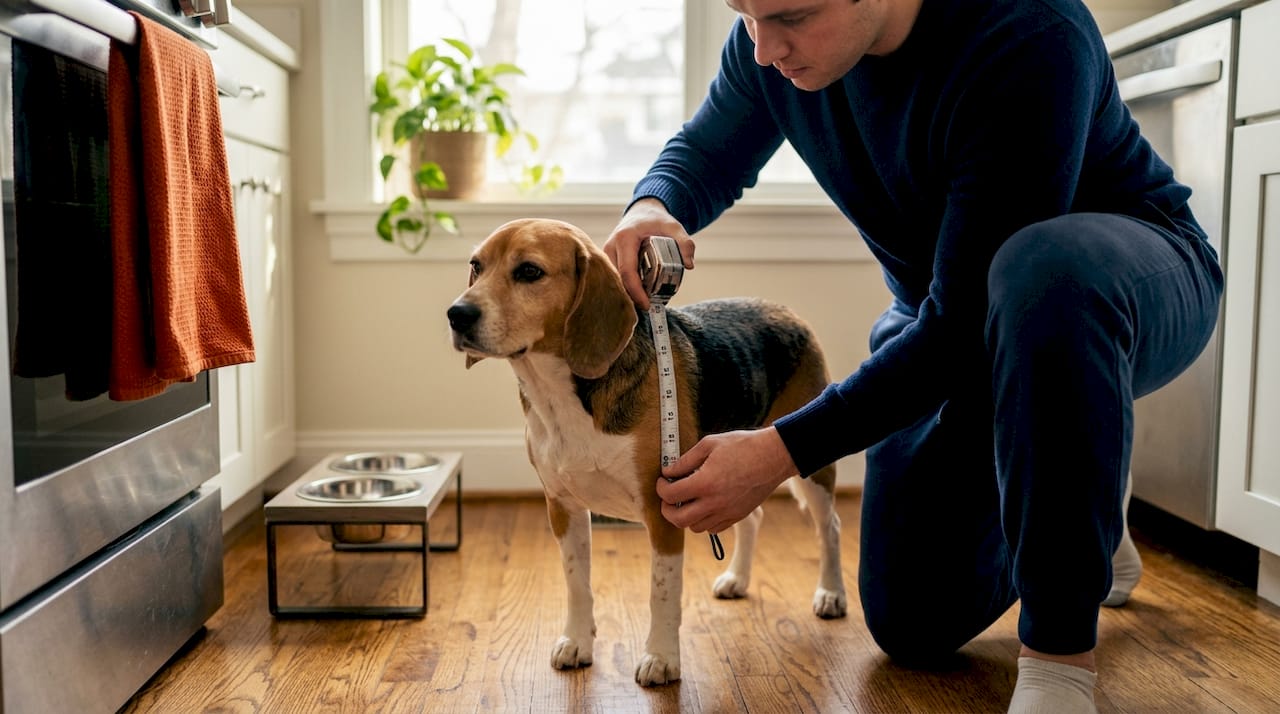
Pro Tip: Match the feeder height to your dog’s shoulder height. The bowl rim should sit roughly 2 to 4 inches below the shoulder. This keeps the neck in a neutral position without forcing an upward stretch.
What are the risks of elevated feeders for dogs?
The most significant risk tied to raised feeders is GDV, a condition where the stomach fills with gas and twists. A study of 1,637 large dogs found that dogs eating from elevated feeders had approximately twice the GDV risk compared to dogs eating from floor-level bowls. That is a finding no responsible dog owner should ignore.
The mechanism matters here. GDV risk may relate more to behavioral changes, specifically faster eating and increased air swallowing, than to the elevation itself. This means the feeder height alone is not always the culprit. How your dog eats at that height is equally important.
“Elevated feeders are not inherently better or worse. Risk and benefit must be weighed individually, and veterinary advice is the starting point for any dog with known health vulnerabilities.” — American Kennel Club
Key risk factors to consider before you make the switch:
- Breed size: Large and giant breeds like Great Danes, Weimaraners, and Irish Setters carry the highest GDV risk.
- Eating speed: Dogs that eat rapidly are at greater risk regardless of feeder height.
- Deep-chested body shape: Dogs with narrow, deep chests are anatomically more susceptible to stomach twisting.
- Age and health history: Dogs with prior digestive issues or a family history of GDV need extra caution.
- Feeding frequency: One large meal per day increases bloat risk more than two smaller meals.
The AKC recommends slow feeders as an alternative for fast eaters concerned about bloat. Slow-feed bowls use ridges and obstacles to extend eating time. Research shows slow feeders can triple eating time, reducing gulping and the digestive stress that follows.
Pro Tip: If your dog is a large breed or a fast eater, consider pairing a raised feeder with a slow-feed insert. This addresses both posture and eating speed at the same time.
How to choose the best raised feeder for your dog
Choosing the right elevated feeder starts with height. Proper feeder height generally aligns with the dog’s shoulder height, with the bowl rim sitting 2 to 4 inches below that point. For small breeds, this means a stand of roughly 2 to 4 inches. For large breeds, you may need a stand of 12 inches or more. A bowl height guide for large breeds can help you calculate the right measurement before you buy.
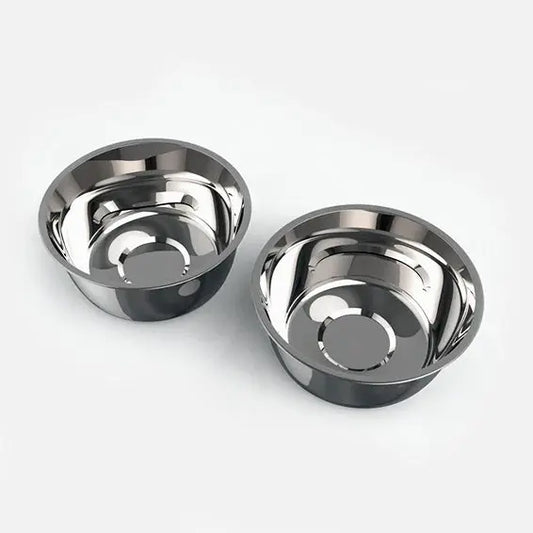
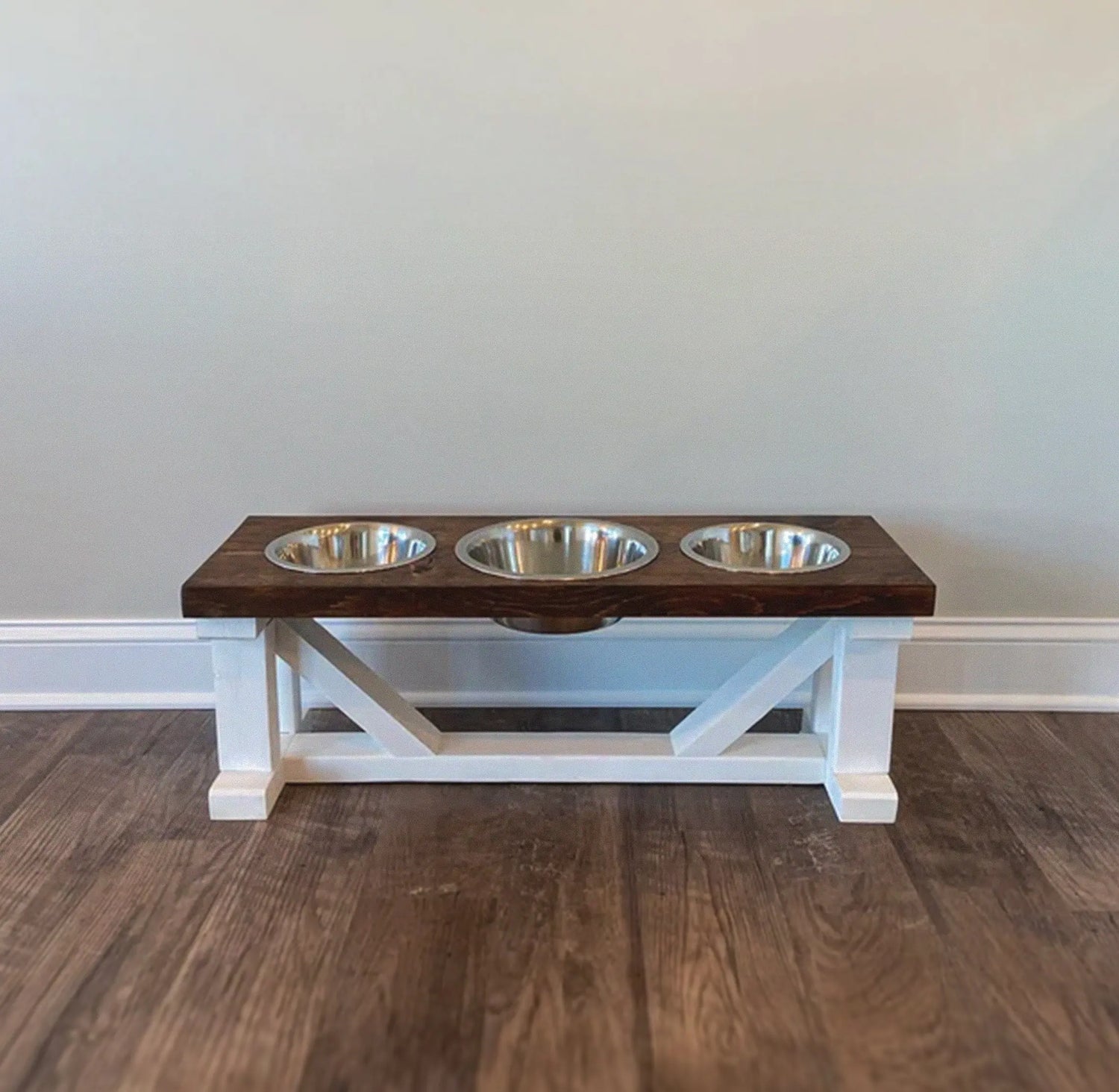
Material choice affects both hygiene and durability. Stainless steel bowls resist bacteria, clean easily, and hold up to daily use. Wooden stands offer aesthetic warmth and stability. Plastic is lightweight but scratches over time, creating grooves where bacteria can accumulate. Many quality feeders, including those from Bearwoodessentials, combine a solid wood or metal stand with removable stainless steel bowls for the best of both.
| Feeder type | Best for | Key feature |
|---|---|---|
| Adjustable height stand | Growing dogs or multi-dog homes | Height changes as your dog grows |
| Fixed wood stand | Adult dogs with stable size | Durable, aesthetically pleasing |
| Metal stand with large bowl | Large and giant breeds | Stability and easy cleaning |
| Double bowl station | Dogs needing food and water elevated | Feeds and hydrates in one station |
| Slow-feed raised bowl | Fast eaters at bloat risk | Combines elevation with eating speed control |
Raised feeders with features like removable stainless steel bowls, adjustable height settings, and integrated storage add practical value beyond the basic elevation. If your dog has a flat face, like a Bulldog or Pug, a wider, shallower bowl at a lower elevation works better than a deep bowl at full height.
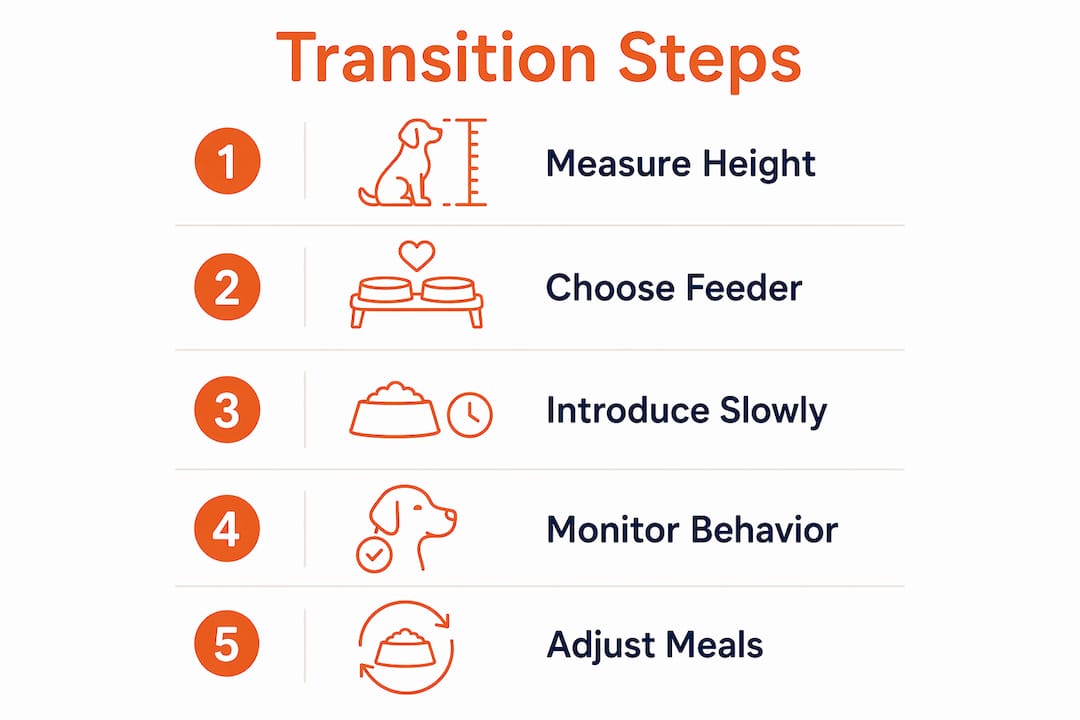
Step-by-step guide to transitioning your dog to a raised feeder
A gradual transition protects your dog from stress and gives you time to monitor their response. Rushing the switch is the most common mistake owners make.
-
Consult your vet first. Before you buy anything, confirm that a raised feeder suits your dog’s breed, size, and health history. This step is non-negotiable for large breeds or dogs with any digestive history.
-
Measure your dog’s shoulder height. Use a tape measure while your dog stands naturally. Subtract 2 to 4 inches to find the ideal bowl rim height.
-
Introduce the raised feeder alongside the floor bowl. For the first three to five days, place both bowls down at mealtime. Let your dog choose. Most dogs migrate to the elevated bowl naturally within a few days.
-
Observe eating speed closely. Watch feeding speed during every meal in the first two weeks. Faster eating or excessive gulping after the switch is a warning sign that requires attention.
-
Remove the floor bowl once your dog is comfortable. After five to seven days of consistent use, transition fully to the raised feeder. Keep the routine calm and consistent.
-
Monitor for distress signals. Signs like retching without vomiting, a swollen abdomen, restlessness, or excessive drooling after meals require immediate veterinary attention. These can indicate GDV.
-
Adjust height as needed. If your dog seems uncomfortable, strains upward, or avoids the bowl, recheck the height. A small adjustment often resolves the issue.
Pro Tip: Feed two smaller meals per day instead of one large meal during and after the transition. Smaller portions reduce the volume of air and food in the stomach at any one time, lowering bloat risk.
Common mistakes when switching to a raised feeder
Most problems during the transition come from a handful of predictable errors. Knowing them in advance saves your dog discomfort and saves you frustration.
- Choosing the wrong height: A feeder that is too tall forces your dog to stretch upward, which is just as uncomfortable as bending down. Too low and you lose the benefit entirely. Measure before you buy.
- Switching too fast: Moving directly from floor feeding to full-time elevated feeding in one day does not give your dog time to adjust. A gradual introduction over five to seven days is the standard recommendation.
- Ignoring eating speed changes: Some dogs eat faster from a raised feeder because the angle feels more natural and food flows more easily. If you notice this, add a slow-feed insert immediately.
- Skipping hygiene: Raised feeders with fixed bowls are harder to clean than floor bowls. Bacteria build up quickly in scratched plastic or poorly rinsed stainless steel. Remove and wash bowls after every meal.
- Assuming one size fits all: A raised feeder that works perfectly for a Labrador Retriever is the wrong choice for a Dachshund. Breed shape, muzzle length, and body proportion all affect which design works best.
If your dog consistently avoids the raised feeder, eats less, or shows signs of discomfort after two weeks, the feeder may not be the right fit. Revisit the height, try a different bowl shape, or consult your vet about whether floor feeding is the better long-term choice for that specific dog.
Key takeaways
Switching to an elevated feeder improves comfort and posture for most dogs, but the decision requires matching feeder height to your dog’s size, monitoring eating behavior closely, and consulting a vet for large or at-risk breeds.
| Point | Details |
|---|---|
| Vet consultation first | Large breeds and fast eaters need vet sign-off before switching to a raised feeder. |
| Match height to shoulder | Bowl rim should sit 2 to 4 inches below your dog’s shoulder for neutral neck posture. |
| Gradual transition wins | Introduce the raised feeder alongside the floor bowl for five to seven days before fully switching. |
| Monitor eating speed | Faster eating after the switch signals increased bloat risk and requires immediate action. |
| Slow feeders complement elevation | Pairing a raised stand with a slow-feed bowl addresses both posture and gulping at once. |
What I’ve learned from watching dogs make this switch
I have seen the raised feeder conversation go both ways, and the honest truth is that the outcome depends almost entirely on the individual dog. For a 10-year-old Labrador with stiff hips, switching to an elevated station can look like a genuine relief. You watch them eat without that labored downward stretch, and the difference is visible. For a young, deep-chested Weimaraner who already eats like he is in a race, the same switch without a slow-feed insert is a risk I would not take.
What I find most useful is treating the transition as an observation period, not just a product swap. The first two weeks tell you everything. Is your dog eating at the same pace? Are they finishing their meals comfortably? Are they showing any signs of abdominal discomfort afterward? Those answers matter more than any general recommendation.
The research on GDV risk is real and worth taking seriously. But the GDV risk relates more to eating behavior than elevation alone, which means the feeder is only part of the equation. Slow down the eating, choose the right height, and work with your vet. That combination covers most of the risk while preserving the genuine comfort benefits that make elevated feeding worth considering in the first place.
The dogs I worry about most are the ones whose owners switch feeders without measuring, without observing, and without any vet input. The feeder itself is not the problem. The lack of attention during the transition is.
— Kim
Find the right elevated feeder at Bearwoodessentials
If you are ready to make the switch, Bearwoodessentials offers a range of handcrafted elevated feeders built for real dogs and real homes. Whether you have a small breed just starting out or a large dog that needs a sturdy, well-proportioned stand, the collection covers both.
The Large Single Feeder P899 is designed specifically for large breeds, with the stability and bowl depth that big dogs need. For smaller dogs, the Small Single Feeder P901 offers a comfortable, correctly proportioned option that makes the transition easy. Every feeder pairs with replacement stainless steel bowls for easy cleaning and long-term use. Free U.S. shipping is available on qualifying orders.
FAQ
What height should a raised feeder be for my dog?
The bowl rim should sit 2 to 4 inches below your dog’s shoulder height when standing. Recommended heights range from about 2 inches for small breeds to 12 inches or more for large breeds.
Do raised feeders cause bloat in dogs?
A study of 1,637 large dogs found approximately double the GDV risk in dogs using elevated feeders, though the risk appears linked to faster eating rather than elevation alone. Consult your vet before switching if your dog is a large or deep-chested breed.
How long does it take to transition a dog to a raised feeder?
Most dogs adjust within five to seven days when the transition is gradual. Place both the raised feeder and the floor bowl down simultaneously for the first few days, then remove the floor bowl once your dog feeds comfortably from the elevated station.
Are raised feeders good for senior dogs?
Yes. Raised feeders reduce neck and joint strain, making meals more comfortable for older dogs with arthritis or reduced mobility. Review elevated feeding for senior dogs to understand the specific benefits and precautions for aging dogs.
Can I use a slow-feed bowl with a raised feeder?
Yes, and for fast eaters it is the recommended approach. Slow feeders can triple eating time, reducing gulping and digestive stress. Many elevated stands accommodate standard slow-feed bowl inserts.