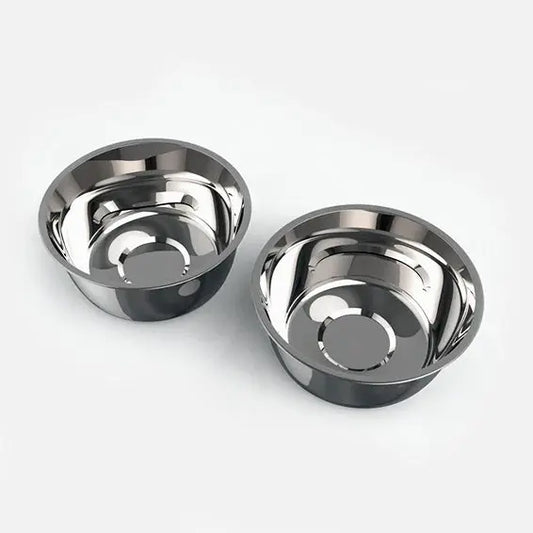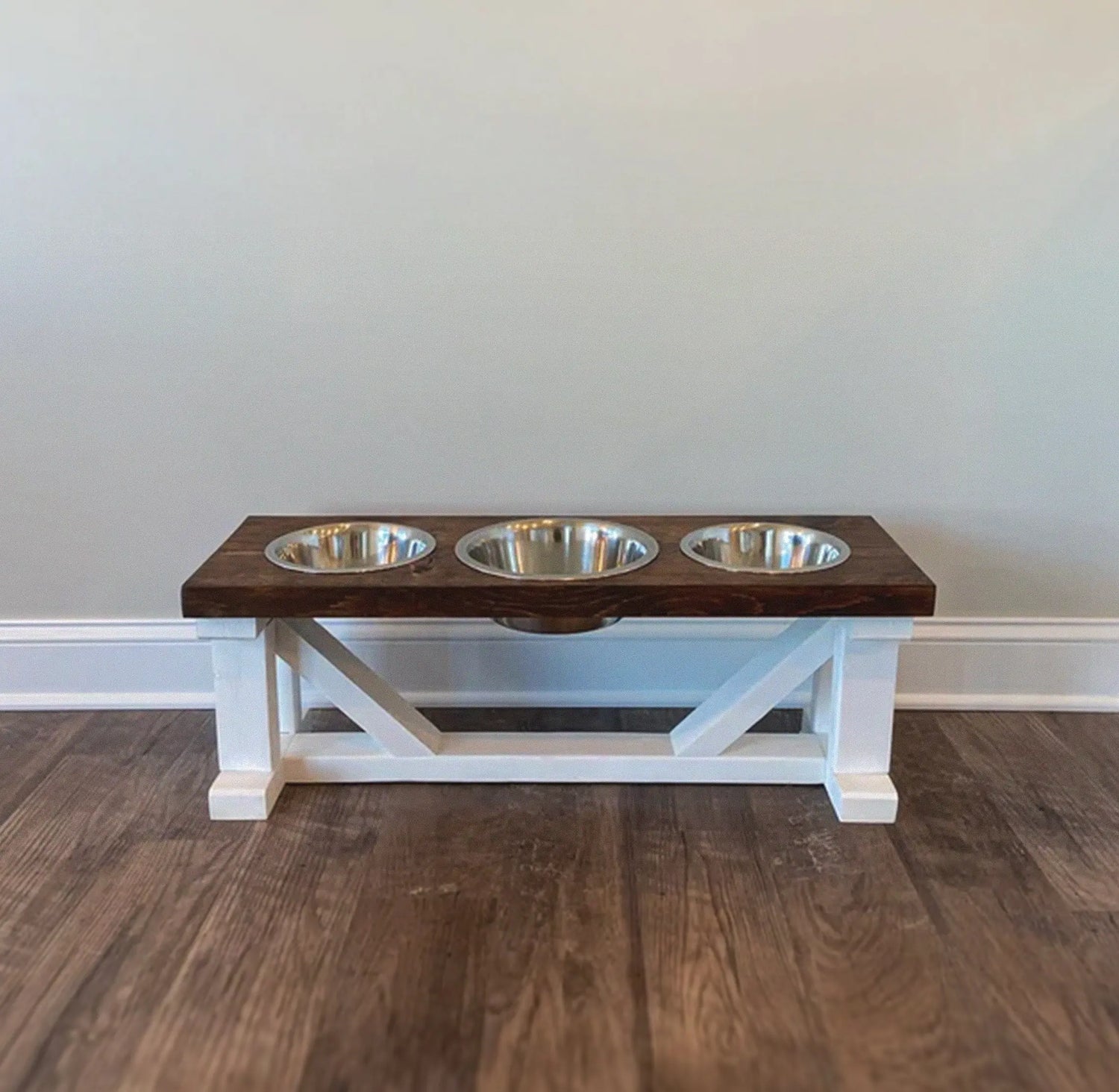


Rubber feet on pet feeders are defined as non-slip grip pads or molded bases that stabilize a feeder, dampen vibration, and protect flooring during every meal. Understanding why rubber feet matter for pet feeders helps you choose a product that keeps your dog calm, your floors scratch-free, and your kitchen quiet. Bearwoodessentials builds this feature into its elevated feeders because stability and floor protection are not optional extras. They are the difference between a feeder that works and one that skids across your hardwood every time your dog takes a bite.
Why rubber feet matter for pet feeders: stability and slip prevention
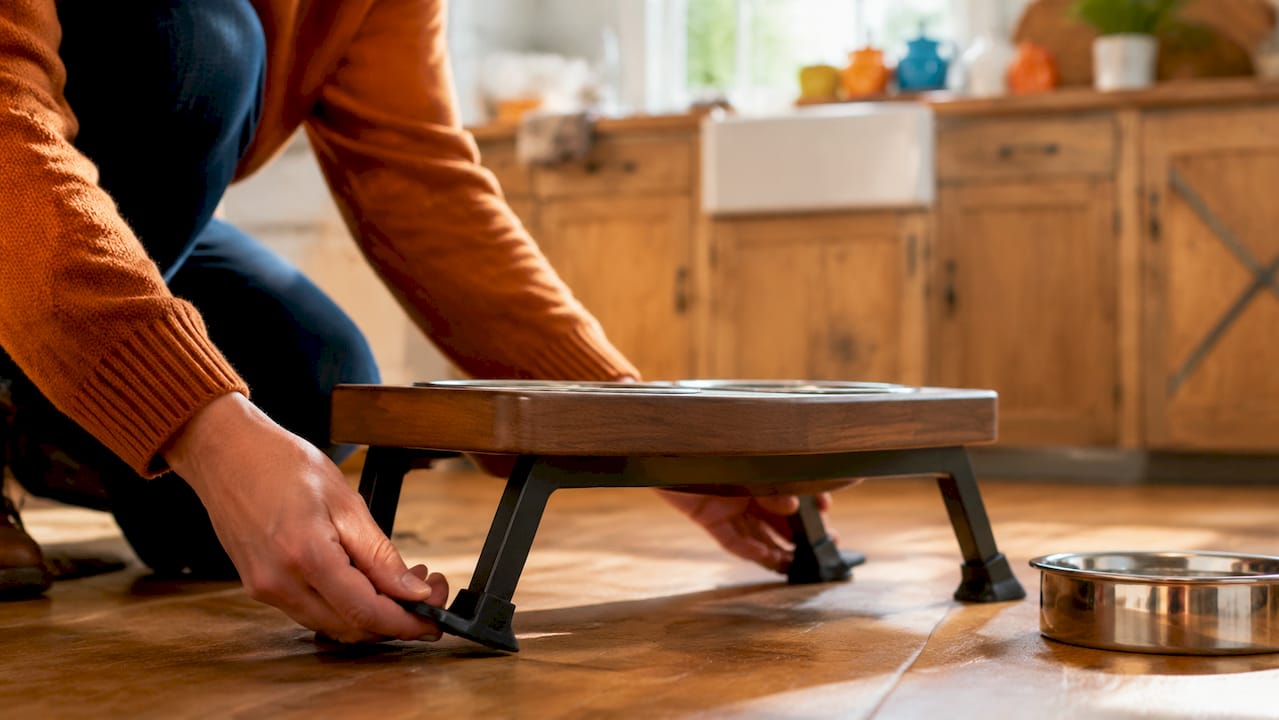
Rubber feet keep bowls stable by increasing friction between the feeder base and the floor surface. That friction works on hardwood, tile, and laminate without leaving marks or requiring adhesive. The result is a feeder that stays exactly where you placed it, even with an enthusiastic eater pushing against it.
The mechanics are straightforward. Rubber grips the floor through surface contact and micro-texture, not through weight or suction. This matters because a lightweight wooden or metal feeder has little mass to resist movement on its own. Rubber feet compensate for that by creating resistance at the contact point.
| Base type | Stability method | Floor protection | Grip on tile | Grip on hardwood |
|---|---|---|---|---|
| Rubber feet (small pads) | Friction at contact points | Moderate | Good | Good |
| Full silicone base | Friction across full surface | High | Excellent | Excellent |
| Weighted base | Mass resistance | Low | Moderate | Moderate |
| No base treatment | None | None | Poor | Poor |
Full silicone bases create a vacuum-like grip and push moisture away from the floor, outperforming small rubber pads on both stability and protection. Weighted bases resist tipping by adding mass, but rubber feet prevent sliding through friction, which is the more common problem during active feeding.
-
Rubber feet work on multiple floor types without modification
-
They grip without permanent adhesion, so the feeder stays movable
-
Small pads concentrate grip at key contact points under the frame
-
Full rubber or silicone bases distribute grip evenly across the entire bottom
Pro Tip: Place your feeder on a level surface and press down lightly before your dog eats. If the feeder slides with light hand pressure, the rubber feet may be worn or dirty and need cleaning or replacement.
Understanding feeder footprint and placement also affects how well rubber feet perform. A wider base distributes weight more evenly, giving the rubber feet more surface area to grip.
How do rubber feet reduce feeding noise?
Rubber feet reduce feeding noise by stopping the micro-movements that cause a feeder to vibrate against the floor. Every time your dog pushes the bowl, the feeder shifts slightly. On a hard floor, that shift creates structure-borne sound. Rubber interrupts that chain at the source.
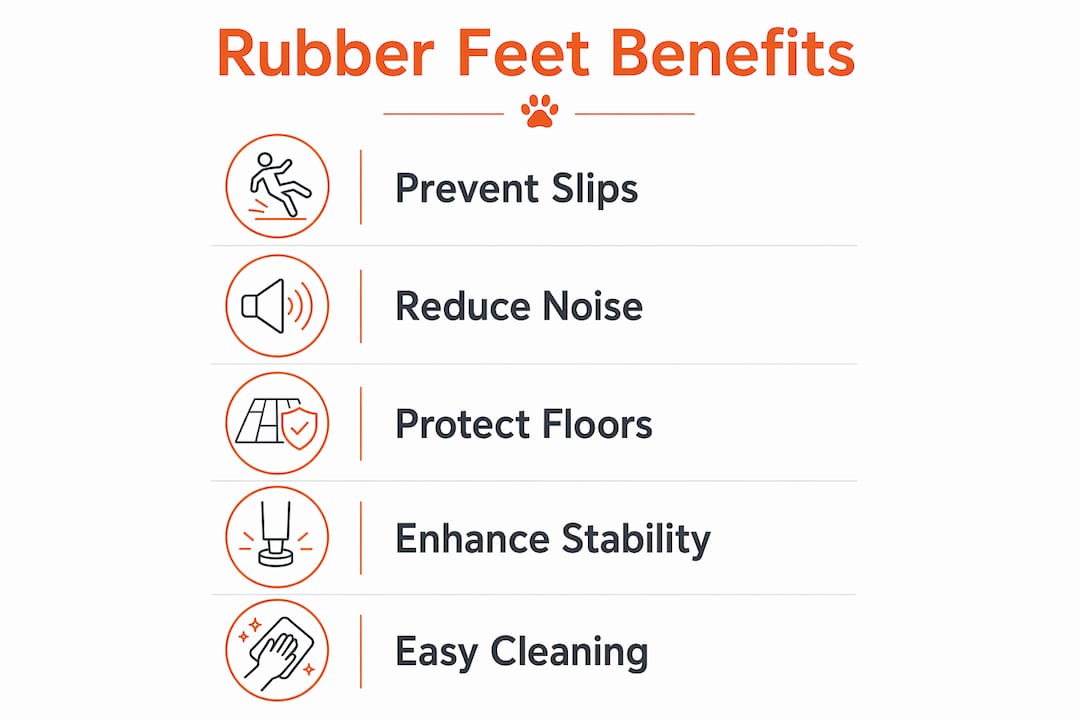
The technical term for this is viscoelastic damping. Rubber stores mechanical energy briefly and then dissipates it as heat, ending the vibration cycle before it can travel into the floor and amplify. Metal springs, by contrast, store energy and release it, which extends vibration rather than ending it. This is why rubber dampers outperform metal springs for noise control in industrial and household applications alike.
For dog owners, this has a direct practical benefit. A feeder that scrapes and clatters across tile can startle noise-sensitive dogs, causing them to eat faster or avoid the bowl altogether. Reducing that noise creates a calmer feeding environment, which supports steadier eating habits.
-
Rubber absorbs vibration at the contact point before it enters the floor
-
Less floor vibration means less airborne noise in the room
-
Quieter feeding reduces stress for anxious or noise-sensitive dogs
-
Households with open floor plans benefit most, since hard floors carry sound further
Pro Tip: If your feeder still makes noise after adding rubber feet, check whether the bowls themselves are loose inside the stand. Bowl rattle is a separate noise source that rubber feet alone cannot fix.
Manufacturers treat rubber feet as a vibration control feature, not a cosmetic detail. That framing matters because it shifts how you evaluate a feeder. Noise reduction is an engineering outcome, not a side effect.
Do rubber feet actually protect your floors?
Rubber feet protect floors by creating a barrier that limits both physical contact and moisture transfer between the feeder and the surface below. Without that barrier, a wooden or metal feeder base can scratch hardwood, trap moisture under its frame, and leave stains that are difficult to remove.
Moisture is the bigger threat. Water and food residue collect around bowls during every meal. On bare floors, that moisture sits under the feeder frame and works into wood grain or grout lines over time. Absorbent dog bowl mats reduce floor moisture by 85–95% compared to bare floors. That figure shows how much liquid actually reaches the floor during a typical feeding session. Rubber feet and rubber-based mats work together to keep that moisture away from the floor surface.
| Floor type | Risk without rubber feet | Benefit with rubber feet |
|---|---|---|
| Hardwood | Scratches, moisture damage, staining | Prevents contact marks, limits moisture transfer |
| Tile | Sliding, grout staining | Grip prevents movement, reduces splash spread |
| Laminate | Surface scratches, swelling from moisture | Protects surface layer, limits water contact |
| Vinyl | Minimal scratch risk, some sliding | Grip improvement, moisture containment |
Hygiene is a related benefit. Less moisture under the feeder means less bacterial growth in that area. A dry floor around the feeder is easier to wipe clean and less likely to develop odors.
-
Wipe rubber feet with warm soapy water weekly to remove food residue and pet hair.
-
Lift the feeder and clean the floor underneath at least twice a week.
-
Dry the rubber feet completely before placing the feeder back down.
-
Inspect rubber feet monthly for cracks or compression that reduces their protective contact.
Pro Tip: Avoid harsh chemical cleaners on rubber feet. Bleach and solvent-based products degrade rubber over time, causing it to harden and lose grip. Mild dish soap and warm water are all you need.
Monitoring pet food and feeder hygiene is part of responsible pet ownership. Keeping the area around the feeder dry and clean is one of the simplest ways to protect both your dog and your floors.
How to choose and maintain pet feeders with rubber feet
The best rubber feet for pet feeders combine full surface contact, durable material, and easy cleaning access. Small rubber pads at the corners of a feeder frame work well for lightweight stands. A full rubber or silicone base works better for heavier feeders or dogs that eat aggressively.
When evaluating a feeder, press the base against the floor and try to slide it with moderate hand pressure. Quality rubber should resist that movement without any adhesive. If the feeder slides easily, the rubber is either too thin, too hard, or already worn. Soft, slightly tacky rubber grips best on smooth floors. Firm rubber works better on textured surfaces like stone or rough tile.
Dirt and pet hair buildup reduce rubber grip by up to 50%. That statistic explains why a feeder that worked perfectly when new starts sliding after a few months of use. The rubber has not worn out. It is simply coated in a layer of debris that breaks the friction contact.
-
Choose feeders where the rubber base is replaceable or cleanable without tools
-
Look for rubber that is labeled food-safe or non-toxic, especially for low-profile feeders
-
Avoid feeders where the rubber feet are glued on with visible adhesive, as these detach with cleaning
-
Full coverage bases offer more protection than four small corner pads on slippery floors
Bearwoodessentials designs its elevated wooden feeders with stable bases that account for both grip and floor protection. The ProSelect SS Bowl with Rubber Base is a practical example of how a rubber-footed base integrates directly into the bowl design for dogs that need a heavier, more stable option.
Pro Tip: If you have a large or strong dog, prioritize a feeder with a wide stance and full rubber base over one with small corner feet. The wider the contact area, the harder it is for an enthusiastic eater to shift the feeder.
The benefits of raised dog feeders extend beyond rubber feet alone, but rubber feet are what make those benefits reliable at floor level. A raised feeder that slides is less useful than a ground-level bowl that stays put.
Key Takeaways
Rubber feet are the single most effective base feature for keeping a pet feeder stable, quiet, and floor-safe during daily use.
| Point | Details |
|---|---|
| Stability through friction | Rubber feet grip hardwood, tile, and laminate without adhesive or added weight. |
| Noise reduction via damping | Rubber dissipates vibration as heat, stopping floor noise before it starts. |
| Floor protection from moisture | Rubber bases limit moisture transfer, reducing scratches and staining on all floor types. |
| Maintenance preserves grip | Cleaning rubber feet weekly with warm soapy water prevents the 50% grip loss caused by dirt buildup. |
| Full bases outperform small pads | Full silicone or rubber bases provide stronger grip and better moisture control than corner pads alone. |
What I’ve learned after years of watching dogs eat
Most dog owners focus on bowl material or feeder height when shopping for a new feeding station. Rubber feet are almost always an afterthought. That is a mistake I see play out the same way every time: the feeder looks great, the dog eats enthusiastically, and within a week the feeder has migrated two feet across the kitchen floor.
The noise issue is the one that surprises people most. A metal feeder on tile is genuinely loud. Not just annoying for the owner, but stressful for the dog. I have seen dogs develop hesitation around their bowl simply because the clattering startled them during early meals. Fixing that with rubber feet costs almost nothing and changes the entire feeding dynamic.
What I find most overlooked is the floor damage angle. People spend real money on hardwood floors and then place a bare metal feeder directly on them twice a day. The scratches are slow and cumulative. By the time you notice them, the damage is done. A rubber base is the simplest preventive measure available, and it costs far less than refinishing a floor.
My honest recommendation: treat rubber feet as a non-negotiable feature, not a bonus. If a feeder does not have them, either add aftermarket rubber pads or choose a different product. The stability, quiet, and floor protection they provide are worth far more than their modest contribution to the feeder’s price.
— Kim
Feeders built with stability in mind, from Bearwoodessentials
Bearwoodessentials builds elevated pet feeders with floor protection and stability as core design priorities, not afterthoughts. Every feeder in the collection is crafted to stay in place during feeding, keep your floors clean, and give your dog a calm, consistent mealtime experience.

The handmade metal dog bowl feeder combines a durable raised frame with a stable base designed to protect hardwood and tile floors. If you prefer a wood aesthetic, the wooden raised dog feeder pairs stainless steel bowls with a crafted stand built for daily use. Both options reflect Bearwoodessentials’ commitment to feeders that work as well as they look.
FAQ
What do rubber feet on a pet feeder actually do?
Rubber feet increase friction between the feeder and the floor, preventing sliding and reducing vibration-based noise. They also create a barrier that limits moisture transfer to the floor surface below.
Should pet feeders have rubber feet on all floor types?
Rubber feet improve grip on hardwood, tile, laminate, and vinyl. They are most important on smooth hard floors, where feeders without grip slide easily during active feeding.
How often should I clean rubber feet on a pet feeder?
Clean rubber feet weekly with warm soapy water. Dirt and pet hair buildup reduce grip by up to 50%, so regular cleaning is the single most effective maintenance step.
Are full rubber bases better than small rubber pads?
Full silicone or rubber bases outperform small corner pads by distributing grip and moisture resistance across the entire bottom surface. Small pads work adequately for lightweight feeders on textured floors.
Can rubber feet reduce my dog’s feeding anxiety?
Rubber feet reduce the scraping and clattering noise that startles noise-sensitive dogs during meals. A quieter, stable feeder creates a calmer feeding environment, which supports more relaxed eating behavior.