
Elevated dog bowls are not proven to reduce bloat and, according to current veterinary research, may actually increase the risk of gastric dilatation-volvulus (GDV) in large and giant breed dogs. If you own a Great Dane, Rottweiler, Irish Setter, or any deep-chested breed, this distinction matters enormously. The good news is that evidence-based feeding practices like smaller meals, slow feeders, and timed exercise restrictions give you real, proven tools to protect your dog. This guide explains the science, clears up the confusion, and helps you make the safest feeding choice for your dog.
Does using an elevated dog bowl reduce bloat?
Gastric dilatation-volvulus, commonly called GDV or bloat, is a life-threatening emergency in which a dog’s stomach fills with gas and twists on itself. The stomach rotation cuts off blood supply to surrounding organs, and without emergency surgery, the condition is fatal within hours. Understanding GDV is the starting point for every feeding decision you make for a high-risk dog.
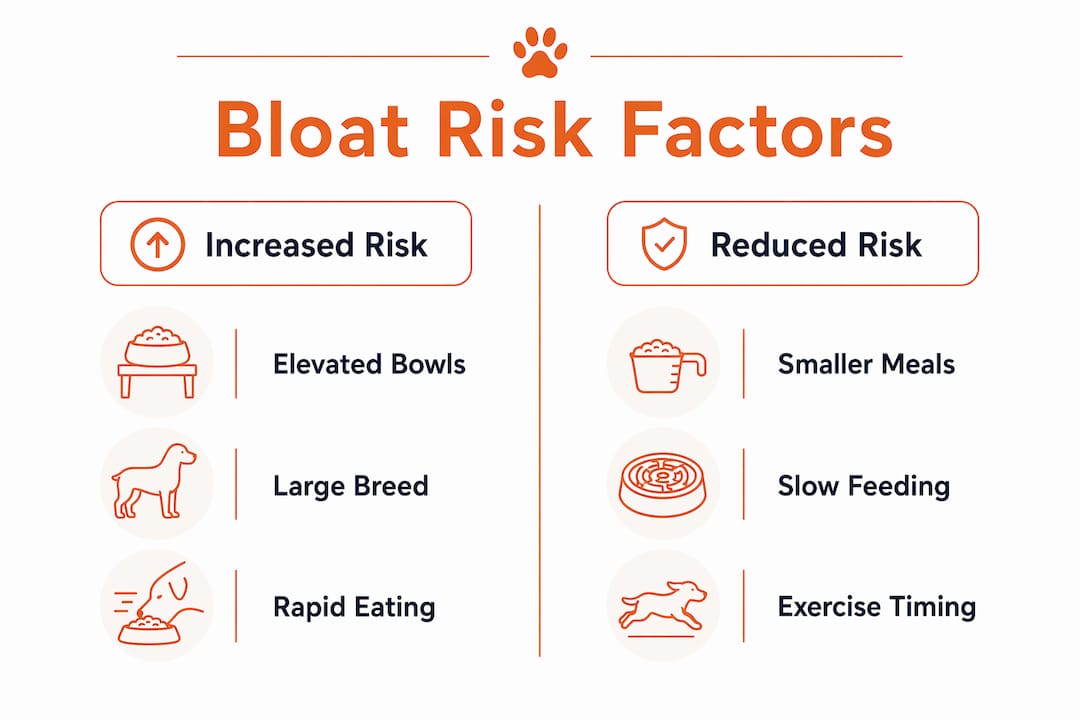
Several physical and behavioral factors raise a dog’s GDV risk significantly:
- Deep chest conformation: Breeds like Great Danes, Standard Poodles, Weimaraners, Irish Setters, and Doberman Pinschers carry the highest risk due to their chest-to-abdomen ratio.
- Eating speed: Dogs that eat quickly swallow large amounts of air, which contributes to stomach distension.
- Single large meals: Feeding one large meal per day creates a fuller, heavier stomach that is more prone to twisting.
- Age and size: Older dogs and dogs over 99 pounds face statistically higher risk.
- Stress and anxiety: High-stress environments around feeding time are associated with increased GDV incidence.
- Family history: Dogs with a first-degree relative who experienced GDV carry elevated genetic risk.
Knowing these factors helps you see why bowl height alone was never going to be a complete solution. GDV is a multifactorial condition, and preventing GDV requires addressing several of these variables at once, not just one.
What does the research say about elevated bowls and bloat?
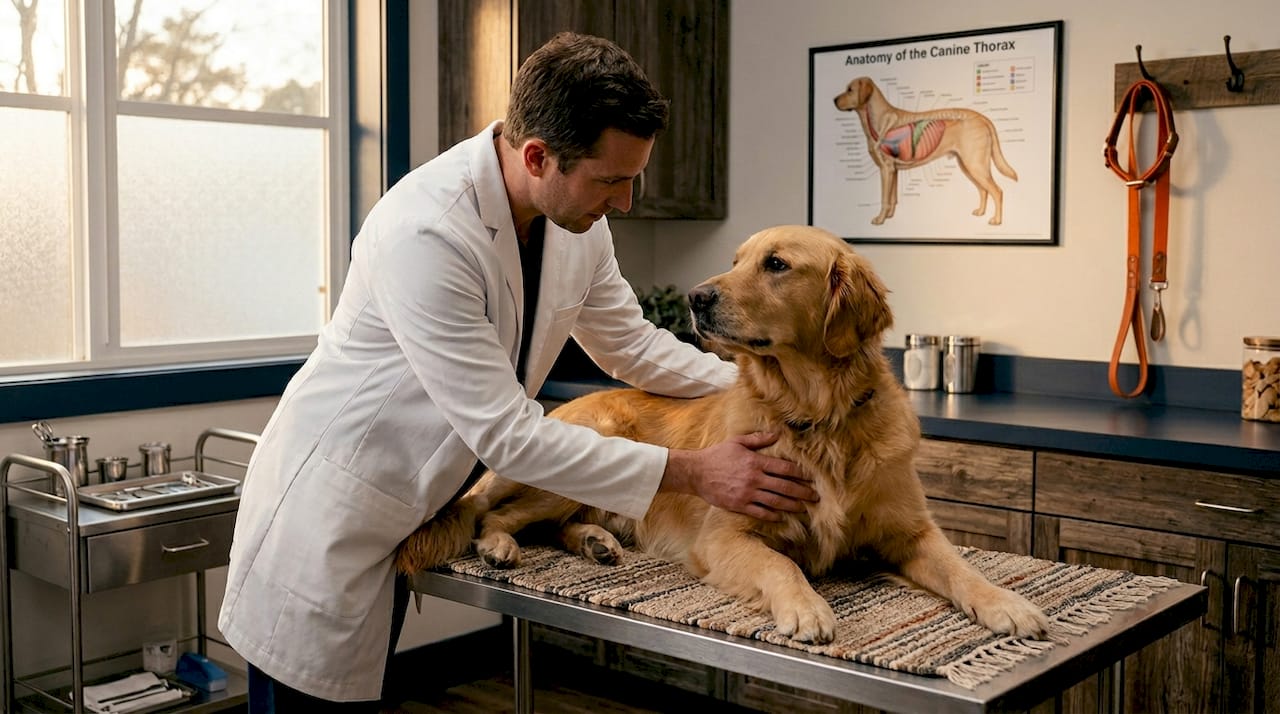
The scientific evidence on this question is clear enough to warrant serious caution. Research tracking 1,637 large dogs found that elevated feeders may increase GDV risk approximately twofold compared to floor-level feeding. That is not a marginal finding. It means that a product many owners buy specifically to protect their dog could be doing the opposite.
The leading mechanistic explanation is that elevated bowls may increase eating speed. When a dog eats from a raised position, the food flows more easily down the esophagus, which reduces the natural friction that slows eating. Faster eating means more air swallowed, and more air swallowed means greater stomach distension. The hypothesis that elevated feeders speed up eating and increase air swallowing is now the primary reason veterinary professionals advise against them for bloat-prone breeds.
“Avoid elevated feeding bowls for GDV risk reduction in at-risk dogs.” — Washington State University Veterinary Teaching Hospital, 2025
The American Kennel Club reinforces this position. Elevated bowl benefits are unproven for bloat prevention, and the AKC recommends personalized veterinary advice before using a raised feeder with any dog at risk for GDV. This is not a fringe opinion. It reflects the current consensus among veterinary nutritionists and internal medicine specialists.
It is worth separating two distinct claims here. Elevated bowls do offer genuine ergonomic benefits for certain dogs, particularly seniors and dogs with arthritis or megaesophagus. Those benefits are real. The error is assuming that ergonomic comfort and bloat prevention are the same goal. They are not, and conflating them can lead to decisions that put your dog at greater risk.
Pro Tip: If your dog is a large or giant breed and you currently use a raised feeder, speak with your veterinarian before making any changes. Abrupt feeding changes can cause their own digestive disruptions. A gradual transition with vet guidance is always the safest path.
Evidence-based strategies to reduce bloat risk
Since bowl height is not the answer, what actually works? The WSU Veterinary Teaching Hospital recommends a combination of feeding management strategies that address the real risk factors for GDV. These are the approaches with the strongest evidence behind them.
- Feed smaller, more frequent meals. Dividing your dog’s daily food into two or three portions reduces the volume in the stomach at any one time, which lowers the mechanical risk of twisting. A single large meal is one of the most consistent risk factors across GDV studies.
- Use a slow feeder or puzzle bowl. Slow feeder bowls reduce eating speed and the amount of air your dog swallows with each bite. Puzzle feeders add a cognitive element that further slows consumption. Both are practical, affordable tools that address one of the primary GDV triggers directly.
- Restrict exercise before and after meals. Vigorous activity within one hour before or two hours after eating is associated with higher GDV risk. This is especially true for large breeds. A calm post-meal rest period is one of the simplest changes you can make.
- Avoid stress during feeding. Feed your dog in a quiet, low-traffic area away from other pets if competition or anxiety is present. Stress-related eating behaviors, including gulping and pacing, increase air swallowing.
- Consider prophylactic gastropexy for high-risk breeds. The American College of Veterinary Surgeons notes that gastropexy reduces twisting risk in breeds like Great Danes and Rottweilers. The procedure surgically attaches the stomach to the abdominal wall, preventing rotation even if distension occurs. It can be performed laparoscopically with small incisions and a faster recovery, and it is often scheduled during spay or neuter to minimize anesthesia exposures.
These strategies work because they target the actual mechanisms behind GDV. Meal size, eating speed, and exercise timing are all modifiable. Bowl height, as the research shows, is not a reliable lever for risk reduction in large breeds.
When are elevated dog bowls actually beneficial?
Elevated feeders are not inherently harmful for every dog. The concern is specific to large and giant breeds with deep chests and elevated GDV risk. For other dogs, raised bowls offer real, documented benefits that make them a smart choice.
Elevated feeding reduces neck and joint strain, which is particularly meaningful for senior dogs, dogs with arthritis, or dogs recovering from neck or spine injuries. Eating from the floor requires a dog to lower its head significantly, placing sustained pressure on the cervical spine and front joints. For a 10-year-old Labrador with hip dysplasia, that repeated strain adds up over hundreds of meals.
Dogs diagnosed with megaesophagus, a condition in which the esophagus loses muscle tone and cannot move food to the stomach efficiently, actually require elevated or vertical feeding positions to prevent aspiration pneumonia. For these dogs, elevation is not optional. It is medically necessary.
Here is a practical comparison to help you decide:
| Dog profile | Elevated bowl recommendation |
|---|---|
| Large or giant breed, deep chest, no mobility issues | Avoid elevated bowls; use floor-level slow feeder |
| Senior dog with arthritis or joint pain, small or medium breed | Elevated bowl recommended for comfort |
| Dog with megaesophagus | Elevated or vertical feeding required |
| Large breed with arthritis and GDV risk | Consult your vet; balance comfort and safety |
| Small or medium breed, no health concerns | Elevated bowl is fine; minimal bloat risk |
When you do use an elevated feeder, bowl height for large breeds should position the bowl at roughly elbow height. Too high forces an unnatural upward angle; too low defeats the ergonomic purpose. Pairing an elevated feeder with a slow feeder insert is one practical way to capture the comfort benefits while mitigating the eating-speed risk.
Key takeaways
Elevated dog bowls do not reduce bloat risk and may double GDV risk in large breeds. The most effective anti-bloat feeding plan combines smaller meals, slow feeders, restricted exercise near mealtimes, and veterinary guidance.
| Point | Details |
|---|---|
| Elevated bowls increase GDV risk | Research shows raised feeders may double bloat risk in large and giant breed dogs. |
| Slow feeders are a proven tool | Slow feeder bowls reduce eating speed and air swallowing, directly addressing a primary GDV trigger. |
| Meal size and frequency matter | Feeding two to three smaller meals daily reduces stomach volume and lowers mechanical twisting risk. |
| Elevation helps specific dogs | Senior dogs and dogs with arthritis or megaesophagus benefit from raised feeders for comfort and medical reasons. |
| Gastropexy is the strongest prevention | Prophylactic gastropexy, especially laparoscopic, is the most reliable medical option for high-risk breeds. |
What I’ve learned about bloat prevention after years in pet care
The elevated bowl debate is a good example of how a reasonable-sounding idea can spread faster than the evidence behind it. The logic seemed intuitive: raise the bowl, reduce neck strain, improve digestion, prevent bloat. It made sense on the surface. The research told a different story.
What I find most important for dog owners to understand is that GDV prevention is not a single-product problem. You cannot buy your way out of it with one feeder, no matter how well-made. The dogs I have seen owners protect most effectively are the ones whose owners addressed multiple risk factors at once. They split meals, used slow feeders, kept their dogs calm after eating, and had honest conversations with their vets about prophylactic surgery.
The other thing worth saying plainly: if your dog is a Great Dane, Standard Poodle, or Weimaraner, the gastropexy conversation with your vet is not optional. It is the single most effective intervention available, and many vets now recommend scheduling it during the spay or neuter procedure so your dog only goes under anesthesia once. That is a practical, caring choice that no feeder on the market can replicate.
For dogs without elevated GDV risk, elevated bowls are a genuinely good product. They reduce strain, support comfort, and make mealtimes easier for older or arthritic dogs. The key is matching the tool to the dog in front of you, not the dog you read about in a general article. Your vet knows your dog’s specific risk profile. Use that resource.
— Kim
Thoughtfully designed feeders for your dog’s comfort and safety
At Bearwoodessentials, every feeder is handcrafted with your dog’s well-being in mind. Whether you are looking for ergonomic support for a senior dog or a slow-feed solution that reduces air swallowing, the product range is built to balance comfort with safety.
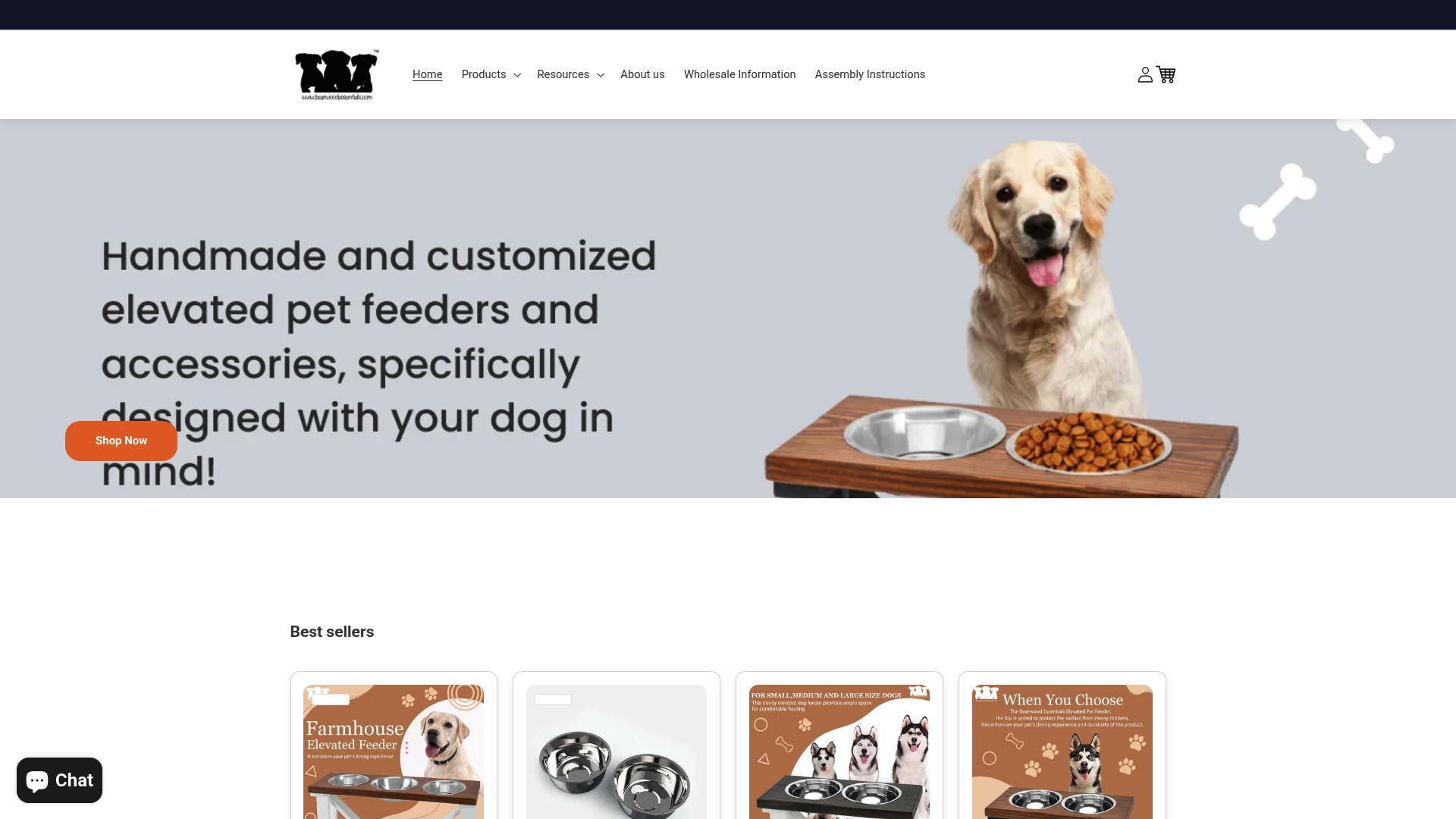
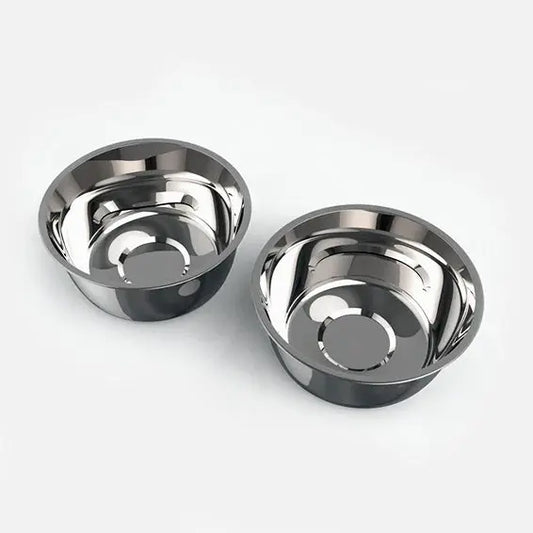
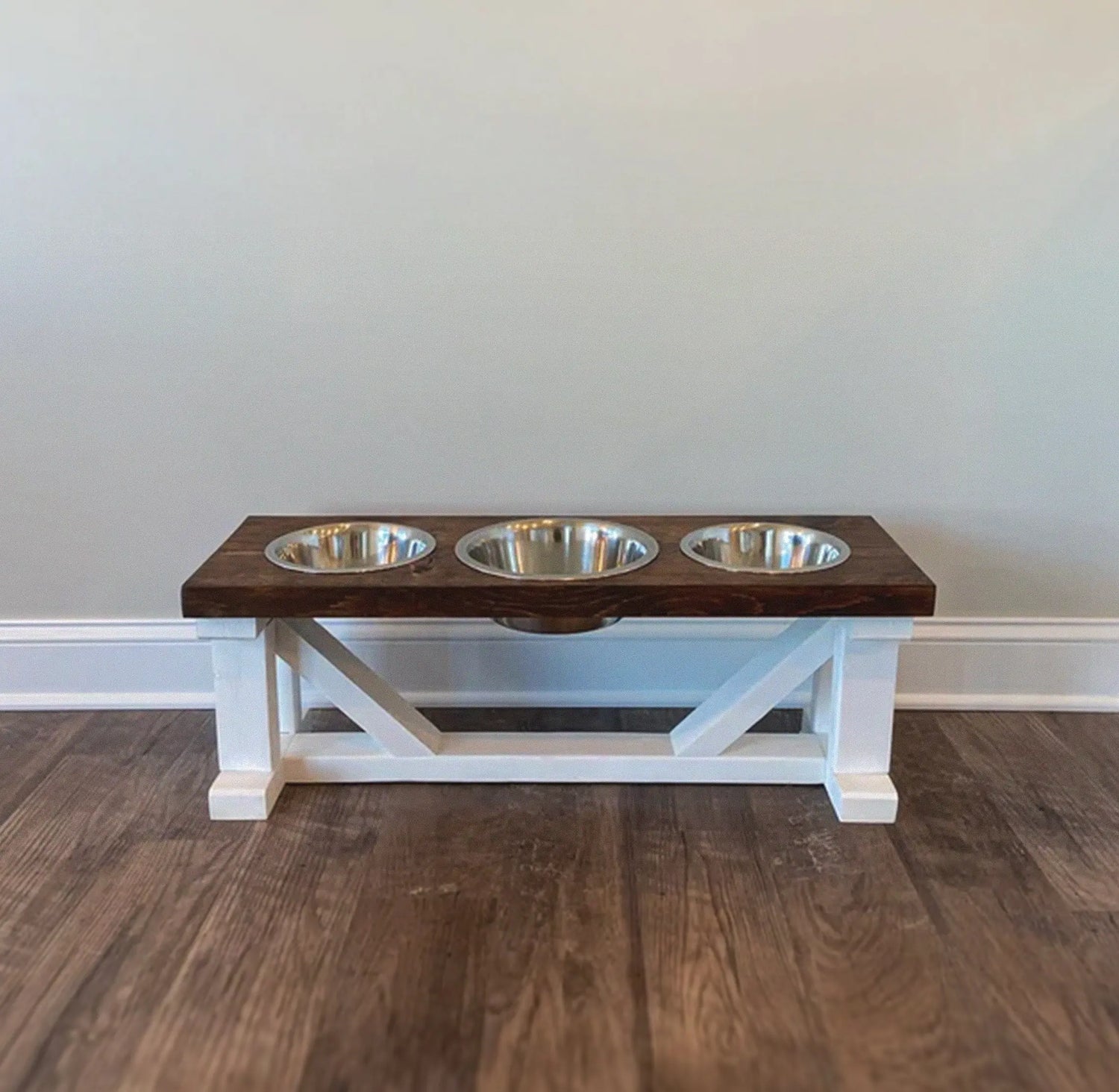
The wooden raised dog feeder pairs durable stainless steel bowls with a handmade wooden stand, giving you the ergonomic lift your dog needs without compromising on quality. For dogs that eat too fast, the anti-bloat slow feed bowl is designed specifically to slow eating pace and reduce air swallowing. Browse the full collection at Bearwoodessentials and find the right feeding setup for your dog’s size, age, and health needs. Free U.S. shipping is available on qualifying orders.
FAQ
Does an elevated dog bowl prevent bloat?
No. Current veterinary research, including guidance from the WSU Veterinary Teaching Hospital, shows that elevated bowls do not prevent bloat and may increase GDV risk in large and giant breed dogs. Floor-level feeding combined with slow feeders and smaller meals is the recommended approach for at-risk breeds.
What is the best way to prevent bloat in dogs?
The most effective prevention combines smaller, more frequent meals, slow feeder bowls to reduce air swallowing, restricted exercise near mealtimes, and prophylactic gastropexy surgery for high-risk breeds like Great Danes and Rottweilers. Veterinary consultation is the starting point for any prevention plan.
Are elevated bowls ever safe for large dogs?
Elevated bowls can be appropriate for large dogs with arthritis, joint pain, or megaesophagus, where the ergonomic or medical benefit outweighs the GDV concern. Your veterinarian can help you weigh your specific dog’s risk profile before making that decision.
How do slow feeder bowls help reduce bloat risk?
Slow feeder bowls use ridges, mazes, or raised sections to interrupt your dog’s eating pattern, reducing the speed of consumption and the amount of air swallowed. Less air in the stomach means lower risk of the distension that precedes GDV.
What bowl height is safest for large breed dogs?
For large breeds without GDV risk factors, bowl height at approximately elbow level supports comfortable posture without forcing the neck into an unnatural angle. For breeds with elevated GDV risk, floor-level feeding is the safer default according to current veterinary guidelines.