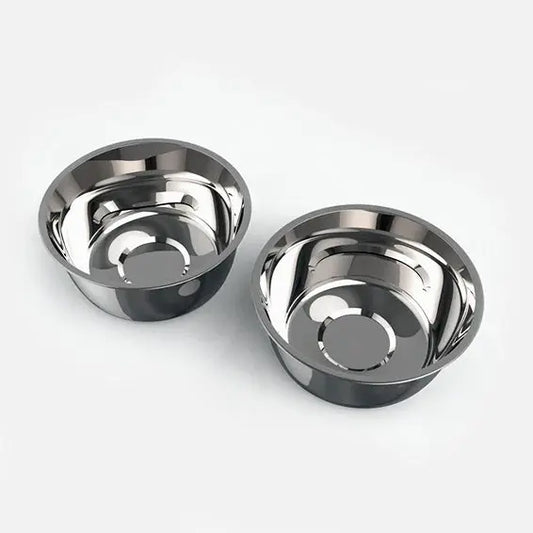


For most dogs, a food-grade stainless steel bowl sized to your dog’s daily water needs, cleaned every day, is the best dog water setup you can have. The American Kennel Club recommends stainless steel as the default material because its nonporous surface resists the scratches where bacteria hide, and a 2023 pet-dish hygiene study confirmed that both cleaning frequency and bowl material directly affect contamination risk.
Here is what you can do right now:
-
Inspect your current bowl for scratches, chips, or discoloration and replace it if any are present.
-
Switch to food-grade 304 or 316 stainless steel if you are still using plastic or a chipped ceramic bowl.
-
Set a daily cleaning cadence: dump, rinse, wipe, and refill every morning.
Two exceptions matter. Senior dogs, arthritic pets, and dogs with megaesophagus often benefit from an elevated feeder that reduces neck and joint strain. Large, deep-chested breeds such as Great Danes and Weimaraners, however, should be discussed with a vet before switching to a raised bowl, given a known association between elevated feeders and gastric dilatation-volvulus (GDV) in those breeds.
Table of Contents
-
Elevated bowls: who benefits, how to size them, and what to look for
-
Do water fountains actually increase drinking, and what maintenance do they need?
-
How much water does your dog need and how should you size the bowl?
-
Quick buying checklist before you purchase a dog water solution
-
Bearwoodessentials handcrafted elevated feeders for dogs that need the right height
Which type of dog water solution should you pick?
The four main categories each suit a different household situation.
Standard floor bowl — the simplest and most affordable option. A well-made stainless steel floor bowl is sufficient for most healthy adult dogs. Easy to clean, easy to replace, and no moving parts to maintain.
Elevated bowl or feeder — positions the bowl at chest or lower-neck height. Reduces the downward reach that strains joints and the neck, which is why the AVMA notes elevation offers ergonomic benefits for senior dogs, those with arthritis, and dogs with certain mobility issues. The AVMA notes ergonomic benefits for dogs with certain mobility conditions. Use with caution for large, deep-chested breeds; consult your vet first.
Circulating water fountain — uses a motorized pump and filter to keep water moving. Some dogs that ignore a still bowl will drink more from a fountain, but the AKC is clear that no population-level evidence shows fountains reliably increase drinking across all dogs. They help individuals with a preference for moving water, not every dog.
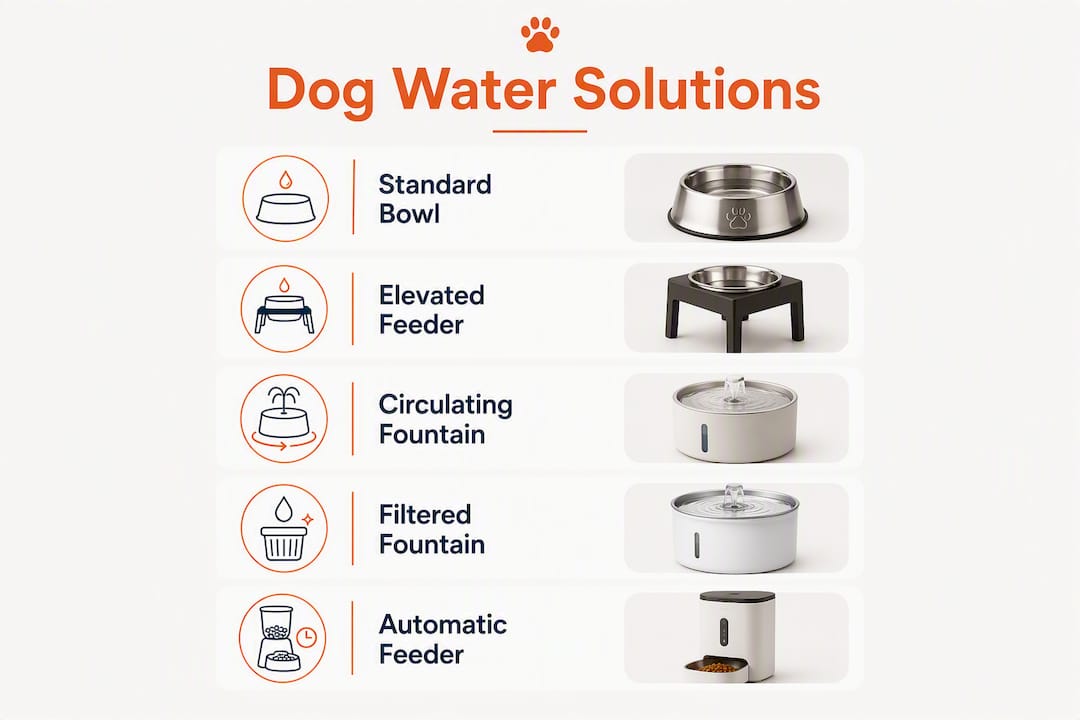
Automatic reservoir dispenser — gravity-fed or sensor-triggered units that refill a bowl from a reservoir. Useful for multi-pet homes or owners away for extended hours. The reservoir still needs regular cleaning; a large, neglected reservoir can harbor more bacteria than a small bowl cleaned daily.
Quick decision guide:
-
Healthy adult dog, single pet: start with a stainless steel floor bowl.
-
Senior, arthritic, or mobility-impaired dog: add an elevated feeder; check raised feeder benefits before buying.
-
Dog that ignores still water: trial a fountain side-by-side with the existing bowl for two weeks before committing.
-
Multi-pet home or long work hours: consider an automatic dispenser, but budget time for weekly reservoir cleaning.
Which bowl material is best for hygiene and durability?
Stainless steel is the hygienic default, and the reason is structural: its nonporous surface does not scratch easily, so bacteria have nowhere to anchor. NonToxicLab and veterinary practitioners specifically recommend food-grade 304 or 316 stainless steel, which resists corrosion and avoids leaching. Thin, low-grade stainless bowls are more likely to pit over time and trap residue, so grade matters.
Ceramic offers weight and visual appeal. A well-made, food-safe ceramic bowl with an intact glaze is a reasonable choice. The risks appear when the glaze chips: hairline cracks trap bacteria, and some lower-quality glazes contain heavy metals. Inspect ceramic bowls monthly and replace at the first sign of a chip.
Plastic is light and inexpensive, but it scratches easily. Those micro-scratches create a surface biofilm that a quick rinse will not remove. Older plastic formulas may also leach BPA or phthalates into your dog’s water over time.
Bowl inspection checklist before you buy or replace:
-
Confirm “food-grade 304” or “316 stainless steel” is stated on the product page or packaging.
-
Check that ceramic bowls carry a food-safe certification and show no glaze cracks.
-
Reject any plastic bowl that lacks a BPA-free label.
-
Verify the bowl is dishwasher-safe on the top rack.
-
Look for a weighted base or rubber-grip bottom to prevent tipping.
Pro Tip: Even within stainless steel, finish quality varies. Run a fingernail across the interior surface before buying: a smooth, mirror-like finish is far less hospitable to bacteria than a brushed or matte interior with micro-ridges.
Elevated bowls: who benefits, how to size them, and what to look for
Elevation is a targeted wellness tool, not a universal upgrade. The dogs that benefit most are seniors with arthritis, dogs recovering from neck or spine injuries, and those diagnosed with megaesophagus (where gravity-assisted swallowing is medically important). Denise Bozenski, founder of Revive & Thrive Canine Wellness, notes that feeding at the correct height supports posture and reduces joint stress at mealtime. For arthritic dogs especially, the daily comfort gain from a properly sized raised feeder is real and consistent.
Large, deep-chested breeds require a vet conversation first. A study by Glickman et al. (JAVMA, 2000), summarized by WebVet, found an association between raised feeders and increased GDV risk in large and giant breeds. The Purina Institute reinforces that raised feeders are a targeted therapeutic tool, not a routine recommendation for every large dog.
How to measure the right height:
-
Stand your dog on a flat surface.
-
Measure from the floor to the bottom of their chest (or just below the lower neck).
-
Subtract 2–4 inches from that measurement to find the target bowl rim height.
-
Approximate small dog bowl height is a few inches, medium dogs a moderate height, and large dogs a taller elevation; confirm exact sizing with your vet for specific health conditions. Confirm with your vet for dogs with specific health conditions.
For large breeds, precise height matters more, not less, because the GDV risk makes over-elevation a real concern.
Features to prioritize in an elevated feeder:
-
Non-slip rubber feet or a weighted base to prevent sliding.
-
Recessed bowl slots that hold the bowl securely during drinking.
-
Food-grade stainless steel replacement bowls that are dishwasher-safe.
-
Sturdy wood or metal construction with no sharp edges.
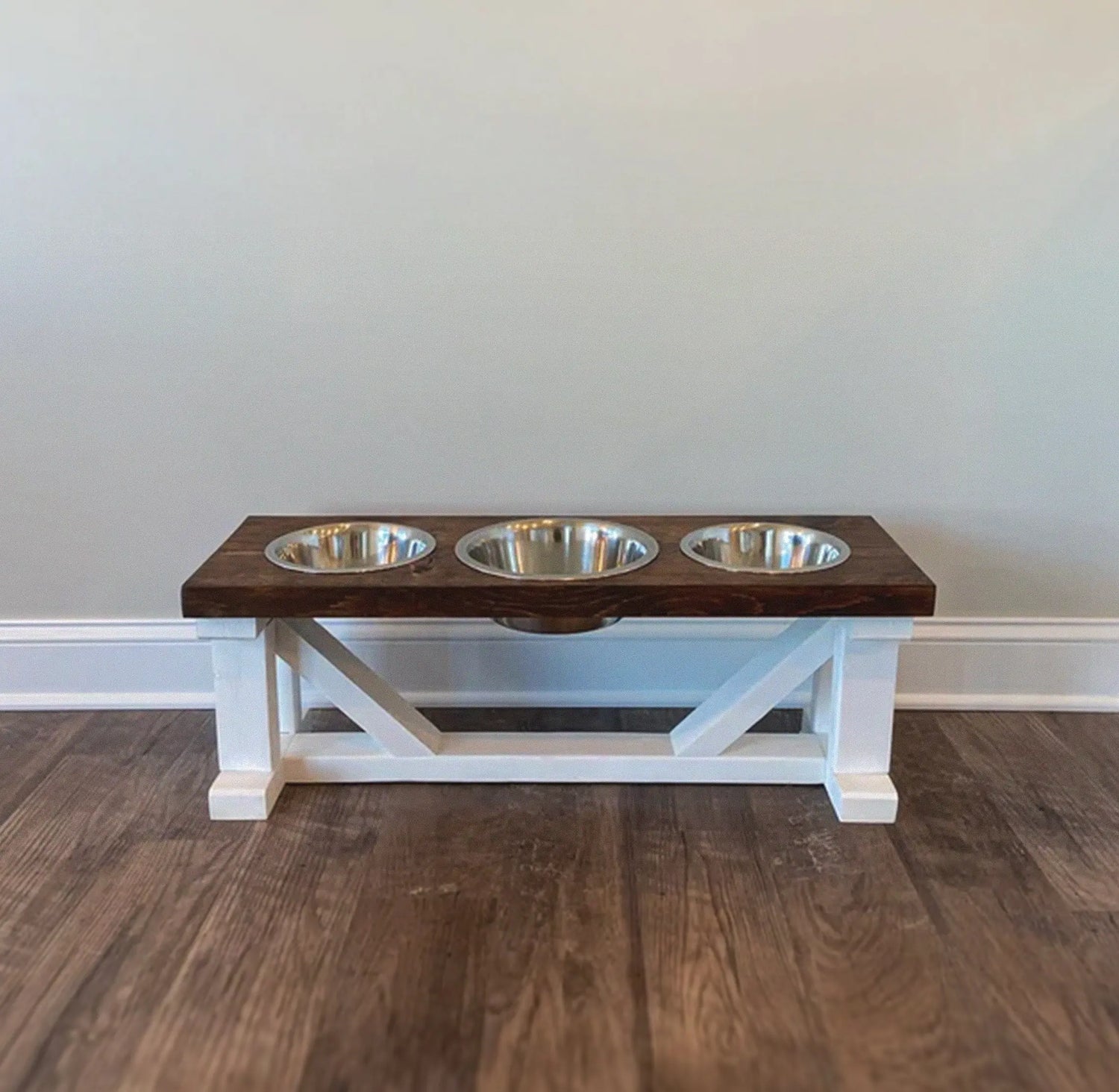
Bearwoodessentials handcrafts elevated feeders in wood and metal finishes with food-grade stainless steel bowls. They are a practical option for owners of senior or arthritic dogs who want stability and design in one piece.
Pro Tip: If your dog gulps water quickly, pair an elevated bowl with a slow-feeder insert or a wide, shallow bowl. Elevation reduces neck strain; a wider bowl reduces the speed of intake. For arthritic or senior dogs, this ergonomic adjustment offers meaningful daily comfort.
Do water fountains actually increase drinking, and what maintenance do they need?
Fountains can help dogs that already show a preference for moving or cooler water. The AKC is direct: fountains are a convenience that may benefit some individuals, not a guaranteed hydration fix. Before spending $40–$150 on a fountain, run a two-week side-by-side test with your dog’s current bowl to see whether drinking behavior actually changes.
The maintenance commitment is where most owners are caught off guard. The AKC and PawBench both note that a neglected fountain pump harbors more bacteria than a simple bowl cleaned daily.
| Task | Frequency | Notes |
|---|---|---|
| Surface rinse and water refill | Daily | Wipe drinking surfaces; dump and replace water |
| Full reservoir wash | Weekly | Hot soapy water or dishwasher-safe parts on top rack |
| Pump teardown and slime removal | Every 2 weeks | Disassemble pump; remove hair and biofilm manually |
| Filter replacement | Per manufacturer (typically 2–4 weeks) | Budget per filter varies; check availability before buying the unit |
Fountains are also worth considering for multi-pet homes where water turnover is high and fresh water is consumed quickly. For a single dog that drinks normally from a clean bowl, the added maintenance rarely justifies the cost.
How to keep your dog’s water safe every day
A clean simple bowl beats a neglected fountain every time. The AVMA’s 2023 pet-dish hygiene findings confirm that cleaning frequency matters as much as material.
Daily routine:
-
Dump any remaining water.
-
Rinse the bowl with hot water and wipe the interior with a clean cloth.
-
Refill with fresh water.
Weekly deep clean:
-
Wash the bowl in the dishwasher (top rack) or scrub with hot soapy water for at least 30 seconds.
-
Inspect for scratches, chips, or rust spots; replace the bowl if any are found.
-
For fountains: disassemble the reservoir, wash all parts, and check the pump for slime or hair buildup.
Safe cleaning supplies:
-
Unscented dish soap and hot water for routine cleaning.
-
A diluted white vinegar rinse (1 part vinegar to 3 parts water) to reduce mineral deposits and biofilm.
-
Avoid bleach-based cleaners unless rinsed extremely thoroughly; residue can irritate a dog’s digestive tract.
When to replace a bowl: immediately if you see rust, deep scratches, or glaze chips. No cleaning routine compensates for a structurally compromised surface.
Pro Tip: Place the water bowl on a silicone mat rather than directly on the floor. It catches splashes, reduces bacterial transfer from floor surfaces, and makes daily wipe-downs faster.
How much water does your dog need and how should you size the bowl?
A practical rule of thumb: dogs need roughly 1 ounce of water per pound of body weight per day under normal activity and temperature conditions. A dog needs roughly one ounce of water per pound of body weight daily, adjusted for activity and environment.
Bowl sizing by dog size:
-
Small dogs (under 25 lbs): a 20–32 oz bowl is sufficient; refill once or twice daily.
-
Medium dogs (25–60 lbs): a 32–64 oz bowl; refill at least once daily.
-
Large dogs (over 60 lbs): a 64 oz or larger bowl; consider two stations if the dog is very active or the home is large.
For multi-dog households, provide one bowl per dog plus one extra station. Dominant drinking behavior in multi-pet homes can leave a subordinate dog under-hydrated. A food storage container nearby keeps dry food fresh and organized, which simplifies the overall feeding station setup.
On water temperature and source quality: room-temperature or slightly cool water is fine for most dogs. Avoid ice-cold water after heavy exercise, as it can cause stomach cramping in some dogs. Tap water is safe in most U.S. municipalities; if your tap water has a strong chlorine taste or odor, a basic carbon filter pitcher improves palatability. Bottled water is unnecessary for most dogs. If your dog suddenly drinks significantly more or less than usual, consult your vet — changes in drinking patterns can signal kidney disease, diabetes, or other conditions.
Common safety issues with dog water and when to call a vet
Most water-related health risks are preventable with the right setup and a consistent cleaning routine.
Red-flag signs to watch for:
-
Rapid increase in water consumption (polydipsia) or sudden refusal to drink.
-
Foamy or discolored water in the bowl (may indicate contamination or a health issue).
-
Visible green or brown slime in the bowl or fountain reservoir.
-
Vomiting, lethargy, or bloated abdomen after drinking, especially in large breeds.
Safety hazards around water stations:
-
Unstable stands that tip and spill, creating a wet floor hazard and leaving your dog without water.
-
Outdoor bowls left in direct sun; water in a dark plastic bowl can reach temperatures that discourage drinking or promote bacterial growth.
-
Damaged ceramic bowls with exposed clay or cracked glaze, which can harbor bacteria or leach materials into the water.
-
Elevated feeders at incorrect heights for large, deep-chested breeds (see the GDV caution above).
Vet triage rule: if your dog’s drinking volume changes noticeably for more than 24–48 hours without an obvious cause (heat, exercise, diet change), schedule a veterinary appointment rather than waiting.
Quick buying checklist before you purchase a dog water solution
Use this checklist whether you are shopping online or in-store.
| Dimension | What to check |
|---|---|
| Best for (age/health) | Senior or arthritic dog? Prioritize an elevated feeder. Healthy adult? A stainless floor bowl works. |
| Material and hygiene | Confirm food-grade 304 or 316 stainless steel, or intact food-safe ceramic glaze. |
| Maintenance required | Can you commit to daily rinse + weekly deep clean? Fountain adds biweekly pump teardown. |
| Capacity | Match bowl volume to your dog’s daily water need (roughly 1 oz per lb of body weight). |
| Stability and anti-tip | Non-slip feet or rubber base; recessed bowl slots on elevated feeders. |
| Aesthetics and fit | Wood or metal finishes from makers like Bearwoodessentials blend function with home décor. |
Practical buying notes:
-
For fountains, check filter cost and availability before purchasing the unit; some brands use proprietary filters that are hard to source.
-
For elevated feeders, verify that replacement bowls are sold separately so you can swap them when needed. Bearwoodessentials offers replacement bowls compatible with their stands.
-
If elevation is needed for a large, deep-chested breed, confirm the height recommendation with your vet before ordering.
Key Takeaways
A food-grade stainless steel bowl, cleaned daily, is the right starting point for most dogs; elevation adds genuine value for seniors and arthritic pets, but large, deep-chested breeds need a vet’s input first.
| Point | Details |
|---|---|
| Default material choice | Food-grade 304 or 316 stainless steel resists scratches, bacteria, and corrosion better than plastic or ceramic. |
| Elevation is targeted, not universal | Senior, arthritic, and mobility-impaired dogs benefit most; large, deep-chested breeds carry a GDV risk that requires vet guidance. |
| Fountain trade-offs | Fountains may help dogs that prefer moving water, but require daily rinsing, weekly washing, and biweekly pump teardowns. |
| Cleaning cadence | Daily rinse and refill plus a weekly deep clean reduces contamination risk, per the 2023 AVMA pet-dish hygiene findings. |
| Bearwoodessentials elevated feeders | Handcrafted wood and metal feeders with food-grade stainless bowls; a practical option for owners of senior or arthritic dogs seeking stability and design. |
The part most buying guides skip
Most articles on dog water setups spend their energy comparing fountain brands or debating bowl shapes. The more useful question is simpler: are you actually going to clean it?
A stainless steel floor bowl cleaned every day will outperform a $120 fountain cleaned once a month. The 2023 AVMA pet-dish hygiene data makes this plain: material and frequency together determine contamination risk. Neither alone is enough.
The elevation debate follows the same logic. Owners of senior dogs often wait too long to make the switch because the ergonomic benefit seems minor. It is not. Reducing the daily neck and joint strain of reaching down to a floor bowl is a small, consistent comfort gain that compounds over months. For a dog with arthritis, that matters. At the same time, treating elevation as a universal upgrade for every large breed is where the risk enters. The Glickman et al. association with GDV in large, deep-chested breeds is not a reason to avoid elevated feeders entirely; it is a reason to have a five-minute conversation with your vet before buying one for a Great Dane.
The practical approach: start with the simplest, most hygienic setup you will actually maintain, then add complexity only when your dog’s health genuinely calls for it.
Bearwoodessentials handcrafted elevated feeders for dogs that need the right height
If your dog is a senior, arthritic, or simply more comfortable eating and drinking at a raised height, the feeder you choose should be as durable as the decision behind it. Bearwoodessentials builds elevated feeders by hand in wood and metal finishes, each fitted with food-grade stainless steel bowls that are easy to clean and built to last.
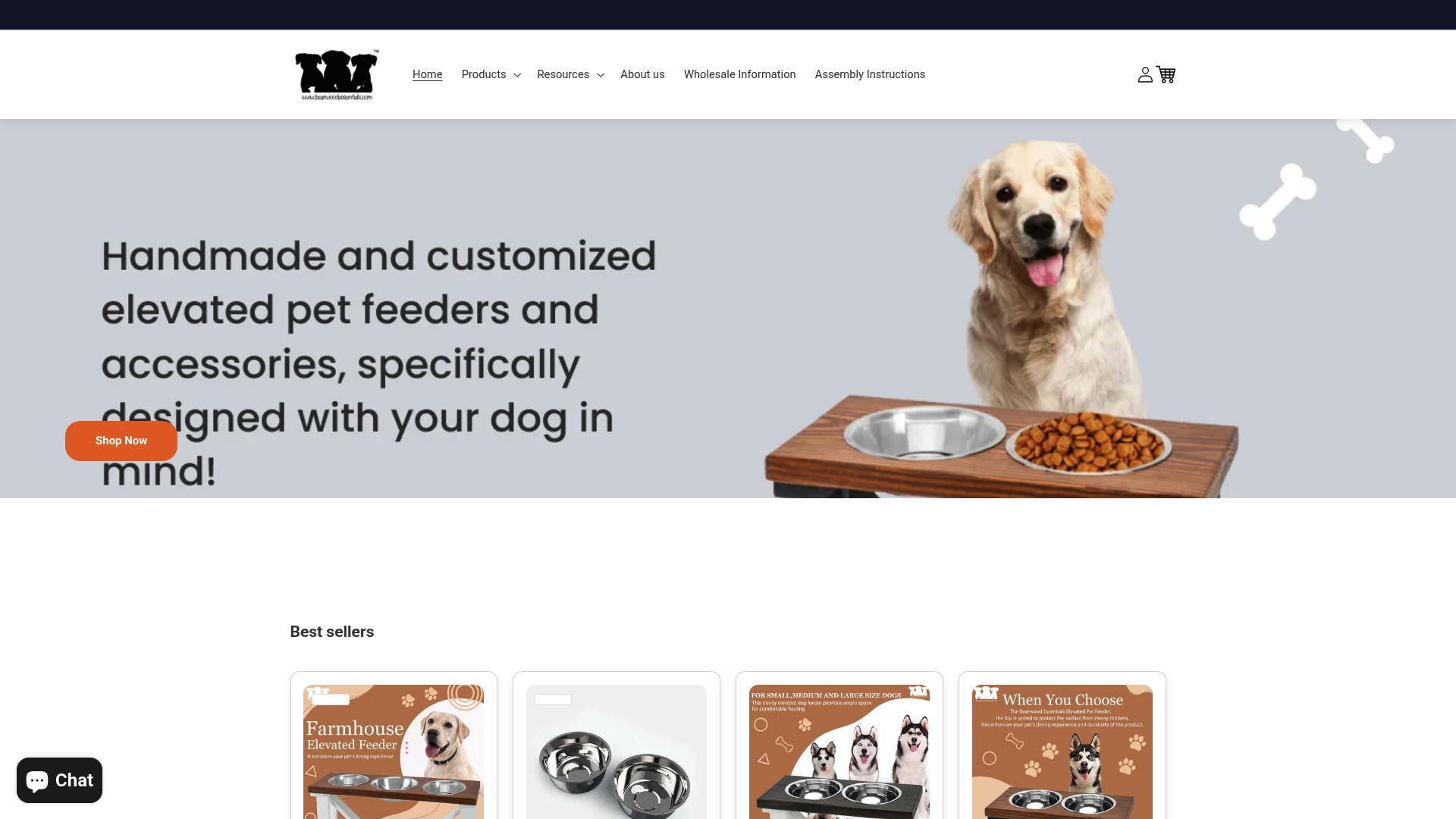
The handmade metal raised feeder and the wooden two-bowl stand are both designed with non-slip stability and recessed bowl slots, so the setup stays put during drinking. For owners who want to browse the full collection, the Bearwoodessentials shop carries single and double feeders in multiple sizes and finishes. If you are buying for a large, deep-chested breed, consult your vet on the correct bowl height before placing your order.
Sources and further reading
The research and guidance in this article draws from the following authoritative sources. For personalized advice, always consult your veterinarian.
-
American Kennel Club — Choosing the Right Dog Bowl: material comparisons, bowl types, and maintenance guidance.
-
American Kennel Club — Dog Water Fountains: evidence on fountain hydration benefits and maintenance realities.
-
American Veterinary Medical Association (AVMA): 2023 pet-dish hygiene study findings and ergonomic guidance for mobility-impaired dogs.
-
Purina Institute — Raised Feeders and Bloat Risk: guidance on GDV association and breed-specific caution for elevated feeders.
-
Bearwoodessentials — Educational Blog: practical guidance on raised feeders, ergonomics, and senior dog care.
This article is general information, not veterinary advice. Confirm any feeding or health changes with a licensed veterinarian, particularly for dogs with breed-specific risk factors or existing medical conditions.