
A feeder maintenance schedule is the structured routine pet owners follow to clean, inspect, and service their dog’s feeder at regular intervals, keeping it hygienic, functional, and safe. Think of it as a preventive care plan for one of the most used items in your dog’s daily life. Without a consistent plan, feeders accumulate bacteria, food residue, and mechanical wear that can compromise your dog’s health and the feeder’s reliability. This guide breaks down exactly what a feeder maintenance schedule involves, how to build one, and how to adapt it to your specific setup.
What is a feeder maintenance schedule for pet owners?
A feeder maintenance schedule is a tiered routine of daily, weekly, and monthly tasks designed to keep your dog’s feeder clean and mechanically sound. The industry term for this approach is preventive maintenance, and it applies just as directly to pet feeders as it does to commercial equipment. The three core pillars are cleaning, inspection, and calibration (or adjustment of any moving parts).
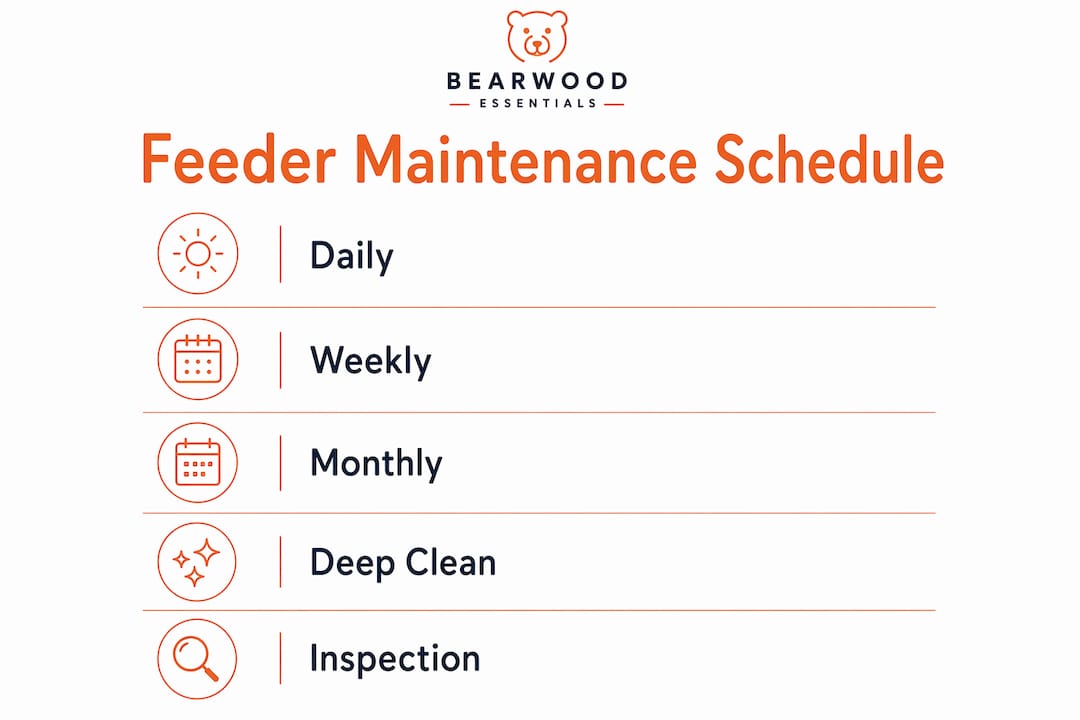
A well-structured schedule covers three time intervals. Daily tasks focus on hygiene and quick visual checks. Weekly tasks address deeper cleaning and any moving components. Monthly tasks involve a full inspection, part replacement if needed, and a check of feeder settings or mechanisms. Routine feeder care saves up to 20% on feed costs and extends feeder lifespan by 25% by preventing clogs and ensuring consistent flow. That kind of return makes a simple schedule one of the smartest habits you can build.
Pro Tip: Set a recurring phone reminder for your weekly deep clean. Pairing it with another weekly habit, like laundry day, makes it far easier to stay consistent.
What are the core tasks in a feeder maintenance checklist?
The feeder maintenance checklist below organizes tasks by frequency. Each level builds on the last, so daily habits protect the feeder between deeper weekly and monthly sessions.
Daily tasks
-
Remove any leftover food from bowls immediately after meals
-
Rinse stainless steel or ceramic bowls with warm water
-
Wipe down the feeder stand or base with a damp cloth
-
Do a quick visual inspection: check for cracks, loose parts, or unusual residue
Weekly tasks
-
Deep clean bowls with dish soap and hot water, then rinse thoroughly
-
Inspect any moving parts (hinges, lids, dispensing mechanisms) for wear or stiffness
-
Check for food buildup in corners, grooves, or under the bowl
-
Dry all components completely before reassembling to prevent mold growth
Monthly tasks
-
Conduct a full feeder inspection, including the stand, joints, and hardware
-
Replace worn or scratched bowls that can harbor bacteria in surface grooves
-
Verify that elevated feeder heights still match your dog’s current size and posture
-
Test any automated or timed dispensing mechanisms for accuracy
Deep cleaning reduces bacterial counts below 10³ CFU/cm², which is the threshold for safe food contact surfaces. Staying below that level protects your dog from foodborne illness caused by contaminated feeding equipment.
| Task | Frequency | Purpose |
|---|---|---|
| Rinse bowls | Daily | Remove food residue and bacteria |
| Visual inspection | Daily | Catch early signs of damage or buildup |
| Deep clean bowls and base | Weekly | Eliminate bacterial growth and odor |
| Inspect moving parts | Weekly | Prevent mechanical wear and stiffness |
| Full feeder inspection | Monthly | Identify worn parts and structural issues |
| Replace scratched bowls | Monthly or as needed | Prevent bacteria harboring in surface grooves |
How does a regular schedule prevent common feeder problems?
Skipping maintenance does not just mean a dirty bowl. It creates a chain of problems that affect your dog’s health and the feeder’s lifespan.
Bacterial contamination is the most immediate risk. Food residue left in bowls or feeder crevices becomes a breeding ground for harmful bacteria within hours. Systematic cleaning and inspection prevents premature breakdowns and improves uptime consistency, a principle that applies directly to pet feeders. A contaminated bowl can cause digestive upset, vomiting, or worse in dogs, especially puppies or senior pets with weaker immune systems.
Mechanical failure is the second major risk. Elevated feeders with adjustable heights, hinged lids, or dispensing mechanisms develop wear over time. Visual checks catch 90% of failures before they escalate into costly damage. Catching a loose bolt or a stiff hinge early takes 30 seconds to fix. Ignoring it can mean a collapsed stand or a jammed dispenser.
“Regular feeder maintenance is not just a mechanical task. It is a health risk mitigation strategy, ensuring consistent feeding and avoiding costly downtime.” — Feeder maintenance research
Clogging is a third common issue, particularly in automatic or gravity feeders. Food particles, moisture, and debris accumulate in dispensing channels and restrict flow. Weekly cleaning of these channels keeps food moving freely and prevents your dog from going without a meal. The importance of feeder maintenance becomes especially clear when you consider that a single missed cleaning can lead to mold growth inside a gravity feeder within 48 hours in warm weather.
How to tailor your schedule to your pet and environment
Not every feeder or household needs the same routine. The right feeder inspection schedule depends on three variables: feeder type, number of pets, and environment.
Indoor vs. outdoor feeders
Indoor feeders in climate-controlled spaces accumulate less dust and debris. A standard daily rinse and weekly deep clean is usually sufficient. Outdoor feeders face sun, rain, insects, and airborne debris. Feeders in dusty or humid environments require accelerated maintenance intervals by 30–50% due to faster mechanical drift. If your dog eats outside, plan on cleaning the bowl after every meal and doing a full wipe-down of the stand every three to four days.
Multi-pet households
More dogs mean more food contact, more saliva, and faster bacterial buildup. In a home with two or more dogs, daily bowl washing with soap (not just rinsing) is the right standard. Shared feeders carry a higher cross-contamination risk, so each dog should ideally have a dedicated bowl. The outdoor vs. indoor feeder differences also matter here: multi-pet outdoor setups need the most aggressive cleaning schedule of all.
Automated and smart feeders
Timed or automatic feeders have additional components: motors, sensors, hoppers, and dispensing tubes. Feeder cleaning intervals vary by component, with food contact surfaces needing daily attention, sensors every 10 days, and motors monthly. Follow the manufacturer’s disassembly instructions carefully to avoid damaging electronic parts during cleaning.
| Feeder Type / Environment | Bowl Cleaning | Full Inspection | Notes |
|---|---|---|---|
| Indoor, single dog | Daily rinse, weekly wash | Monthly | Standard schedule |
| Outdoor, single dog | After every meal | Every 2 weeks | Increase frequency in summer |
| Indoor, multi-dog | Daily wash with soap | Monthly | Separate bowls per dog |
| Outdoor, multi-dog | After every meal, daily wash | Weekly | Highest contamination risk |
| Automated feeder | Daily food contact surfaces | Monthly (all components) | Follow manufacturer guide |
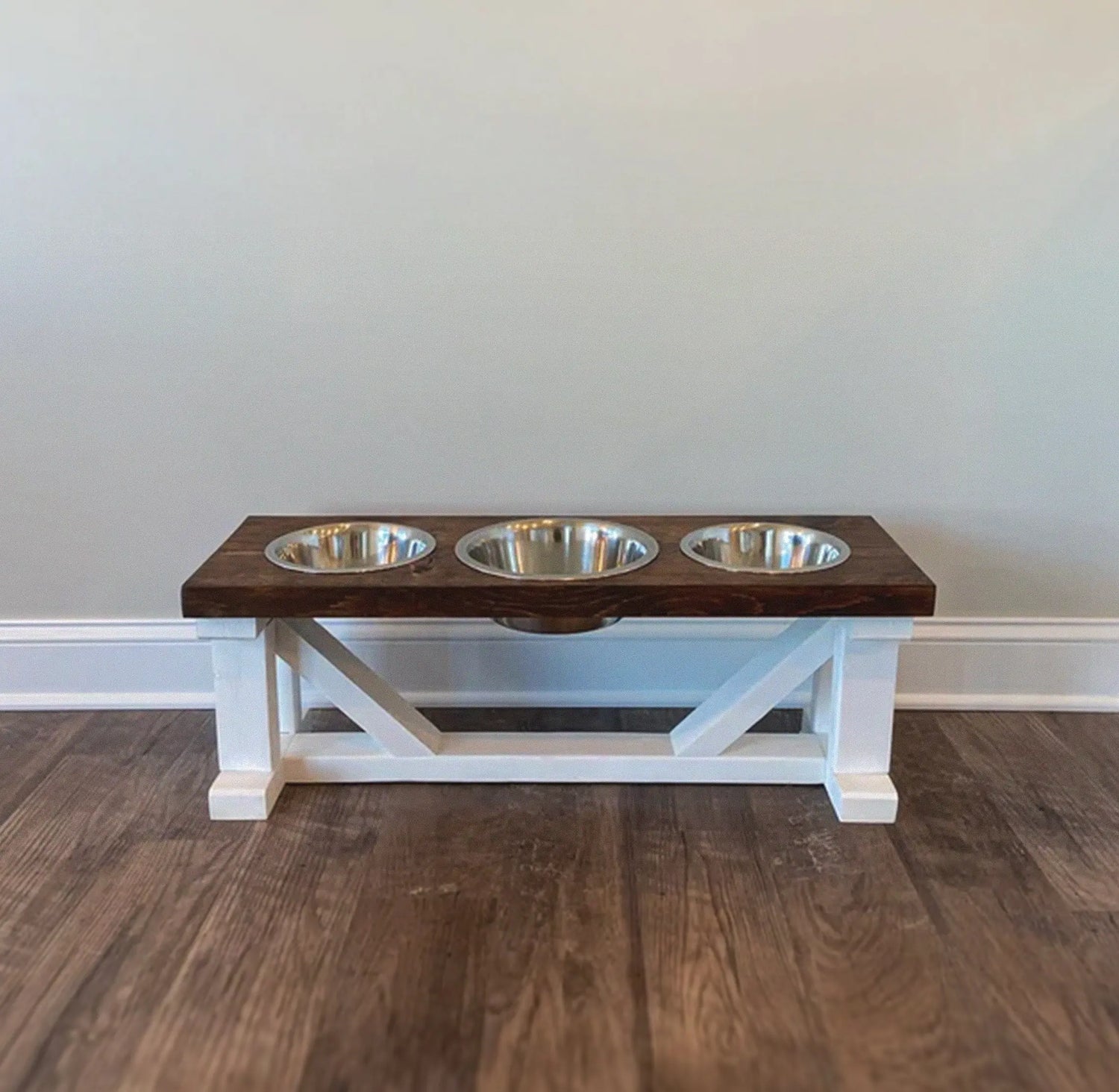
Pro Tip: If you have an elevated wooden feeder, apply a food-safe sealant once a year to protect the wood from moisture and make weekly cleaning faster and more effective.
What are the best practices for feeder upkeep?
Following a schedule is the foundation. These practices make that schedule more effective and protect your feeder long term.
-
Use the right cleaning agents. Dish soap and hot water handle most daily and weekly cleaning. For monthly deep cleans, a diluted white vinegar solution (one part vinegar to three parts water) removes mineral deposits and odor without leaving chemical residue. Avoid bleach on stainless steel bowls, as it can cause pitting over time.
-
Dry completely before refilling. Moisture trapped under a bowl or inside a feeder stand creates mold. After washing, air dry or towel dry all parts before reassembling. This single step prevents most mold-related issues.
-
Track condition, not just the calendar. Condition-based maintenance using performance baselines reduces over-servicing and accidental damage from unnecessary part replacements. If your feeder looks clean and functions well mid-week, you do not need to deep clean it early. If it smells or shows residue buildup, clean it immediately regardless of schedule.
-
Know the warning signs. Unusual odors, visible slime or discoloration inside the bowl, stiff or grinding mechanical parts, and food that clumps or fails to dispense are all signals that maintenance is overdue.
-
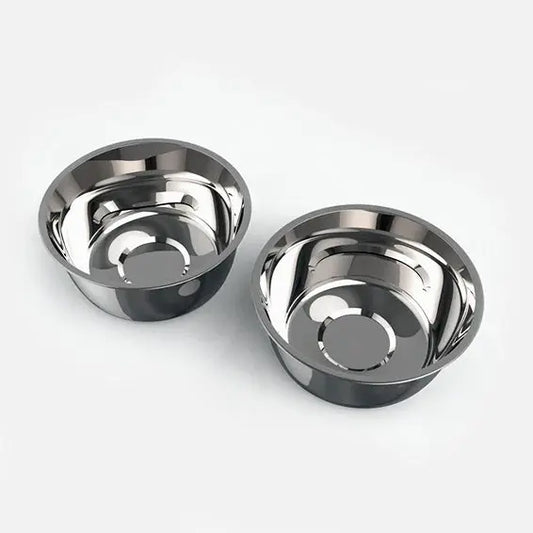
Rotate replacement bowls. Keeping a spare set of stainless steel bowls lets you swap them out during cleaning without interrupting your dog’s feeding routine. Bearwoodessentials offers replacement bowls that fit their elevated feeder stands, making rotation simple.
Embedding maintenance into daily routines eliminates expensive emergency repairs and maximizes feeder performance and lifespan. The habit itself matters as much as the specific tasks.
Key takeaways
A consistent feeder maintenance schedule is the single most effective way to protect your dog’s health and extend the life of your feeder.
| Point | Details |
|---|---|
| Schedule by frequency | Use daily, weekly, and monthly tasks to cover hygiene, inspection, and part checks. |
| Clean below bacterial thresholds | Deep cleaning keeps bacterial counts below 10³ CFU/cm² for safe food contact. |
| Adjust for environment | Outdoor and multi-pet setups need 30–50% more frequent cleaning than indoor single-pet use. |
| Track condition, not just dates | Clean when the feeder shows signs of buildup, not only when the calendar says so. |
| Replace worn parts promptly | Scratched bowls and loose hardware harbor bacteria and create safety risks. |
Why i think most dog owners underestimate feeder maintenance
I have spoken with a lot of dog owners over the years, and the pattern is almost always the same. They invest in a quality feeder, set it up carefully, and then treat it like a piece of furniture. A quick rinse here, a wipe there, and that is it for months.
The part that surprises people is how fast bacterial contamination builds up. A bowl that looks clean to the eye can carry enough bacteria to cause digestive problems within 24 hours of a meal, especially in warm kitchens. I started treating my dog’s feeder the same way I treat my own dishes, and the difference in odor and cleanliness was immediate.
The other mistake I see constantly is ignoring the feeder stand itself. People wash the bowl and forget the base, the joints, and the underside of the stand. Food splatter, water, and saliva collect in those spots and go unnoticed for weeks. A monthly full inspection, where you actually pick up the feeder and look at every surface, catches problems that a quick daily wipe never will.
My honest advice: start with just two habits. Wash the bowl with soap every single day, and do a full inspection once a month. Those two steps alone will put you ahead of most pet owners. Build from there as you get comfortable with the routine. Feeder care is not complicated. It just needs to be consistent.
— Kim
Feeders worth maintaining: Bearwoodessentials has you covered
Keeping a feeder clean is much easier when the feeder is designed with maintenance in mind. Bearwoodessentials handcrafts elevated dog feeders in wood and metal that are built for both durability and easy upkeep. Smooth surfaces, removable stainless steel bowls, and solid construction mean less time scrubbing and more time with your dog.
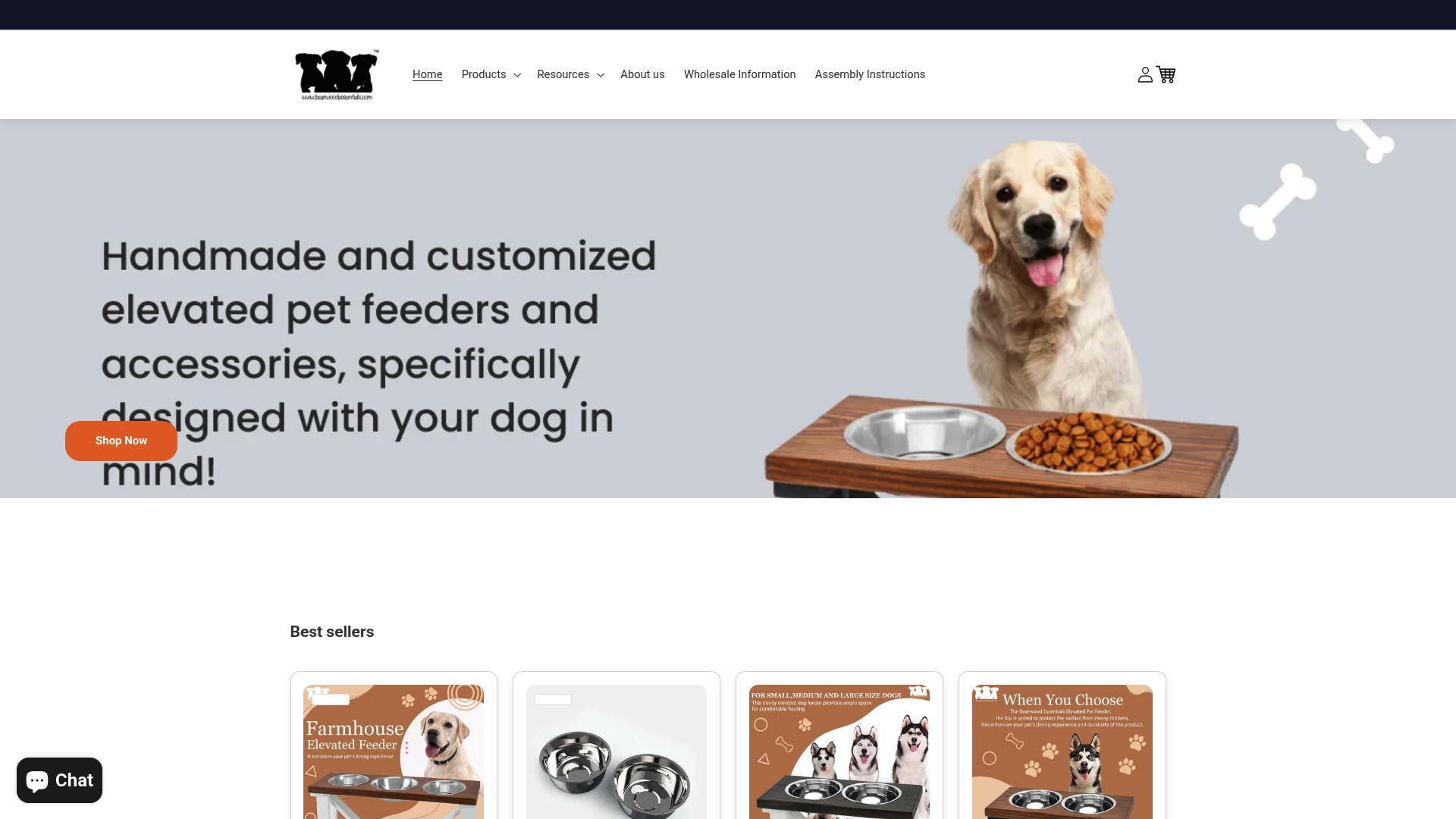
Whether you prefer the warmth of a wooden raised feeder with stainless steel bowls or the clean lines of a handmade metal feeder, Bearwoodessentials builds feeders that hold up to daily cleaning without losing their look. Browse the full collection at Bearwoodessentials and find a feeder that makes your maintenance routine as simple as possible.
FAQ
What is a feeder maintenance schedule for dogs?
A feeder maintenance schedule is a structured routine of daily, weekly, and monthly tasks covering cleaning, inspection, and part checks to keep your dog’s feeder hygienic and functional. It prevents bacterial contamination, mechanical failure, and food spoilage.
How often should i clean my dog’s feeder bowl?
Bowls should be rinsed daily and washed with soap and hot water at least once a day, especially after wet food. Monthly deep cleans with a diluted vinegar solution remove mineral buildup and odor.
Does feeder type affect how often i maintain it?
Yes. Automated feeders require component-level cleaning on different schedules, with food contact surfaces cleaned daily and motors checked monthly. Outdoor feeders need more frequent attention than indoor ones due to dust, humidity, and insects.
What are the signs that a feeder needs immediate cleaning?
Unusual odor, visible slime or discoloration inside the bowl, food that clumps or fails to dispense, and stiff or grinding mechanical parts all signal that cleaning is overdue regardless of your regular schedule.
Can i use bleach to clean my dog’s feeder?
Bleach is not recommended for stainless steel bowls because it causes surface pitting over time. Dish soap with hot water handles daily cleaning, and a diluted white vinegar solution works well for monthly deep cleans without damaging the bowl material.