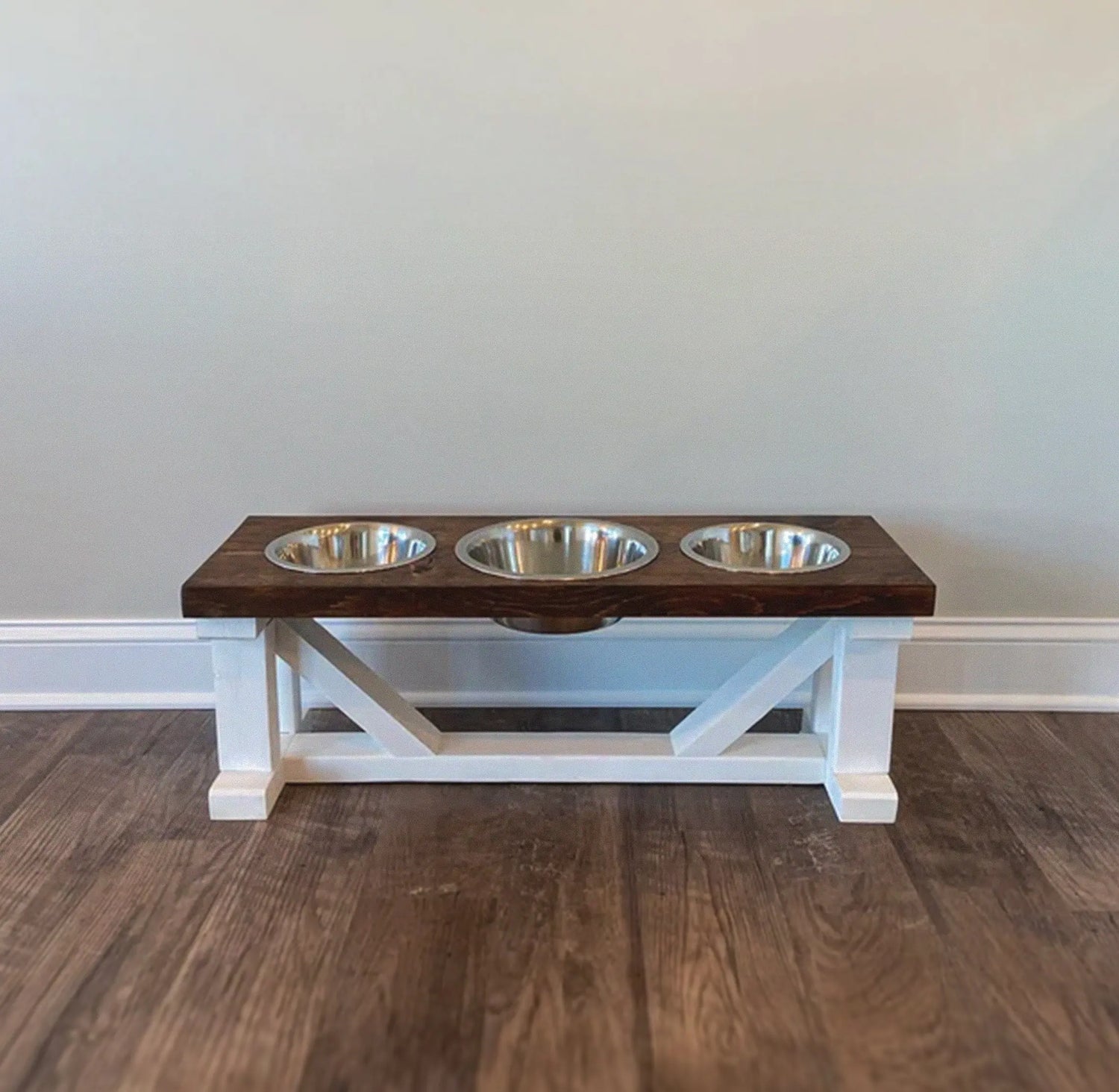


A pet feeding station for a small apartment is a compact, ergonomic setup that organizes your dog’s meals, reduces floor clutter, and supports joint health, all within a minimal footprint. Unlike a simple bowl on the floor, a purpose-built compact pet feeding area functions as furniture, storing food, accessories, and leashes while keeping your living space tidy. The best designs fit a 24-inch by 14-inch footprint and stand around 31.5 inches tall, making them practical for medium-sized dogs in tight quarters. If you share your apartment with a dog and struggle with scattered bowls and wasted floor space, the right feeding station solves both problems at once.
What size and design features make a pet feeding station ideal for small apartments?
The right size is the first decision you make, and it determines everything else. Furniture-style feeding stations designed for small spaces typically measure 24"L x 14"W with heights ranging from 31 to 32.25 inches. That footprint is smaller than most nightstands, which means it fits beside a kitchen counter, in a hallway nook, or against a living room wall without eating up valuable floor space.
Why height matters for your dog’s health
Raised bowls at around 31.5 inches tall are ergonomically optimized for medium-sized dogs. Eating from a raised surface reduces neck and joint strain during meals, which matters most for dogs in apartments where they get less natural movement throughout the day. You can read more about the mechanics behind this in Bearwoodessentials’ guide on how raised feeders reduce strain in dogs.
Multi-functional design: more than just a feeder
The best apartment pet food stations double as furniture. Many furniture-grade models support countertop loads of up to 44 lbs, which means you can use the top surface as an end table or plant stand. Built-in cabinetry below the bowls stores a bag of kibble, treats, and cleaning supplies. Side hooks keep leashes and waste bags within arm’s reach, so your entryway stays clear.
| Feature | Why it matters in a small apartment |
|---|---|
| 24"L x 14"W footprint | Fits beside counters or in hallway nooks without blocking traffic |
| 31–32" bowl height | Reduces neck and joint strain for medium-sized dogs |
| 44 lb countertop capacity | Doubles as an end table, saving furniture space |
| Built-in cabinet storage | Keeps food, treats, and accessories off the floor |
| Side hooks | Organizes leashes and bags without extra wall hardware |
Pro Tip: Measure the exact wall or corner space before ordering. A station that fits on paper but blocks a cabinet door or foot traffic path creates daily frustration in a small apartment.
How to select and set up a compact pet feeding station in your apartment
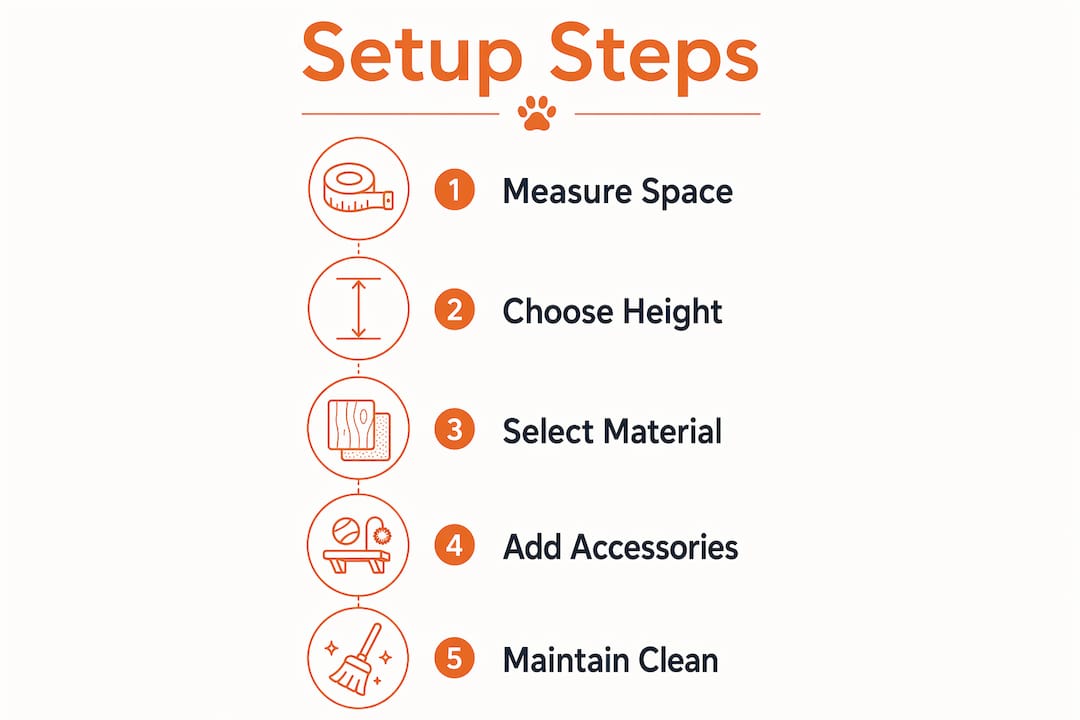
Choosing the right small space pet feeder takes more than picking the smallest option. You need to match the station’s height to your dog’s shoulder height, confirm the footprint fits your intended spot, and plan for assembly before the box arrives.
Selection criteria
-
Measure your dog’s shoulder height. The bowl rim should sit at roughly your dog’s chest level. For most medium-sized dogs, a stand between 28 and 32 inches works well.
-
Check the footprint against your floor plan. Use painter’s tape to mark the station’s dimensions on the floor before you order. This prevents surprises on delivery day.
-
Confirm material and finish match your interior. A black MDF cabinet blends with modern apartments. A wood-finish stand suits warmer, Scandinavian-style interiors.
-
Look for removable, dishwasher-safe bowls. Bowls you can pull out and clean in 30 seconds make daily maintenance realistic, not aspirational.
-
Check the assembled weight. Many furniture-style stations weigh 40 lbs or more once built. That weight makes repositioning difficult, so your first placement needs to be your final one.
Setup tips for apartment layouts
-
Assemble the station in the room where it will live. Carrying a fully built, 40-lb cabinet through a narrow hallway is harder than it sounds.
-
Place the station on a spillproof mat before setting the bowls in. Repositioning the mat later without moving the station is nearly impossible.
-
Keep the station away from high-traffic paths. A corner beside the kitchen or a dedicated wall in the living room works better than the center of a room.
-
If your apartment has hard floors, add rubber feet or a non-slip mat under the station to prevent any sliding during feeding.
Pro Tip: Check out Bearwoodessentials’ article on why feeder footprint matters before finalizing placement. It covers corner versus wall positioning in detail and helps you avoid the most common setup mistakes.
What are the best materials and finishes for apartment pet feeding stations?
Material choice shapes how long your station lasts, how easy it is to clean, and whether it looks like pet furniture or a natural part of your home.
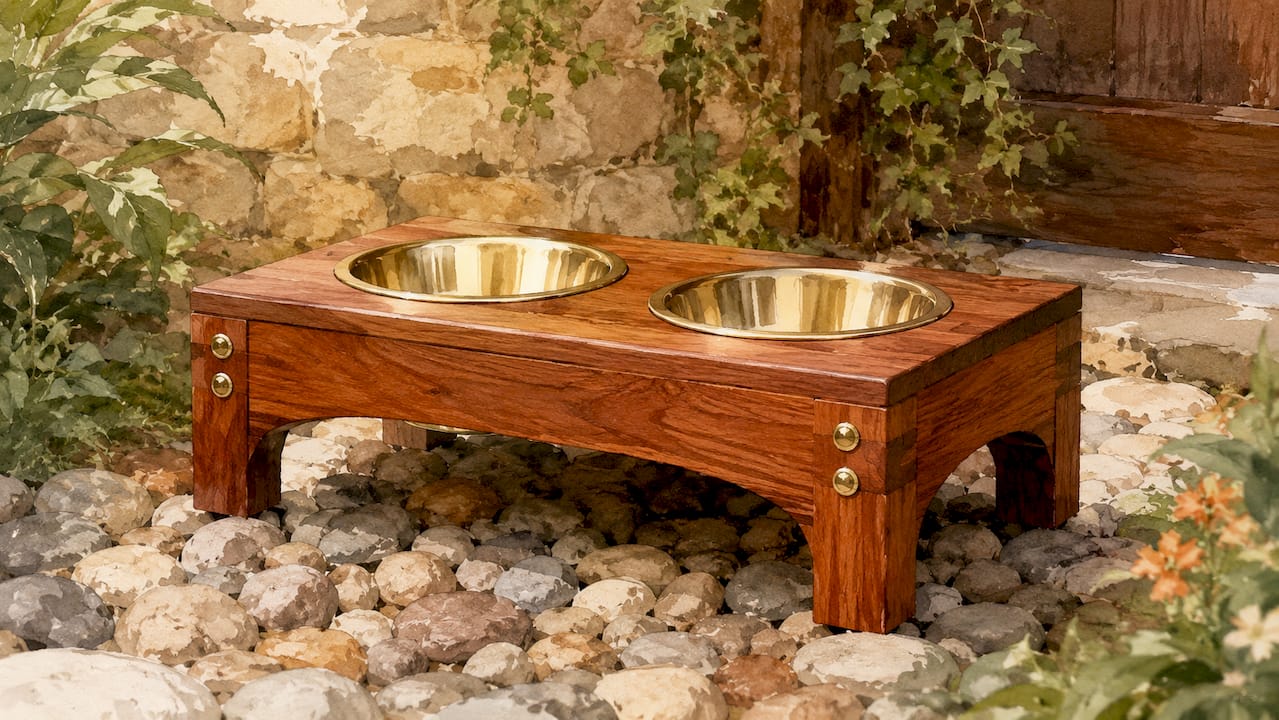
MDF (medium-density fiberboard) is the most common material in furniture-grade feeding stations. It resists warping, holds paint and laminate well, and supports a durable, low-maintenance finish that wipes clean with a damp cloth. The trade-off is weight. MDF stations are heavier than solid wood alternatives of the same size, which limits how often you can move them.
Solid and furniture-grade wood offers a warmer aesthetic and is lighter per volume than MDF. Hardwoods like oak and maple hold up well to daily use and can be refinished if scratched. Bearwoodessentials specializes in handcrafted wooden feeders that prioritize both durability and visual appeal, making them a natural fit for apartment owners who care about interior design.
Metal stands are the lightest option and work well for pet owners who need to move the feeder regularly. A metal elevated stand with stainless steel bowls is easy to wipe down and resists odors better than wood. The downside is limited storage. Most metal stands offer no cabinetry, so you need separate food storage.
Key material considerations for apartment pet dining setups:
-
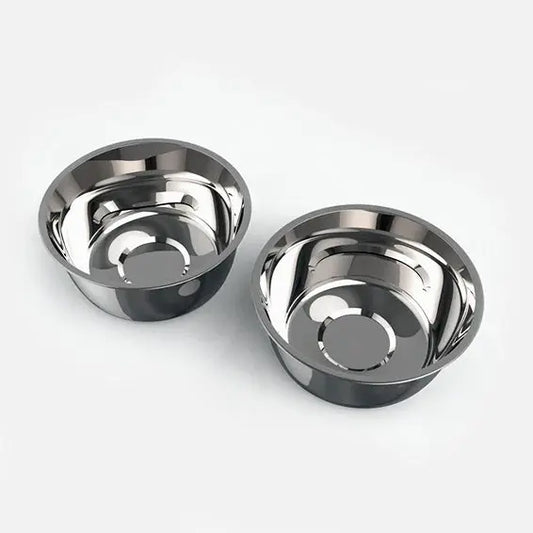
Choose dishwasher-safe stainless steel bowls regardless of the stand material. They sanitize completely and resist bacterial buildup better than plastic.
-
Matte and satin finishes hide paw prints and water splashes better than high-gloss surfaces.
-
Avoid raw, unsealed wood near water bowls. Repeated moisture exposure causes swelling and warping over time.
-
If you rent, opt for finishes that match neutral apartment palettes (black, white, natural wood tones) so the station looks intentional, not out of place.
For creative ideas on how to match your feeder to your interior, Bearwoodessentials covers unique feeding station styles that work across different apartment aesthetics.
How to maintain and keep your pet feeding station clean in small spaces
A clean feeding station is not a weekend project. It is a two-minute daily habit that prevents odor, bacteria, and floor damage from building up in a small apartment.
The single most effective tool for mess control is a silicone spillproof mat placed directly under the bowls. These mats have raised edges that catch water and food debris before it reaches your floor. The non-slip base keeps bowls from sliding during enthusiastic eating. Combining a spillproof mat with your feeding station is the most reliable way to protect hardwood or tile floors in an apartment.
Pro Tip: Pull the bowls out and rinse them every evening. It takes 60 seconds and prevents the biofilm buildup that causes that persistent “dog bowl smell” in small spaces.
Daily and weekly maintenance habits that actually work:
-
Daily: Remove bowls, rinse with hot water, and wipe the mat with a damp cloth.
-
Weekly: Run stainless steel bowls through the dishwasher. Wipe down the cabinet exterior with a mild cleaner.
-
Monthly: Check the cabinet interior for crumbs and spilled kibble. Empty and wipe it out completely.
-
Ongoing: Use a pet food storage container inside the cabinet to keep kibble fresh and prevent pests. A sealed container also stops food odors from spreading through a small apartment.
Side hooks on the feeding station keep leashes, waste bags, and even a small towel for paw wipes organized and off the floor. This one feature eliminates the need for a separate hook rack near your door, which matters when every inch of wall space counts.
Key takeaways
A compact, furniture-style pet feeding station is the most space-efficient way to support your dog’s health and keep your apartment organized.
| Point | Details |
|---|---|
| Optimal footprint | Choose a station around 24"L x 14"W to fit apartment nooks without blocking traffic. |
| Ergonomic height | A bowl height of 31–32 inches reduces neck and joint strain for medium-sized dogs. |
| Multi-functional value | Stations with 44 lb countertop capacity double as end tables, saving furniture space. |
| Plan placement first | Stations weigh 40+ lbs assembled, so choose your spot before you build. |
| Spillproof mat is non-negotiable | A silicone mat with raised edges protects floors and keeps bowls from sliding. |
What I’ve learned from living with a pet feeding station in a small apartment
The conventional advice is to buy the smallest feeder you can find. I disagree. In a small apartment, a compact but multi-functional station actually takes up less effective space than a simple floor bowl setup, because it consolidates food storage, accessories, and the feeding area into one footprint instead of three.
The health argument for elevation is real, not marketing. I noticed a clear difference in my dog’s posture and eating pace after switching from a floor bowl to a raised feeder at chest height. Dogs in apartments move less than dogs with yards, so reducing mealtime strain matters more, not less.
The one thing most guides skip is placement planning. I made the mistake of assembling a 40-lb cabinet in the wrong room and then had to dismantle it to move it. Tape out the dimensions on your floor first. Sit with it for a day. Make sure it does not block a cabinet, a door swing, or a natural walking path before you commit.
Mess management is where most pet owners give up on a tidy feeding area. The spillproof mat is not optional. Without it, water and kibble spread across hard floors within a week, and cleaning becomes a daily chore instead of a quick wipe. With it, the whole setup stays contained and your floors stay clean.
— Kim
Bearwoodessentials’ picks for compact apartment feeding setups
Bearwoodessentials builds elevated feeders and accessories specifically for pet owners who want function and craftsmanship in the same product.
The Small Single Feeder P901 is designed for apartments where floor space is limited but your dog’s comfort is not negotiable. For mess control, the unspillable stainless steel bowl pairs directly with elevated stands and cleans in seconds. If you need replacement bowls for an existing station, Bearwoodessentials carries easy-clean replacement bowls built to fit standard feeder stands. Every product ships free within the U.S. on qualifying orders, so building out your full feeding setup costs less than you expect.
FAQ
What is a pet feeding station for small apartments?
A pet feeding station for a small apartment is a compact, elevated feeder that organizes your dog’s bowls, food storage, and accessories in one unit. The best designs measure around 24"L x 14"W and stand 31–32 inches tall.
How high should a dog feeding station be in an apartment?
Bowl height should align with your dog’s chest level. For medium-sized dogs, a 31.5-inch stand reduces neck and joint strain during meals.
What materials work best for an apartment pet food station?
MDF and furniture-grade wood are the most common choices. MDF resists warping and cleans easily. Solid wood is lighter and can be refinished. Stainless steel bowls are the best option for hygiene regardless of stand material.
How do I keep a pet feeding station clean in a small space?
Place a silicone spillproof mat under the bowls to catch water and food debris. Rinse stainless steel bowls daily and run them through the dishwasher weekly.
Can a pet feeding station double as furniture in an apartment?
Yes. Furniture-style stations with a countertop capacity of around 44 lbs work as end tables. Built-in storage and side hooks replace the need for separate pet supply organizers, which saves space in a small home. For more ideas, Bearwoodessentials covers elevated feeding best practices updated for 2026.