
What does ergonomic bowl mean for pet feeding?
An ergonomic pet bowl is a feeding dish specifically designed to support your pet’s natural posture during meals, reducing physical strain on the neck, spine, and joints. Unlike a standard floor bowl, it combines precise height, tilt angle, and bowl shape to work with your pet’s body rather than against it. The word “ergonomic” comes from the Greek root ergon, meaning work, and refers to designing tools that reduce strain on the body during use.
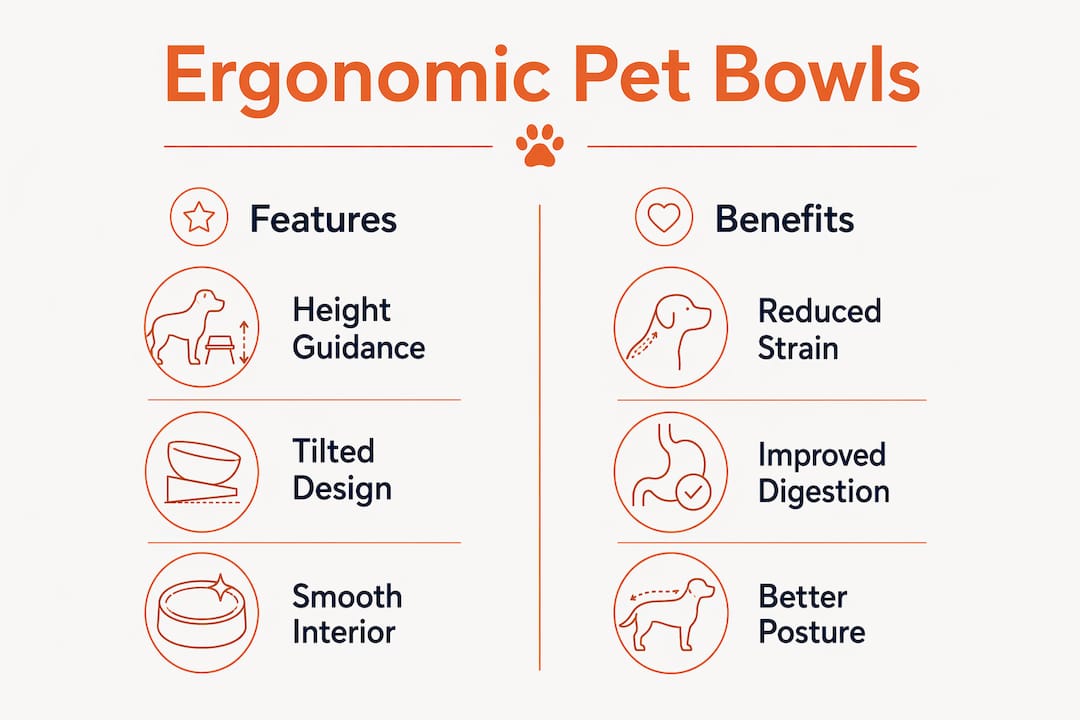
True ergonomic design goes well beyond simply raising a bowl off the floor. A genuinely ergonomic pet bowl accounts for:
-
Height alignment: The bowl sits at or near your pet’s chest height, so the neck stays neutral rather than bent downward.
-
Tilt angle: A slight forward tilt guides food toward the pet naturally, reducing effort and awkward head positioning.
-
Bowl shape: Shallow, wide, or sloped interiors reduce feeding effort and minimize whisker discomfort, especially in cats.
-
Material: Food-safe surfaces that are easy to clean and durable enough for daily use.
-
Stability: A weighted or non-slip base prevents the bowl from sliding during meals.
Standard floor bowls force pets to stoop and crane their necks with every bite. A simple raised bowl improves height but may still lack the tilt or shape features that complete the ergonomic picture. The distinction matters because marketing often labels raised bowls as ergonomic when they only address elevation, not the full design equation.
How ergonomic bowls protect your pet’s health and posture
The most direct benefit of an ergonomic bowl is reduced neck and back strain. When pets eat from ground-level dishes, they bend their necks and hunch their bodies repeatedly, meal after meal. Elevated feeders reduce the need to stoop, which protects posture over time and is especially important for pets already dealing with mobility challenges.

Better posture during eating also supports digestion. When a pet’s spine stays aligned, food moves more naturally through the esophagus, and neutral spinal alignment during eating can reduce regurgitation and swallowing difficulties. For pets prone to gulping food too fast, a sloped or wide bowl interior slows the pace slightly by spreading food across a larger surface area.
Key health benefits of ergonomic pet bowls include:
-
Reduced neck and back strain from eliminating the need to bend low at every meal
-
Improved digestion through better spinal alignment during eating
-
Joint relief for senior pets or those with arthritis who struggle to reach floor-level bowls
-
Easier swallowing due to a more natural head and neck position
-
Reduced post-meal discomfort, particularly in older animals with stiffness
Pro Tip: If your pet regularly walks away mid-meal, stretches their neck awkwardly, or seems reluctant to finish food, the bowl height or shape may be the culprit. Try adjusting the height to align with your pet’s chest before assuming a health issue.
Understanding why flat bowls cause discomfort in dogs makes the case for ergonomic design even clearer.
Ergonomic bowls vs. elevated bowls: what’s the real difference?
Pet owners often use “ergonomic” and “elevated” interchangeably, but they describe different things. An elevated bowl is simply any bowl raised off the ground, whether by a few inches or several. An ergonomic bowl is a specific design standard that includes height, tilt, and shape working together.
Here is where they diverge:
-
Elevated bowls vary widely in height and design. Some are little more than a platform that lifts a standard bowl a few inches. They improve posture compared to floor feeding but do not guarantee comfort.
-
Ergonomic bowls require precise height and shape matched to pet size. Improper height can cause more harm than a floor bowl by forcing the pet to reach up awkwardly.
-
Tilt and bowl shape are the features that separate ergonomic design from mere elevation. A tilted bowl guides food naturally; a sloped interior reduces feeding effort.
-
Not all elevated bowls are ergonomic. A raised bowl with a deep, narrow interior can still cause whisker fatigue in cats or force a dog to strain forward.
The practical takeaway: look for a feeder that specifies height guidance for your pet’s size, includes a tilt or sloped bowl option, and uses a wide, shallow bowl profile rather than a deep cylinder.
Which pets benefit most from ergonomic feeding solutions?
Not every pet needs an ergonomic bowl, but certain conditions make one genuinely worthwhile. Veterinarians recommend ergonomic bowls especially for the following:
-
Senior pets whose joints and muscles have stiffened, making floor-level feeding uncomfortable
-
Dogs and cats with arthritis or other mobility issues that make bending painful
-
Brachycephalic breeds (flat-faced dogs like Bulldogs and French Bulldogs, or cats like Persians) that already struggle with breathing and swallowing
-
Pets with digestive problems or a history of regurgitation after meals
-
Large and giant dog breeds whose long necks and tall frames make floor bowls a daily strain
-
Post-surgical or recovering pets who need reduced physical effort during feeding
Individual preference also plays a role. Some pets take to an ergonomic setup immediately; others need a gradual transition. Watching your pet’s posture and comfort during the first few meals tells you more than any general guideline. For pets with joint conditions, the connection between arthritic dogs and floor bowls explains why the switch often brings visible relief.
How to choose the right ergonomic pet bowl setup
Selecting the right ergonomic bowl comes down to matching the design to your specific pet’s size, health, and eating habits. Follow these steps and criteria:
-
Measure your pet’s standing height at the chest. The bowl’s rim should sit roughly at that level, allowing the neck to stay level or slightly lowered, never strained upward.
-
Choose the right tilt and shape. A shallow, wide bowl works well for most dogs and cats. Cats with whisker sensitivity benefit from a wide, flat profile. Sloped interiors guide food to a central point, easing feeding effort for pets with limited mobility.
-
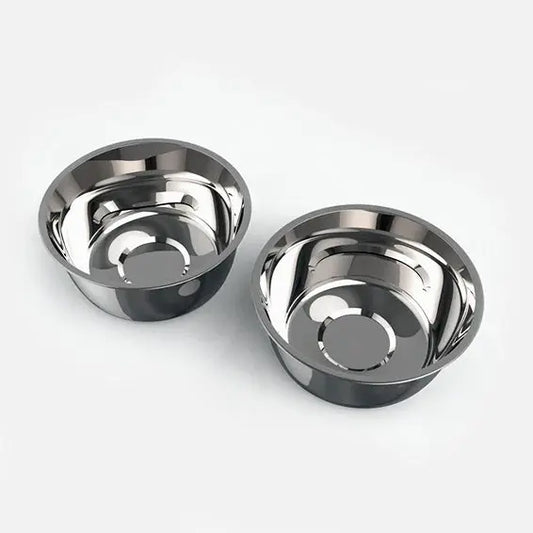
Select the right material. Stainless steel resists bacteria, is dishwasher safe, and holds up to daily use. Ceramic is heavier and stable but can chip. Plastic is lightweight but scratches easily, and scratches harbor bacteria over time.
-
Check stability. A non-slip base or weighted stand prevents the bowl from sliding during vigorous eating. Spills are not just messy; they can make a pet reluctant to return to the bowl.
-
Test and adjust. Set up the bowl, watch your pet eat for a few meals, and look for signs of comfort: a relaxed neck, steady eating pace, and a clean bowl at the end.
For a detailed look at bowl shapes and their specific advantages, Bearwoodessentials has a practical ergonomic bowl shapes guide worth bookmarking. If you are considering a cat-specific setup, the Desco Cat Feeder with porcelain bowls from TheMeowPicks offers a veterinary-recommended option designed with both height and bowl shape in mind.
Pro Tip: For cleaning, choose bowls with smooth interiors and no deep crevices. Stainless steel and glazed ceramic wipe clean quickly and go straight into the dishwasher, which matters more than you might expect for preventing bacterial buildup between meals.
What veterinary experts say about ergonomic bowls in 2026
The veterinary community broadly supports ergonomic feeding for pets with specific health needs, though guidance comes with nuance. Denise Bozenski, founder of Revive & Thrive Canine Wellness, states that “elevating bowls can reduce strain on your dog’s neck and joints”, particularly for senior dogs and those with arthritis.
Current expert perspectives include:
-
Strong support for senior and arthritic pets: Most veterinary professionals agree that ergonomic or elevated bowls reduce discomfort for pets with mobility limitations.
-
Endorsement for brachycephalic breeds: Flat-faced dogs and cats face structural feeding challenges that a tilted, wide bowl can meaningfully address.
-
Caution for healthy, young pets: Veterinary sources urge caution and note that ergonomic bowls are not a universal solution. Pet preference matters, and not every animal benefits equally.
-
Design details beyond elevation: Experts increasingly emphasize that bowl shape and tilt matter as much as height. A raised bowl with a deep, narrow profile may not deliver the posture benefits owners expect.
-
No large-scale clinical trials yet: Definitive population-wide studies are still lacking, but clinical observations and anatomical reasoning consistently support ergonomic feeding for at-risk pets.
The consensus in 2026 is practical: if your pet has mobility issues, joint pain, or a flat face, an ergonomic bowl is a low-risk, high-reward adjustment. For healthy pets without these conditions, it remains a comfort upgrade rather than a medical necessity.
Key Takeaways
Ergonomic pet bowls combine height, tilt, and bowl shape to support natural posture, reduce strain, and improve digestion, making them most valuable for senior, arthritic, or flat-faced pets.
| Point | Details |
|---|---|
| Ergonomic vs. elevated | Not all raised bowls are ergonomic; true ergonomic design includes height, tilt, and bowl shape together. |
| Core health benefit | Neutral spinal alignment during eating reduces neck strain and can lower the risk of regurgitation. |
| Best candidates | Senior pets, arthritic dogs and cats, brachycephalic breeds, and pets with digestive issues benefit most. |
| Material choice | Stainless steel offers the best balance of hygiene, durability, and ease of cleaning for daily use. |
| Expert stance | Vets support ergonomic bowls for at-risk pets but note they are not a universal solution for every animal. |
Ready to upgrade your pet’s feeding setup?
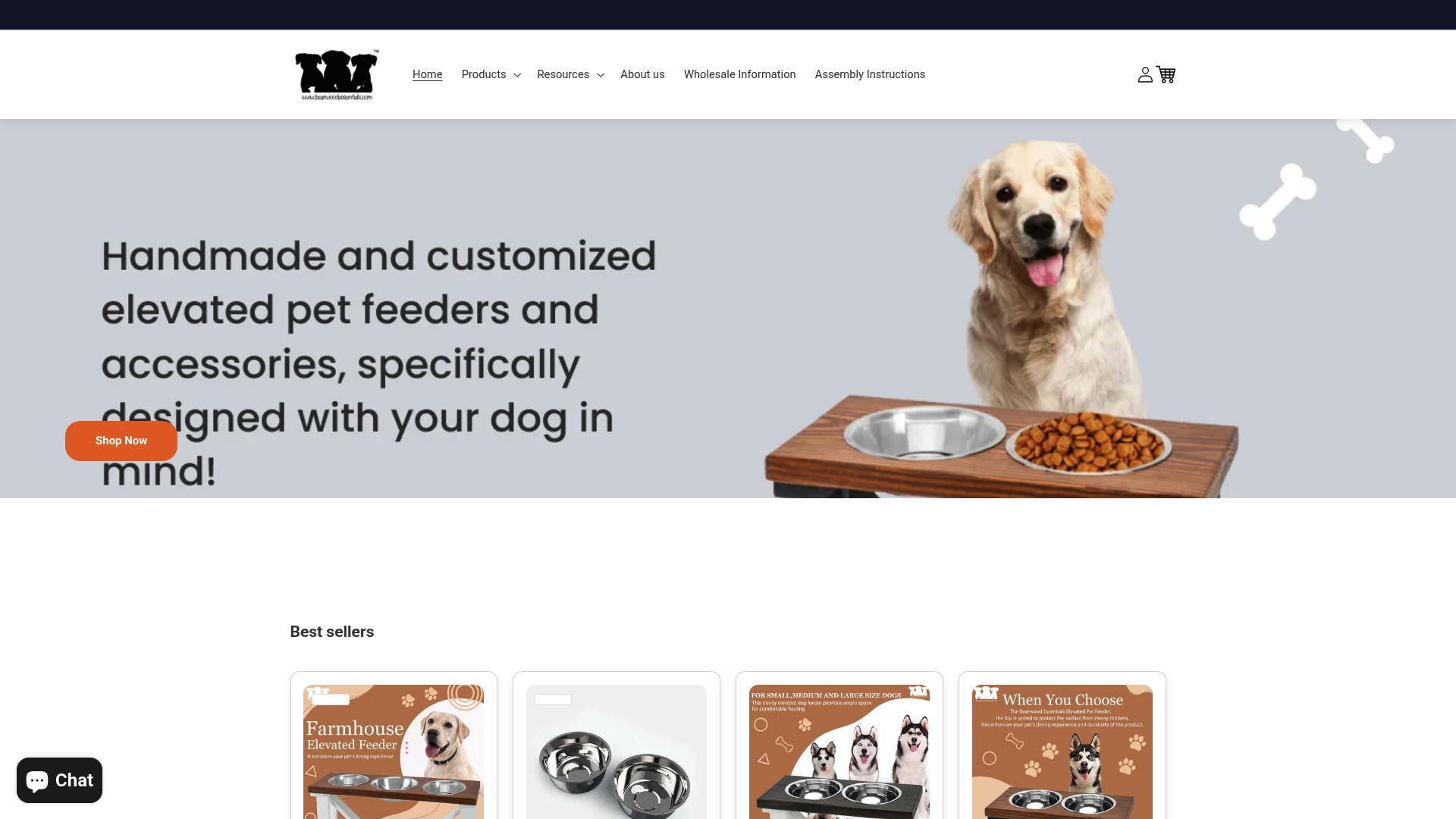
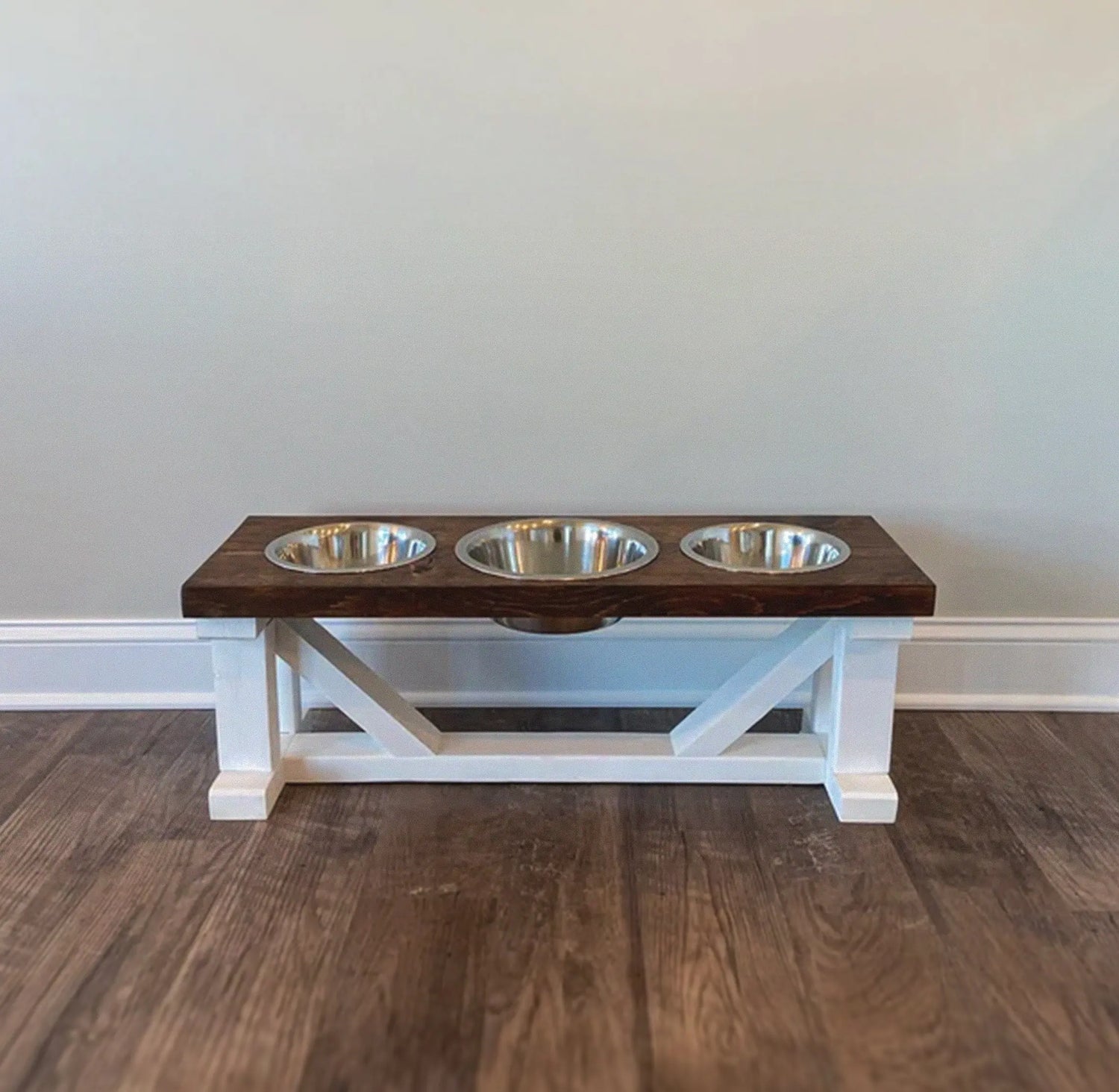
Bearwoodessentials designs handcrafted elevated feeders built around the principles covered in this guide: correct height, stable bases, and bowl options that suit your pet’s size and needs. Whether you are looking for a replacement ergonomic bowl or a complete metal elevated feeding stand for a medium or large dog, every product ships free within the U.S. on qualifying orders. Your pet eats every day. The bowl they eat from deserves the same care you put into what goes in it.