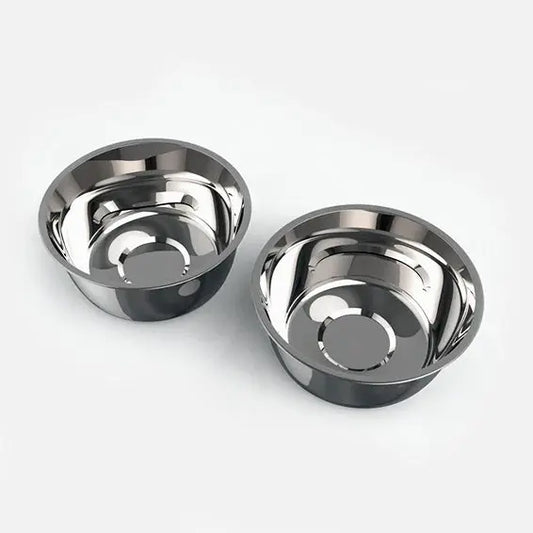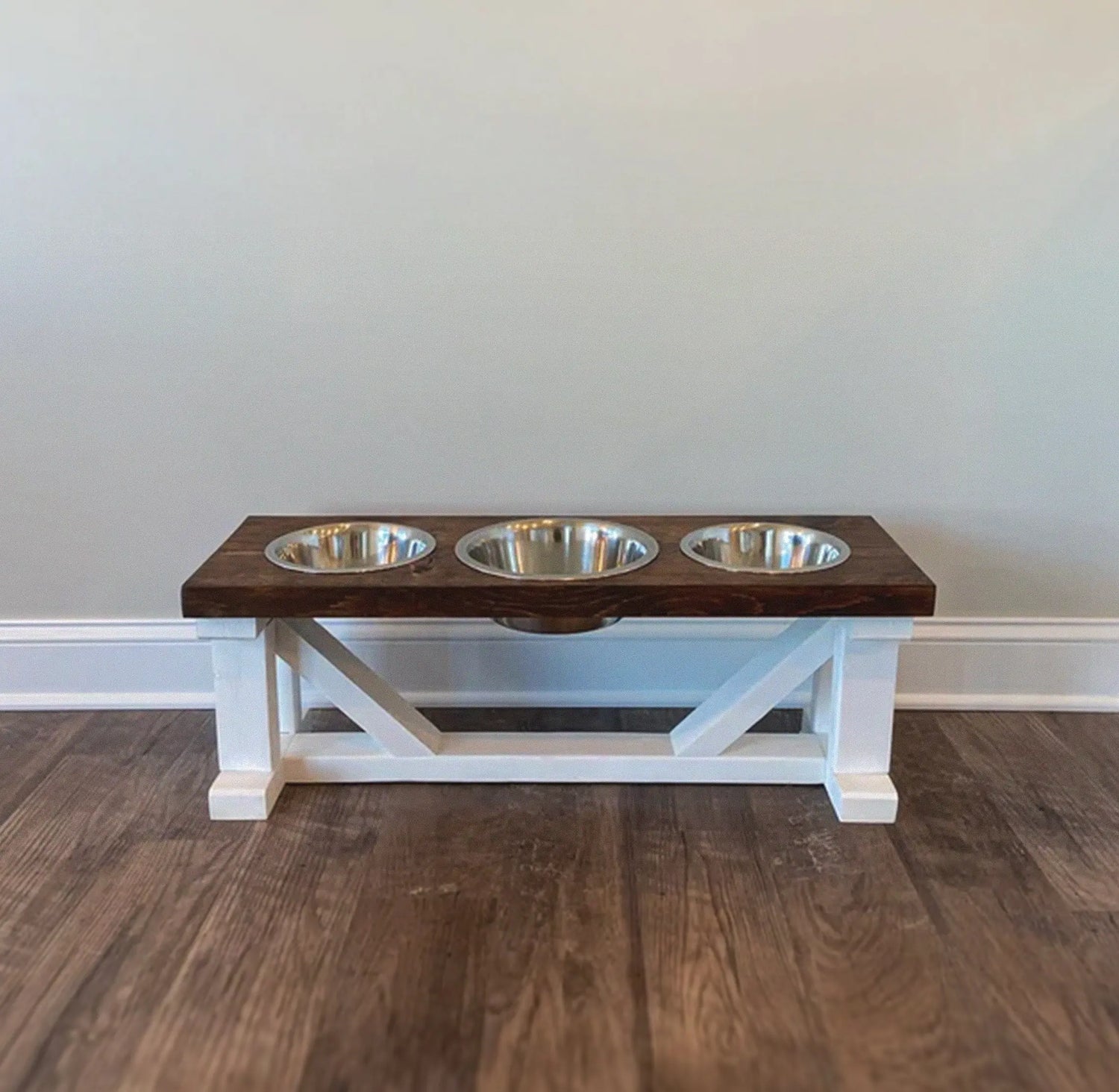


Feeder base design prevents tipping by keeping a feeder’s center of gravity low and its base footprint wide enough to resist the force a dog applies during feeding. When your dog pushes, nudges, or leans into a feeder, the base is the only thing standing between a stable meal and a mess on the floor. Industry safety standards now define clear thresholds for tipping angles and base-to-height ratios, giving pet owners a reliable framework for choosing feeders that hold their ground. Understanding these principles helps you pick a feeder that protects your dog and your floors every single day.
How feeder base design prevents tipping: the core stability principles
Feeder stability design is built on one foundational rule: the center of gravity must stay inside the base footprint at all times. If the center of gravity shifts outside the base area, the feeder tips, regardless of how heavy it is. A heavy but top-heavy feeder is still an unstable feeder. Weight alone does not guarantee safety.
The key measurement engineers use is the stability ratio, which compares base width and depth to the feeder’s total height. 2026 safety guidelines define a tipping angle greater than 10 degrees as the minimum threshold for a stable product. You calculate that angle using the formula: the inverse tangent of base depth divided by feeder height. A feeder that clears 10 degrees resists most real-world forces a dog can apply.
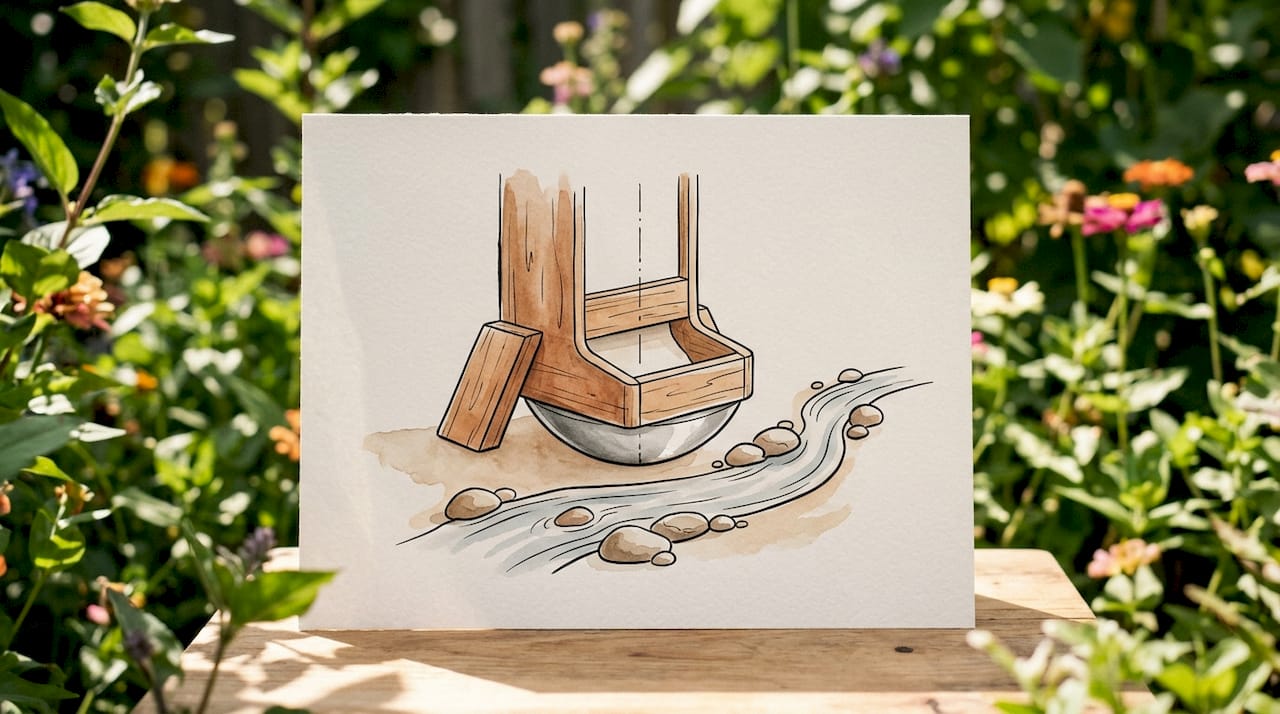
The base footprint requirement is specific. Feeders with a base depth at least 40% of total height achieve a tipping angle above 10 degrees, meeting current consumer safety standards. In practical terms, a feeder standing 36 inches tall needs a base depth of at least 14.4 inches to be considered stable. Most pet owners never check this number, which is exactly why tip-overs happen.
Pro Tip: Before buying any elevated feeder, measure its height and base depth. Divide the base depth by the height. If the result is less than 0.4, the feeder does not meet the 2026 stability threshold.
Here is a quick reference for how base depth requirements scale with feeder height:
| Feeder height | Minimum base depth (40% rule) | Tipping angle |
|---|---|---|
| 8 inches | 3.2 inches | >10 degrees |
| 12 inches | 4.8 inches | >10 degrees |
| 18 inches | 7.2 inches | >10 degrees |
| 36 inches | 14.4 inches | >10 degrees |
The relationship between height and base depth is linear. Every inch of height you add requires a proportional increase in base depth to maintain the same tipping resistance.
How do wide and weighted bases reduce tipping in pet feeders?
A wide base works by increasing the distance between the feeder’s center of gravity and its tipping edge. The farther that distance, the more force a dog must apply to cause a tip. Wide-flanged bases and anti-slip pads have become standard in quality feeder manufacturing because they address both lateral sliding and rotational tipping at the same time.
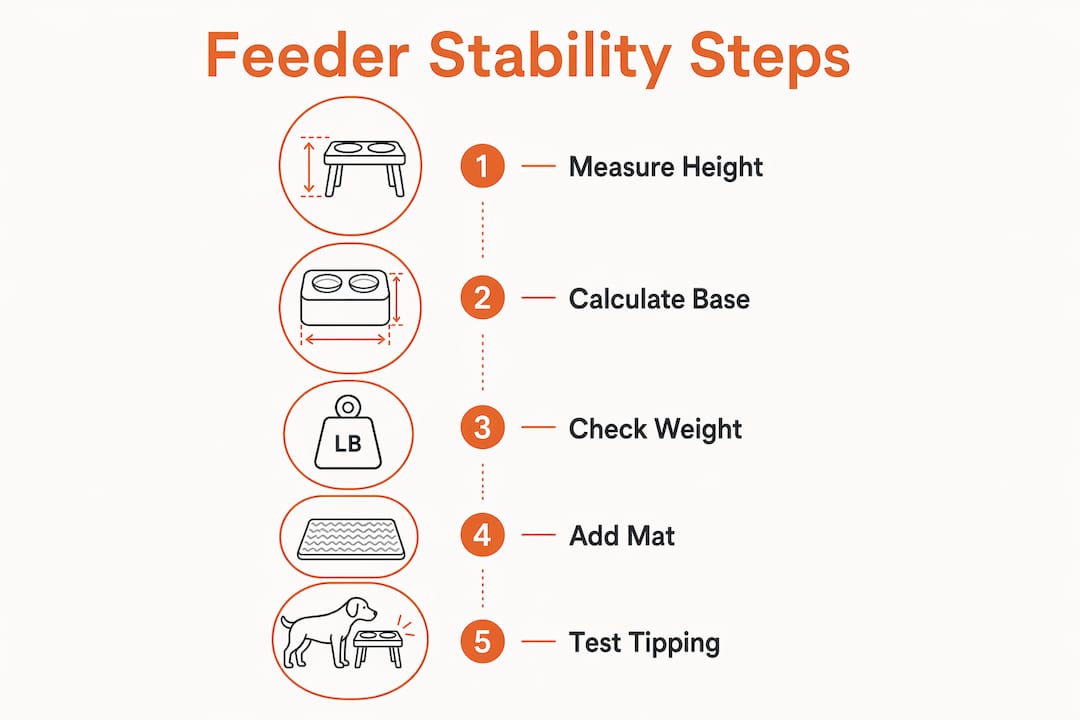
Weight placement matters as much as base width. Placing mass low in the feeder, in the base itself rather than in the bowl or upper frame, lowers the overall center of gravity. A lower center of gravity means the feeder can tilt further before the tipping point is reached. This is why solid wood and metal bases outperform lightweight plastic frames even when the plastic base is wider.
Anti-slip materials are the third layer of tipping prevention. Rubber feet increase the friction coefficient beyond 0.6, which significantly reduces lateral movement on hard floors like tile and hardwood. Without that friction, even a well-proportioned base can slide sideways under a determined dog, which creates a different kind of instability. You can read more about this in the Bearwoodessentials guide on rubber feet for feeders.
Key feeder base support features that reduce tipping risk:
-
Wide platform base: extends the footprint beyond the bowl diameter to increase tipping resistance
-
Low-profile weight concentration: places the heaviest material at the bottom of the stand, not the top
-
Rubber or silicone feet: grip hard floors and prevent lateral sliding during active feeding
-
Flared or flanged edges: distribute load outward and increase effective base area without adding height
-
Non-porous base materials: resist moisture absorption that can cause warping and uneven weight distribution over time
Pro Tip: On smooth tile floors, place a thin rubber mat under the entire feeder base, not just under the feet. This doubles the contact surface and nearly eliminates sliding.
What design features beyond the base improve feeder stability?
A wide base is the foundation, but several secondary design features determine whether a feeder stays stable under real-world conditions. These features work together to resist tipping from multiple directions.
-
Welded or reinforced base joints. Heavily welded bases and internal chassis supports distribute weight more evenly across the entire structure. A feeder with loose joints flexes under load, which shifts the center of gravity unpredictably. Rigid construction keeps the weight distribution consistent every time your dog feeds.
-
Sloped or tapered walls. Sloped walls on the feeder frame redirect lateral force downward rather than sideways. This technique, borrowed from industrial feeder design, reduces mechanical stress at the base joints and keeps the structure from rocking. A feeder that rocks is one nudge away from tipping.
-
Internal chassis or cross-bracing. Cross-bracing inside the stand frame prevents the legs from spreading under load. Leg spread shifts the center of gravity upward relative to the base, which reduces tipping resistance. Braced frames maintain their geometry and their stability ratio over years of use.
-
Stake anchors for outdoor feeders. Outdoor feeders benefit from multiple stake anchors or security attachments that prevent dislodgement in windy conditions or during active feeding. A stake anchor transfers tipping force directly into the ground rather than allowing the base to pivot.
-
Dense, stable materials. Material choice directly affects weight density and stability. Solid hardwood and powder-coated steel carry more mass per cubic inch than hollow plastic or thin sheet metal. That mass, concentrated in the base, keeps the center of gravity low without requiring an oversized footprint. The Bearwoodessentials guide on feeder weight and pet safety explains how material density translates into real-world stability.
How does feeder base design adapt to different pet sizes and behaviors?
Feeder stability design is not one-size-fits-all. A base that works perfectly for a 15-pound terrier may be dangerously narrow for a 90-pound Labrador. Elevated feeders for large dog breeds require proportionally wider and heavier bases to offset the increased tipping risk that comes with greater height and the force a large dog applies. Matching base dimensions to your dog’s size is a design consideration, not an optional upgrade.
Feeding behavior matters just as much as size. Some dogs eat calmly and barely touch the feeder frame. Others push, paw, and nose the bowl aggressively. An active eater applies repeated lateral force to the feeder, which tests the stability ratio with every meal. For these dogs, a wider base and rubber feet are non-negotiable features, not premium extras.
Key design tips for feeder stability by pet type:
-
Small breeds (under 25 lbs): a compact base with rubber feet and a low profile is sufficient; prioritize anti-slip over width
-
Medium breeds (25–65 lbs): base depth should meet the 40% rule; look for cross-braced legs and a weighted lower frame
-
Large breeds (over 65 lbs): choose feeders with a base depth exceeding 40% of height, dense materials, and reinforced joints; check the large dog feeder guide for specific recommendations
-
Active or pushy eaters: prioritize wide-flanged bases, rubber feet, and welded construction regardless of dog size
-
Elevated feeders: the taller the stand, the wider the base must be; never choose an elevated feeder based on bowl height alone without checking the base-to-height ratio
Floor surface also shapes the right choice. Hard tile and hardwood floors demand rubber feet or mats. Carpeted surfaces provide natural friction but can hide uneven legs that cause rocking. Check all four feet for level contact before placing any feeder on carpet.
Key Takeaways
Feeder base design prevents tipping by combining a wide, deep base with a low center of gravity, anti-slip materials, and rigid construction that together resist the forces dogs apply during feeding.
| Point | Details |
|---|---|
| Base depth rule | Base depth must be at least 40% of feeder height to meet 2026 stability standards. |
| Center of gravity | Weight must stay concentrated in the base, not the upper frame, to keep the feeder stable. |
| Anti-slip materials | Rubber feet with a friction coefficient above 0.6 prevent lateral sliding on hard floors. |
| Size-matched design | Large breed dogs need proportionally wider, heavier bases than small breed feeders provide. |
| Rigid construction | Welded joints and cross-braced frames maintain the stability ratio over years of daily use. |
What I’ve learned about feeder stability after years of watching dogs eat
Most pet owners focus on bowl size and feeder height when shopping for a new stand. Almost no one checks the base-to-height ratio before buying. That single oversight is responsible for the majority of tip-over incidents I see discussed in pet owner communities. The physics are simple, but the marketing rarely highlights them.
The most common mistake I see is choosing a tall elevated feeder for a large dog and assuming that a heavier feeder is automatically a safer one. Weight helps, but only when it sits in the base. A tall feeder with a narrow base and a heavy bowl on top is actually more dangerous than a lighter feeder with a wide, well-proportioned base. The center of gravity sits too high, and one good nudge sends the whole thing over.
My practical advice: treat feeder stability the same way you treat feeder hygiene. Check it regularly. Make sure rubber feet are intact and not worn smooth. Confirm the base sits flat on the floor with no rocking. If a feeder starts to wobble, address it immediately rather than waiting for a full tip-over. A feeder that wobbles has already lost part of its stability margin.
The design trend worth watching in 2026 is the move toward integrated weighted bases in elevated wooden and metal feeders. Manufacturers are building ballast directly into the base platform rather than relying on the bowl weight to stabilize the stand. That approach is the right one. It keeps the center of gravity exactly where it belongs: as low as possible, well inside the base footprint. You can see this principle applied in detail in the Bearwoodessentials guide on feeder construction and wobble prevention.
— Kim
Bearwoodessentials feeders built with stability at the base
Every feeder in the Bearwoodessentials collection is designed with the stability principles covered here built directly into the structure. Wide, weighted bases keep the center of gravity low. Rubber feet grip hard floors and prevent lateral sliding. Solid wood and metal construction adds mass where it matters most, at the bottom of the stand, not the top.

The handmade metal dog feeder is a strong example: its wide-flanged base and dense metal construction meet the 40% base-to-height ratio standard, making it a reliable choice for medium and large breed dogs. For owners who want a two-bowl option, the wooden double diner combines a broad hardwood base with a low profile that resists tipping even during active feeding. Both feeders ship free within the U.S. on qualifying orders.
FAQ
What is the minimum base size for a stable pet feeder?
A feeder base depth should be at least 40% of the feeder’s total height. For a 12-inch-tall feeder, that means a minimum base depth of 4.8 inches to achieve a tipping angle above 10 degrees.
Why does center of gravity matter more than feeder weight?
A heavy feeder can still tip if its center of gravity sits high in the frame. Stability depends on the center of gravity staying inside the base footprint, not on total weight alone.
Do rubber feet actually prevent feeder tipping?
Rubber feet increase the friction coefficient beyond 0.6, which significantly reduces lateral sliding on hard floors. They prevent the base from shifting sideways, which is one of the main causes of tip-over on tile and hardwood.
How should I choose a feeder base for a large dog?
Large breed dogs require a base that is proportionally wider and heavier than standard feeders provide. Check that the base depth meets the 40% rule and that the construction uses dense materials like solid wood or metal concentrated in the lower frame.
Can an outdoor feeder tip over differently than an indoor one?
Yes. Outdoor feeders face wind load and uneven ground in addition to pet force. Stake anchors or security attachments are standard practice for outdoor placement to prevent dislodgement that indoor rubber feet cannot address.