
Load-bearing capacity in feeders is defined as the maximum weight a feeder can safely support without structural failure, and understanding it is the first step toward protecting your pet during every meal. Most pet owners focus on bowl size or food volume, but the structural weight limit is a separate and equally critical measurement. A feeder that looks sturdy can still fail if it carries more combined weight than its frame, mounting, or materials can handle. Knowing what is load bearing capacity feeders means knowing the difference between a feeder that lasts and one that becomes a safety hazard.
What is load-bearing capacity in pet feeders?
Load-bearing capacity is the total weight a feeder can hold safely, including the feeder itself, the food inside, and the animal using it. This is not the same as feed volume. Volume capacity and structural weight limit are two different measurements, and confusing them leads to real misjudgments. A feeder may hold two pounds of kibble by volume, but if a large dog leans into it, the total load on the stand or mounting point spikes well beyond that.
The industry term for this concept is “static and dynamic load capacity.” Static load is the weight sitting still on the feeder: food plus the feeder’s own weight. Dynamic load is the force added when an animal moves, pushes, or lands on the feeder. Mounting mechanisms must support the feeder, the feed, and the animal’s weight including those dynamic forces. That combination is what determines whether a feeder stays safe over time.
At the heavy-duty end of the spectrum, some feeders are engineered to carry extraordinary loads. Certain large-capacity units support up to 700 lbs of feed, with the empty unit itself weighing around 120 lbs. That means total combined weight can exceed 820 lbs, which demands serious structural support. For everyday pet feeders, the numbers are smaller, but the same principle applies: the load capacity of feeders must account for every weight source at once.
What factors affect the load capacity of feeders?
Several variables determine how much weight a feeder can handle safely. Understanding each one helps you choose a feeder that matches your pet’s size and feeding behavior.
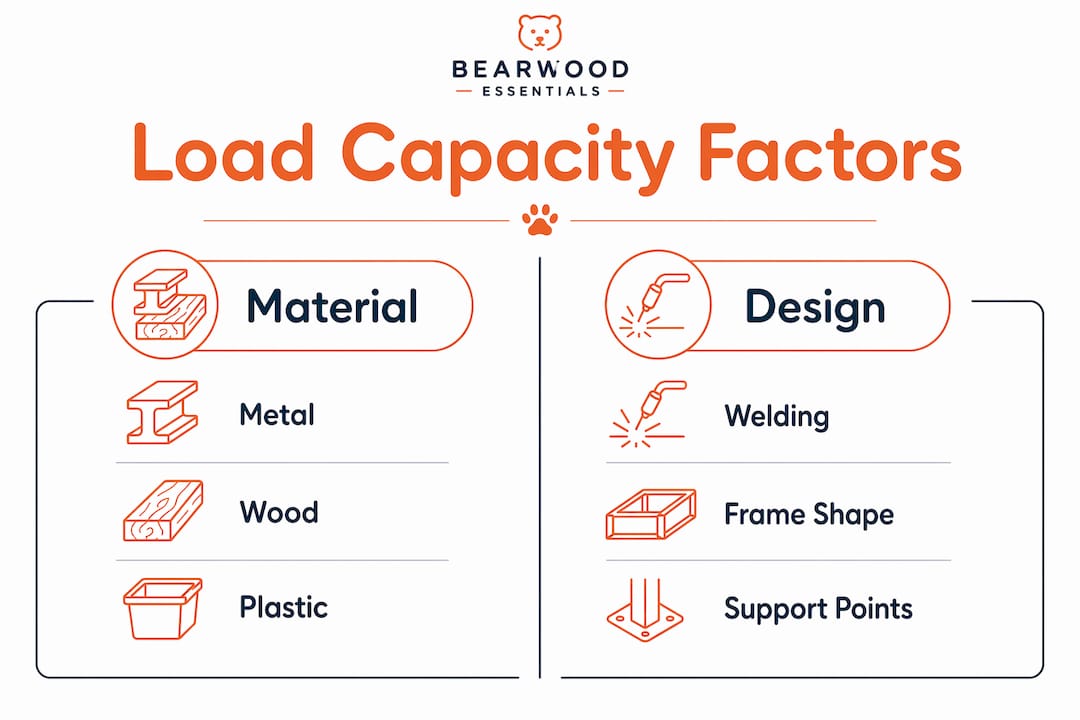
Material construction is the most direct factor. Metal frames, particularly rustproof steel or powder-coated iron, carry more load than plastic or lightweight wood. Rustproof metal and reinforced plastics extend feeder lifespan under repeated load stress. A feeder made from thin plastic may hold its shape when empty but flex or crack under a large dog’s weight.

Design geometry also matters. A wide, low base distributes weight more evenly than a tall, narrow stand. Feeders with cross-braced legs or welded joints handle dynamic loads better than those held together with screws alone. The feeder construction details that prevent wobbling directly reflect how well a design manages shifting weight during use.
Key factors that affect feeders weight limit include:
-
Frame material: Steel and iron outperform plastic under repeated dynamic loads.
-
Joint type: Welded joints hold more weight than screwed or glued connections.
-
Base width: A wider footprint reduces tipping risk under lateral force.
-
Mounting method: Wall-mounted feeders rely on anchor strength; freestanding feeders rely on base stability.
-
Adjustable components: Telescoping legs or adjustable heights can introduce weak points if not properly locked.
-
Number of animals: Multiple pets feeding at once multiply the dynamic load on the frame.
Pro Tip: Always add 20–30% to your pet’s body weight when estimating the load your feeder needs to handle. That buffer accounts for leaning, sudden movements, and the weight of a full bowl.
How do weight-activated feeders use load-bearing capacity to control access?
Weight-activated feeders use load-bearing capacity as a functional control mechanism, not just a safety limit. These feeders open or close based on whether the weight on a perch or platform exceeds a set threshold. The mechanics rely on calibrated springs that distinguish between lighter target animals and heavier unwanted visitors.
Consumer weight-activated feeders have adjustable threshold settings between 1 and 3 pounds. Squirrel-proof designs typically trigger at 1–2 pounds, which excludes squirrels while allowing smaller birds access. That narrow weight window requires careful calibration to work correctly.
Here is how the weight-activation system works in practice:
-
Resting state: The feeder is open. A small bird lands on the perch, and its weight falls below the spring threshold.
-
Threshold reached: A heavier animal, such as a squirrel, lands and its weight compresses the spring beyond the set limit.
-
Access blocked: The cage drops or the perch tilts, closing off the feed port.
-
Animal departs: Weight drops below the threshold, and the feeder resets to the open position.
-
Recalibration needed: Over time, spring tension weakens with use. Adjustment is necessary to maintain effectiveness as the mechanism wears.
The load capacity of feeders in this context has two separate meanings. The structural capacity is how much total weight the feeder frame can hold. The activation threshold is the weight at which the mechanism triggers. These are independent values. A feeder can have a high structural capacity but a very low activation threshold, and understanding both is critical for correct use.
Experts recommend regular recalibration of weight-activation settings as feeding habits and wildlife populations shift seasonally. A setting that works in spring may let squirrels through by fall if the spring has weakened.
Pro Tip: Test your weight-activated feeder’s threshold with a small postal scale and a known weight. Place the weight on the perch and confirm the mechanism triggers at the correct point. Do this at the start of each season.
How to select feeders based on load-bearing requirements
Choosing the right feeder starts with knowing your pet’s weight and feeding behavior. A single small dog eating calmly places a very different load on a feeder than two large dogs eating side by side. Multiple animals feeding simultaneously multiply the dynamic load, so the feeder’s structural rating must account for the combined weight of all animals at peak use.
Matching feeder strength to pet size
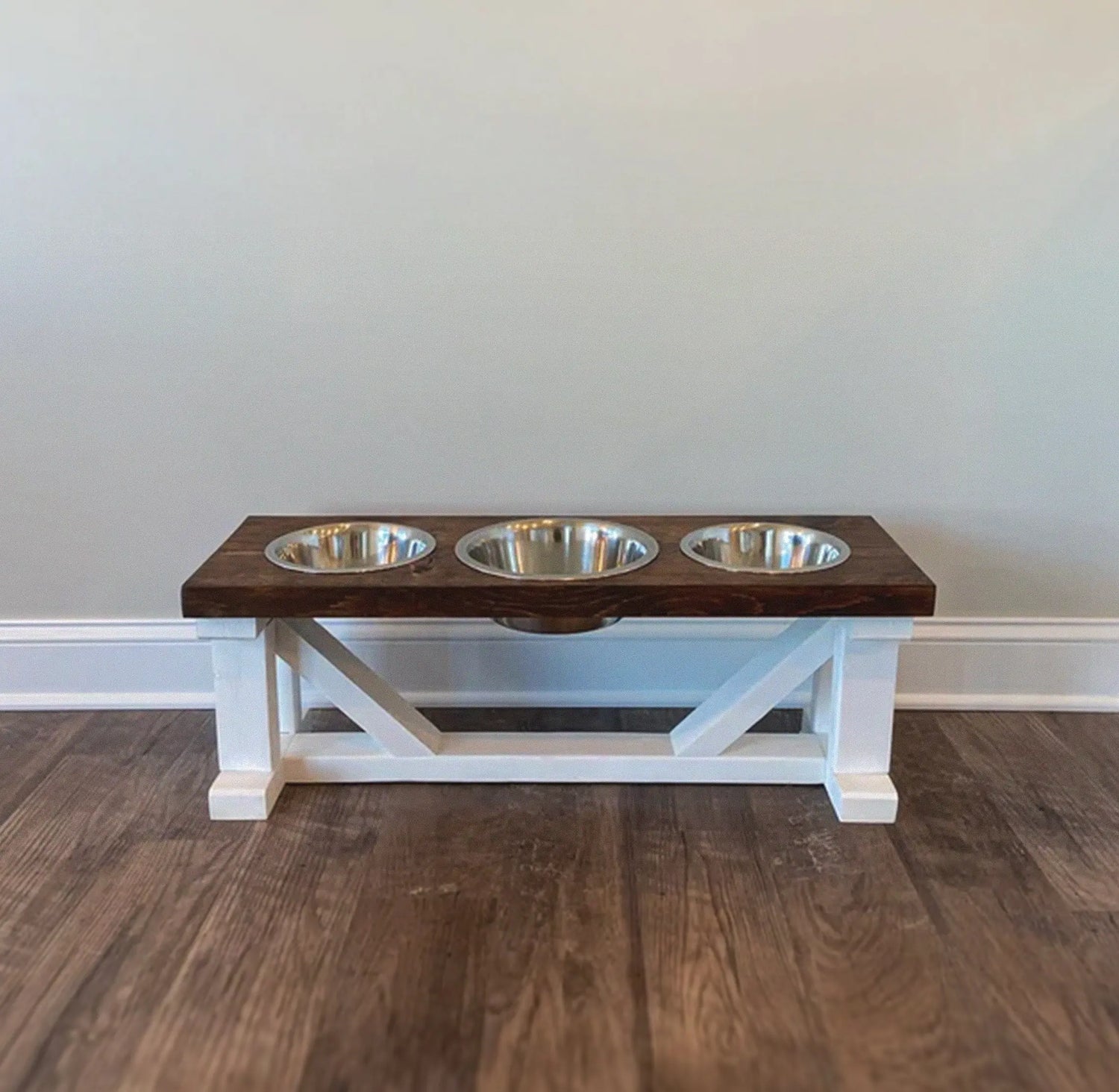
For large dogs, a metal elevated feeder with welded construction is the safest choice. The handmade metal dog bowl feeder from Bearwoodessentials uses durable metal construction designed to support larger pets without flex or wobble. For smaller dogs or cats, a lighter frame may be sufficient, but the same principle applies: the frame rating must exceed the expected load.
Balancing feed capacity and structural limits
A common mistake is filling a feeder to its maximum volume capacity without checking whether the frame can handle that weight. Confusing volume capacity with load capacity leads to overloading. Always check the manufacturer’s stated weight limit, not just the bowl size.
When selecting a feeder, check these criteria:
-
Stated weight limit: Confirm the manufacturer lists a specific structural weight rating.
-
Material grade: Prefer powder-coated steel or solid hardwood over thin plastic for larger pets.
-
Mounting security: Wall-mounted units need anchor bolts rated for the total expected load.
-
Weather resistance: Outdoor feeders face additional stress from moisture and temperature changes. Durability against weather directly affects how long a feeder maintains its load-bearing integrity.
-
Adjustability: If the feeder has height-adjustable legs, confirm the locking mechanism holds under dynamic load.
For households with multiple cats, multiple cat feeders designed for simultaneous use distribute load across a wider base, reducing stress on any single point of the frame.
Pro Tip: Read the pet feeding station durability ratings before purchasing. Durability ratings reflect real-world load testing, not just material descriptions.
How to maintain feeders to keep load-bearing capacity safe
A feeder’s structural integrity degrades over time. Regular inspection and maintenance keep the load-bearing capacity at its rated level and prevent unexpected failures.
Watch for these warning signs:
-
Visible corrosion or rust on metal joints, which weakens the frame’s ability to carry load.
-
Cracks or stress marks in plastic components, especially near connection points.
-
Wobbling or rocking during normal use, which signals that joints have loosened or the base has warped.
-
Bent or deformed legs after a pet has pushed against the feeder repeatedly.
-
Spring tension loss in weight-activated feeders, which causes false triggers or failure to trigger at all.
Exceeding load capacity causes structural fatigue and may void the manufacturer’s warranty. Manufacturers stress that staying within specified weight limits is critical for long-term performance. If a feeder has been overloaded even once, inspect every joint and weld point before continued use.
Seasonal adjustments matter for weight-activated feeders. Spring-loaded perches and weighted cages need fine-tuning as temperatures change, because metal springs contract in cold weather and may trigger at lower weights than intended. Check calibration in fall and spring at minimum.
Pro Tip: Keep a simple maintenance log for each feeder. Note the date of each inspection, any parts replaced, and the current weight-activation setting if applicable. This record also supports warranty claims if a structural failure occurs.
Key Takeaways
The load-bearing capacity of a feeder is the single most important safety specification to check before purchase, because it determines whether the feeder protects your pet or puts them at risk.
| Point | Details |
|---|---|
| Capacity vs. volume | Structural weight limit and feed volume are separate specs; check both before buying. |
| Dynamic load matters | Account for your pet’s movement and multiple animals feeding at once, not just static weight. |
| Weight-activation thresholds | Adjustable spring settings between 1–3 lbs control access; recalibrate each season. |
| Material choice | Welded metal frames outlast plastic under repeated dynamic loads from larger pets. |
| Maintenance prevents failure | Inspect joints, check for corrosion, and test spring tension regularly to preserve rated capacity. |
Why I think most pet owners underestimate feeder load limits
I have seen a lot of feeders fail, and almost every time, the cause was the same: the owner focused on how much food the feeder could hold, not how much weight it could carry. Those are genuinely different numbers, and the gap between them is where accidents happen.
The most common scenario I encounter is a large-breed dog owner who buys a feeder rated for a medium dog because it “looks sturdy enough.” The feeder holds up for a few months, then a joint cracks or a leg bends, and the whole thing tips during a meal. That is not a freak accident. That is a predictable outcome of ignoring the weight limit.
My honest advice: treat the feeder’s weight rating the same way you treat a step ladder’s weight rating. You would not stand on a ladder rated for 200 lbs if you weigh 180 lbs and you are carrying a 40-lb bag of tools. The same logic applies to your dog’s feeder. Add the food weight, add your dog’s weight at the bowl, and then add a safety margin.
The other thing I see overlooked is the feeder weight impact on pet safety during the installation phase. A feeder mounted to drywall with basic screws will not hold a large dog’s dynamic load, no matter how strong the feeder frame is. The weakest link in the system sets the actual limit. Always mount to studs or use anchor bolts rated for the full expected load.
Aesthetics matter, and I understand why pet owners want a feeder that looks good in their home. But a beautiful feeder that fails under your dog’s weight is worse than a plain one that holds. Buy for strength first, then find the design you love within that constraint. Bearwoodessentials builds feeders that meet both requirements, which is exactly why I recommend starting there.
— Kim
Feeders built to hold what your pet actually weighs
Choosing a feeder with the right load-bearing capacity should not require an engineering degree. Bearwoodessentials designs elevated pet feeders with structural integrity built in from the start, using durable metal and solid wood construction that handles real-world pet weights without compromise.

The handmade metal raised feeder is built for larger dogs who need a stable, weight-rated feeding station that will not flex or tip. For pet owners who want to replace worn bowls without replacing the whole stand, the pet feeder replacement bowls fit securely into compatible Bearwoodessentials stands. Every product ships with free U.S. shipping on qualifying orders, so getting the right feeder for your pet’s size is one straightforward decision.
FAQ
What is load-bearing capacity in a pet feeder?
Load-bearing capacity is the maximum total weight a feeder can safely support, including the feeder’s own weight, the food inside, and the animal using it. It is a structural measurement, separate from the feeder’s food volume rating.
How do I calculate the load capacity of my feeder?
Add your pet’s body weight, the weight of a full bowl of food, and the feeder’s own weight. That total must fall below the manufacturer’s stated structural weight limit, with a safety margin of at least 20–30%.
What happens if I exceed the feeders weight limit?
Exceeding the rated weight limit causes structural fatigue in joints and welds, which can lead to sudden failure. Manufacturers note that overloading also voids most product warranties, leaving you without recourse if the feeder breaks.
How often should I recalibrate a weight-activated feeder?
Recalibrate at the start of each season, at minimum. Spring tension changes with temperature and wear, so a setting that excludes squirrels in summer may fail to trigger correctly in cold weather.
Does feeder material affect load-bearing capacity?
Yes, directly. Welded steel and powder-coated metal frames carry significantly more load than plastic or thin wood. Weather exposure also degrades materials over time, reducing the effective load capacity below the original rated limit.